
Can you gain muscle with nutrition diet alone? This question might be at the forefront of your mind if you’re eager to build a stronger, more defined physique without spending countless hours in the gym.
Imagine transforming your body simply by adjusting what you eat. It sounds almost too good to be true, right? But what if it isn’t? Your diet holds more power than you might think. By understanding the right nutrients and how they influence muscle growth, you could unlock the secret to achieving your muscle-building goals with greater ease.
Dive into this article to discover the truth about how your diet can shape your body and potentially revolutionize your fitness journey. Don’t you want to find out how to leverage your meals for maximum muscle gains? Let’s explore this fascinating possibility together.
Role Of Nutrition In Muscle Building
Building muscle is often associated with lifting weights and intense workouts, but the role of nutrition cannot be overlooked. Your diet plays a crucial part in how effectively you can build muscle. The right nutritional strategy can be as important as your gym routine, if not more so.
Understanding Macronutrients
Macronutrients are the cornerstone of any muscle-building diet. Proteins are essential as they provide the building blocks for muscle growth. Carbohydrates fuel your workouts, while fats support hormone production, including testosterone, which is vital for muscle growth.
- Proteins:Aim for lean sources like chicken, fish, and legumes.
- Carbohydrates:Opt for complex carbs such as brown rice and oats.
- Fats:Include healthy fats like avocados and nuts.
Importance Of Caloric Surplus
To gain muscle, you need to consume more calories than you burn. This doesn’t mean eating anything in sight. Focus on nutrient-dense foods to ensure you are fueling your body with quality calories.
Consider tracking your daily intake to understand your caloric needs better. How many calories do you consume each day?
Timing Of Meals
When you eat can be just as important as what you eat. Consuming protein-rich meals or snacks before and after workouts can enhance muscle recovery and growth.
Try having a protein shake or a small meal with lean protein and carbs within 30 minutes of exercising. This practice can significantly impact your muscle-building efforts.
Staying Hydrated
Water is often an overlooked component of nutrition. Staying hydrated is essential for muscle function and recovery. Dehydration can lead to muscle cramps and fatigue, hindering your progress.
Make it a habit to drink water throughout the day, especially before, during, and after workouts. How much water do you drink daily?
The Role Of Supplements
While whole foods should be your primary focus, supplements can support your diet. Protein powders, creatine, and branched-chain amino acids are popular choices among athletes. However, supplements should not replace real food.
Consider speaking with a nutritionist to determine what supplements, if any, might benefit you. Have you ever tried a supplement that made a noticeable difference?
Ultimately, nutrition is a powerful ally in your muscle-building journey. By focusing on the right foods and habits, you can maximize your efforts and see real results. What changes are you willing to make today?

Credit: www.tiktok.com
Essential Nutrients For Muscle Growth
Muscle growth requires more than just lifting weights. Nutrition plays a vital role. For muscles to grow, they need the right nutrients. Understanding essential nutrients helps you make better dietary choices. Let’s explore the key nutrients needed for muscle growth.
Proteins
Proteins are the building blocks of muscles. They repair muscle tissues after workouts. Include lean meats, fish, eggs, and beans in your diet. Aim for protein-rich foods at each meal. This supports muscle recovery and growth.
Carbohydrates
Carbohydrates provide energy for workouts. They fuel your muscles during exercise. Choose complex carbs like whole grains, fruits, and vegetables. These foods sustain energy levels and aid recovery. Balance carbs with proteins for optimal results.
Fats
Fats are crucial for hormone production. Healthy fats support muscle growth. Include nuts, seeds, avocados, and olive oil in your diet. Focus on unsaturated fats for health benefits. Fats also help absorb vitamins needed for muscle building.
Vitamins And Minerals
Vitamins and minerals are essential for muscle function. They support energy production and tissue repair. Key vitamins include vitamin D, C, and the B vitamins. Important minerals are calcium, magnesium, and potassium. A varied diet ensures you get these nutrients. Eating colorful fruits and vegetables helps cover your needs.
Protein: The Building Block
Protein is crucial if you’re aiming to gain muscle with diet alone. Think of it as the essential ingredient your body needs to repair and grow muscles. Without sufficient protein intake, your efforts might be in vain. But how can you ensure you’re getting enough of this vital nutrient?
Sources Of Protein
You’re likely aware of the classic sources like chicken and eggs, but don’t limit yourself. Explore a variety of options that suit your palate and lifestyle.
- Animal-based:Beef, turkey, fish, and dairy products.
- Plant-based:Beans, lentils, tofu, and quinoa.
- Supplements:Protein powders and bars for convenience.
Have you tried mixing different sources to keep meals interesting? Combining foods can also enhance the nutrient profile of your diet. Consider pairing quinoa with beans or adding nuts to your yogurt.
Daily Protein Intake
How much protein should you consume daily to support muscle growth? The answer varies, but a general guideline is around 0.8 to 1 gram of protein per pound of body weight.
Tracking your intake can be eye-opening. Use apps or simple charts to monitor your daily consumption. Are you hitting your target consistently? If not, what small changes can you make to reach it?
Remember, quality matters as much as quantity. Focus on clean sources that offer additional nutrients. This ensures your body gets the best fuel for muscle repair and growth.
Are there times when your protein intake falls short? Consider prepping meals ahead or stocking protein-rich snacks for busy days. Keeping your protein levels steady can be the difference between muscle gain and stagnation.

Credit: www.instagram.com
Carbohydrates: Fuel For Your Muscles
Carbohydrates are essential for muscle growth and recovery. They’re not just about energy; they are about efficiency. Think of carbs as the fuel that powers your workouts and helps your muscles recover and grow stronger. Have you ever wondered why some athletes swear by a high-carb diet?
Complex Vs. Simple Carbs
Not all carbs are created equal. Complex carbohydrates like whole grains, vegetables, and legumes offer sustained energy release. They keep your blood sugar stable and provide long-lasting energy for your workouts. Simple carbs, found in sweets and processed foods, can give you a quick energy boost but might lead to a crash.
Imagine you’re planning a long run. Would you choose a donut or oatmeal? The latter will keep your energy levels steady, ensuring you get the most out of your training session. How you choose your carbs can impact your performance and muscle growth.
Timing And Quantity
Timing your carb intake can make a significant difference. Consuming carbs before a workout can enhance your performance. Post-workout carbs help replenish glycogen stores and assist in muscle recovery. Have you tried eating a banana before hitting the gym?
Quantity matters too. Balancing your carb intake with protein and healthy fats is crucial. Overloading on carbs can lead to weight gain, while too little might leave you fatigued. Have you found your perfect carb balance for optimal muscle growth?
Healthy Fats For Muscle Gain
Building muscle isn’t just about lifting weights. Nutrition plays a crucial role too. Healthy fats are key in this journey. They provide energy and support hormone production. Including them in your diet can aid muscle growth. Let’s explore the different types and how to balance them.
Types Of Fats
Fats can be categorized into several types. Each has its own benefits for muscle gain. Here are the main ones:
- Saturated Fats:Found in meat and dairy products. They support testosterone production, which is vital for muscle growth.
- Unsaturated Fats:These include monounsaturated and polyunsaturated fats. Sources are nuts, seeds, and fish. They help reduce inflammation and promote heart health.
- Omega-3 Fatty Acids:Found in fish like salmon and flaxseeds. They enhance muscle protein synthesis and improve recovery.
- Omega-6 Fatty Acids:Present in vegetable oils. They are essential but should be balanced with omega-3s.
Balancing Fat Intake
Balancing fat intake is essential for muscle gain. You need the right amount to maximize benefits. Here’s how you can achieve balance:
- Include a variety of fat sources in your diet. This ensures you get all necessary nutrients.
- Monitor your portion sizes. Excessive fat can lead to unwanted weight gain.
- Maintain a healthy ratio of omega-3 to omega-6. Aim for more omega-3 rich foods.
- Avoid trans fats. These are found in processed foods and can harm your health.
Healthy fats are a vital part of a muscle-building diet. They provide energy, support hormone production, and aid recovery. By choosing the right fats and balancing your intake, you can enhance muscle growth effectively.
Micronutrients: Supporting Muscle Function
Muscle building often focuses on protein, but micronutrients play a crucial role too. They support muscle function and repair, enhancing performance and recovery. Ensuring adequate intake of vitamins and minerals can optimize your muscle-building efforts. These micronutrients help in energy production, oxygen delivery, and muscle contractions.
Key Vitamins
Vitamins are essential for muscle function and overall health. Vitamin D helps regulate calcium, crucial for muscle contractions. It also supports immune function, reducing muscle inflammation. Vitamin C is an antioxidant that aids in recovery and collagen production. This helps maintain healthy connective tissues. B vitamins, such as B6, B12, and folate, support energy metabolism. They assist in protein synthesis and red blood cell formation.
Essential Minerals
Minerals are vital for muscle performance and strength. Magnesium plays a role in muscle relaxation and preventing cramps. It supports energy production during workouts. Calcium is necessary for muscle contractions and bone health. It ensures strong bones to support increased muscle mass. Iron is crucial for oxygen transport in the blood. It helps improve endurance and reduces fatigue. Zinc supports protein synthesis and muscle recovery. It is important for maintaining testosterone levels, which influence muscle growth.
Impact Of Diet Alone On Muscle Gain
Gaining muscle is often seen as a combination of intense workouts and the right diet. But what if you rely on nutrition alone? Can diet be the sole driver of muscle growth? While consuming a balanced diet rich in proteins, healthy fats, and carbohydrates is crucial, its impact on muscle gain without physical activity presents both possibilities and limitations.
Limitations Of Nutrition-only Approach
Relying solely on diet to gain muscle has its challenges. Nutrition can provide the necessary building blocks, but without resistance training, the body lacks the stimulus needed to build new muscle fibers. Consuming high amounts of protein might support muscle maintenance, but without exercise, significant muscle growth is unlikely.
Consider this: just eating more protein doesn’t automatically translate to muscle gain. Your body needs a reason to use that protein for muscle building, and that reason is exercise. Relying on diet alone might lead to other issues, like nutrient imbalances or increased fat storage.
Importance Of Physical Activity
Physical activity is the catalyst that transforms dietary nutrients into muscle. It’s the push your body needs to break down and rebuild stronger muscle tissues. Regular strength training or resistance exercises create micro-tears in muscles, which, when repaired, lead to muscle growth.
Imagine trying to build a house with materials but no tools. Exercise is your toolbox, enabling your body to effectively use nutrients for muscle development. So, while diet is important, pairing it with the right physical activity is essential for true muscle gain.
Have you ever tried to gain muscle with diet alone? What results did you notice, and how did exercise change the outcome? Your experience can offer valuable insights to others on a similar journey.
Combining Diet With Exercise
Gaining muscle with nutrition alone is challenging. A balanced diet provides essential nutrients but lacks the stimulus exercise offers. Strength training complements nutrition, ensuring muscle growth and strength.
Combining diet with exercise is a powerful approach to building muscle effectively. While a balanced diet provides the necessary nutrients for muscle growth, pairing it with a structured exercise regimen can accelerate your progress. This synergy can lead to more efficient muscle gain, improved strength, and overall better health outcomes.Benefits Of Resistance Training
Resistance training is more than just lifting weights; it’s about challenging your muscles to grow stronger. Engaging in activities like weightlifting, bodyweight exercises, or resistance band workouts can significantly enhance muscle mass. This form of exercise not only builds muscle but also boosts your metabolism, allowing you to burn more calories even at rest. Have you ever noticed how invigorated you feel after a good workout session? That’s your body responding to the benefits of resistance training.Optimizing Diet For Workouts
To get the most out of your workouts, your diet needs to be aligned with your fitness goals. Consuming a balanced mix of proteins, carbohydrates, and fats can fuel your body efficiently. Proteins are essential for muscle repair and growth. Consider adding lean meats, eggs, or plant-based proteins to your meals. Carbohydrates provide the energy needed for intense workouts, so including whole grains, fruits, and vegetables can be beneficial. Have you ever thought about how your pre-workout meal impacts your performance? A well-timed snack, like a banana or a handful of nuts, can make a noticeable difference in your energy levels during exercise. By carefully combining diet and exercise, you can create a powerful routine that supports muscle gain and overall health. What adjustments can you make today to optimize your muscle-building journey?Real-life Examples And Success Stories
Transforming your physique with nutrition alone is possible, as seen in various real-life success stories. Many individuals have gained muscle by carefully managing their diets, ensuring the right balance of proteins, carbs, and healthy fats.
Real-life examples and success stories can inspire and motivate. Many individuals have achieved remarkable muscle gains through diet alone. Their stories show the power of proper nutrition. Let’s explore some of these inspiring journeys.John’s Transformation With Plant-based Nutrition
John switched to a plant-based diet to gain muscle. He focused on beans, lentils, and quinoa. These foods provided essential proteins. After six months, John noticed significant muscle growth. His energy levels increased as well. A balanced plant-based diet can build muscle effectively.Emily’s Journey Of Muscle Gain Through Balanced Meals
Emily followed a balanced meal plan for muscle gain. She included lean proteins like chicken and fish. Whole grains and vegetables were also essential parts of her diet. Emily’s dedication led to visible results. Her muscles became more defined and stronger.Mark’s Success With High-protein Diet
Mark embraced a high-protein diet for muscle growth. Eggs, chicken, and Greek yogurt were staples in his meals. Consistent protein intake helped him gain muscle mass. Mark’s story highlights the importance of protein-rich foods. They play a crucial role in muscle development.Sarah’s Improvement With Calorie Control
Sarah focused on controlling her calorie intake. She aimed for a slight caloric surplus to support muscle growth. Sarah included proteins, healthy fats, and carbs in her diet. Her muscle definition improved significantly. Calorie control was key to her success.David’s Experience With Nutrient Timing
David learned about nutrient timing for muscle gain. Eating the right foods at the right time boosted his results. Post-workout meals rich in protein and carbs were his focus. Nutrient timing enhanced his muscle recovery and growth. These stories showcase the potential of nutrition in muscle building. Proper diet can lead to impressive muscle gains.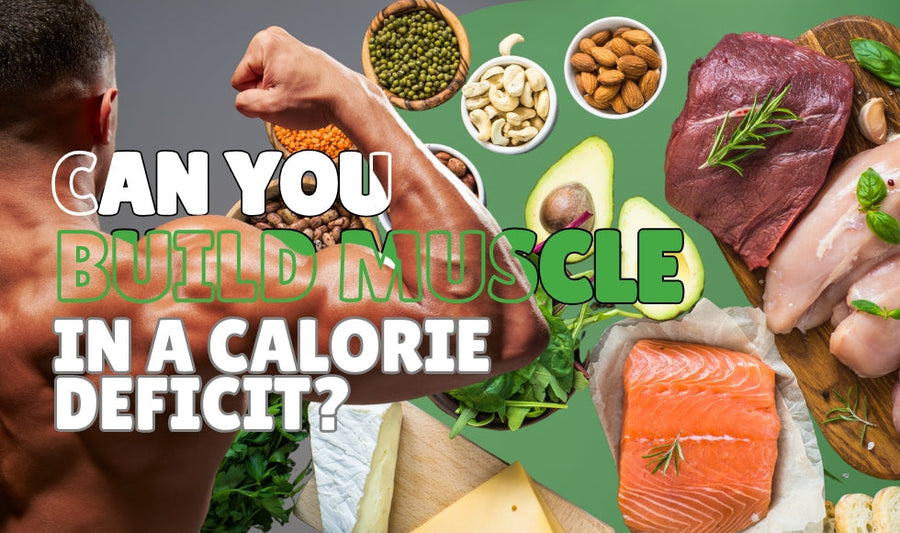
Credit: homegymsupply.co.uk
Tips For Creating A Muscle-building Diet Plan
Building muscle relies heavily on diet. A balanced intake of protein, carbs, and healthy fats fuels growth. Include lean meats, whole grains, and vegetables in your meals. Hydration and proper meal timing also boost muscle gain.
Creating a muscle-building diet plan can be as strategic as lifting weights. While exercise is crucial, nutrition plays an equally vital role in sculpting your body. Imagine your muscles as a construction project; they need the right materials to grow. Food is fuel, and choosing the right nutrients can significantly impact your results. But how do you start crafting a diet plan that supports muscle gain? Here are some tips to guide you.Meal Planning
Meal planning is your blueprint. Start by assessing your daily calorie needs, then prioritize protein, which is essential for muscle repair. Aim for lean sources like chicken, fish, and legumes. Planning meals ahead saves time and reduces the temptation to opt for less nutritious options. Consider incorporating a variety of fruits and vegetables to get essential vitamins and minerals. Divide your meals into smaller portions throughout the day to keep your energy levels stable.Tracking Progress
Tracking progress keeps you accountable. Use a journal or app to record your meals and macros. This helps identify patterns and areas for improvement. Notice how your body responds to different foods. Are you more energized after a specific meal? Adjust your diet based on these observations. Regularly update your goals and celebrate small victories to stay motivated. Reflect on your progress every week to tweak your meal plan effectively. How has your strength improved? Are you hitting your targets?Frequently Asked Questions
Can Nutrition Alone Build Muscle Effectively?
Nutrition plays a crucial role in muscle development by providing essential nutrients for repair and growth. However, combining it with resistance training enhances muscle-building results. While a balanced diet supports muscle maintenance, exercise stimulates muscle fibers, leading to significant gains.
For optimal muscle growth, integrate both nutrition and physical activity into your routine.
Is Protein Intake Sufficient For Muscle Gain?
Protein is vital for muscle repair and growth, but it’s not the only factor. While adequate protein supports muscle synthesis, carbohydrates and fats also provide energy and aid recovery. A balanced diet, rich in various nutrients, complements protein intake for effective muscle development.
Prioritize diverse food sources for comprehensive nutrition.
Can Supplements Replace A Muscle-building Diet?
Supplements can enhance muscle growth, but they shouldn’t replace whole foods. Whole foods offer a broad spectrum of nutrients vital for muscle health. Supplements may fill nutritional gaps but lack the complexity of real food. For sustainable muscle gain, focus on a balanced diet, and use supplements as an adjunct, not a substitute.
How Does Hydration Impact Muscle Growth?
Hydration is crucial for optimal muscle function and recovery. Water helps transport nutrients to muscles, aids digestion, and regulates temperature. Dehydration can impair muscle performance and recovery. Ensure adequate fluid intake to support muscle metabolism and enhance training outcomes. Hydrated muscles perform better and recover faster.
Conclusion
Building muscle needs more than just nutrition. Balanced diet helps. But exercise plays a key role. Muscles grow stronger with resistance training. Protein aids muscle repair. Carbs give energy for workouts. Hydration keeps the body functioning well. Sleep is crucial for recovery.
Good habits make a difference. Achieving goals takes time and effort. Stay committed to your routine. Combine diet and exercise for best results. Fitness journey is personal. Listen to your body. Adjust plans as needed. Embrace the process. Celebrate small victories along the way.
Your efforts will pay off. Keep pushing forward.