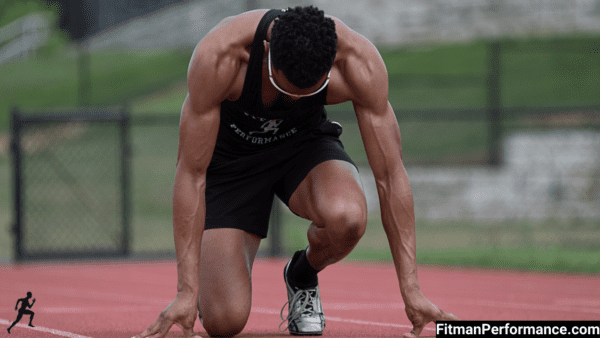
Imagine if you could build muscle without spending hours lifting weights. What if all it took was a burst of energy and speed, something as simple as sprinting?
You’re probably wondering how such a high-intensity, short-duration activity could impact your muscle growth. Sprinting is often associated with athletes and track stars, but it holds secrets that could transform your fitness routine. Why should you care? Because understanding the muscle-building potential of sprinting could revolutionize your workouts and help you achieve your goals faster.
By the end of this article, you’ll discover how sprinting can enhance your muscle growth, and you might even find yourself lacing up those running shoes more often. Stick around to unlock the surprising benefits of sprinting and see how it can fit into your fitness plan.

Credit: medium.com
Benefits Of Sprinting
Sprinting boosts muscle growth by engaging fast-twitch fibers. This high-intensity exercise enhances strength and power. Regular sprinting improves overall muscle tone and endurance.
Sprinting is not just about speed. It offers a range of benefits that can enhance physical health and overall fitness. Whether running on a track or racing up a hill, sprinting helps in building muscle and improving various aspects of your health.Enhances Cardiovascular Health
Sprinting boosts heart health. It strengthens the heart muscles. This helps the heart pump blood more efficiently. Fast-paced running increases the heart rate. Regular sprinting can lower blood pressure and improve circulation. It reduces the risk of heart disease.Improves Metabolic Rate
Sprinting increases metabolism. It helps burn calories faster. This intense exercise creates a high demand for energy. The body responds by speeding up metabolic processes. A faster metabolism aids in weight management. Sprinting promotes fat loss and muscle gain.Muscle Groups Targeted
Sprinting primarily targets the quadriceps, hamstrings, and glutes, promoting muscle growth. It also engages the calves and core muscles, offering a comprehensive workout. Regular sprinting can enhance muscle definition and strength in these areas.
Sprinting is not just about speed. It’s a powerful workout that targets multiple muscle groups. Understanding which muscles are engaged can enhance your sprinting routine. Here’s a closer look at the specific muscle groups involved in sprinting.Leg Muscles
Sprinting primarily targets the leg muscles. The quadriceps, hamstrings, and calves all get a workout. Quadriceps help extend the knee, providing powerful strides. Hamstrings assist in bending the knee and pushing off the ground. Calves, meanwhile, help propel the body forward with each step.Core Engagement
The core muscles play a crucial role in sprinting. A strong core stabilizes the body, improving balance and posture. During sprints, the abdominal and oblique muscles engage to maintain control and efficiency. This results in better speed and reduced risk of injury.Upper Body Involvement
While sprinting focuses on the lower body, the upper body is also involved. Arm movements are essential for momentum. The shoulders and arms work to balance and propel the body. This synchronized movement enhances overall sprinting performance.Sprinting Vs. Traditional Strength Training
Sprinting challenges muscles intensely, promoting growth similarly to strength training. Short bursts of energy engage various muscle groups effectively. Both methods can aid muscle building, offering diverse benefits for fitness enthusiasts.
Sprinting and traditional strength training both offer unique benefits for muscle building. Each method targets muscles differently and suits various fitness goals. Sprinting focuses on explosive power, while strength training builds muscle mass over time. Let’s explore these two methods and see how they compare.Comparison Of Muscle Activation
Sprinting activates fast-twitch muscle fibers. These fibers are crucial for explosive power and speed. They respond quickly, providing bursts of energy. Traditional strength training, on the other hand, targets both fast and slow-twitch fibers. It enhances endurance and overall muscle growth. Sprinting relies on short, intense bursts, while strength training involves repetitive, controlled motions.Intensity And Frequency Considerations
Sprinting workouts are high-intensity but brief. They require maximum effort for short durations. This can lead to significant muscle activation in a short time. Traditional strength training involves moderate to high intensity. It includes sets and repetitions with rest intervals. Sprinting sessions may occur less frequently due to intensity. Strength training can be done more regularly, allowing for consistent muscle development. Both methods require proper recovery for optimal results.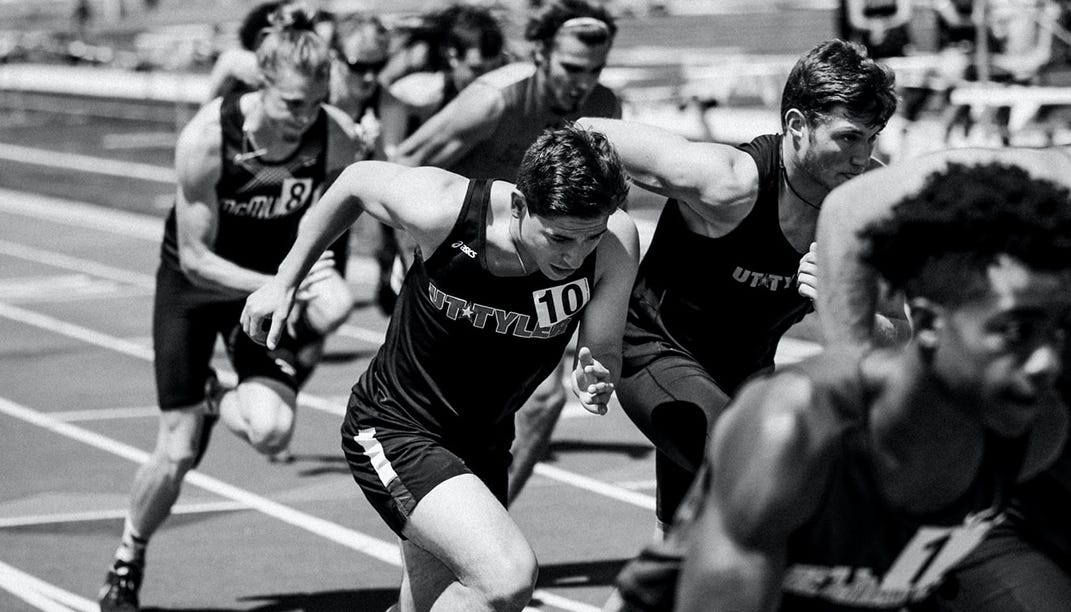
Credit: medium.com
Techniques For Effective Sprinting
Sprinting can help build muscle effectively. Fast runs activate fast-twitch muscle fibers, promoting growth. Short bursts of speed combined with good form enhance muscle strength.
Sprinting can be an effective way to build muscle. It engages multiple muscle groups and boosts metabolism. To maximize results, understanding proper techniques is essential. Sprinting requires precision and discipline. Focus on form, posture, and interval strategies for optimal outcomes.Proper Form And Posture
Using correct form prevents injury and enhances performance. Keep your head up and eyes forward. Maintain a relaxed shoulder position. Arms should move in a straight line, not across your body. Tighten your core and keep your back straight. Engage your legs fully, driving your knees upward. Your foot should land on the ball, not the heel.Interval Training Strategies
Interval training builds muscle effectively. Alternate between high-intensity sprints and recovery periods. This boosts endurance and muscle growth. Start with short sprints, around 30 seconds. Follow with a minute of walking or slow jogging. Gradually increase the sprint duration as you progress. Mix sprint distances to challenge different muscle groups.Nutritional Support For Muscle Growth
Sprinting can enhance muscle growth through intense bursts of energy. It stimulates fast-twitch muscle fibers, promoting strength and size. Coupled with proper nutrition, sprinting supports muscle development effectively.
Nutritional support plays a crucial role in muscle growth, especially when you’re sprinting to build muscle. Your diet is like the fuel that powers your engine, ensuring your muscles recover and grow effectively. Without the right nutrients, your body may struggle to keep up with the demands of sprinting. Let’s explore how you can optimize your nutrition for better muscle growth.Protein Intake
Protein is the building block of muscle. When you sprint, your muscles undergo stress and need protein to repair and grow stronger. Aim to include high-quality protein sources in your meals, such as chicken, fish, tofu, and beans. Consider timing your protein intake. Consuming protein within 30 minutes after your sprint can boost recovery. You might find a protein shake handy for this quick post-workout fix. Experiment with different protein-rich recipes to keep your diet exciting. Grilled chicken with quinoa or a chickpea salad can be delicious options.Hydration And Recovery
Hydration is often overlooked but is critical for muscle recovery. Sprinting leads to sweat loss, which can dehydrate your muscles and hinder growth. Keep a water bottle close and sip regularly throughout the day. Enhance your hydration by adding electrolytes. Coconut water or sports drinks can replenish lost minerals and aid in recovery. Listen to your body’s signals. If you feel sluggish or tired, you might need more fluids. Reflect on your hydration habits and adjust as needed. By focusing on these nutritional aspects, you can support your sprinting efforts and promote muscle growth more effectively. How do you plan to adjust your diet to maximize your muscle gains?Common Myths About Sprinting And Muscle Gain
Sprinting is often associated with speed, agility, and high-intensity workouts. But when it comes to building muscle, a cloud of myths surrounds this powerful exercise. Let’s debunk some common misconceptions about sprinting and muscle gain that might be holding you back from reaping its full benefits.
Myth Of Bulky Legs
A common fear is that sprinting will lead to overly bulky legs, especially for those who prefer a leaner look. In reality, sprinting builds lean muscle mass, resulting in toned and defined legs rather than bulk. Think of sprinters like Usain Bolt—muscular yet not excessively bulky.
Additionally, sprinting engages your fast-twitch muscle fibers, which are responsible for explosive movements. This engagement enhances muscle tone and strength without the bulk associated with traditional weightlifting. If you’re looking to tone your legs, sprinting might be your secret weapon.
Clarifying Fat Loss Vs. Muscle Gain
Another myth is the confusion between fat loss and muscle gain through sprinting. Many assume that sprinting only burns fat and does not contribute to muscle growth. However, the intense nature of sprinting can stimulate muscle growth while simultaneously promoting fat loss.
When you sprint, your body undergoes a process called EPOC (Excess Post-exercise Oxygen Consumption). This process continues to burn calories even after your workout ends, aiding both fat loss and muscle gain. So, if you’re aiming for a lean, muscular physique, incorporating sprinting into your routine can be highly effective.
Have you ever considered how a simple sprint can transform your fitness goals? By understanding the myths versus realities, you can harness the true power of sprinting for both muscle gain and fat loss.
Success Stories And Case Studies
Exploring the link between sprinting and muscle growth reveals compelling success stories. Case studies show how sprinting can enhance muscle development effectively.
Success stories and case studies show sprinting’s muscle-building potential. Real-life experiences and scientific research provide evidence. These insights inspire many to start sprinting. They reveal the power of speed work in transforming bodies.Athlete Testimonials
Many athletes share their sprinting success stories. They talk about increased muscle mass and improved strength. For example, professional sprinters often note enhanced leg muscles. Their thighs and calves get more defined and stronger. They also highlight better endurance and agility. Some athletes started as long-distance runners. They switched to sprinting and saw major changes. Their muscles became more pronounced. They report feeling more powerful and energetic. Sprinting offered a new dimension to their training.Scientific Studies
Research backs up these athlete experiences. Studies show sprinting boosts muscle growth. Short, intense bursts of activity engage muscle fibers. This leads to muscle hypertrophy. Research indicates sprinting activates fast-twitch muscle fibers. These fibers are crucial for muscle development. One study observed participants over several weeks. Sprinting increased their muscle size and strength. The participants also experienced better overall fitness. Sprinting proved effective in building lean muscle mass. It offered benefits similar to traditional strength training.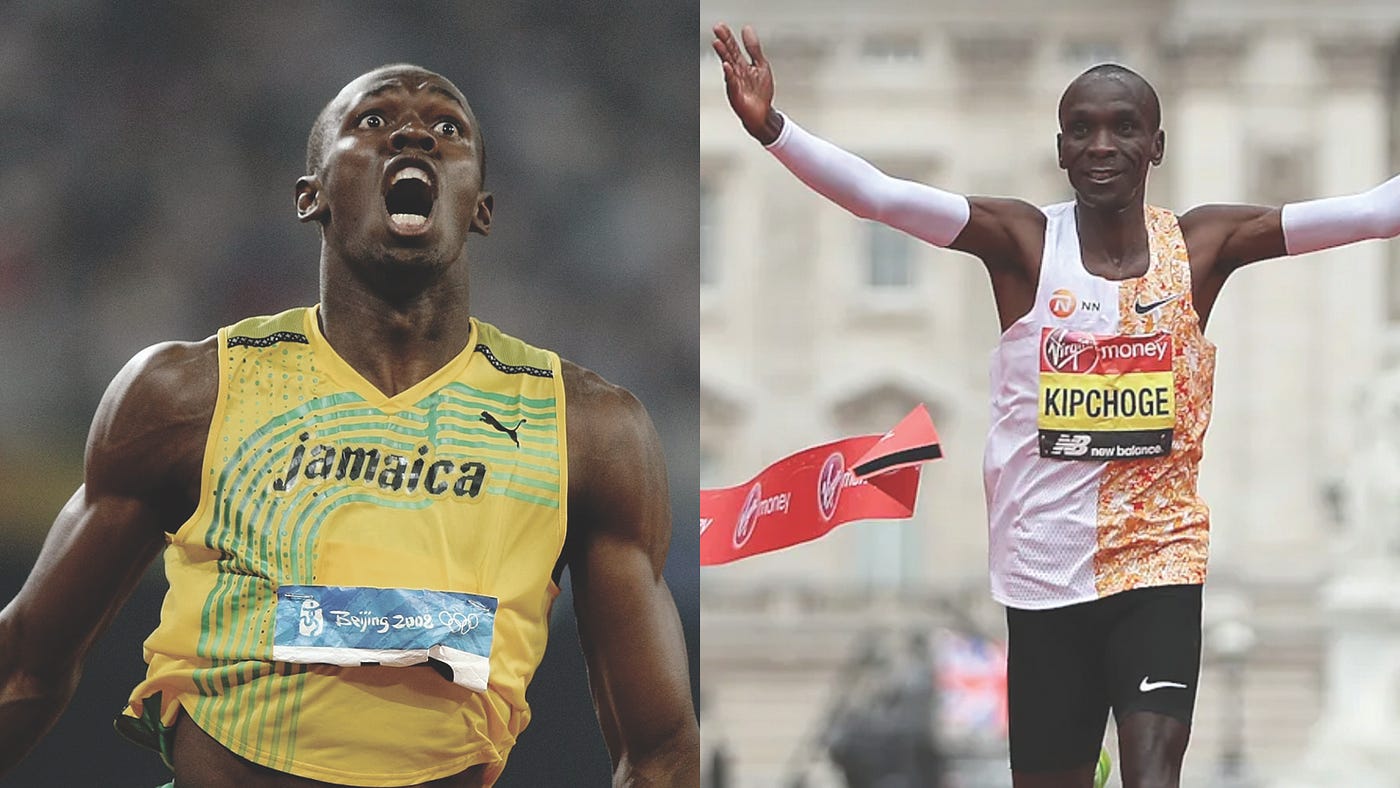
Credit: medium.com
Frequently Asked Questions
Does Sprinting Help In Muscle Growth?
Yes, sprinting can aid in muscle growth. It primarily targets fast-twitch muscle fibers, promoting muscle hypertrophy. The explosive movements involved in sprinting stimulate muscle growth in the legs, glutes, and core. Incorporating sprinting into your fitness routine can enhance muscle definition and strength effectively.
How Often Should I Sprint For Muscle Gain?
For muscle gain, sprinting 2-3 times a week is ideal. This frequency allows adequate recovery between sessions. Each sprint session should include proper warm-ups and cooldowns. Combining sprinting with strength training further enhances muscle-building results. Listen to your body and adjust frequency as needed.
Which Muscles Benefit From Sprinting?
Sprinting primarily benefits the lower body muscles. Key muscles engaged include quadriceps, hamstrings, calves, and glutes. It also activates the core muscles, providing a full-body workout. Regular sprinting helps in developing strength, power, and muscle definition in these areas.
Can Sprinting Replace Weightlifting For Muscle Growth?
Sprinting and weightlifting serve different purposes. While sprinting builds explosive strength and targets fast-twitch fibers, weightlifting focuses on hypertrophy and muscle endurance. Combining both can optimize muscle growth. Sprinting alone may not replace the comprehensive muscle development achieved through weightlifting.
Conclusion
Sprinting helps build muscle by engaging fast-twitch fibers. These fibers grow with high-intensity workouts. Muscle gains also depend on diet and recovery. Sprinting offers a quick, effective muscle-building option. It’s accessible and requires no equipment. Regular practice can enhance muscle strength and endurance.
Pair sprints with strength training for better results. Listen to your body and avoid overtraining. Start with short distances and gradually increase. Consistency is key in muscle development. Sprinting is a valuable addition to fitness routines. Stay active, eat well, and enjoy the benefits.