Have you ever found yourself reaching for a can of Diet Pepsi, curious about what you’re actually consuming? You’re not alone.
With so many beverages boasting low-calorie and sugar-free labels, it’s only natural to wonder about the real nutritional facts behind your favorite fizzy drink. Understanding these details can help you make more informed choices about what you put into your body.
Dive into the world of Diet Pepsi’s nutrition facts with us, and discover how this popular soda fits into your lifestyle. By the end of this article, you’ll have a clearer picture of what you’re sipping on, and whether it aligns with your health goals. Keep reading to uncover the truth behind every can.
Ingredients Breakdown
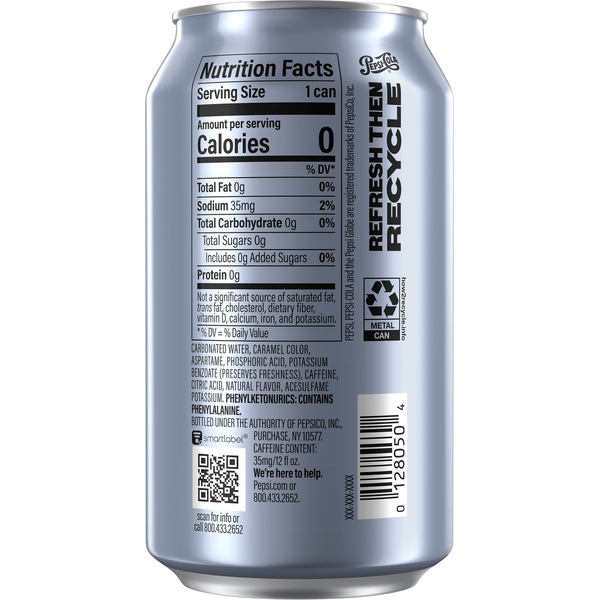
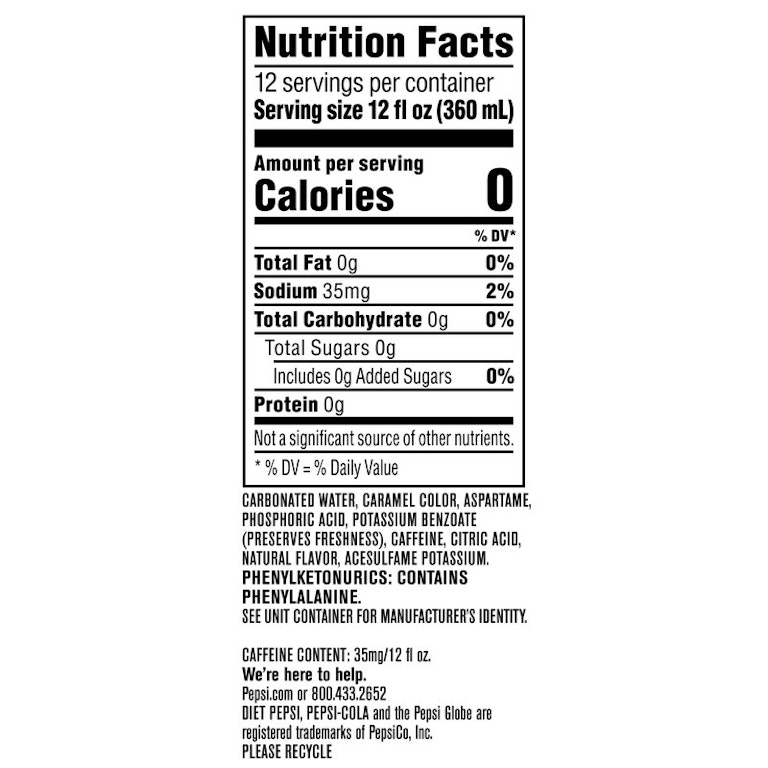
A can of Diet Pepsi contains carbonated water, caramel color, and artificial sweeteners like aspartame. It is free from sugar and calories, providing a refreshing taste without added sugars.
Understanding the ingredients in your favorite can of Diet Pepsi can help you make more informed choices about what you drink. Each ingredient plays a role in creating the taste and experience you love. Let’s break down these components and see what goes into your refreshing sip of Diet Pepsi.Carbonated Water
Carbonated water is the foundation of Diet Pepsi. It’s just regular water infused with carbon dioxide gas. This gives the drink its signature fizz and refreshing feel. Have you ever wondered why that first sip is so satisfying? It’s the bubbles. They not only tickle your tongue but also enhance the flavors, making each sip an enjoyable experience.Artificial Sweeteners
Diet Pepsi uses artificial sweeteners to achieve its sweetness without adding calories. The most common sweeteners are aspartame and acesulfame potassium. These sweeteners are hundreds of times sweeter than sugar. Many people choose diet sodas to reduce calorie intake. Do you ever pause to think about how these sweeteners impact the taste and your diet? They provide the sweetness without the sugar spike, allowing you to enjoy the taste guilt-free.Acidulants
Acidulants like phosphoric acid and citric acid give Diet Pepsi its tangy edge. These acids are crucial for balancing sweetness and providing that sharp kick. They also play a role in preserving the beverage. Next time you enjoy a can, consider how these ingredients help maintain the drink’s freshness and taste over time.Flavorings
Flavorings are what give Diet Pepsi its unique cola taste. This complex mix of ingredients includes natural and artificial flavors. They work together to create a distinctive profile that Pepsi fans recognize instantly. Have you ever tried to pinpoint the exact flavors in your soda? While it’s a trade secret, the blend of flavors ensures that every can tastes just right, making it a staple in your fridge.
Credit: shopwoodmans.com
Caloric Content
Diet Pepsi is a popular choice for those watching calories. It offers a refreshing taste without the guilt of extra calories. Understanding its caloric content helps in planning a balanced diet.
Zero-calorie Sweeteners
Diet Pepsi uses sweeteners like aspartame and acesulfame potassium. These provide sweetness without adding calories. Aspartame is a common choice in diet drinks. It is safe for most people. Acesulfame potassium complements aspartame. Together, they deliver a sweet taste similar to sugar.
Impact On Weight Management
Diet Pepsi can be part of a weight management plan. Its zero-calorie nature helps reduce overall calorie intake. Substituting regular soda with Diet Pepsi can lower daily calorie consumption. This is beneficial for those aiming to lose or maintain weight. It’s important to balance diet choices with physical activity. Drinking Diet Pepsi alone won’t ensure weight loss.
Sweetener Details
Diet Pepsi is a popular choice for those seeking a sugar-free soda. Its sweetness comes from artificial sweeteners, which help maintain its taste without adding calories. Understanding these sweeteners can help you make informed choices.
Aspartame
Aspartame is one of the main sweeteners in Diet Pepsi. It is widely used because it mimics the taste of sugar closely. Aspartame is about 200 times sweeter than sugar. This means only a small amount is needed to sweeten your drink. While generally considered safe, some people are sensitive to it. They may experience headaches or dizziness. It’s always a good idea to monitor how your body reacts.
Sucralose
Sucralose is another sweetener in Diet Pepsi. It is known for being calorie-free and not affecting blood sugar levels. Sucralose is about 600 times sweeter than sugar. Like aspartame, it allows for less use and maintains sweetness. Many people choose sucralose for its stability under heat, making it suitable for cooking or baking. Some consumers report a slight aftertaste. But many find it acceptable due to its benefits.
Credit: hy-vee.com
Health Implications
Understanding the health implications of consuming a can of Diet Pepsi can help you make informed choices about your diet. While it offers a calorie-free alternative to regular soda, there are several factors to consider. Is reaching for that can the best option for your health?
Metabolic Effects
Diet Pepsi uses artificial sweeteners like aspartame, which can have varying effects on your metabolism. Although it’s marketed as sugar-free, studies suggest that artificial sweeteners may still trigger insulin responses. This could potentially affect your weight management goals.
Personal experiences vary widely. Some find they can enjoy Diet Pepsi without any changes to their weight or energy levels, while others notice an impact. How does your body react?
It’s worth noting that your body might interpret the sweetness as sugar, leading to cravings for sugary foods. Could this be why you’re reaching for that extra snack?
Dental Health Considerations
Diet Pepsi is acidic, which can affect your dental health. Acidity can lead to the erosion of tooth enamel, potentially resulting in cavities or sensitivity. Even though it’s sugar-free, the acidic nature can still be harmful.
Think about how often you drink soda. If it’s a regular part of your day, it might be worth reconsidering to protect your teeth.
Consider using a straw to minimize contact with your teeth or rinsing your mouth with water after drinking. These small changes could make a big difference.
Caffeine Content
Diet Pepsi offers a refreshing taste with a kick of caffeine. It is a popular choice for those who want a boost without extra calories. Understanding its caffeine content helps you manage your daily intake. Let’s explore how it compares to other drinks.
A can of Diet Pepsi contains about 35 mg of caffeine. This is a moderate amount for a soft drink. It provides a gentle energy lift without overwhelming your senses. Caffeine is a natural stimulant that can improve focus and alertness.
Stimulant Effects
Caffeine stimulates the central nervous system. It can make you feel more awake. It may also enhance concentration during work or study. Some people experience increased heart rate. It’s important to consume it in moderation.
Comparison With Regular Pepsi
Regular Pepsi has similar caffeine content, about 38 mg per can. The difference is small but noticeable for sensitive individuals. Both drinks offer a caffeine boost. Diet Pepsi is calorie-free, making it a preferred choice for some.
Sodium Levels
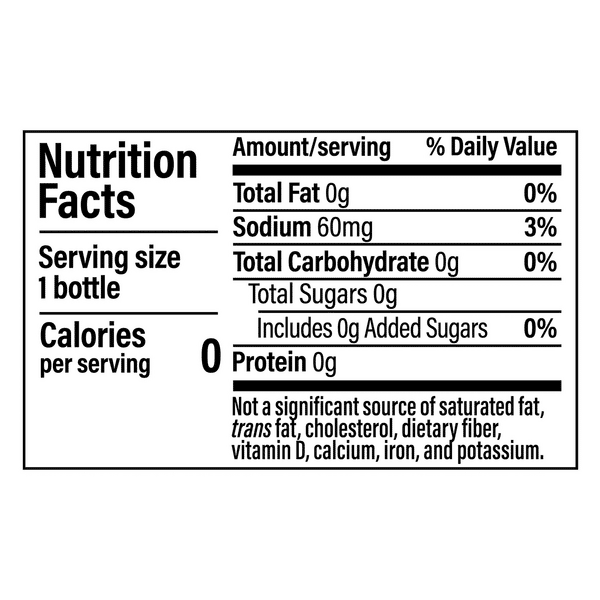
Sodium levels in a can of Diet Pepsi are low, typically around 35 milligrams. This makes it a suitable choice for those monitoring sodium intake.
When you pop open a can of Diet Pepsi, you’re probably focused on the refreshing taste rather than the sodium content. But understanding the sodium levels in your favorite drinks can be crucial for maintaining a healthy lifestyle. Sodium is an essential mineral, yet consuming too much can lead to health issues. So, how does a can of Diet Pepsi stack up in terms of sodium?Daily Intake Recommendations
A standard can of Diet Pepsi contains around 35 mg of sodium. To put this into perspective, the American Heart Association recommends no more than 2,300 mg of sodium per day for an average adult, with an ideal limit of 1,500 mg for most adults. A single can might seem negligible, but if you’re enjoying multiple cans a day, it adds up quickly. Think about your entire day’s meals and snacks. Is your sodium intake creeping up without you realizing it? Keeping track can help you make informed choices about your diet.Potential Health Risks
Excessive sodium intake is linked to various health issues. High blood pressure, heart disease, and stroke are some of the most serious risks. You might not feel the effects immediately, but over time, the consequences can be significant. How often do you evaluate the sodium content in your diet? Even small changes can make a big difference in your long-term health. Opt for low-sodium alternatives when possible and keep an eye on your daily consumption. By staying informed about sodium levels in beverages like Diet Pepsi, you can make smarter choices that benefit your health. Your body will thank you for the attention you give it today!Impact On Hydration
When reaching for a cold can of Diet Pepsi, hydration might not be the first thing on your mind. However, understanding how this popular beverage affects your body’s water balance is crucial. While it might seem like just another refreshing drink, its components can influence your hydration levels in unexpected ways.
Diuretic Effects
Diet Pepsi contains caffeine, a known diuretic. This means it can increase urine production, potentially leading to a decrease in your body’s hydration levels. As you enjoy your soda, consider how often you might be running to the bathroom. Is the convenience of caffeine worth the potential dehydration?
It’s important to recognize that diuretics can contribute to fluid loss. While it’s not as intense as coffee, the caffeine content in Diet Pepsi can still nudge your hydration balance. If you’re trying to stay hydrated, it’s worth monitoring your intake.
Hydration Alternatives
Instead of reaching for a Diet Pepsi, consider other hydrating options. Water is always a reliable choice, but there are other alternatives that might surprise you with their refreshing qualities. Herbal teas, infused waters, and coconut water can provide hydration without the diuretic effects.
If you’re craving flavor, try adding slices of lemon or cucumber to your water. These simple additions can make hydration more enjoyable and ensure you’re not missing out on taste. How do you currently keep your hydration levels in check?
Exploring new ways to stay hydrated can be a fun challenge. By swapping your Diet Pepsi for a healthier option, you might find improved energy levels and overall wellness. What will you try next in your quest for better hydration?
Credit: www.gianteagle.com
Frequently Asked Questions
What Are Diet Pepsi’s Nutritional Components?
Diet Pepsi contains zero calories and no sugar. It includes carbonated water, caramel color, phosphoric acid, and aspartame. Aspartame is a sugar substitute that provides sweetness without calories. The beverage is often favored by those seeking a low-calorie alternative to regular soda.
Does Diet Pepsi Have Caffeine?
Yes, Diet Pepsi contains caffeine. The caffeine content is approximately 35 mg per 12 fl oz can. This amount is similar to other diet sodas. Caffeine is commonly consumed for its stimulating effects, making Diet Pepsi a popular choice for those needing a quick energy boost.
Is Diet Pepsi Safe For Diabetics?
Diet Pepsi is generally safe for diabetics due to its zero sugar content. It uses aspartame as a sweetener, providing sweetness without affecting blood sugar levels. However, it’s always advisable for diabetics to consult healthcare providers before introducing new beverages to their diet.
How Many Calories Are In A Can Of Diet Pepsi?
A can of Diet Pepsi contains zero calories, making it a popular choice for calorie-conscious individuals. The absence of sugar and calories makes it an ideal beverage for those looking to reduce caloric intake while still enjoying the taste of soda.
Conclusion
Understanding Diet Pepsi’s nutrition facts helps make informed choices. It offers a low-calorie option with a familiar taste. Aspartame replaces sugar, reducing calorie intake. Caffeine provides a mild energy boost. Sodium levels are relatively low. Always check labels for specific dietary needs.
Moderation is key in any diet. Knowing these facts can aid in better health decisions. Remember to balance with other nutritional foods. Enjoy your beverage wisely. Stay informed and enjoy responsibly.