Are you trying to navigate the complexities of the Autoimmune Protocol (AIP) diet and wondering if you can enjoy nutritional yeast? You’re not alone.
Many people on this diet are curious about incorporating nutritional yeast without compromising their health goals. This golden, cheesy-flavored ingredient is popular for its nutritional benefits and unique taste. But is it AIP-friendly? You’ll discover whether nutritional yeast can find a place in your AIP diet, while unraveling the mysteries behind its nutritional profile.
Stay with us as we explore what you need to know, helping you make informed choices for your dietary journey.
Understanding The Aip Diet
Navigating the AIP diet can be tricky. Nutritional yeast often raises questions due to its origins. While it’s rich in B vitamins, its safety on the AIP diet isn’t guaranteed. Understanding its impact on your health is crucial before adding it to your meal plan.
Understanding the AIP Diet The AIP diet, or Autoimmune Protocol diet, helps manage autoimmune diseases. It focuses on reducing inflammation and healing the gut. This diet eliminates foods that may trigger immune responses. It’s a stricter version of the paleo diet.Purpose Of The Aip Diet
The main goal is to lower inflammation. It aims to calm the immune system. The diet helps identify food sensitivities. It supports gut health and overall well-being. People with autoimmune conditions may find relief.Foods Allowed On Aip
The AIP diet includes nutrient-rich foods. These foods support healing and reduce inflammation. Some options include:- Meat and fish, especially grass-fed and wild-caught
- Vegetables, excluding nightshades
- Fruits, in moderation
- Fermented foods like sauerkraut
- Herbs and spices, avoiding seeds

Credit: fullyhealthy.com
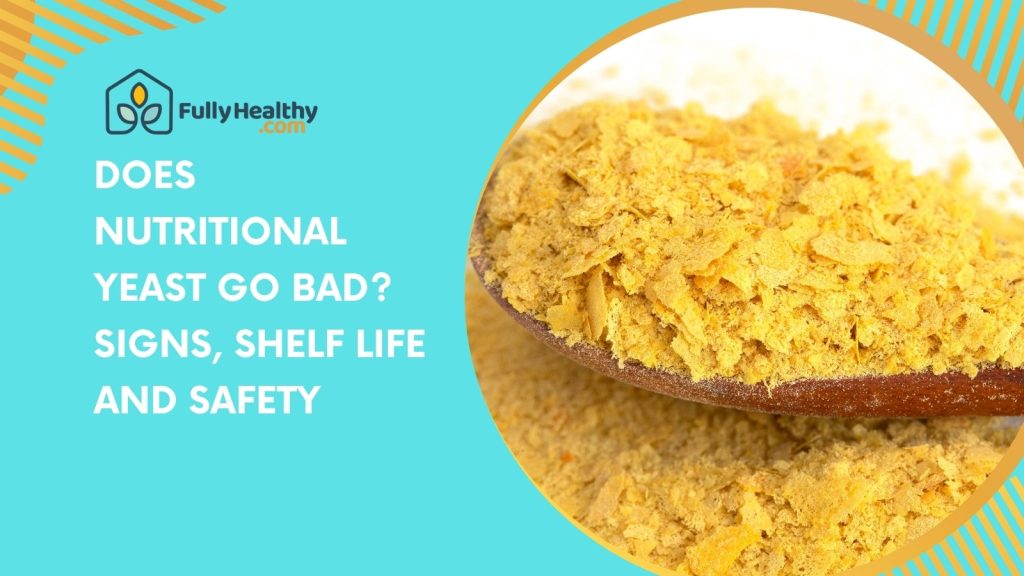
What Is Nutritional Yeast?
Nutritional yeast is a deactivated yeast rich in vitamins and minerals, often used for its cheesy flavor. On the AIP diet, it is generally avoided due to potential immune responses, but some individuals may tolerate it well. Always consult with a healthcare professional before adding it to your diet.
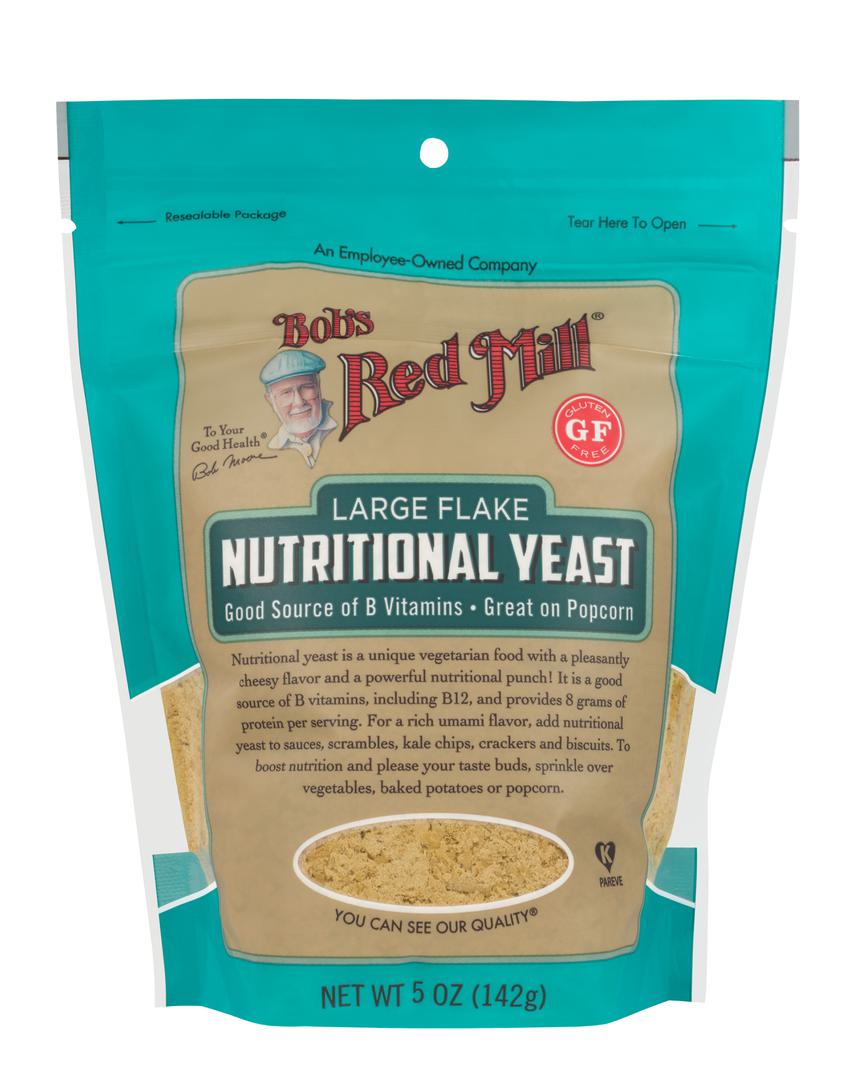
What is Nutritional Yeast? Nutritional yeast is a popular food product. It is known for its savory flavor. Many vegetarians and vegans use it as a cheese substitute. It is not the same as baking yeast. Nutritional yeast comes from Saccharomyces cerevisiae, a type of yeast. It is grown, harvested, and then deactivated. This process makes it safe to eat and easy to digest.Composition Of Nutritional Yeast
Nutritional yeast is rich in vitamins and minerals. It contains B-complex vitamins, including B12. B12 is essential for energy and brain health. It also provides protein and fiber. Protein supports muscle growth and repair. Fiber aids digestion and keeps you feeling full. Some brands may add extra nutrients. Always check labels for added ingredients.Health Benefits
Nutritional yeast offers various health benefits. It supports a healthy immune system. The vitamins in it boost energy levels. It can improve skin health and promote hair growth. It may help reduce cholesterol levels. The fiber content supports gut health. It can be a tasty addition to many dishes.Compatibility With Aip Diet
The Autoimmune Protocol (AIP) diet aims to reduce inflammation. It helps people with autoimmune diseases. Nutritional yeast is a popular food ingredient. Many want to know if it fits the AIP diet. This section explores its compatibility. It covers benefits, concerns, and recipes.
Potential Benefits And Concerns
Nutritional yeast is rich in vitamins. It contains B12, which boosts energy. It also supports nerve health. These nutrients help the body function well. Many find it tasty. It adds a cheesy flavor without dairy.
There are concerns with nutritional yeast. It comes from a fungus. Some say it triggers immune responses. For those on AIP, this is a concern. It’s important to test how your body reacts.
Nutritional Yeast In Aip Recipes
Many AIP recipes use nutritional yeast. It adds flavor to meals. You can sprinkle it on roasted vegetables. It enhances soups and stews. Using it in moderation is key.
Try mixing it with cauliflower rice. It gives a cheesy taste without cheese. Experiment with small amounts first. See how your body responds. This approach lets you enjoy its benefits safely.
Credit: www.bobsredmill.com
Alternatives To Nutritional Yeast
For those on the AIP diet, nutritional yeast is off-limits. Yet, its cheesy flavor is hard to forget. Thankfully, there are alternatives that fit AIP guidelines. These substitutes can satisfy your cravings without breaking your diet.
Aip-friendly Seasonings
AIP-friendly seasonings can replace the savory taste of nutritional yeast. Garlic powder brings a robust flavor to dishes. It pairs well with almost any meal. Use turmeric for a warm, earthy taste. It also adds a beautiful color to your food. Dill weed offers a hint of citrus and is perfect for salads and soups. All these choices are AIP-compliant and enhance flavor naturally.
Flavor Enhancers
Flavor enhancers provide depth and richness to your meals. Coconut aminos serve as a great substitute for soy sauce. It’s slightly sweet with a touch of umami. Another option is apple cider vinegar. It adds tanginess and complexity to any dish. Bone broth is rich and flavorful, ideal for soups and stews. These enhancers keep your meals delicious without nutritional yeast.
Expert Opinions And Recommendations
Nutritional yeast is often debated in the AIP diet community. Some experts suggest avoiding it due to potential immune reactions. Others believe it’s safe in moderation if tolerated well.
When considering the Autoimmune Protocol (AIP) diet, many people wonder about the inclusion of nutritional yeast. It’s a popular ingredient known for its cheesy flavor and nutrient density. However, its compatibility with the AIP diet isn’t straightforward. Expert opinions and recommendations can provide clarity and guidance.Insights From Nutritionists
Nutritionists often have differing views on whether nutritional yeast should be part of your AIP diet. Some believe it can be beneficial due to its high levels of B vitamins and protein. They suggest it’s a great way to add flavor without inflammatory dairy products. However, others caution against it. They point out that nutritional yeast is a processed product, which might not align with the whole food focus of the AIP diet. It’s crucial to consult a healthcare provider to see if it fits your specific dietary needs.Community Experiences
Many in the AIP community share their personal experiences with nutritional yeast. Some report positive outcomes, stating it helps them stick to their diet by enhancing flavor. They find it particularly useful in making AIP-friendly cheese sauces and toppings. On the other hand, a few members have experienced flare-ups, attributing them to the yeast. It’s a reminder that individual reactions can vary widely. Have you tried nutritional yeast on your AIP journey? Your experience could add another layer to this ongoing discussion. Your journey with the AIP diet is personal. Listening to both experts and fellow community members can help you make informed choices that best suit your health.
Credit: www.amazon.com
Frequently Asked Questions
Is Nutritional Yeast Allowed On Aip Diet?
Nutritional yeast is not typically allowed on the AIP diet. The diet restricts foods that can trigger inflammation. Yeast can be problematic for some individuals. Always consult with a healthcare professional before making dietary changes.
Why Is Nutritional Yeast Restricted On Aip?
Nutritional yeast may cause reactions due to its yeast content. The AIP diet aims to reduce inflammatory foods. Yeast can aggravate certain autoimmune conditions. It’s best to avoid it unless advised otherwise.
Can I Substitute Nutritional Yeast On Aip Diet?
Yes, you can substitute nutritional yeast with herbs or spices. Nutritional yeast is used for flavor enhancement. Try garlic powder or fresh herbs for a similar taste. Ensure all substitutes are compliant with AIP guidelines.
What Are Aip-friendly Yeast Alternatives?
AIP-friendly alternatives include garlic powder, turmeric, and fresh herbs. These ingredients can add flavor without inflammatory risks. They are safe and compatible with the AIP diet. Always check if they align with your personal dietary needs.
Conclusion
Nutritional yeast can be tricky on the AIP diet. Some people tolerate it. Others may not. Always test small amounts first. Listen to your body’s response. Check with a healthcare professional if unsure. Nutritional needs vary from person to person.
Find what works best for you. A balanced diet is key. Stay informed and make wise choices. The AIP journey can be challenging. But it’s worth the effort for better health. Remember, your health comes first. Keep learning and adapting.
Achieve a diet that supports your well-being. Stay committed to your health goals.