
Do you ever feel like your energy levels just can’t keep up with your ambitions? You might be hitting the gym, but your cardio endurance seems to lag behind.
If you’re nodding in agreement, it’s time to explore a possible link you might not have considered: hypothyroidism. This condition, often associated with fatigue and weight gain, might be the hidden factor behind your struggle with poor cardio endurance. Understanding this connection could be the key to reclaiming your energy and enhancing your performance.
Curious about how hypothyroidism could be affecting your stamina? Let’s dive deeper to uncover the answers you need to boost your cardio endurance and overall well-being.
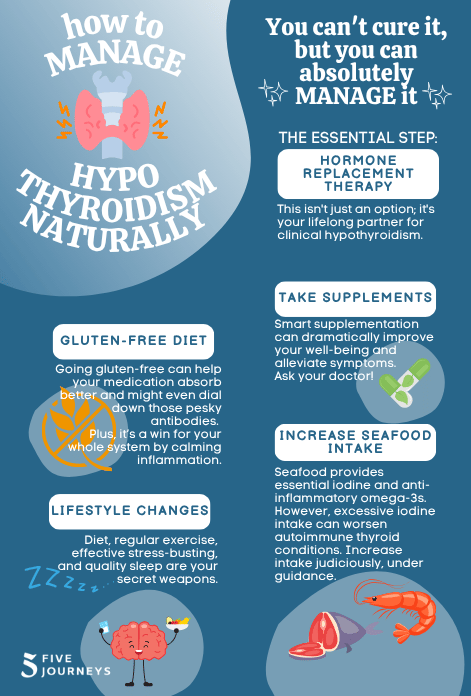
Credit: fivejourneys.com
Hypothyroidism And Its Impact
Hypothyroidism can lead to poor cardio endurance due to slowed metabolism and reduced energy levels. Fatigue and muscle weakness often accompany the condition, impacting exercise capacity. Regular monitoring and proper treatment can help manage symptoms and improve physical performance.
Hypothyroidism and Its Impact Hypothyroidism is a condition where the thyroid gland doesn’t produce enough hormones. These hormones are crucial for regulating metabolism. When they’re lacking, your body’s energy levels can dip significantly. As someone who’s experienced hypothyroidism, I’ve noticed how my cardio endurance suffered. Running a mile felt like climbing a mountain. It’s not just physical; it’s mental too. The exhaustion can make even the thought of exercise daunting.How Hypothyroidism Affects Energy Levels
Thyroid hormones are like fuel for your body’s engine. Without them, everything slows down. This can lead to fatigue and a lack of stamina. You might find yourself out of breath quicker than usual during physical activities. Have you ever wondered why you’re constantly tired? It’s not just in your head. Hypothyroidism could be the underlying cause.Impact On Cardiovascular Health
A sluggish thyroid can affect your heart too. It might slow your heart rate and lower blood pressure. This can make it harder to maintain cardio endurance during exercise. Regular check-ups can help monitor these changes. It’s crucial to understand how your body reacts to hypothyroidism.Personal Experience With Exercise Challenges
Before my diagnosis, I loved cycling. But hypothyroidism changed that. I struggled with hills and long rides. It was frustrating, but understanding my condition helped me adapt. Have you faced similar challenges? Sharing experiences can be a great way to learn and support each other.Strategies To Improve Endurance
Managing hypothyroidism requires a balanced approach. Here are some tips:- Follow a healthy diet rich in nutrients.
- Consult with your doctor about medication adjustments.
- Consider gentle exercises like yoga or walking to build endurance gradually.

Credit: www.restartmed.com
Symptoms Affecting Cardio Endurance
Hypothyroidism can be an unsuspected culprit behind your dwindling cardio endurance. When your thyroid isn’t producing enough hormones, it can lead to several symptoms that affect your ability to sustain physical activity. These symptoms can make it challenging to keep up with your usual cardio routine and may leave you wondering why you tire so easily.
Fatigue And Lethargy
Feeling tired all the time? You’re not alone. Fatigue is a common symptom of hypothyroidism and can severely impact your cardio endurance. It’s like trying to run a marathon with weights tied to your ankles. Your energy levels drop, making even a brisk walk feel like a daunting task.
Imagine trying to push through a workout when your body is begging for rest. This perpetual tiredness isn’t just physical—it’s mental too. You might find it hard to motivate yourself to exercise, leading to a cycle of inactivity and further reduced endurance.
Muscle Weakness
Have you noticed your muscles feeling weaker than usual? Hypothyroidism can cause muscle weakness, making it harder to perform cardio exercises. Your muscles may not recover as quickly, leaving you feeling sore and less capable of maintaining your usual pace.
This weakness can affect your performance in activities like cycling or running, where strong muscles are essential for endurance. It’s frustrating to feel your body lagging behind your willpower, but understanding this symptom can help you find ways to adapt your workouts.
Are you experiencing these symptoms? It’s important to consult with your healthcare provider. They can guide you on managing hypothyroidism and improving your cardio endurance. Could adjusting your exercise routine or diet help you regain your stamina?
Hormonal Influence On Cardiovascular Health
The relationship between hormones and cardiovascular health is intricate and impactful. If you’ve ever experienced a slight flutter in your chest or noticed your heart pounding during a routine walk, it could be more than just anxiety or excitement. Your thyroid hormones might be playing a significant role in these experiences, directly influencing your cardiovascular endurance and overall heart health.
Thyroid Hormones And Heart Rate
Thyroid hormones, primarily T3 and T4, are crucial in regulating your heart rate. An underactive thyroid, or hypothyroidism, leads to a deficiency in these hormones, often resulting in a slower heart rate. This can make your heart less efficient at pumping blood, leading to fatigue and reduced exercise endurance.
Imagine preparing for a run and finding your usual pace feels much harder to maintain. Your heart’s response to exercise is less robust, making it challenging to keep up. Paying attention to these signs can be vital in managing your thyroid health and maintaining a healthy heart rate.
Blood Pressure Changes
Hypothyroidism doesn’t just affect your heart rate—it can also influence your blood pressure. Often, individuals with low thyroid hormone levels experience elevated diastolic blood pressure. This can be a silent but significant contributor to cardiovascular strain.
Consider a scenario where you feel dizzy after standing up quickly. This might be a subtle indication of blood pressure fluctuations linked to thyroid imbalance. Monitoring these symptoms can help you take proactive steps, like discussing with your healthcare provider about potential thyroid treatments to stabilize your cardiovascular health.
Are you noticing any unusual patterns in your heart rate or blood pressure? Understanding the hormonal influence on your cardiovascular system is key to maintaining not just endurance but overall heart health. Stay attentive to these changes and consult with professionals to ensure your thyroid levels are in check.
Scientific Studies And Findings
When considering the link between hypothyroidism and poor cardio endurance, scientific studies offer valuable insights. Researchers have explored how this condition affects physical performance and cardio fitness. These studies provide a clearer picture of the challenges faced by individuals with hypothyroidism.
Research On Physical Performance
Numerous studies have examined the impact of hypothyroidism on physical performance. Findings suggest that low thyroid hormone levels can lead to decreased muscle strength and endurance. This can make everyday activities feel more taxing, affecting overall energy levels.
One study highlighted that individuals with untreated hypothyroidism experienced fatigue more quickly during physical tasks. This fatigue is often linked to impaired energy metabolism in muscles. Such insights underline the importance of managing thyroid levels to maintain physical performance.
Cardio Fitness Assessments
Cardio fitness assessments have been pivotal in understanding the endurance challenges faced by those with hypothyroidism. These assessments often reveal lower VO2 max levels, indicating reduced oxygen uptake by muscles during exercise.
In practical terms, this means that activities requiring sustained effort, like running or cycling, may feel significantly harder. Addressing this, some studies recommend tailored exercise programs to gradually improve cardio endurance.
Have you ever noticed a drop in your energy during workouts? If you have hypothyroidism, these findings might explain why. Understanding these scientific insights can be the first step to developing a personalized fitness strategy that works for you.
Managing Hypothyroidism For Better Endurance
Managing hypothyroidism effectively can lead to improved cardio endurance. People with hypothyroidism often experience fatigue and reduced stamina. Addressing these symptoms is crucial for better endurance. Let’s explore how medication, diet, and lifestyle changes can help.
Medication And Treatment Options
Medication plays a vital role in managing hypothyroidism. Thyroid hormone replacement therapy is commonly prescribed. It helps regulate hormone levels, boosting energy and endurance. Regular check-ups ensure the medication is effective. Adjustments may be necessary to optimize results. Monitoring thyroid levels is essential for sustained endurance.
Diet And Lifestyle Adjustments
Diet impacts thyroid function significantly. Eating nutrient-rich foods supports thyroid health. Include iodine-rich foods like fish and dairy. Selenium is also crucial; nuts and seeds are good sources. Maintain a balanced diet to enhance energy levels. Lifestyle changes can further improve endurance. Regular exercise boosts cardiovascular health. Low-impact activities like walking or swimming are beneficial. Stress management techniques, like meditation, support overall well-being.
Role Of Exercise In Managing Symptoms
Exercise plays a vital role in managing hypothyroid symptoms. It helps improve energy levels, mood, and overall well-being. Those with hypothyroidism often experience fatigue and a lack of motivation. Regular physical activity can counteract these effects. It boosts metabolism and promotes better hormone regulation. With consistent exercise, individuals may notice improved cardio endurance.
Types Of Suitable Exercises
Choosing the right exercise is crucial for those with hypothyroidism. Low-impact activities are recommended. These include walking, swimming, and cycling. Yoga and Pilates are great options. They enhance flexibility and reduce stress. Strength training can also be beneficial. It helps build muscle and supports metabolism. Always consult a healthcare provider before starting any routine.
Benefits Of Regular Physical Activity
Engaging in regular exercise offers numerous benefits. It enhances cardiovascular health and boosts energy. Exercise improves mood and reduces stress. It supports weight management by increasing metabolism. Regular activity can improve sleep quality. It also helps in maintaining muscle strength. These benefits collectively improve overall quality of life.
Personal Stories And Experiences
Living with hypothyroidism can impact many areas of life, including fitness. Many individuals with this condition share stories of their struggles and triumphs. These personal experiences shed light on the unique challenges faced, especially in maintaining cardio endurance.
Testimonies From Hypothyroid Patients
Mary, a 34-year-old teacher, found running a daunting task. Her energy levels were always low, making it hard to keep up with her friends. “Before my diagnosis, I couldn’t understand why I was always tired,” she recalls. After treatment, Mary slowly regained her stamina. Now, she can complete a 5K run without feeling drained.
John, a retired firefighter, shares a similar story. He always enjoyed cycling, but his energy plummeted unexpectedly. “It was like riding uphill all the time,” he says. After adjusting his medication, John noticed a significant improvement. He now rides 20 miles without stopping.
Overcoming Fitness Challenges
Many face hurdles in maintaining fitness due to hypothyroidism. Sarah, a yoga enthusiast, found her flexibility decreasing. She committed to gentle stretching and meditation. This approach helped her regain balance and strength. “Patience was key,” she emphasizes.
Another patient, Mike, struggled with weight gain. He focused on a balanced diet and light aerobic exercises. These small changes made a big difference. “Consistency is more important than intensity,” he advises.
These experiences highlight the importance of personal perseverance. With determination, many overcome their fitness challenges despite hypothyroidism.
Expert Opinions
Understanding the link between hypothyroidism and cardio endurance can be challenging. Expert opinions shed light on this complex relationship. Let’s explore insights from specialists in endocrinology and fitness training.
Insights From Endocrinologists
Endocrinologists specialize in hormone-related conditions, including hypothyroidism. They explain that low thyroid hormone levels can slow metabolism. This may lead to fatigue and reduced energy levels. These symptoms can affect cardio endurance significantly. Thyroid hormones influence how the body uses oxygen during exercise. Insufficient hormones can lead to inefficient oxygen use. This results in quicker exhaustion during physical activity. Monitoring thyroid levels is crucial for those with hypothyroidism. Appropriate medication can help regulate these hormones. With treatment, many regain energy and improve endurance.
Advice From Fitness Trainers
Fitness trainers often work with clients who have hypothyroidism. They emphasize the importance of tailored exercise routines. Cardio activities should match individual energy levels and capabilities. Trainers suggest starting with low-intensity exercises. Walking, cycling, or swimming can be effective. Gradually increasing intensity helps build endurance without overwhelming the body. Listening to the body is vital. Rest is necessary when fatigue sets in. Trainers recommend regular check-ins with healthcare providers. This ensures exercise plans align with medical advice. Consistent exercise, paired with proper thyroid management, improves overall fitness.

Credit: www.drfosternutrition.com
Frequently Asked Questions
How Does Hypothyroidism Affect Cardio Endurance?
Hypothyroidism can lead to fatigue and reduced energy levels, impacting cardio endurance. The body’s metabolism slows down, making it harder to sustain prolonged physical activity. Proper management of hypothyroidism with medication and lifestyle changes can help improve energy levels and enhance cardio endurance.
Can Exercise Improve Endurance In Hypothyroid Patients?
Exercise can improve endurance in hypothyroid patients by boosting metabolism and energy levels. Regular physical activity helps increase stamina, reduces fatigue, and supports weight management. However, it’s essential to start slowly and gradually increase intensity, while closely monitoring symptoms and consulting with a healthcare provider.
What Are Symptoms Of Poor Cardio Endurance?
Symptoms of poor cardio endurance include shortness of breath, rapid heartbeat, fatigue, and muscle weakness during exercise. Hypothyroid patients may also experience difficulty in maintaining exercise routines. Addressing these symptoms with proper medical treatment and lifestyle modifications can help improve overall cardiovascular fitness and endurance.
How Is Hypothyroidism Diagnosed?
Hypothyroidism is diagnosed through blood tests measuring thyroid hormone levels. These tests typically check levels of Thyroid Stimulating Hormone (TSH) and thyroxine (T4). A healthcare provider will assess symptoms, medical history, and test results to determine the presence of hypothyroidism and recommend appropriate treatment.
Conclusion
Poor cardio endurance can link to hypothyroid issues. This condition affects energy levels. Your stamina may drop significantly. Feeling tired after short activities is common. Understanding this helps in managing symptoms. Regular check-ups are important. Consult with healthcare professionals for guidance.
Lifestyle adjustments can improve endurance. Adequate exercise and proper nutrition also aid recovery. Addressing thyroid problems may enhance overall health. Recognize symptoms early for better outcomes. Staying informed is crucial. Awareness leads to proactive health management. Remember, every individual is unique.
Personal strategies can optimize your endurance. Prioritize your well-being for a healthier life.