Are you struggling with candida overgrowth and wondering if nutritional yeast can fit into your diet? You’re not alone.
Many people facing candida issues grapple with dietary choices, trying to find that delicate balance between enjoying their meals and sticking to their health goals. Here, you’ll uncover the truth about nutritional yeast and its place in a candida diet.
You deserve clarity and confidence in your food choices. This article will guide you through the facts, debunk myths, and empower you to make informed decisions about your health. Keep reading to discover whether nutritional yeast can be a friend or foe on your candida diet journey.
Candida Diet Basics
The Candida Diet aims to reduce yeast overgrowth in the body. This diet focuses on eliminating foods that promote Candida growth. Understanding its basics helps in managing symptoms effectively.
Purpose Of The Candida Diet
The primary goal is to starve the Candida yeast. By doing so, it helps restore balance in the gut microbiome. Many people believe this diet reduces symptoms like fatigue, bloating, and infections.
Common Foods In The Diet
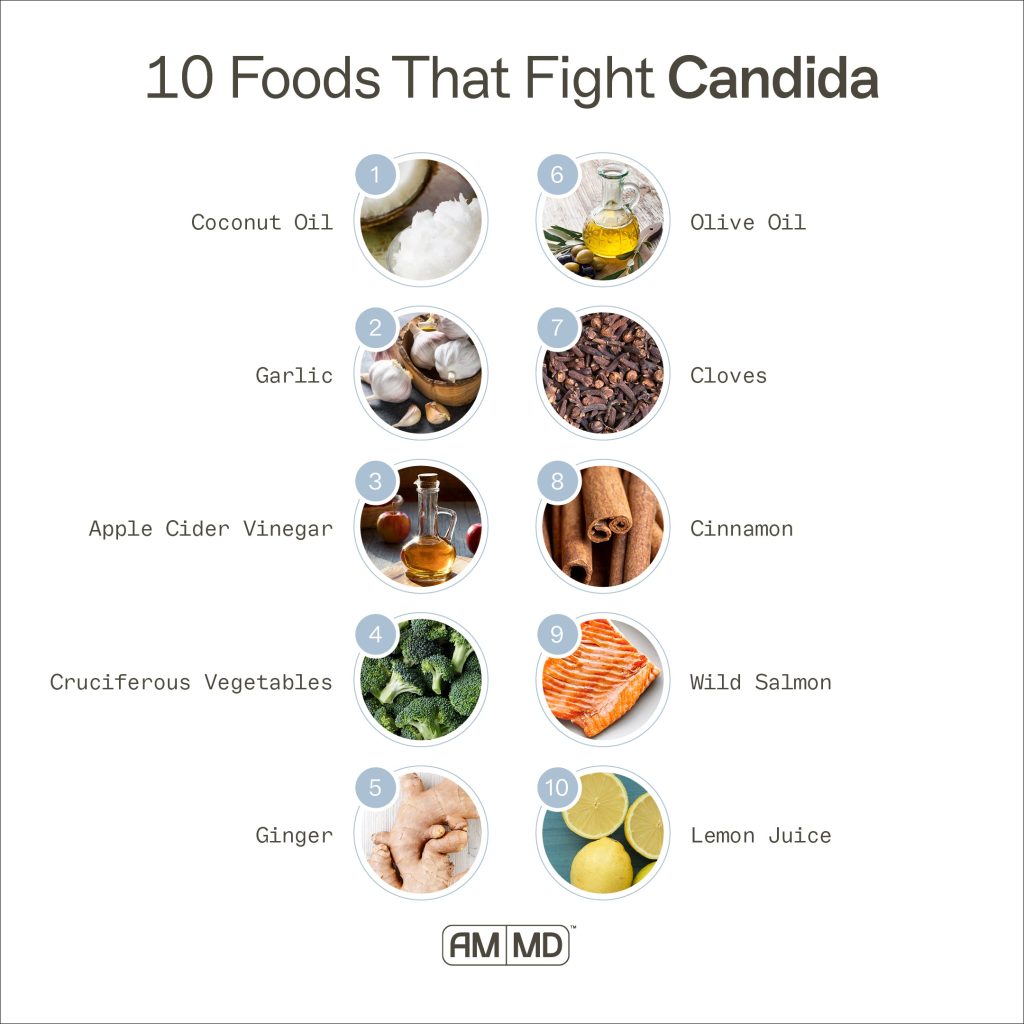
The Candida Diet includes foods low in sugar and refined carbohydrates. These foods help reduce yeast growth:
- Non-starchy vegetables like broccoli and spinach
- Lean proteins such as chicken and fish
- Healthy fats like avocados and olive oil
Some foods are restricted. These include sugary foods, alcohol, and processed grains. Avoiding these can help control Candida growth.
Credit: foodsalive.com
Nutritional Yeast Explained
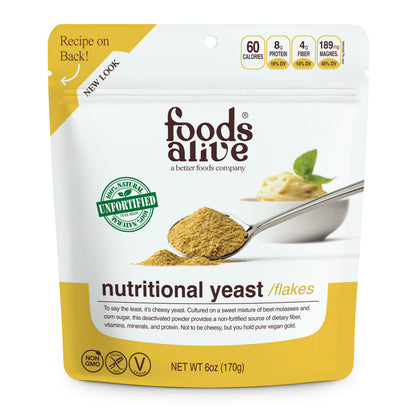
Nutritional yeast is gaining popularity in health circles. It is a deactivated yeast, which means it won’t make bread rise. Often used as a flavor enhancer, it is loved for its cheesy taste and nutritional benefits. People on a candida diet often question if they can consume it. Let’s explore what nutritional yeast is and its health benefits.
What Is Nutritional Yeast?
Nutritional yeast is a deactivated form of Saccharomyces cerevisiae. It is grown on sugarcane and beet molasses. After harvesting, it is heated and dried, making it inactive. It comes in flakes, granules, or powder form. This yeast is a staple for vegans and vegetarians. Its savory, cheese-like flavor enhances many dishes.
Health Benefits Of Nutritional Yeast
Nutritional yeast is a powerhouse of nutrients. It’s rich in B-vitamins, including B12, which is essential for energy. It contains all nine essential amino acids, making it a complete protein. This makes it an excellent protein source for plant-based diets. High in fiber, it supports healthy digestion. The presence of antioxidants in nutritional yeast helps protect cells from damage.
Low in fat and free from added sugars, it aligns with healthy eating. Its savory taste without the need for extra salt makes it a heart-friendly option. With its many benefits, nutritional yeast can be a valuable addition to your diet.
Candida And Nutritional Yeast
Exploring the connection between nutritional yeast and candida, many wonder about its safety. Nutritional yeast, unlike brewer’s yeast, does not feed candida growth. It’s a deactivated yeast, often considered safe for a candida diet.
Candida and Nutritional Yeast The relationship between candida and nutritional yeast often sparks curiosity among those navigating a yeast-free diet. Candida is a type of yeast that can lead to infections when it grows out of balance in the body. On the other hand, nutritional yeast is a deactivated yeast used as a food product, praised for its cheesy flavor and rich nutrient profile. You might wonder if adding nutritional yeast to your diet could impact candida levels. Let’s explore this intriguing connection.Yeast-free Diet Concerns
Embracing a yeast-free diet can feel like a daunting task. You may find yourself scrutinizing labels and second-guessing your food choices. When it comes to nutritional yeast, many people worry it might trigger candida overgrowth. Since nutritional yeast is inactive, it doesn’t contribute to yeast development in the body. Yet, the concern persists due to the word “yeast” itself. It’s essential to understand that not all yeasts are created equal. Nutritional yeast is distinct from the live yeast that may exacerbate candida issues. Understanding this difference can help you make informed dietary choices without unnecessary stress.Impact Of Nutritional Yeast On Candida
Does nutritional yeast affect candida levels? The answer is reassuring for many. Because nutritional yeast is deactivated, it doesn’t feed candida or contribute to its growth. This makes it a safe choice for people concerned about yeast imbalance. You might be surprised to learn that some individuals report feeling better when including nutritional yeast in their diet. Its nutrient-rich profile can support overall health without the risk of yeast proliferation. So, should you include nutritional yeast in your candida diet? Consider your body’s response and consult with a healthcare professional if unsure. Isn’t it empowering to know that not all yeasts are your enemy?
Credit: www.amazon.com
Myths Surrounding Nutritional Yeast
Nutritional yeast is often misunderstood, especially when it comes to the candida diet. Many believe it might aggravate candida-related symptoms, but this isn’t necessarily true. Let’s dive into some myths and uncover the facts.
Common Misconceptions
One common myth is that nutritional yeast contains the same type of yeast that causes infections. In reality, nutritional yeast is a deactivated yeast, meaning it doesn’t possess the live cultures found in other yeast products like bread or beer. Another misconception is that nutritional yeast feeds candida. However, since it’s inactive, it cannot contribute to yeast overgrowth.
Some people worry that nutritional yeast might cause allergic reactions. While it’s possible to have sensitivities, it doesn’t mean everyone will react the same way. Checking with a healthcare provider can help clear up individual concerns.
Scientific Evidence
Research suggests that nutritional yeast can be a beneficial addition to a candida diet. It is packed with B-vitamins, which support energy levels and overall health. Studies have shown that it does not contribute to yeast infections, as it doesn’t contain the live yeast that can lead to overgrowth.
Scientists have found that nutritional yeast can actually boost the immune system. This can be particularly helpful for those looking to strengthen their body’s defenses. Including it in your diet might provide unexpected health benefits without the risk of triggering candida symptoms.
Have you ever reconsidered a food choice based on myths? It’s important to question and research dietary beliefs to make informed decisions. Nutritional yeast might surprise you with its versatility and benefits.
Fact-checking Claims
Nutritional yeast is a popular food supplement known for its rich vitamin content. It does not cause candida overgrowth. Including it in a candida diet is generally safe, as it lacks active yeast cells.
Fact-Checking Claims When you embark on the candida diet, every food choice becomes a critical decision. Nutritional yeast, often celebrated for its cheesy flavor and health benefits, has sparked debates about its suitability for this diet. To make informed choices, it’s essential to sift through the claims and separate fact from fiction.Expert Opinions
Experts in nutrition and dietetics often weigh in on the nutritional yeast debate. Some suggest that nutritional yeast, due to its inactive yeast status, doesn’t feed candida like active yeasts do. However, others caution that individual responses can vary. Your body’s reaction is unique, and it’s crucial to consider how you feel when you include nutritional yeast in your meals. Consulting with a healthcare provider can offer personalized insights. Have you ever noticed any changes when you add or remove certain foods from your diet?Studies And Research
Scientific research provides a clearer picture of how nutritional yeast interacts with candida. While some studies indicate no direct link between inactive yeast and candida growth, the results aren’t always definitive. Research often highlights nutritional yeast’s benefits, such as being rich in B vitamins and proteins. But, these benefits must be balanced against your personal dietary needs and restrictions. Are you curious about how other foods on your candida diet might affect your health? Exploring scientific studies can arm you with knowledge to make better dietary decisions. Remember, factual information and personal experiences together create a well-rounded understanding of how nutritional yeast fits into your lifestyle.Incorporating Nutritional Yeast
Incorporating nutritional yeast into a candida diet can be beneficial. It offers a savory, cheesy flavor without affecting candida levels. This yeast is packed with vitamins and minerals, making it a nutritious addition.
Incorporating nutritional yeast into a candida diet can boost flavor and nutrition. This deactivated yeast is rich in B vitamins and protein. It’s a versatile ingredient that complements various dishes. Let’s explore how to use it safely and creatively.Safe Usage Tips
When adding nutritional yeast to your diet, moderation is key. Start with small amounts and observe your body’s response. Not everyone will react the same way. Check labels to ensure no added sugars or unwanted ingredients. Store it in a cool, dry place to maintain freshness.Recipes And Suggestions
Nutritional yeast can enhance many dishes with its cheesy flavor. Sprinkle it over popcorn for a savory snack. Add it to soups and sauces for a creamy texture. Mix it into salad dressings for a nutrient boost. You can also combine it with nuts and spices to make a tasty topping for pasta or vegetables. Experiment with different recipes to find what suits your taste.
Credit: www.amazon.com
Frequently Asked Questions
Is Nutritional Yeast Safe For Candida Diet?
Nutritional yeast is generally safe for a Candida diet. It’s inactive, meaning it doesn’t encourage yeast growth. Rich in B vitamins, it supports overall health. However, always consult a healthcare professional before adding new food to your diet, especially if managing Candida.
Can Nutritional Yeast Affect Candida Growth?
Nutritional yeast does not affect Candida growth. It is inactive and won’t promote yeast proliferation. Its nutritional benefits include boosting energy and supporting immune function. Always check with a healthcare provider to ensure it fits your dietary needs.
Does Nutritional Yeast Contain Live Yeast?
No, nutritional yeast does not contain live yeast. It is deactivated and safe for consumption. Used as a seasoning or supplement, it enhances flavor and provides nutrients without promoting yeast growth, making it suitable for a Candida diet.
What Are The Benefits Of Nutritional Yeast?
Nutritional yeast offers several benefits. It is rich in B vitamins, supports energy levels, and improves immune function. Known for its cheesy flavor, it enhances dishes without adding live yeast. Consult your doctor to ensure it aligns with your dietary needs.
Conclusion
Nutritional yeast can be safe for most on a candida diet. It offers a tasty, nutritious option to enhance meals. Rich in B vitamins, it’s a beneficial addition. But, always monitor your body’s response. Everyone’s system reacts differently. Consulting a healthcare professional can provide guidance.
Remember, balance is key. Introducing new foods slowly helps track any changes. Stay informed about what you eat. Make choices that support your health. Nutritional yeast might fit well into your diet. But, listen to your body. Enjoy your meals while staying on track with your health goals.