Imagine you’re enjoying your favorite sport, feeling invincible, when suddenly, a quick twist or turn leaves you wincing in pain. An ACL injury can shatter not just your day, but your entire season—or even worse, it could have long-lasting effects on your mobility and lifestyle.
You’re probably wondering, “Is there a way to safeguard my knees without sacrificing performance? ” Enter the knee brace, a piece of gear that promises protection and support. But can a knee brace truly prevent an ACL injury? Before you lace up your shoes and hit the field, let’s explore whether this simple solution can be your secret weapon against one of the most dreaded injuries in sports.
Dive into this article to uncover insights that could save your knees and keep you in the game longer.

Credit: bracedirect.com
Role Of The Acl In Knee Stability
Understanding the role of the Anterior Cruciate Ligament (ACL) in knee stability is crucial for anyone looking to prevent injuries. The ACL is a key player in maintaining the structural integrity of your knee joint. It acts like a stabilizing anchor, preventing excessive forward movement of the tibia relative to the femur.
The ACL is located in the center of the knee, connecting the femur to the tibia. Its primary function is to provide rotational stability to the knee. Without it, your knee would be more prone to twisting, leading to potential injuries.
Every time you pivot, jump, or change direction quickly, the ACL works to keep your knee stable. Imagine playing a game of basketball; the sudden stops and turns are moments where your ACL is hard at work. If it fails to perform its duty, you’re at risk of an ACL injury.
Importance Of Muscle Strength
Strong muscles surrounding the knee contribute to overall knee stability. Strengthening your quadriceps and hamstrings can significantly reduce the strain on your ACL. Consider incorporating leg exercises into your routine, such as squats and lunges.
Muscle strength acts as a natural brace for your knee, absorbing shock and protecting ligaments. Do you ever wonder why professional athletes spend so much time on strength training? It’s because they understand its vital role in preventing injuries.
Impact Of Proper Footwear
Footwear choices can greatly affect knee stability. Shoes with good traction and support minimize the risk of slipping and twisting your knee. Opt for athletic shoes designed specifically for your sport or activity.
Poor footwear can lead to improper landing mechanics, putting extra stress on your ACL. Next time you buy shoes, think about how they can support your knee’s health. Have you ever considered how the right shoes can be as important as a knee brace?
Acl Injury Prevention Strategies
- Regular strength training to support knee stability.
- Choosing appropriate footwear for your activity.
- Engaging in exercises that improve balance and coordination.
- Using knee braces during high-risk activities as an additional precaution.
Preventing an ACL injury is about understanding the role of stability and taking proactive steps. What changes can you make in your routine today to protect your knees tomorrow?
Common Causes Of Acl Injuries
Sudden twists or turns during sports often lead to ACL injuries. Jumping and pivoting increase the risk, especially without proper support. Wearing a knee brace may help reduce strain and provide stability, potentially preventing injury.
ACL injuries are a common concern for athletes and active individuals. Understanding the causes of these injuries is crucial. It helps in taking preventive measures. The ACL, or anterior cruciate ligament, is vital for knee stability. It can tear due to various factors. Let’s explore these common causes.Improper Landing Techniques
Landing incorrectly after a jump stresses the knee. This can lead to an ACL tear. Athletes should focus on proper landing techniques. Bending the knees while landing is essential.Sudden Changes In Direction
Quick pivots or sudden turns can harm the ACL. Sports like basketball and soccer require fast changes in direction. Training to improve agility can reduce the risk.Direct Impact To The Knee
A hard hit or collision can damage the ACL. Contact sports often see such injuries. Wearing protective gear is important in these sports.Muscle Imbalances
Weak or imbalanced muscles around the knee can increase injury risk. Strengthening exercises help balance these muscles. A balanced workout routine is beneficial.Overtraining Or Fatigue
Excessive training without proper rest can lead to fatigue. Tired muscles don’t support the knee well. Adequate rest and recovery are crucial for injury prevention.How Knee Braces Work
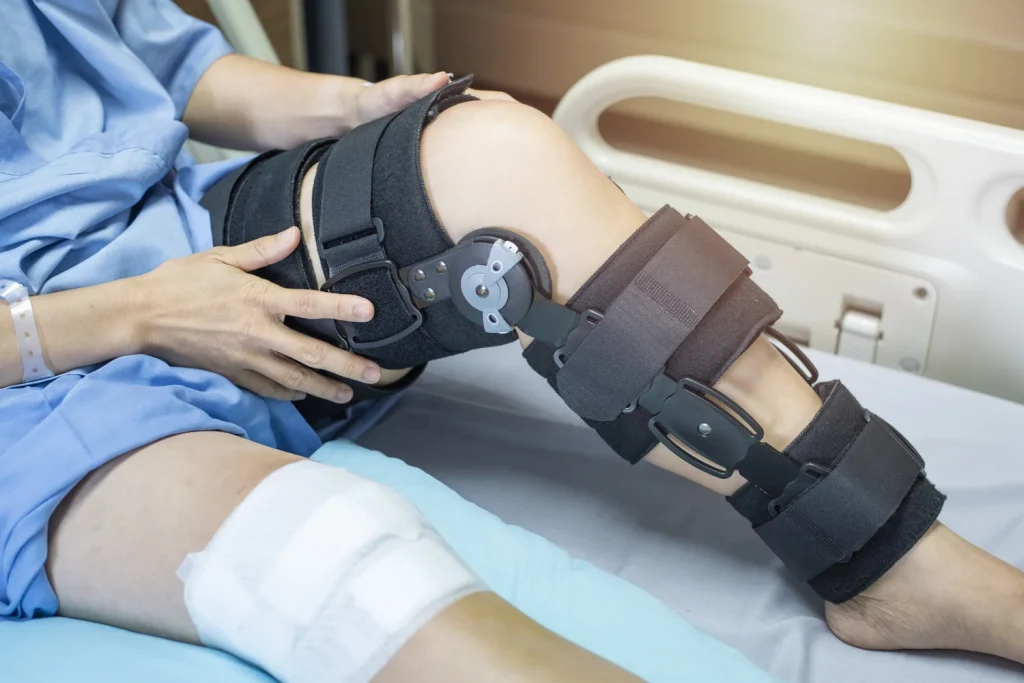
Knee braces are designed to offer support to the knee joint. They help in stabilizing the knee and can reduce the risk of injuries. Understanding how knee braces work is essential for anyone looking to protect their knees.
Types Of Knee Braces
Various types of knee braces serve different purposes:
- Prophylactic Braces:Designed to protect knees from injuries during sports.
- Functional Braces:Used by individuals with existing knee injuries.
- Rehabilitative Braces:Support the knee post-surgery to aid recovery.
- Unloader Braces:Focus on relieving pain from arthritis.
Mechanism Of Support
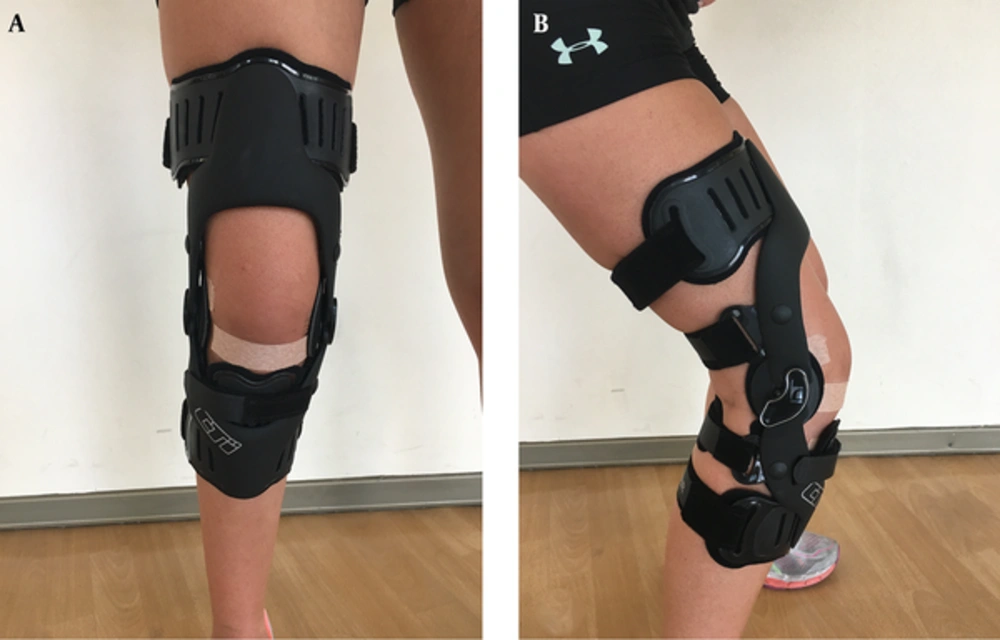
Knee braces work by providing external support to the knee. They help in controlling the movement of the joint. This prevents excessive motion that can lead to injuries. Braces distribute the load and reduce stress on the knee ligaments. Adjustable straps ensure a secure fit, enhancing stability. Some braces have hinges that mimic the knee’s natural movement. This feature allows flexibility while still offering protection.

Credit: www.tynorstore.com
Expert Opinions On Knee Braces For Acl Prevention
Experts discuss the role of knee braces in preventing ACL injuries. Opinions differ on their effectiveness. Some believe braces offer protection, while others think muscle strength is key.
When discussing the potential of knee braces in preventing ACL injuries, expert opinions vary widely. Some specialists advocate for their use as a preventative measure, while others argue their effectiveness is limited. With so many perspectives, how do we know if knee braces are truly beneficial for ACL injury prevention?Understanding The Role Of Knee Braces
Knee braces are designed to provide support and stability to the joint. They aim to minimize stress on the ACL during physical activities. But do they really prevent injuries, or are they just providing a false sense of security?Insights From Orthopedic Surgeons
Orthopedic surgeons often emphasize the importance of strengthening the muscles around the knee. They suggest that a knee brace might offer some support, but it shouldn’t replace proper conditioning. Have you considered focusing more on building your leg muscles to support your knees naturally?Sports Medicine Specialists’ Views
Sports medicine experts often recommend knee braces for athletes recovering from an ACL injury. They believe braces can offer protection during the healing phase. But should they be used as a primary prevention tool for healthy individuals? The consensus seems to be that while braces can help, they shouldn’t be your only line of defense.Physical Therapists’ Recommendations
Physical therapists frequently advocate for a combination of exercises that enhance balance and proprioception. They highlight that knee braces might help, but improving your balance and awareness on the field is crucial. Are you incorporating enough agility and balance exercises into your routine?The Athlete’s Perspective
Many athletes have mixed feelings about knee braces. Some swear by them, claiming they offer peace of mind, while others find them cumbersome. If you’re an athlete, how does wearing a knee brace affect your performance and confidence on the field? In the end, while knee braces might provide some support, relying solely on them could be misleading. Strengthening your knee through targeted exercises and maintaining overall fitness seems to be the key strategy for preventing ACL injuries.Research Studies On Knee Braces And Acl Injuries
Understanding the relationship between knee braces and ACL injuries requires a close look at the research studies on this topic. Many athletes and active individuals wonder if knee braces can truly protect them from the dreaded ACL injury. With various studies conducted over the years, it’s essential to dive into the findings to see what science says about the effectiveness of knee braces.
Key Findings
Research has shown mixed results regarding the effectiveness of knee braces in preventing ACL injuries. Some studies indicate that knee braces can offer additional stability, especially in athletes engaged in high-risk sports like football and skiing. This added stability can potentially reduce the likelihood of an ACL tear by limiting excessive knee movements.
Other research suggests that while knee braces provide psychological confidence, they might not significantly reduce the risk of ACL injuries. The perception of safety can sometimes encourage athletes to push their limits, potentially increasing the risk of injury instead.
Limitations Of Studies
One major limitation is the variability in study designs. Different methodologies and participant demographics can lead to inconsistent results. For example, a study focused on professional athletes may not be applicable to recreational players.
Another limitation is the short duration of many studies. Long-term effects of wearing knee braces are less understood, leaving questions about their sustained effectiveness. Additionally, factors like the type of brace, its fit, and individual biomechanics are often not uniformly accounted for, making it challenging to draw definitive conclusions.
So, should you rely on a knee brace to protect your ACL? It’s worth considering the type of sport, your personal history, and consulting with a healthcare professional. Always remember, a knee brace is just one part of a comprehensive injury prevention strategy.
Factors Influencing The Effectiveness Of Knee Braces
Choosing the right knee brace can offer support and stability. Proper fit and design play crucial roles. Materials and usage techniques also affect effectiveness in preventing ACL injuries.
Factors influencing the effectiveness of knee braces can vary widely. Knee braces are designed to support and stabilize the knee joint. They aim to prevent injuries such as ACL tears. Yet, their success depends on several factors. Understanding these can help maximize their benefits and ensure safety.Proper Fit And Usage
A knee brace must fit well to be effective. An ill-fitting brace can cause discomfort. It may even lead to further injury. Ensure the brace is snug but not too tight. Adjust straps correctly for optimal support. Follow instructions on how to wear the brace. Incorrect usage can negate its protective benefits. Regular checks for wear and tear are crucial. Replace a damaged brace immediately.Activity Type And Intensity
The type and intensity of activity affect brace effectiveness. High-impact sports may require more robust support. Activities like running or jumping increase stress on the knees. Choose a brace designed for specific sports or activities. Consider the level of physical exertion involved. Low-intensity activities may need a lighter brace. Matching the brace to the activity ensures better protection.Alternative Strategies For Acl Injury Prevention
While knee braces can offer support and stability, they aren’t the only line of defense against ACL injuries. There are several alternative strategies that can help you safeguard your knees. These strategies focus on strengthening the muscles around the knee, improving technique, and modifying training routines to reduce the risk of injury. By adopting these methods, you can enhance your knee’s resilience and performance without relying solely on a brace.
Strengthening Exercises
Building strength in your legs is crucial for ACL injury prevention. Exercises that target the quadriceps, hamstrings, and calves can greatly improve knee stability. Consider incorporating squats and lunges into your workout routine. These exercises not only bolster muscle strength but also help improve balance and coordination.
Don’t forget the importance of core exercises. A strong core supports your entire body, allowing for better control and movement efficiency. Try planks and bridges to strengthen your core and provide added support to your knees.
Technique And Training Modifications
Perfecting your technique can significantly lower the risk of ACL injuries. Focus on proper form, especially when jumping or pivoting. Are you landing softly with bent knees? This can reduce impact stress and prevent injuries. Practicing these movements in slow motion can help you internalize the correct technique.
Adjusting your training routine is another effective strategy. Ensure you have a balanced regimen that includes rest days for recovery. Overtraining can lead to fatigue and increase the risk of injury. Listen to your body and make necessary adjustments to your training schedule.
Consider integrating agility drills into your workouts. These drills improve quick movements and direction changes, which are essential for sports. Enhancing your agility can make your knees more adaptable and less prone to injury.
Credit: brieflands.com
Choosing The Right Knee Brace
Choosing the right knee brace can be a game-changer in your journey to prevent ACL injuries. With a variety of options available, it’s crucial to select one that suits your needs and provides the support your knee demands. But how do you make the best choice?
Consulting With Healthcare Professionals
Your first step should be reaching out to healthcare professionals. They’re equipped with the knowledge to assess your specific needs and recommend the most suitable brace. A personalized consultation can mean the difference between a brace that simply fits and one that truly protects.
Have you ever had a physical therapist analyze your gait or knee movement? Their insights can be invaluable. A healthcare professional can tailor advice based on your activity level, existing injuries, and personal goals.
Considerations For Purchase
When buying a knee brace, consider factors like comfort, size, and the type of support it provides. A brace that’s too tight can restrict movement, while one that’s too loose might not offer adequate protection.
Think about the material as well—some braces are made from neoprene, offering flexibility and warmth, while others might have metal supports for extra rigidity. What suits your lifestyle best? Are you into high-impact sports or need something for daily wear?
Price is another consideration. While it’s tempting to go for the cheapest option, investing in quality might save you in the long run. How much value do you place on your health and safety?
Choosing the right knee brace is more than just picking one off the shelf. It’s about making an informed decision that aligns with your needs and lifestyle. What matters most to you in a knee brace?
Frequently Asked Questions
How Effective Are Knee Braces For Acl Injury Prevention?
Knee braces can provide support and stability to the knee joint. However, they cannot fully prevent ACL injuries. They are most effective when combined with proper exercise, technique, and rehabilitation. Consult with a healthcare professional for personalized advice on using knee braces.
Can Knee Braces Replace Physical Therapy For Acl Protection?
Knee braces cannot replace physical therapy for ACL protection. Physical therapy strengthens muscles and improves joint stability, reducing injury risk. Braces should be used as a supplementary measure alongside therapy. Always follow a healthcare professional’s guidance for optimal results.
Should Athletes Wear Knee Braces During Sports?
Athletes may benefit from wearing knee braces during sports activities. Braces offer additional support and can reduce injury risk. They are particularly useful for those with previous knee injuries. However, individual needs vary; consult a healthcare professional for personalized recommendations.
Do Knee Braces Help With Acl Recovery?
Yes, knee braces can assist with ACL recovery by providing stability and support. They help minimize unwanted movement and protect the joint during rehabilitation. Always follow your healthcare provider’s instructions for using braces effectively during recovery.
Conclusion
Knee braces offer some support for the ACL. They reduce strain and provide stability. Yet, they cannot fully prevent ACL injuries. Proper training and exercise strengthen knee muscles. This helps in reducing injury risks. Always consult with a healthcare professional.
They guide on the best practices for knee health. Using knee braces as part of an overall strategy can be helpful. Remember, no brace replaces the importance of careful movement and strong muscles. Stay safe and maintain an active lifestyle for healthy knees.