Last updated: November 14, 2026 · By the ThriveWay Fitness Editorial Team
Quick answer
The Fitbit Charge 6 is the best fitness tracker for most people: comfortable, easy to read, with strong heart rate, sleep and workout tracking and Google Maps and Wallet built in. If you don’t want any subscription, the Garmin vívosmart 5 gives full insights free in the Garmin Connect app. Runners should get the GPS-equipped Garmin Forerunner 165, and budget buyers will love the Amazfit Band 7 or Xiaomi Smart Band 10 for their long battery life.
In this guide
- Best Fitness Trackers Compared
- The 8 Best Fitness Trackers in 2026
- How to Choose a Fitness Tracker
- Which Tracker Fits Your Goal?
- Subscriptions: What’s Free and What Isn’t
- Compatibility Checklist
- How to Get the Most From Your New Tracker
- Fitness Tracker Mistakes to Avoid When Buying
- Frequently Asked Questions
- Final Recommendation
A fitness tracker turns everyday movement into data you can act on: steps, active minutes, heart rate, sleep and workouts. The best ones are comfortable enough to wear 24/7, last days between charges and present insights clearly. The differences come down to accuracy, battery life, GPS, screen, app quality and whether key features sit behind a subscription.
We compared manufacturer specifications on Amazon — sensors, battery life, GPS, display, water resistance and app features — along with recurring owner feedback. We haven’t run lab accuracy tests ourselves, and fitness trackers are not medical devices.
Best Fitness Trackers Compared
| Tracker | Best for | Highlights | |
|---|---|---|---|
| Fitbit Charge 6 | Best overall | 40+ exercise modes, Google Maps, HR on gym equipment | Check Price |
| Garmin vívosmart 5 | Best no-subscription | Up to 7 days battery, Body Battery | Check Price |
| Fitbit Inspire 3 | Best simple & affordable | 24/7 HR, sleep, stress | Check Price |
| Garmin Forerunner 165 | Best for runners | Built-in GPS, AMOLED, 11 days | Check Price |
| Amazfit Band 7 | Best battery on a budget | Up to 18 days, 120 sport modes | Check Price |
| Xiaomi Smart Band 10 | Best value display | 1.72″ AMOLED, up to 21 days | Check Price |
| Amazfit Helio Strap | Best screenless (WHOOP-style) | No subscription, strength tracking | Check Price |
| Garmin Venu Sq 2 | Best smartwatch-style tracker | AMOLED, GPS, 11 days | Check Price |
The 8 Best Fitness Trackers in 2026
Best Overall
1. Fitbit Charge 6
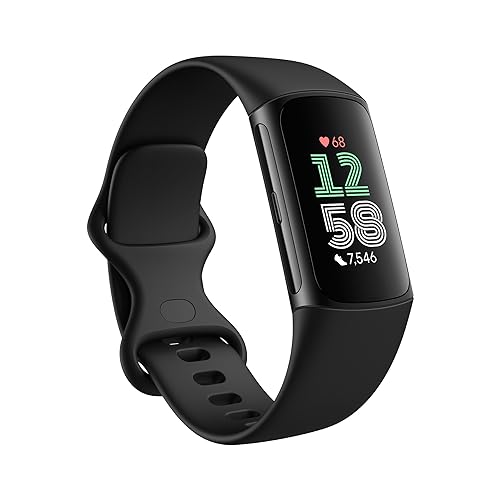
Google Fitbit Charge 6 Fitness Tracker
Check Price on AmazonPrice and availability change often — check Amazon for current details.
Best suited for: most people who want an all-round tracker with smart features.
The Charge 6 tracks calories, Active Zone Minutes, sleep and stress, with 40+ exercise modes. It can show your heart rate on compatible gym equipment like treadmills and ellipticals, and adds Google Maps directions, Google Wallet and YouTube Music controls. Some advanced insights, such as the Daily Readiness Score, need a Fitbit Premium subscription.
- Exercise modes: 40+
- Extras: Google Maps, Wallet, YouTube Music controls
- Gym: broadcasts HR to compatible machines
Pros
- Excellent app and design
- Useful Google features
- Comfortable for sleep tracking
Limitations
- Some insights need Fitbit Premium
- Shorter battery than budget bands
Best No-Subscription
2. Garmin vívosmart 5
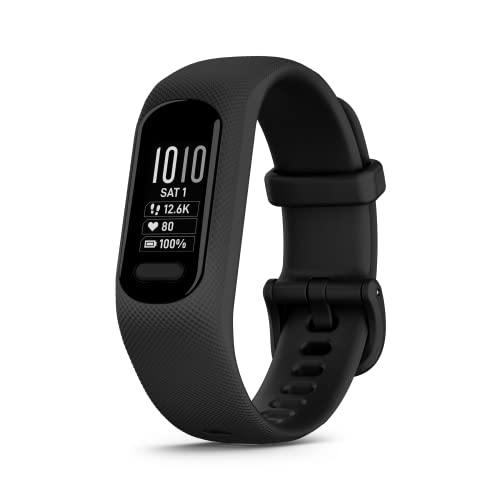
Garmin vivosmart 5 Fitness Tracker
Check Price on AmazonPrice and availability change often — check Amazon for current details.
Best suited for: people who want detailed health data without monthly fees.
Garmin includes its full insights free in Garmin Connect. The vívosmart 5 tracks respiration, Pulse Ox (not a medical device), Body Battery energy levels, stress and sleep score, with up to 7 days of battery in smartwatch mode. It’s safe for swimming and showering.
- Battery: up to 7 days
- Metrics: Body Battery, Pulse Ox, sleep score, stress
- Water: swim and shower safe
Pros
- No subscription needed
- Great Garmin Connect app
- Comfortable slim design
Limitations
- No built-in GPS
- Small monochrome display
Best Simple & Affordable
3. Fitbit Inspire 3

Google Fitbit Inspire 3 Fitness Tracker
Check Price on AmazonPrice and availability change often — check Amazon for current details.
Best suited for: beginners who want an easy, lightweight step and sleep tracker.
The Inspire 3 covers the essentials: 24/7 heart rate, all-day activity, automatic sleep tracking with a Sleep Score, stress management and smart wake alarms. It’s small, comfortable and inexpensive.
- Tracking: 24/7 HR, sleep, stress, activity
- Features: smart wake alarm
- Compatibility: iOS and Android
Pros
- Low price
- Comfortable and discreet
- Good sleep tracking
Limitations
- Small screen
- Premium features need subscription
Best for Runners
4. Garmin Forerunner 165

Garmin Forerunner 165 Running Smartwatch
Check Price on AmazonPrice and availability change often — check Amazon for current details.
Best suited for: runners who want accurate pace and distance from built-in GPS.
The Forerunner 165 is technically a running watch, but it doubles as a full fitness tracker. It has built-in GPS, wrist heart rate, a bright AMOLED touchscreen, up to 11 days of battery in smartwatch mode (19 hours in GPS mode), adaptive daily suggested workouts and 25+ activity profiles.
- GPS: built-in
- Battery: up to 11 days / 19 h GPS
- Display: AMOLED touchscreen
- Training: daily suggested workouts, Garmin Coach
Pros
- Accurate outdoor tracking
- Excellent training guidance
- No subscription
Limitations
- Larger and pricier than a band
- More features than casual users need
Best Battery on a Budget
5. Amazfit Band 7
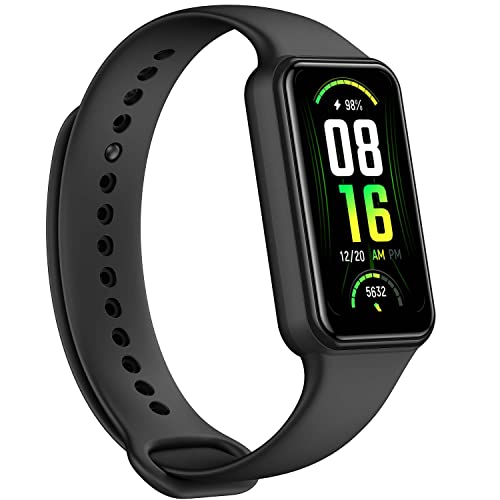
Amazfit Band 7 Fitness Tracker
Check Price on AmazonPrice and availability change often — check Amazon for current details.
Best suited for: budget buyers who hate charging.
Amazfit Band 7 offers up to 18 days of battery, a large 1.47-inch always-on AMOLED display, 120 sports modes, Alexa built in, and monitoring of heart rate, sleep stages, blood oxygen and stress.
- Battery: up to 18 days
- Display: 1.47″ AMOLED, always-on
- Sports modes: 120
- Extras: Alexa built-in
Pros
- Long battery life
- Large, bright screen
- Very affordable
Limitations
- App less polished than Fitbit/Garmin
- Accuracy below premium brands
Best Value Display
6. Xiaomi Smart Band 10

Xiaomi Smart Band 10 Fitness Tracker
Check Price on AmazonPrice and availability change often — check Amazon for current details.
Best suited for: value seekers who want a big screen and long battery.
The Smart Band 10 has a large 1.72-inch AMOLED display, up to 21 days of battery and enhanced sleep monitoring. It’s an excellent low-cost tracker for steps, heart rate and sleep.
- Display: 1.72″ AMOLED
- Battery: up to 21 days
- Tracking: sleep, heart rate, activity
Pros
- Big display for the price
- Very long battery
- Lightweight
Limitations
- No built-in GPS
- Fewer third-party integrations
Best Screenless
7. Amazfit Helio Strap

Amazfit Helio Strap Screenless Activity Tracker
Check Price on AmazonPrice and availability change often — check Amazon for current details.
Best suited for: lifters and recovery-focused users who want a WHOOP-style band without a subscription.
The Helio Strap has no screen, so it’s distraction-free and comfortable to wear 24/7. It tracks heart rate, fatigue and recovery, offers a HybridCharge energy score, tracks reps and sets in the gym and includes a HYROX race mode — all subscription free, with up to 10 days of battery.
- Design: screenless band
- Battery: up to 10 days
- Training: strength reps/sets, HYROX mode
- Cost: no subscription
Pros
- No monthly fee
- Good for strength training
- Comfortable 24/7
Limitations
- Need your phone to see data
- Newer ecosystem
Best Smartwatch-Style
8. Garmin Venu Sq 2

Garmin Venu Sq 2 GPS Smartwatch
Check Price on AmazonPrice and availability change often — check Amazon for current details.
Best suited for: people who want a watch-sized screen with fitness-first features.
The Venu Sq 2 combines a bright AMOLED always-on display with up to 11 days of battery, built-in GPS and 25+ sports apps. It tracks Body Battery, sleep score, respiration, hydration and stress in Garmin Connect.
- Display: AMOLED, always-on option
- Battery: up to 11 days
- GPS: built-in
- Apps: 25+ sports
Pros
- Large readable screen
- Long battery for a smartwatch
- No subscription
Limitations
- Bulkier than a band
- Fewer smart apps than Apple/Samsung watches
How to Choose a Fitness Tracker
- Tracker or smartwatch? Bands are lighter with longer battery; smartwatches add apps and bigger screens. See fitness tracker vs smartwatch.
- Accuracy: wrist heart rate is good for trends but less precise during intense intervals — see how accurate fitness trackers are.
- GPS: essential for runners who leave their phone at home.
- Battery: 5–7+ days makes 24/7 sleep tracking easy.
- Subscriptions: Garmin and Amazfit are subscription-free; some Fitbit insights need Premium.
- Metrics that matter: learn what readiness, HRV and Active Zone Minutes mean in fitness tracker metrics explained.
Using a tracker to boost daily activity? See how many steps a day to lose weight.
Which Tracker Fits Your Goal?
| Your main goal | Features to prioritize |
|---|---|
| Walking more / weight loss | Reliable step counting, move reminders, simple app, long battery |
| Better sleep | Slim, comfortable band, sleep score, smart wake alarm, HRV trends |
| Running | Built-in or connected GPS, pace and cadence, heart-rate zones, chest-strap pairing |
| Gym and strength training | Rep counting or strength mode, arm-band option, recovery scores |
| Stress and recovery | Overnight HRV, readiness or body battery score, breathing exercises |
| Swimming | 5 ATM or higher water rating, lap and stroke tracking |
Subscriptions: What’s Free and What Isn’t
Before you buy, check which features live behind a paywall. Some brands keep almost everything free in their app, while others reserve advanced sleep analysis, readiness scores, guided programs or long-term trends for a monthly membership. A cheaper tracker with a subscription can cost more over two or three years than a pricier one without. Policies change, so confirm the current terms on the brand’s website before purchasing.
Compatibility Checklist
- Phone: most trackers support both iPhone and Android, but some features are limited on one platform.
- Apps: check whether it syncs with the apps you already use, such as Strava, Apple Health, Google Health Connect or MyFitnessPal.
- Gym equipment: some trackers can broadcast heart rate to treadmills, bikes and training apps.
- Payments: if you want tap-to-pay, confirm your bank supports the tracker’s wallet.
How to Get the Most From Your New Tracker
- Enter accurate age, height, weight and wrist preference during setup.
- Wear it snugly, about a finger-width above the wrist bone, especially during workouts.
- Wear it to bed for at least two weeks to establish sleep and HRV baselines.
- Set realistic goals based on your first week’s data rather than default targets.
- Review your weekly report and pick one habit to improve at a time.
New to the numbers? Our guide to fitness tracker metrics explains every score, and how accurate are fitness trackers shows which ones to trust.
Fitness Tracker Mistakes to Avoid When Buying
- Paying for features you won’t use: ECG, offline maps and LTE are great, but unnecessary for most step and sleep goals.
- Ignoring comfort: if it’s bulky, you won’t wear it at night, and you’ll lose half the data.
- Overlooking battery life: frequent charging leads to gaps in tracking.
- Forgetting the app: the software is where you’ll spend your time; choose an app you find clear and motivating.
Frequently Asked Questions
What is the best fitness tracker overall?
For most people, the Fitbit Charge 6 offers the best balance of features, comfort and app quality. Garmin’s vívosmart 5 is best if you want no subscription.
Do fitness trackers need a subscription?
Not always. Garmin and Amazfit include insights free; Fitbit works without Premium but some advanced features require it.
Which fitness tracker has the longest battery?
Budget bands like the Xiaomi Smart Band 10 (up to 21 days) and Amazfit Band 7 (up to 18 days) last the longest.
Is a fitness tracker worth it?
Many people find trackers motivating for steps, sleep and workouts. They’re most useful when you act on the trends they show.
How long do fitness trackers last?
Many last around two to four years before battery capacity noticeably declines. Software support and band wear also affect lifespan.
Can I wear a fitness tracker in the shower?
Most trackers with a 5 ATM rating handle showers and swimming, but avoid hot tubs, saunas and soaps when possible to protect the seals.
Should I buy a fitness tracker or a smartwatch?
Choose a tracker for battery life, comfort and value; choose a smartwatch for apps, messaging and payments. Our fitness tracker vs smartwatch guide covers the trade-offs in detail.
Final Recommendation
Choose the Fitbit Charge 6 for the best all-round experience, the Garmin vívosmart 5 to avoid subscriptions, the Forerunner 165 for running, or the Amazfit Band 7 for long battery on a budget.
How we research: ThriveWay Fitness compares manufacturer specifications, sensors, battery life, GPS and app features, warranty terms and patterns in verified owner feedback. We do not accept payment for placement. Prices and availability change often — always confirm current details on Amazon.