Have you ever wondered if the curl-ups you’ve been doing are boosting more than just your core strength? You’re not alone.
Many fitness enthusiasts like you are curious if this popular exercise also enhances cardio endurance. The answer might surprise you. By understanding the true impact of curl-ups on your cardiovascular system, you can fine-tune your workout routine to achieve your fitness goals faster.
Are you ready to unlock the potential of your exercises and discover how curl-ups might be doing more for your body than you ever imagined? Keep reading, and you’ll find out exactly how to make the most of your workout regimen.
Curl Ups Explained
Curl ups primarily strengthen core muscles, enhancing muscle endurance. While they engage the heart and lungs, they aren’t traditional cardio exercises. They play a supporting role in improving overall fitness.
Curl ups are a popular exercise choice. They help strengthen your core muscles and improve physical fitness. They are often confused with cardio exercises, but they mainly focus on muscle endurance. Understanding curl ups can enhance your workout routine. Let’s dive into what curl ups entail.Basic Definition
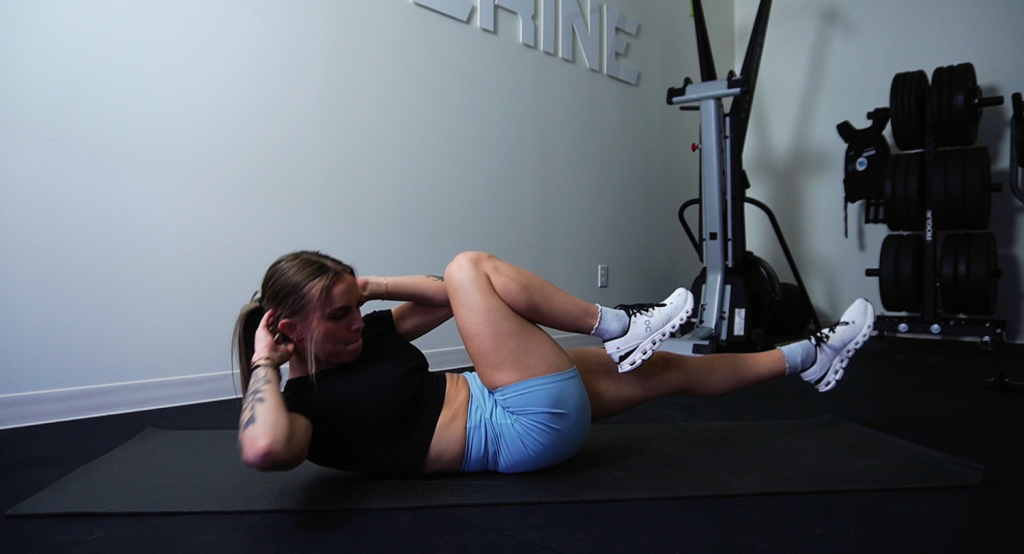
Curl ups are a type of abdominal exercise. They target the rectus abdominis, obliques, and hip flexors. The primary goal is to build endurance in these muscles. Unlike cardio workouts, curl ups focus on muscle strength and stability. This exercise helps improve posture and balance. It requires repeated lifting of the upper body from a lying position.Physical Movements Involved
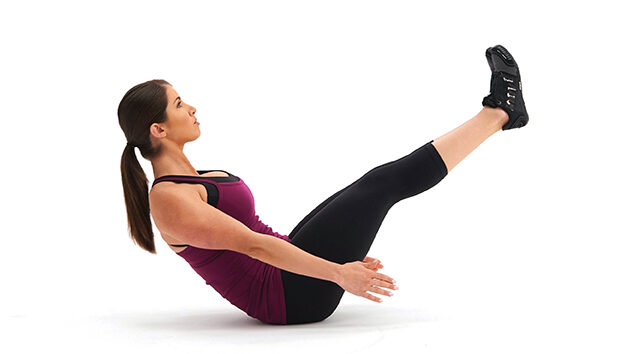
Performing curl ups involves simple movements. Start by lying on your back with knees bent. Feet should be flat on the ground. Place your hands behind your head or crossed over your chest. Engage your core muscles as you lift your shoulders off the ground. Keep your lower back on the floor. Slowly return to the starting position. Repeat this movement for several repetitions.
Credit: www.eatthis.com
Understanding Cardio Endurance
Understanding cardio endurance is crucial in the journey to improve your overall fitness. It represents the ability of your heart, lungs, and muscles to sustain prolonged physical activity. While many exercises contribute to cardio endurance, curl-ups often raise the question of their role in this realm. Let’s dive into the characteristics of cardio exercises and the importance of endurance in fitness.
Characteristics Of Cardio Exercises
Cardio exercises typically involve rhythmic activities that elevate your heart rate. They can be anything from running, cycling, swimming, or even dancing. These activities generally require sustained movement over a period, challenging your cardiovascular system.
They also focus on increasing oxygen intake and improving blood circulation. This helps in maintaining energy levels and enhancing stamina. Have you ever noticed how your breath gets heavier during a brisk walk or jog? That’s your body’s way of adapting to increased cardio demands.
Importance Of Endurance In Fitness
Endurance is a cornerstone of fitness that allows you to push through fatigue and maintain performance. It contributes to better heart health, increased metabolism, and improved muscle efficiency.
Think about climbing a flight of stairs without losing your breath, or going for a long hike without tiring easily. These everyday activities become easier with enhanced endurance. It’s not just about surviving these tasks but thriving in them.
Building endurance is not an overnight process; it requires consistent effort and determination. Are you ready to make that commitment and see how it transforms your fitness journey?
Curl Ups And Their Impact
Curl ups are often misunderstood. People wonder about their role in cardio endurance. They mainly focus on core strength. Yet, their impact extends beyond just muscles. Understanding their benefits can enhance your workout routine.
Muscle Groups Targeted
Curl ups target several muscle groups. Primarily, they engage the rectus abdominis. This is the “six-pack” muscle. They also work the obliques, located at the sides of your abdomen. The transverse abdominis, a deep core muscle, is also activated. Curl ups help strengthen these muscles efficiently.
Benefits For Core Strength
Curl ups significantly boost core strength. A strong core is crucial for balance and stability. It supports your spine and reduces injury risk. Curl ups also enhance posture. Better posture improves breathing and overall health. Regularly practicing curl ups leads to a stronger, healthier core.

Credit: www.instagram.com
Evaluating Cardio Aspects
Evaluating the cardio aspects of curl-ups might surprise you. While curl-ups are typically classified as a strength exercise, they hold potential to boost your cardiovascular endurance. Understanding the cardio elements can redefine how you view this common workout.
Heart Rate Analysis During Curl Ups
Monitoring your heart rate during curl-ups can offer insights into their cardio benefits. You may notice a moderate increase in your heart rate, signaling enhanced blood circulation. This rise, though not as intense as running, still contributes to cardiovascular health.
Why does your heart rate increase? The repetitive motion of curl-ups engages multiple muscle groups, requiring more oxygen and energy. This demand encourages your heart to pump faster, providing a subtle cardio workout.
Comparison With Traditional Cardio Exercises
How do curl-ups stack up against traditional cardio exercises like jogging or cycling? The intensity levels differ significantly. Traditional cardio exercises typically elevate your heart rate much higher, promoting greater endurance over time.
However, combining curl-ups with other exercises can create a balanced routine. Imagine doing a set of curl-ups followed by a brisk walk—this mix can offer both strength and cardio benefits.
Is there a place for curl-ups in your cardio routine? Absolutely. They provide a unique way to engage muscles while slightly boosting your heart rate, adding variety to your workouts.
Scientific Insights
Understanding whether curl-ups contribute to cardio endurance is crucial for optimizing your workout routine. This exercise is often associated with core strength, but does it really get your heart pumping like traditional cardio workouts? Let’s dive into the scientific insights to uncover the truth.
Research Findings On Curl Ups
Recent studies have explored the impact of curl-ups on heart rate and overall endurance. While curl-ups primarily target the abdominal muscles, research shows they can slightly elevate your heart rate. This increase, however, is not significant enough to classify curl-ups as a cardio workout. Instead, they serve more as a strength-building exercise. If you’re aiming for cardio endurance, you might want to consider combining curl-ups with other aerobic activities.
Expert Opinions
Fitness experts often debate the effectiveness of curl-ups in boosting cardio endurance. Many agree that while curl-ups are excellent for building core strength, their contribution to cardio fitness is minimal. Experts suggest focusing on activities like running, cycling, or swimming to improve cardiovascular health. Incorporating curl-ups as part of a balanced routine can enhance overall fitness but won’t replace traditional cardio exercises.
Have you ever felt your heart racing during a set of curl-ups? It’s a common experience, but experts point out that this temporary spike doesn’t equate to sustained cardio endurance. To truly benefit your heart, consistency in aerobic exercise is key. How do you blend strength and cardio in your workouts?
Practical Applications
Curl ups might not be the first exercise associated with cardio endurance. Yet, they play a role in fitness routines. Their practical applications can support overall health. They strengthen core muscles and aid in achieving fitness goals. Understanding their place in workouts is essential for balanced training.
Integrating Curl Ups In Workouts
Incorporate curl ups into your daily exercise regime. Start with a warm-up to prepare your body. Then, include sets of curl ups in your routine. Aim for consistency to see improvements in core strength.
Pair curl ups with other exercises. This creates a balanced workout. Mix them with squats, lunges, or push-ups. This variety keeps your sessions engaging.
Balancing Cardio And Strength Training
Combining cardio and strength is crucial for fitness. Curl ups serve as a strength exercise. They complement cardio workouts like running or cycling.
Plan your week with this balance in mind. Dedicate days to cardio and others to strength. Or, mix both in a single session for efficiency. This approach enhances endurance and muscle power.
Credit: experiencelife.lifetime.life
Frequently Asked Questions
Are Curl Ups Considered Cardio Exercise?
Curl ups primarily target core muscles and are not typically classified as cardio. They focus on strength and endurance in the abdominal region. While they can increase heart rate slightly, they don’t provide the same cardiovascular benefits as aerobic activities like running or cycling.
Do Curl Ups Improve Cardiovascular Endurance?
Curl ups mainly build core strength and muscular endurance, not cardiovascular endurance. They don’t significantly elevate heart rate or improve oxygen consumption. For cardiovascular benefits, incorporate aerobic exercises like jogging or swimming into your routine.
How Often Should I Do Curl Ups?
Perform curl ups 2 to 3 times weekly for optimal results. Allow at least 48 hours of rest between sessions to prevent overtraining. This frequency helps build core strength while giving muscles time to recover and grow.
Can Curl Ups Help Burn Calories?
Curl ups burn a small number of calories, focusing more on muscle strengthening. They aren’t as effective for calorie burning as cardio exercises. To effectively burn calories, combine curl ups with aerobic activities like walking, running, or cycling.
Conclusion
Curl ups can improve core strength. They enhance stability and support endurance. Cardio benefits are limited. They boost muscle endurance, not cardiovascular endurance. Pair with activities like jogging. This builds overall cardio endurance effectively. Consider varying exercises. Include aerobic activities for balanced fitness.
Always focus on proper form. This prevents injuries and maximizes benefits. Listen to your body. Adjust routines as needed. Stay consistent for better results. Enjoy a healthier lifestyle through varied workouts. Embrace the journey. Fitness is a lifelong commitment.