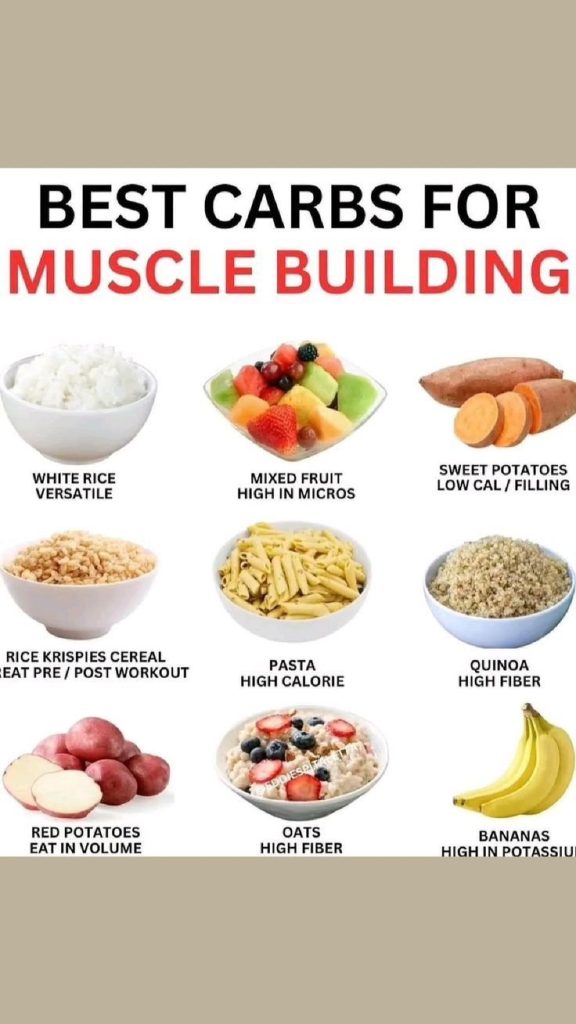
You’ve probably heard countless times that protein is the key to building muscle. But what about carbohydrates?
Are you missing out on a vital part of your muscle-building strategy? Understanding the role of carbohydrates in muscle growth could be the game-changer you need. Imagine boosting your workouts and recovery times by simply tweaking your diet. Sounds intriguing, right?
You’re about to discover how these often misunderstood nutrients can actually support your muscle-building goals. Get ready to unlock the potential of carbohydrates in your fitness journey and see how they can work for you. Dive in to find out if carbs are the secret weapon your muscles have been craving!

Credit: www.instagram.com
Role Of Carbohydrates In Muscle Growth
Carbohydrates play a crucial role in muscle growth by providing energy for workouts and aiding recovery. They help replenish glycogen stores, ensuring muscles have the fuel needed for repair and growth. Consuming the right amount of carbs can support muscle-building efforts effectively.
Carbohydrates play a vital role in muscle growth. They are essential for fueling workouts and aiding recovery. During exercise, muscles need energy quickly. Carbohydrates provide this energy efficiently. They help maintain glycogen levels in muscles. Glycogen is the stored form of glucose. When you work out, your muscles use glycogen as fuel. This process enhances performance and endurance.Understanding Glycogen And Muscle Energy
Glycogen is stored in muscles and liver. It fuels intense workouts and boosts energy levels. Without enough glycogen, muscles tire quickly. Consuming carbohydrates before workouts replenishes glycogen. This practice supports sustained energy during exercise.Carbohydrates Aid In Muscle Recovery
Post-workout, muscles need to recover. Carbohydrates help repair and rebuild muscle tissues. They stimulate insulin release, which aids nutrient absorption. Insulin encourages amino acids to enter muscle cells. This process supports muscle protein synthesis. Proper recovery leads to muscle growth over time.Balancing Carbohydrates In Your Diet
It’s important to balance carbohydrates in your diet. Choose complex carbs like whole grains and vegetables. They provide lasting energy and essential nutrients. Avoid excessive simple sugars, which can lead to energy spikes. Consistent carbohydrate intake supports muscle growth and overall health.
Credit: www.tiktok.com
Carbohydrate Types
Carbohydrates play a vital role in muscle building. They provide energy for workouts and help replenish glycogen stores. Complex carbs, like whole grains, aid in sustained energy release, while simple carbs offer quick bursts. Balancing these types supports effective muscle recovery and growth.
Carbohydrates play a crucial role in muscle building. Understanding different types can optimize your diet for muscle growth. Carbs provide energy and support recovery. Choosing the right type can enhance your workout results.Simple Vs. Complex Carbs
Simple carbs are sugars found in fruits and sweets. They digest quickly, providing immediate energy. Complex carbs are starches found in grains and vegetables. They digest slowly, giving sustained energy. Complex carbs are better for muscle building. They help maintain energy during workouts.Glycemic Index Impact
The glycemic index measures how fast carbs raise blood sugar. High-GI foods like white bread spike blood sugar quickly. Low-GI foods like oats release sugar slowly. Low-GI carbs are ideal for muscle growth. They offer steady energy and prevent crashes. Choose low-GI carbs for better performance and recovery.Carb Timing For Muscle Building
Carbohydrates play a crucial role in muscle building, but timing is key. Knowing when to consume carbs can make a significant difference in your muscle growth journey. Whether it’s before or after your workout, strategic carb timing can enhance your performance and recovery. Let’s delve into how you can optimize your carb intake for maximum muscle gains.
Pre-workout Carbs
Fueling up with carbs before hitting the gym can boost your energy levels and enhance your workout performance. Imagine your muscles as engines; they need fuel to run efficiently. Consuming carbs like oatmeal, banana, or a slice of whole-grain bread 30-60 minutes before exercising can be your muscle’s best friend.
Consider this: you’re about to tackle a heavy lifting session. Having carbs readily available ensures you have the energy needed to push through those last few reps. Wouldn’t you rather finish your session strong than feel fatigued halfway through?
Post-workout Carbs
After a strenuous workout, your muscles are in recovery mode, craving nutrients to repair and grow. This is where post-workout carbs come into play. Pairing carbs with protein can accelerate muscle repair and replenish glycogen stores, helping you recover faster.
Think of post-workout carbs as the repair crew for your muscles. A meal like a turkey sandwich or a smoothie with fruits and protein powder can be ideal. Are you giving your muscles the right tools to rebuild stronger?
Balancing carb timing with your workout schedule can be a game-changer in your muscle-building efforts. Next time you plan your meals, ask yourself: Are you fueling your muscles at the right time for optimal growth?
Optimal Carb Sources For Athletes
Carbohydrates play a key role in muscle building for athletes. Optimal sources like whole grains, fruits, and vegetables provide necessary energy. They help fuel workouts and aid in muscle recovery.
Understanding the role of carbohydrates in muscle building is crucial for athletes aiming to maximize their performance and recovery. While proteins often take the spotlight in muscle growth discussions, carbs are the unsung heroes that provide the necessary energy for intense workouts. Choosing the right carb sources can make a significant difference in your athletic performance and muscle-building journey.Whole Grains
Whole grains are a fantastic source of complex carbohydrates. They release energy slowly, helping you sustain energy levels throughout your workout. Quinoa, brown rice, and oats are not only rich in carbs but also packed with essential nutrients like fiber, iron, and magnesium. Including whole grains in your meals ensures you have a steady energy reserve, preventing the mid-workout slump. Imagine starting your day with a hearty bowl of oatmeal topped with fresh berries. It’s a delicious way to fuel your body and keep those muscles primed for action.Fruits And Vegetables
Fruits and vegetables offer a wide array of carbs along with vitamins, minerals, and antioxidants. Bananas, for instance, are a favorite among athletes for a quick energy boost before or after a workout. Leafy greens, carrots, and sweet potatoes not only add color to your plate but also contribute to your overall carbohydrate intake. Have you ever tried a smoothie with spinach, apple, and a splash of orange juice? It’s a vibrant way to get your carbs and stay hydrated.Legumes And Beans
Legumes and beans are excellent for adding carbs and protein to your diet. Chickpeas, lentils, and black beans are versatile and can be included in various dishes. They are perfect for post-workout meals, aiding in recovery and muscle repair. Consider making a black bean salad with corn, tomatoes, and a squeeze of lime. It’s not just a meal; it’s a powerhouse of nutrients that supports your muscle-building goals. Are you making the most of these carb sources in your diet? Choosing the right carb sources is more than just about energy; it’s about fueling your body smartly for optimal performance and growth. What changes will you make to your diet today?Balancing Carbs With Protein And Fats
Carbohydrates provide energy crucial for muscle building. Pairing them with protein and fats enhances muscle repair. This balance supports overall muscle growth and recovery.
Balancing carbohydrates with protein and fats is key to maximizing muscle growth. While carbohydrates provide the necessary energy for intense workouts, protein aids in muscle repair and growth. Fats, on the other hand, play a crucial role in hormone production, including those essential for muscle growth. Finding the right balance can significantly enhance your muscle-building efforts.Understanding The Role Of Carbs
Carbohydrates are your body’s primary energy source, especially during high-intensity exercises. They help replenish glycogen stores, ensuring you have enough fuel for your next workout. Without sufficient carbs, you might experience fatigue, which can hinder your performance and progress.Importance Of Protein In Muscle Building
Protein is the building block of muscles. Consuming adequate protein helps repair muscle fibers that break down during exercise. Aim for a variety of protein sources like lean meats, eggs, and plant-based options to diversify your nutrient intake.Why Fats Matter
Healthy fats support hormone regulation, including testosterone, which is vital for muscle growth. Include sources like avocados, nuts, and olive oil in your diet. Balancing fats with carbs and protein ensures a comprehensive approach to muscle building.Creating A Balanced Meal Plan
Consider dividing your plate into three sections: one-third protein, one-third carbs, and one-third vegetables with healthy fats. This approach ensures you get a balanced intake of macronutrients. Adjust portions based on your specific fitness goals and activity level.Listening To Your Body
Pay attention to how your body responds to different macronutrient ratios. Everyone’s metabolism is different, and what works for one person might not work for another. Experiment with various combinations to find what fuels your workouts and aids recovery best.Practical Tips For Balancing
– Pre-Workout: Opt for a carb-rich snack like a banana or oatmeal to fuel your session. – Post-Workout: Focus on protein-rich foods like a smoothie with protein powder and berries. – Throughout the Day: Maintain a steady intake of healthy fats to support overall energy levels. Balancing carbs with protein and fats is not a one-size-fits-all approach. It’s about finding what works best for you and your muscle-building journey. Are you ready to experiment and discover your optimal balance?
Credit: www.facebook.com
Common Myths About Carbs And Muscle Gain
Carbohydrates are often misunderstood in the fitness world. Some myths suggest they hinder muscle growth. These misconceptions can confuse those trying to build muscle. Understanding the truth about carbs is crucial.
Myth 1: Carbs Cause Fat Gain
Many believe carbs directly lead to fat gain. This is not entirely true. Fat gain depends on calorie excess, not just carbs. Eating more calories than you burn causes fat gain.
Myth 2: You Need To Cut Carbs To Gain Muscle
Some think cutting carbs helps muscle growth. Carbs are essential for energy. They fuel workouts and help recovery. Cutting them can reduce performance.
Myth 3: Protein Is More Important Than Carbs
Protein is crucial for muscle repair. But carbs play a role too. They provide energy for intense workouts. Skipping carbs can lead to fatigue and poor results.
Myth 4: Carbs Only Provide Empty Calories
Carbs are seen as empty calories by some. This ignores their nutritional benefits. Whole grains and fruits offer vitamins and fiber. These support overall health and muscle function.
Myth 5: Low-carb Diets Are Best For Athletes
Low-carb diets are popular among athletes. This can limit energy levels. Carbs are the body’s main energy source. Athletes need them to perform well.
Dietary Strategies For Muscle Building
Building muscle requires more than just lifting weights. Nutrition plays a crucial role in muscle growth. Carbohydrates, often misunderstood, are vital for those aiming to increase muscle mass. They provide energy and aid in recovery. Choosing the right dietary strategy can make a big difference. Here are some effective strategies for muscle building.
Carb Cycling
Carb cycling involves varying carb intake on different days. High-carb days fuel intense workouts. They refill muscle glycogen, enhancing performance and recovery. Low-carb days help in burning fat. This balance supports muscle growth while managing body fat. Plan your high-carb days around workouts for maximum benefit.
High-carb Vs. Low-carb Diets
High-carb diets boost energy levels. They are ideal for those with frequent intense workouts. Carbs increase insulin, which helps muscle growth. Low-carb diets might seem appealing for fat loss. But they can limit muscle growth. Insufficient carbs can lead to muscle fatigue. Finding the right balance is key. Ensure carbs are from whole foods like grains and fruits.
Frequently Asked Questions
Do Carbs Help In Muscle Growth?
Carbohydrates play a crucial role in muscle growth. They provide energy for workouts and aid in recovery. Consuming carbs before and after workouts helps replenish glycogen stores in muscles. This fuels performance and accelerates muscle repair, making them essential for effective muscle building.
How Many Carbs Should I Eat For Muscle Gain?
The amount of carbs depends on your body weight and activity level. Generally, athletes consume 3 to 7 grams of carbs per kilogram of body weight daily. This supports energy needs and muscle recovery, optimizing muscle growth and performance.
Are Complex Carbs Better For Muscles?
Complex carbs are beneficial for muscle building. They provide sustained energy and are rich in nutrients. Foods like whole grains, legumes, and vegetables release glucose slowly. This maintains energy levels during workouts and aids in effective muscle repair.
Can Low-carb Diets Affect Muscle Building?
Low-carb diets might hinder muscle growth. Carbs are vital for energy and glycogen replenishment. Reducing carbs can lead to fatigue and slower recovery. For optimal muscle gain, include adequate carbs in your diet.
Conclusion
Carbohydrates play a key role in muscle growth. They provide energy for workouts. Muscles need fuel to grow and repair. Carbs are that fuel. Balancing carbs with protein helps muscle recovery. Whole grains, fruits, and veggies are great sources. They offer vitamins and minerals too.
Don’t skip carbs in your diet. Choose the right ones. Focus on quality over quantity. Listen to your body’s needs. Adjust your intake as required. Healthy eating builds stronger muscles. So, include carbs wisely. Your body will thank you. Stay active and nourish well for the best results.