
Imagine a world where you never have to worry about injuries disrupting your life. Sounds like a dream, right?
Whether you’re an athlete pushing the limits or someone navigating everyday life, injuries can feel like an inevitable part of the journey. But what if they weren’t? This might have you wondering: are all injuries preventable? We’ll explore the fascinating intersection of science, habits, and choices that could hold the key to minimizing your risk of injury.
By understanding these factors, you could unlock a safer, healthier lifestyle for yourself and those you care about. Read on, as we uncover strategies that could change the way you think about injury prevention forever.
Nature Of Injuries
Injuries occur daily and affect countless lives. Understanding their nature can help in prevention. Some injuries are mild, while others can be life-threatening. Different factors contribute to their occurrence and severity. Knowing these can aid in reducing risks.
Types Of Injuries
Injuries vary widely in type and severity. Common types include cuts, bruises, and fractures. Burns and sprains are also frequent. Severe injuries, like concussions and broken bones, need immediate attention. Each type demands specific care and prevention strategies.
Accidental Vs. Intentional
Accidents happen without warning. Slips and falls are classic examples. These often occur due to carelessness or unforeseen circumstances. Intentional injuries are different. They result from deliberate actions. Assaults and self-harm fall into this category. Understanding the cause helps in addressing them effectively.
Factors Contributing To Injuries
Injuries can often seem unpredictable, but understanding the factors that contribute to them can help you take preventive measures. While it’s impossible to completely eliminate the risk, acknowledging the elements that lead to injuries can empower you to make safer choices. Let’s dive into the primary contributors to injuries: environmental hazards, human error, and equipment and technology failures.
Environmental Hazards
Environmental hazards are everywhere, lurking in both familiar and unfamiliar settings. Think about slippery floors, poor lighting, or uneven surfaces. These seemingly minor issues can lead to major accidents if overlooked.
Consider your own surroundings: are there risks you regularly ignore? By paying attention and making small adjustments, like improving lighting or ensuring walkways are clear, you can significantly reduce the risk of injury.
Human Error
Human error is one of the most common causes of injuries. Whether it’s a momentary lapse in attention or a deliberate disregard for safety protocols, mistakes happen. A rushed decision or a failure to follow instructions can have serious consequences.
Reflect on your daily routines: how often do you find yourself multitasking or cutting corners? Staying mindful and prioritizing safety over speed can prevent unnecessary accidents.
Equipment And Technology Failures
Technology is a double-edged sword; while it can enhance safety, failures can lead to injuries. Imagine the dangers of malfunctioning machinery or unreliable safety equipment. Regular maintenance and checks are crucial to ensure everything operates smoothly.
Think about the equipment you use daily: is it overdue for a check-up? Ensuring all tools and devices are in good working order can be the difference between safety and disaster.
Preventive Measures
Preventive measures can significantly reduce the risk of injuries, but are all injuries truly preventable? While some accidents seem unavoidable, proactive steps can drastically cut down on their occurrence. Let’s explore some crucial preventive measures that can help keep you safe and secure.
Safety Protocols
Implementing safety protocols is essential in every environment, whether at work or home. These guidelines are not just for compliance; they’re vital for your well-being. Think about the last time you saw someone slip because a wet floor sign was absent. Proper signage, regular equipment checks, and emergency response plans can avert many mishaps.
Consider workplaces with high-risk activities. Industries that enforce strict safety protocols often see fewer accidents. Are there areas in your life where you can introduce similar measures? Sometimes, the smallest actions can prevent the biggest injuries.
Education And Awareness
Education is a powerful tool in injury prevention. Being aware of potential hazards can make you more cautious. How often do you assume safety without checking? Educating yourself and others about risks can help avoid complacency.
Schools, workplaces, and community centers often conduct safety workshops. Have you attended one recently? These sessions can refresh your knowledge and keep you alert. Sharing this knowledge with family and friends ensures everyone stays informed and vigilant.
Technological Innovations
Technology is transforming how we prevent injuries. Wearable devices track your movements and alert you to risky behaviors. Imagine a watch that warns you when your posture might lead to back pain. Technology is stepping in where awareness might lag.
Moreover, smart home devices can detect smoke or gas leaks, preventing disasters before they start. Are you leveraging technology to enhance your safety? Integrating these innovations into your daily life can be a game-changer in injury prevention.
Injury prevention is a proactive approach. While not all injuries may be preventable, implementing these measures certainly decreases their likelihood. Are you taking the necessary steps to protect yourself and those around you?
Challenges In Prevention
Preventing injuries can be a complex task. Various challenges make it difficult to eliminate all risks. Understanding these challenges helps in creating better prevention strategies.
Unpredictable Situations
Life is full of surprises. Many situations can be unpredictable. Weather conditions can change suddenly. This can lead to slips and falls. People often face unexpected hazards. A loose tile or an uneven pavement can cause accidents. It’s hard to predict every potential danger. These situations make injury prevention challenging.
Resistance To Change
People often resist change. Old habits can be hard to break. Some may ignore safety guidelines. They might feel these rules are unnecessary. Others might not believe in the effectiveness of safety measures. Lack of awareness also plays a role. Convincing people to adopt new practices can be difficult. This resistance can hinder injury prevention efforts.
Resource Limitations
Not all organizations have the resources for safety measures. Small businesses might struggle with safety budgets. Schools and communities may lack funding for safety programs. Training and equipment can be costly. Resource constraints can limit safety initiatives. This makes comprehensive injury prevention harder to achieve.
Case Studies
Understanding whether all injuries are preventable requires looking at real-world examples. Case studies provide valuable insights into situations where injury prevention strategies either succeeded or failed. By examining these stories, you can gain practical knowledge on how to improve safety measures and minimize risks.
Success Stories
Consider the story of a construction company that significantly reduced workplace injuries. They implemented a rigorous safety protocol that included daily safety briefings, protective gear requirements, and a peer-led safety monitoring system. As a result, their injury rates dropped by 70% within a year. This case shows that proactive measures can effectively prevent many common injuries.
Another success story comes from a school that introduced mandatory helmet laws for students cycling to school. After this change, incidents of head injuries among students decreased dramatically. It highlights the importance of enforcing simple safety rules to protect individuals from avoidable harm.
Lessons From Failures
On the flip side, a manufacturing plant faced a setback when they neglected regular equipment maintenance. This oversight led to a serious accident involving machine malfunction. The incident underscores the critical need for routine checks to prevent unforeseen hazards.
In a different scenario, a sports team ignored warning signs about player fatigue and overtraining. This resulted in multiple injuries during the season. It serves as a reminder that listening to your body and acknowledging limitations can be key to preventing injuries.
These case studies pose an important question: Are we doing enough to address potential risks in our environments? By learning from both successes and failures, you can better understand how to create safer spaces and practices.
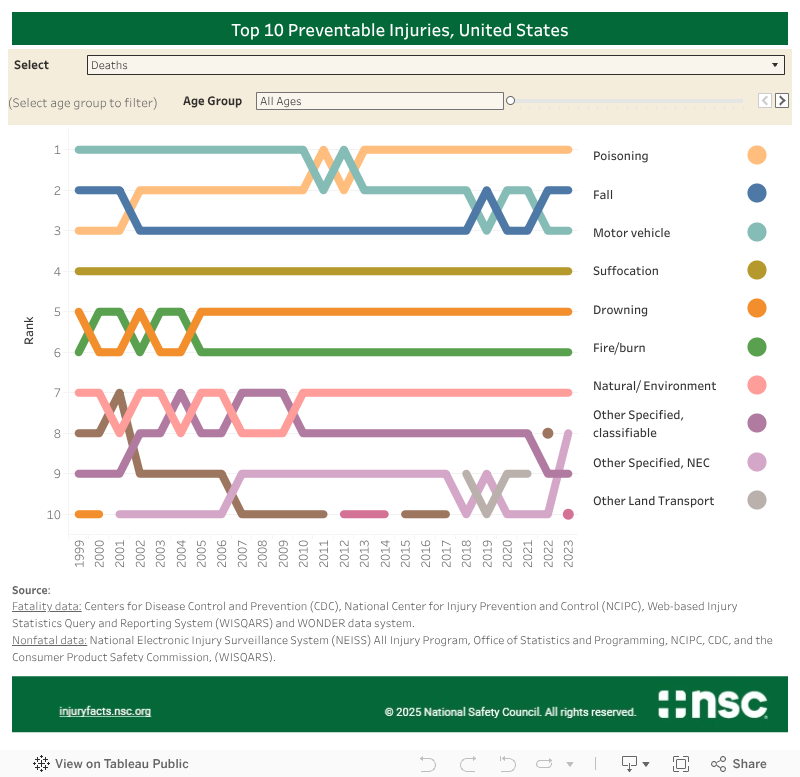
Credit: injuryfacts.nsc.org
Role Of Policy And Regulation
Policies and regulations play a crucial role in injury prevention. They set standards and enforce rules that help keep people safe. By implementing effective policies, governments and industries can reduce the risk of accidents. These rules create a safer environment for everyone.
Government Initiatives
Governments worldwide launch initiatives to prevent injuries. They introduce road safety laws to reduce traffic accidents. Seat belt and helmet mandates have saved countless lives. Workplace safety regulations protect employees from hazards. Inspectors ensure compliance, promoting safer working conditions.
Public awareness campaigns educate citizens on safety practices. They highlight the importance of following rules and staying vigilant. These initiatives empower individuals to make safer choices.
Industry Standards
Industries establish standards to maintain safety in their operations. These standards guide businesses in creating safe products and services. Organizations like ISO develop these guidelines, ensuring global consistency.
Adhering to industry standards minimizes risks and prevents injuries. Companies conduct regular safety audits to identify potential hazards. This proactive approach helps maintain high safety levels.
Continuous improvement in standards ensures they stay relevant. As technology evolves, these standards adapt to new challenges. This adaptability is key to ongoing injury prevention.
Psychological Aspects
The psychological aspects of injury prevention are often overlooked, yet they play a crucial role in understanding and mitigating risks. How you perceive risk and your behaviors can significantly impact your safety. Let’s delve into these psychological components to see how they affect injury prevention.
Risk Perception
Your perception of risk can alter your decision-making process. Consider how you react when you see a “Wet Floor” sign. Do you walk more carefully, or do you ignore it, thinking the risk is minimal? This immediate assessment could mean the difference between a safe passage and an unexpected slip.
Many people underestimate risks due to familiarity. Crossing a street you know well might feel safer than it is. The key is to be aware of this bias and actively question your assumptions. Are you accurately evaluating the potential dangers, or are you letting comfort cloud your judgment?
Behavioral Interventions
Changing behavior is challenging but not impossible. Simple interventions can effectively reduce risk. Wearing a helmet while cycling might initially feel awkward, but over time it becomes second nature.
Behavioral interventions often rely on repetitive reminders. Think of how fitness apps prompt you to move every hour. Could similar reminders help you adopt safer habits? Consider setting alarms or using apps designed to enhance your safety awareness.
Ultimately, you hold the power to change your habits. By actively engaging with these psychological aspects, you can enhance your personal safety. What small change can you make today to prevent an injury tomorrow?
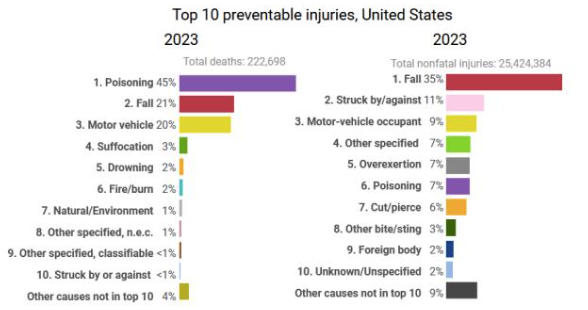
Credit: cf.son.umaryland.edu
Future Of Injury Prevention
Exploring the idea of preventing all injuries reveals complex challenges. While many injuries are avoidable, factors like human error and unforeseen events make total prevention difficult. Advances in technology and safety measures continue to reduce risks and improve overall safety standards.
The future of injury prevention is an exciting and ever-evolving field. With advancements in technology and collaboration across different sectors, we are on the brink of significant breakthroughs. The question remains, though: will these developments make all injuries preventable?Emerging Technologies
New technologies are reshaping the way we prevent injuries. Wearable devices, like smartwatches, monitor vital signs and detect potential health risks. These devices can alert you to take action before an injury occurs. Artificial intelligence (AI) is also playing a crucial role. AI can analyze patterns and predict injury risks in various settings, from sports to workplaces. Imagine a future where AI-driven tools guide you in real-time to avoid potential hazards. Virtual reality (VR) training programs are another game-changer. They provide immersive simulations that teach safe practices in high-risk environments. Engaging with VR can prepare you for situations without the actual risk.Collaborative Efforts
Preventing injuries is not a solitary effort. It requires collaboration among healthcare professionals, industries, and communities. By working together, we can share knowledge and resources to create safer environments. Community-based programs are crucial in spreading awareness. They educate individuals on the importance of injury prevention and practical steps to ensure safety. Participating in these programs can empower you to take proactive measures. Industries are also stepping up by integrating safety protocols into their operations. Companies investing in employee training and safety equipment show a commitment to reducing workplace injuries. As an employee, you can advocate for a culture of safety in your workplace. With these efforts combined, the vision of a safer future becomes more attainable. However, it’s essential to remember that while technology and collaboration can significantly reduce risks, individual awareness and responsibility play a crucial role too. Are you ready to be a part of this transformative journey in injury prevention?
Credit: www.instagram.com
Frequently Asked Questions
What Factors Contribute To Preventable Injuries?
Preventable injuries often result from factors like lack of awareness, negligence, or inadequate safety measures. These injuries can be minimized through education, proper training, and adherence to safety protocols. Identifying potential hazards and addressing them proactively plays a crucial role in reducing the occurrence of such injuries.
Can Workplace Injuries Be Completely Avoided?
While not all workplace injuries can be completely avoided, many are preventable. Implementing safety protocols, providing proper training, and ensuring protective equipment are crucial steps. Regular safety audits and fostering a safety-conscious culture can significantly reduce the risk of workplace injuries.
How Does Lifestyle Impact Injury Prevention?
A healthy lifestyle significantly impacts injury prevention. Regular exercise strengthens muscles and improves balance, reducing fall risk. Proper nutrition ensures bone strength, while adequate rest aids recovery and awareness. Avoiding risky behaviors like substance abuse further minimizes injury chances, promoting overall safety.
Are Sports Injuries Preventable With Proper Training?
Proper training and conditioning can significantly reduce sports injuries. Emphasizing correct techniques, warm-ups, and cooldowns are crucial. Using appropriate gear and understanding personal limits also play vital roles. While not all injuries can be avoided, these practices greatly minimize risks.
Conclusion
Not all injuries can be prevented. But awareness helps minimize risks. Understanding potential dangers is key. Adopting safety measures can greatly reduce accidents. Simple habits like wearing helmets or seatbelts save lives. Regular training and education on safety are crucial.
They prepare us for unexpected situations. Community involvement fosters a safer environment. Everyone plays a role in injury prevention. Encouraging safe practices benefits all. We can strive for fewer injuries together. Stay informed, stay safe, and make wise choices. Life is precious.
Protect it by prioritizing safety every day.