
Imagine waking up each day with boundless energy and a clear mind. Your body feels stronger, and your mood is brighter.
This isn’t just a dream; it’s the power of a nutrition-packed diet. You might think you’re eating well, but are you truly nourishing your body with the essential nutrients it craves? A diet rich in vitamins, minerals, and other vital nutrients can transform your health and wellbeing, making you feel more alive than ever.
You’ll discover the secrets to crafting a nutrition-packed diet that not only supports your health goals but also satisfies your taste buds. We’ll dive into the foods that fuel your body and mind, and share tips to seamlessly incorporate these nutritional powerhouses into your daily routine. Ready to unlock the full potential of your diet? Let’s explore how you can make every bite count.

Credit: www.instagram.com
Benefits Of A Nutrition Packed Diet
A nutrition-packed diet is not just a trend; it’s a lifestyle choice with far-reaching benefits. By focusing on wholesome, nutrient-rich foods, you can transform your health and well-being in profound ways. Imagine waking up with more energy, feeling mentally sharp, and rarely falling sick. These are just some of the rewards you can reap when you prioritize nutrition in your daily meals.
Enhanced Energy Levels
Have you ever wondered why some days you feel sluggish and others you’re bursting with energy? The answer often lies in your diet. A nutrition-packed diet fuels your body with the essential vitamins and minerals it needs. When you choose whole grains, fruits, and lean proteins, you’re providing sustained energy that keeps you active all day.
Think about that afternoon slump. Instead of reaching for a sugary snack, consider a handful of nuts or a piece of fruit. You’ll notice the difference in how your body responds. This simple switch can keep your energy steady without the crash.
Improved Mental Health
Your brain is heavily influenced by what you eat. Foods rich in omega-3 fatty acids, like salmon and walnuts, can enhance brain function. They help improve memory and concentration, making you more productive.
Imagine tackling your daily tasks with clarity and focus. By including foods like leafy greens and berries, you’re supporting your mental health and reducing stress. It’s not just about physical health; your diet can uplift your mood and mental resilience.
Stronger Immune System
Ever notice how some people rarely catch a cold? A strong immune system is often the result of a nutrition-packed diet. Vitamins A, C, and E found in foods like carrots, oranges, and almonds bolster your body’s defenses.
Consider the impact of regularly consuming a rainbow of fruits and vegetables. You’ll be better equipped to fight off infections and bounce back quickly when you do fall ill. A robust immune system is your body’s armor against sickness.
Have you experienced these benefits in your own life? Or are you ready to make a change? Embrace a nutrition-packed diet and watch how it transforms your energy, mood, and health. It’s a journey worth taking.
Key Nutrients For Optimal Health
A nutrition-packed diet fuels your body with essential nutrients. These nutrients help maintain optimal health and vitality. Knowing which nutrients to include can make a significant difference in your well-being.
Essential Vitamins And Minerals
Vitamins and minerals are vital for body functions. They support the immune system, bone health, and energy production. Vitamin C boosts immunity, while calcium strengthens bones. Iron aids in oxygen transport, and potassium maintains heart health.
Foods rich in these nutrients include fruits, vegetables, and dairy. Incorporating a variety of these foods ensures a balanced intake.
Role Of Antioxidants
Antioxidants protect the body from harmful free radicals. These free radicals can damage cells, leading to chronic diseases. Antioxidants neutralize them, promoting better health.
Common antioxidants include vitamin E, vitamin C, and beta-carotene. Foods like berries, nuts, and leafy greens are packed with antioxidants. Regular consumption supports healthy aging and disease prevention.
Importance Of Fiber
Fiber is crucial for digestive health. It helps regulate bowel movements and prevents constipation. A high-fiber diet can also lower cholesterol levels.
Fiber-rich foods include whole grains, fruits, and vegetables. These foods aid in weight management and improve heart health. Eating enough fiber keeps the digestive system running smoothly.
Creating A Balanced Meal Plan
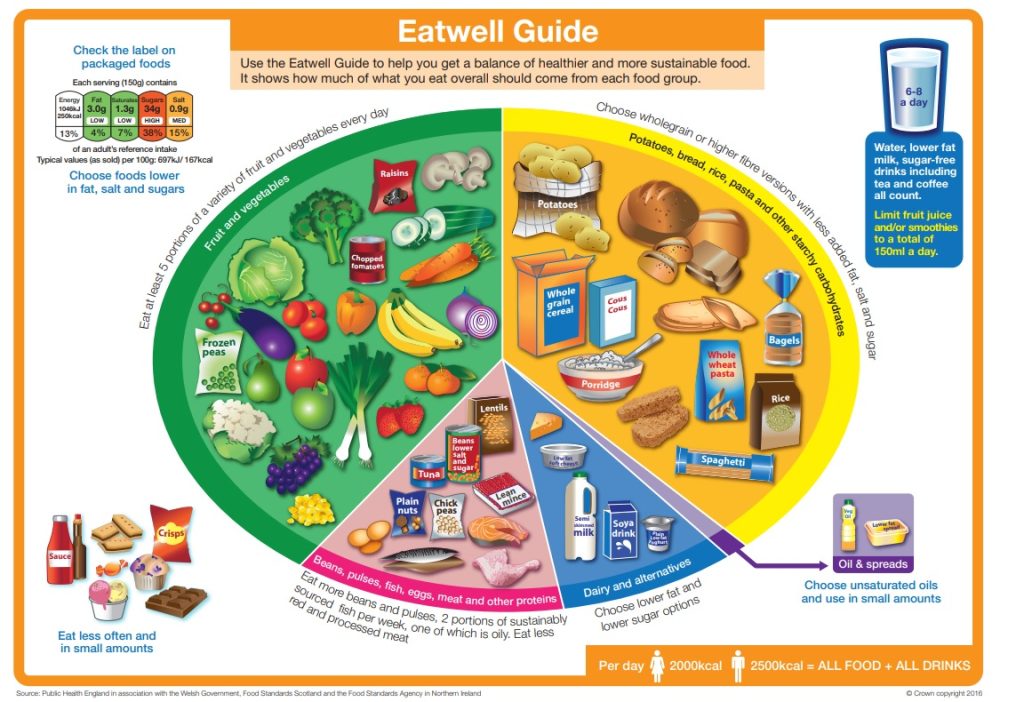
Crafting a balanced meal plan ensures a nutrition-packed diet. Incorporate a variety of colorful fruits, vegetables, lean proteins, and whole grains. This approach helps meet daily nutrient needs while supporting overall health.
Creating a balanced meal plan is essential for maintaining good health and ensuring you get the nutrients your body needs. It’s not just about what you eat, but how you organize your meals to create a sustainable and enjoyable eating habit. Let’s dive into some practical strategies to help you build a well-rounded meal plan that supports your nutritional goals.Incorporating Diverse Food Groups
A vibrant plate is not only appealing to the eye but nourishing to the body. Including a variety of food groups ensures you get a mix of vitamins, minerals, and other nutrients. Think about adding:- Fruits and vegetables for fiber and antioxidants
- Whole grains for sustained energy
- Lean proteins for muscle repair
- Dairy or plant-based alternatives for calcium
- Healthy fats from nuts and seeds
Mindful Portion Control
Portion control is crucial for avoiding overeating and maintaining energy levels. It’s not just about cutting down, but understanding your body’s needs. Use your hand as a guide:- Fist size for carbohydrates
- Palm size for proteins
- Thumb size for fats
Meal Timing And Frequency
When you eat can be just as important as what you eat. Regular meal times help regulate hunger hormones and prevent energy dips throughout the day. Consider:- Three main meals with balanced nutrients
- Two to three snacks to keep hunger at bay
- A consistent eating schedule to stabilize blood sugar levels
Credit: www.gatesheadhealth.nhs.uk
Superfoods To Include
Boost your nutrition with superfoods like quinoa, chia seeds, and kale. These foods offer vitamins, minerals, and antioxidants. Including them in your meals can enhance overall health and vitality.
Eating a nutrition-packed diet can transform your health. Superfoods are an essential part of this journey. They offer vital nutrients and support overall well-being. These foods pack a punch with their dense nutritional profiles. Let’s explore some superfoods you should include in your diet.Leafy Greens And Cruciferous Vegetables
Leafy greens are powerhouses of nutrition. Spinach and kale are rich in vitamins A, C, and K. They also provide essential minerals like iron and calcium. Cruciferous vegetables, such as broccoli and cauliflower, are also vital. They contain compounds that may reduce cancer risk. Add these vegetables to your meals for a nutrient boost.Nuts And Seeds
Nuts and seeds are small but mighty. Almonds, walnuts, and flaxseeds are full of healthy fats and protein. They provide fiber and essential nutrients like magnesium. These foods support heart health and improve digestion. A handful of nuts or seeds makes a perfect snack.Fruits Rich In Vitamins
Fruits are nature’s candy and full of vitamins. Citrus fruits like oranges provide vitamin C, boosting immunity. Berries, such as strawberries and blueberries, offer antioxidants. These fruits protect cells from damage and support skin health. Enjoy fruits daily to benefit from their vitamins and minerals.Tips For Sustaining A Healthy Diet
Adopting a nutrition-packed diet can feel overwhelming at first, but with the right strategies, maintaining a healthy eating habit becomes second nature. It’s about making smart choices, experimenting with recipes, and keeping your motivation high. Let’s delve into some practical tips that can help you sustain a healthy diet effortlessly.
Smart Grocery Shopping
Your journey to a healthier diet starts at the grocery store. Begin by making a list of healthy essentials like fresh fruits, vegetables, whole grains, and lean proteins. This way, you avoid impulse buys and stick to your nutritional goals.
Consider shopping during off-peak hours to have a more relaxed experience. You’ll find it easier to focus on your list rather than rushing through the aisles. Also, pay attention to labels. Opt for items with minimal ingredients and those you can easily pronounce.
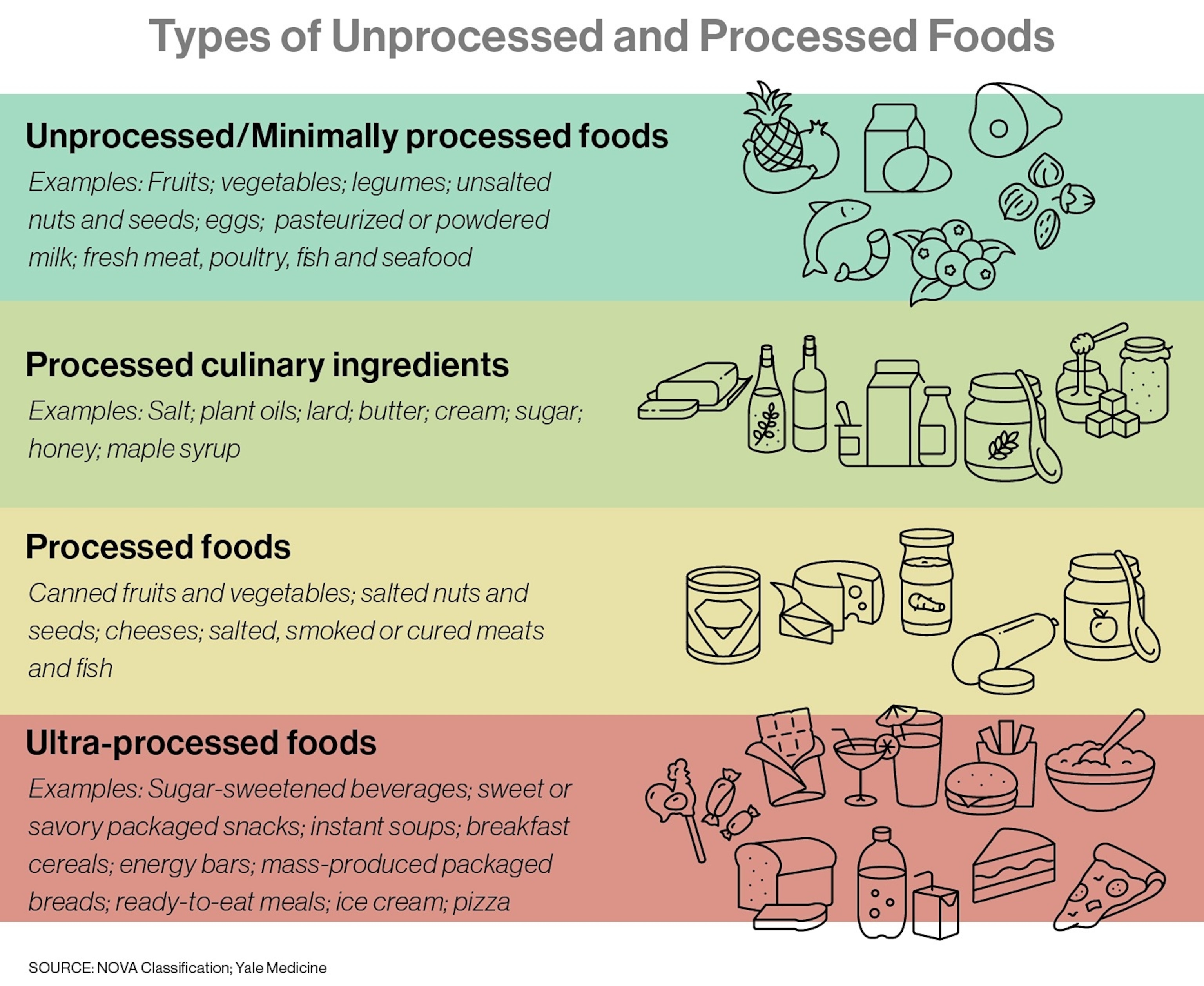
Do you ever find yourself wondering if that new trendy snack is worth the hype? A simple rule is to prioritize whole foods over processed ones. Your body will thank you, and you’ll notice a boost in energy levels.
Easy And Nutritious Recipes
Cooking nutritious meals doesn’t have to be complicated. Explore simple recipes that require minimal ingredients but pack a punch in flavor. Think hearty soups, vibrant salads, or oven-roasted veggies.
Batch cooking is a lifesaver for busy weeks. Preparing meals in advance means you’re less likely to opt for unhealthy fast food. Try cooking a large pot of quinoa or brown rice, which can be the base for several meals.
How about experimenting with spices? They add incredible flavor without the need for extra salt or sugar. Spices like turmeric, cumin, and paprika can transform a basic dish into something extraordinary.
Staying Motivated And Consistent
Maintaining a healthy diet requires consistency. Set realistic goals that are achievable and rewarding. Celebrate small victories, like choosing a homemade meal over takeout.
Remember, your mindset plays a crucial role. Keep a journal of your progress and reflect on how these changes impact your mood and energy levels. It’s empowering to see how far you’ve come.
What keeps you motivated? Sharing your journey with friends can offer support and accountability. Consider joining a community or group focused on healthy eating. It’s always easier when you have a cheering squad behind you.
Credit: abcnews.go.com
Common Challenges And Solutions
Eating a nutrition-packed diet can bring many health benefits. Yet, it often comes with challenges. Many people face issues like cravings, social situations, and budget constraints. Understanding these challenges is the first step to overcoming them. Here, we discuss practical solutions to help you maintain a nutritious diet.
Overcoming Cravings
Cravings can disrupt even the best diet plans. They often lead to unhealthy choices. To manage cravings, identify what triggers them. Stress and boredom are common triggers. Keep healthy snacks handy. Nuts, fruits, and yogurt are great options. Drinking water can also reduce cravings. Sometimes thirst is mistaken for hunger. Plan your meals to include a balance of nutrients. This keeps you satisfied and reduces sudden cravings.
Handling Social Situations
Social events can challenge your diet choices. Buffets and parties often offer unhealthy foods. Before attending, eat a healthy snack. This reduces the temptation to overeat. At the event, choose smaller portions. Fill your plate with salads and vegetables. Socializing can distract from eating. Focus on conversations and activities. Also, inform friends about your dietary goals. They might support your choices by offering healthy options.
Budget-friendly Nutrition
Eating healthy doesn’t have to be expensive. Plan your meals for the week. This helps in buying only what you need. Buy fruits and vegetables in season. They are cheaper and fresher. Consider frozen or canned options too. They last longer and maintain nutrients. Bulk buying grains, beans, and nuts can save money. Cooking at home is cost-effective. It also lets you control ingredients for better nutrition.
Frequently Asked Questions
What Is A Nutrition Packed Diet?
A nutrition packed diet includes a variety of whole foods. It focuses on fruits, vegetables, lean proteins, and whole grains. These foods provide essential vitamins, minerals, and antioxidants. A balanced intake helps support body functions and overall health. It’s a sustainable approach to eating well.
Why Are Whole Foods Important In A Diet?
Whole foods are crucial because they are minimally processed. They retain essential nutrients and fibers that are often lost in processing. This promotes better digestion and absorption of nutrients. Whole foods help maintain energy levels and reduce the risk of chronic diseases.
How Can I Start A Nutrition Packed Diet?
Begin by incorporating more fruits and vegetables into meals. Choose whole grains over refined grains for better nutrition. Opt for lean proteins like chicken or fish. Gradually reduce processed foods and sugary drinks. Planning meals and snacks ahead can also help maintain a balanced diet.
What Benefits Does A Nutrition Packed Diet Offer?
A nutrition packed diet supports overall health and well-being. It boosts immune function and reduces chronic disease risk. This diet enhances energy levels and improves mood. It also promotes better weight management and supports brain health. Long-term, it contributes to a healthier lifestyle.
Conclusion
Eating a nutrition packed diet boosts your health. It’s a smart choice for everyone. You gain energy and feel better. Essential nutrients support your body’s needs. Balanced meals help maintain a healthy weight. Fresh fruits and vegetables offer vital vitamins.
Protein strengthens muscles and bones. Whole grains provide necessary fiber. Hydration is key; drink plenty of water daily. Simple changes make a big difference. Start today and enjoy the benefits. Your body will thank you. Stay consistent and thrive. Healthy habits create a strong foundation for life.
Make nutrition a priority now. Feel the positive impact quickly.