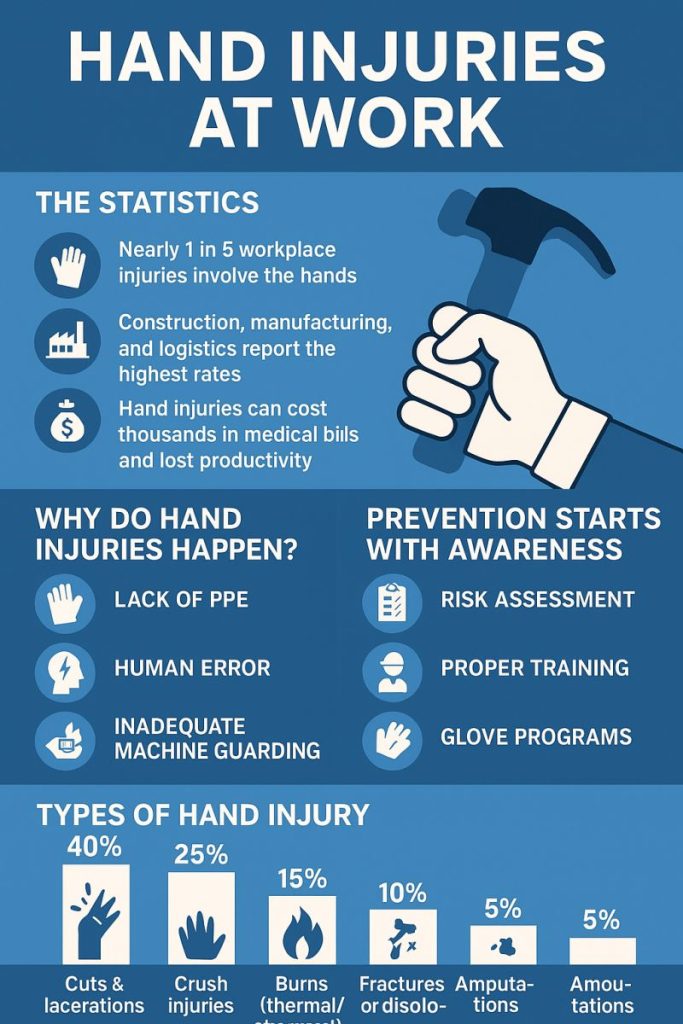
Are you aware of the risks your hands face every day at work? Hand injuries are more common than you might think and can lead to serious consequences, affecting not just your job but your daily life.
Imagine struggling with even the simplest tasks, like holding a cup of coffee or typing on your keyboard. It sounds frustrating, right? The good news is, you have the power to protect yourself. By understanding how to prevent hand injuries in the workplace, you can ensure your safety and peace of mind.
This article will guide you through practical, easy-to-follow steps to keep your hands safe. So, ready to take control and safeguard one of your most valuable assets? Let’s dive in.

Credit: www.safetyandhealthmagazine.com
Common Causes Of Hand Injuries
Protecting hands at work requires awareness of common injury causes like cuts, burns, or repetitive strain. Wearing gloves and taking regular breaks can help prevent these injuries. Proper training on equipment use also reduces risks effectively.
Hand injuries are all too common in the workplace, often leading to pain, missed workdays, and even long-term disability. Understanding the causes of these injuries is the first step towards prevention. By identifying common hazards, you can take proactive steps to protect yourself and your coworkers.Inadequate Safety Training
Lack of proper training is a major contributor to hand injuries. When employees aren’t fully trained to use machinery or tools, the risk of accidents increases significantly. Regular safety workshops and hands-on training can help bridge this gap.Improper Use Of Equipment
Using tools or machinery incorrectly can lead to severe hand injuries. Whether it’s operating a saw without the guard or using a wrench that’s too small, these mistakes are avoidable. Always follow the manufacturer’s instructions and use the right tool for the job.Poor Workplace Ergonomics
Ergonomics might sound like a fancy term, but it boils down to setting up your workspace in a way that minimizes strain. For instance, repetitive tasks without proper breaks can lead to carpal tunnel syndrome or tendonitis. Adjusting your workstation and taking regular breaks can make a huge difference.Neglecting Personal Protective Equipment (ppe)
Not wearing appropriate gloves or other protective gear can put your hands at risk. PPE is designed to protect you from specific hazards, whether chemical, thermal, or mechanical. Ensure you have the right gear for your specific tasks and wear it consistently.Distractions And Inattention
A momentary lapse in focus can result in a serious injury. Whether you’re chatting with a coworker or thinking about weekend plans, it’s easy to lose concentration. Stay mindful and focus on the task at hand to avoid unnecessary risks. By being aware of these common causes, you can make small adjustments that lead to big improvements in safety. What steps will you take today to ensure a safer workplace for yourself and others?Importance Of Hand Safety
Hand safety is crucial in the workplace. Hands are essential for most tasks, from typing to lifting. Protecting them prevents injuries and maintains productivity. Prioritizing hand safety reduces risks and ensures a healthy work environment.
Understanding Common Hand Injuries
Common hand injuries include cuts, sprains, and fractures. They often occur due to mishandling tools or machinery. Identifying these injuries helps in taking preventive measures.
Implementing Proper Training Programs
Training programs educate employees on hand safety practices. They teach correct handling of equipment and emergency procedures. Regular training refreshes knowledge and keeps safety top of mind.
Providing Protective Equipment
Protective equipment like gloves shields hands from harm. Choose gloves suitable for specific tasks. Ensure they fit well to allow free movement. Regular inspections of equipment ensure reliability.
Promoting Workplace Safety Culture
A strong safety culture emphasizes the importance of hand protection. Encourage workers to report hazards promptly. Reward safe practices to motivate employees. Regular safety meetings reinforce awareness.
Ensuring Regular Safety Audits
Regular audits identify potential risks in the workplace. Inspect tools, machines, and procedures thoroughly. Address issues immediately to prevent accidents. Keeping records of audits helps track improvements.
Implementing Safety Training
Implementing safety training is essential for reducing hand injuries in the workplace. Teaching proper tool handling and awareness can protect employees from common hazards. Regular workshops and demonstrations help reinforce safe practices and minimize risk.
Implementing Safety Training is crucial for preventing hand injuries in the workplace. Proper training equips employees with knowledge and skills to handle tasks safely. Companies should focus on creating a culture of safety through various training methods.Regular Safety Workshops
Regular workshops keep safety knowledge fresh. They provide updates on new safety standards. Workshops encourage employees to think about safety continuously. Interactive sessions ensure active participation. Employees learn best practices for hand safety. These workshops should be scheduled frequently.Hands-on Training Sessions
Hands-on sessions offer practical experience. Employees practice using tools and equipment safely. Real-life scenarios help in better understanding. These sessions build confidence in handling tasks. Employees can ask questions and receive guidance. Safe practices become second nature through repetition.Safety Protocols And Procedures
Clearly defined protocols ensure consistency. Procedures should be simple and easy to follow. Employees should know how to report hazards. Regular updates keep protocols relevant. Visual aids can help in explaining procedures. Protocols should be accessible to all workers.
Credit: www.ishn.com
Proper Use Of Personal Protective Equipment
Hand injuries in the workplace can be a significant concern, impacting both personal well-being and overall productivity. One of the most effective strategies to prevent these injuries is the proper use of Personal Protective Equipment (PPE). This involves selecting the right gear, maintaining its integrity, and ensuring that it fits comfortably. By focusing on these critical aspects, you can significantly reduce the risk of hand injuries, allowing you to work safely and efficiently.
Selecting The Right Gloves
Choosing the right gloves is crucial for hand protection. Not all gloves are created equal, and the type you need depends on the specific tasks you’re performing. Are you dealing with chemicals? You might need chemical-resistant gloves. Handling sharp objects? Cut-resistant gloves should be your go-to. Consider the environment and materials you work with. By selecting gloves tailored to your activities, you ensure optimal safety and comfort.
Maintaining Equipment Integrity
Once you’ve selected the right gloves, maintaining their integrity is essential. Regular inspection for tears, holes, or wear is crucial. Damaged gloves can compromise safety. Think of your gloves as your first line of defense—keeping them in top condition ensures they perform effectively. Implement a routine check before starting your work. A small tear can lead to a significant injury, so don’t ignore minor damage.
Ensuring Proper Fit And Comfort
Comfort is often overlooked but plays a vital role in PPE effectiveness. Ill-fitting gloves can hinder performance and lead to accidents. Have you ever tried working with gloves that are too tight or too loose? It affects dexterity and can lead to mishaps. Always ensure a snug fit that allows freedom of movement. By prioritizing comfort, you not only enhance safety but also improve your work efficiency.
Have you ever considered how much time you spend selecting and maintaining your PPE? The right approach to PPE can be a game-changer in reducing workplace hand injuries. By focusing on selecting the right gloves, maintaining their integrity, and ensuring they fit comfortably, you take proactive steps in safeguarding your health and enhancing your performance.
Ergonomic Workstation Design
Ergonomic workstation design plays a vital role in preventing hand injuries. A well-designed workspace reduces strain and enhances comfort. It ensures that tools and equipment are within easy reach. This minimizes awkward postures and repetitive movements.
Adjustable Workstations
Adjustable workstations cater to individual needs and preferences. Chairs, desks, and monitors should be height-adjustable. This allows workers to maintain a neutral wrist position. Adjustable workstations support varied body types. They reduce the risk of hand fatigue and injury.
Tools And Equipment Placement
Proper placement of tools and equipment is crucial. Items should be within easy reach and aligned with the body. This prevents overreaching and awkward hand positions. Frequently used tools should be kept close. This minimizes movement and reduces stress on the hands.
Reducing Repetitive Strain
Repetitive tasks increase the risk of hand injuries. It’s important to vary tasks throughout the day. Breaks and stretches help alleviate muscle tension. Ergonomic tools can reduce repetitive strain. They offer better grip and reduce the need for excessive force.
Safe Handling Of Tools And Machines
Ensuring the safe handling of tools and machines is crucial at work. It reduces the risk of hand injuries significantly. Employees must stay informed about safety practices. This knowledge helps in maintaining a secure environment. Safe handling involves understanding equipment, checking for faults, and using tools correctly. Regular training and adherence to safety procedures are essential. Implementing these measures can prevent accidents.
Regular Equipment Inspections
Inspect tools and machines before each use. Look for any visible damage or wear. Faulty equipment poses a serious hazard. Regular checks help identify problems early. Replace or repair defective tools promptly. Keep a record of inspections for accountability. This practice ensures equipment is always in good condition.
Proper Tool Usage Techniques
Learn how to use each tool properly. Follow the manufacturer’s instructions carefully. Use the right tool for the job. Improper usage increases injury risk. Grip tools firmly to maintain control. Avoid using excessive force. Ensure a stable work area free from distractions. These techniques help in preventing accidents.
Lockout/tagout Procedures
Lockout/Tagout (LOTO) ensures machinery is safe during maintenance. It involves shutting down and locking equipment. This prevents accidental start-up. Tagging indicates who is performing maintenance. Only authorized personnel should perform LOTO procedures. Proper training on LOTO is vital for safety. Following these steps can prevent severe hand injuries.
Encouraging A Safety Culture
Promoting a culture of safety can significantly reduce hand injuries in the workplace. Regular safety training and clear guidelines help workers understand risks and protect their hands. Providing proper protective gear further ensures hands are shielded from potential hazards.
Encouraging a safety culture in the workplace is crucial for preventing hand injuries. A proactive approach can make a difference. It fosters an environment where everyone feels responsible for safety. Workers should feel empowered to speak up about potential risks. Encouraging safety means making it a part of daily routines.Promoting Open Communication
Open communication is essential in a safety-focused culture. Employees should report hazards without fear. Create channels for feedback and suggestions. Regular safety meetings can reinforce this practice. Encourage employees to share ideas for safer processes. A transparent environment reduces accidents.Rewarding Safety Compliance
Recognize and reward those who follow safety protocols. Positive reinforcement encourages others to do the same. Implement a system to acknowledge safe behavior. This can be a monthly award or a simple thank-you. Such gestures boost morale and commitment to safety. It shows that safety is valued by the organization.Continuous Improvement Initiatives
Safety culture requires constant improvement. Regularly review and update safety procedures. Conduct frequent training sessions for all employees. Evaluate the effectiveness of safety measures. Use feedback to refine strategies. This ensures that safety practices evolve with changing needs. Continuous improvement keeps the workplace safe and efficient.First Aid And Emergency Response
Preventing hand injuries in the workplace involves using protective gloves and keeping work areas tidy. Regular training on safe tool handling reduces risks significantly. Implementing these measures fosters a safer work environment for everyone.
First Aid and Emergency Response In any workplace, hand injuries can disrupt operations and cause distress. Immediate first aid and a clear emergency response are crucial. This helps minimize damage and speeds up recovery. Preparing your team through training can make a huge difference.Basic First Aid Training
Every employee should learn basic first aid. A well-trained team can offer quick help during hand injuries. Training sessions should cover treating cuts, sprains, and fractures. Use simple language and practical demonstrations. Regular refreshers ensure everyone stays updated.Emergency Procedures And Contacts
Create clear emergency procedures for hand injuries. Post these procedures visibly in work areas. Include key contacts like medical professionals and first responders. Ensure every employee knows these contacts. Quick access to help can prevent complications.Rapid Response And Reporting
Encourage immediate response to any hand injury. Rapid action reduces pain and limits damage. Employees should report incidents without delay. This helps track injury patterns and improve safety measures. Timely reporting also ensures accurate documentation.
Credit: www.promotesafety.com.au
Frequently Asked Questions
What Are Common Workplace Hand Injuries?
Common hand injuries include cuts, fractures, burns, and sprains. These injuries often occur due to improper use of tools or machinery. Regular training and using protective gear can significantly reduce these risks. Ensuring a safe working environment is essential for preventing hand injuries.
How Can Hand Injuries Be Prevented At Work?
Preventing hand injuries involves using proper protective gear and following safety protocols. Regular training on equipment usage is crucial. Ensuring tools are well-maintained and workers are aware of potential hazards can reduce risks. Encouraging a culture of safety awareness is also beneficial.
Why Is Hand Protection Important In The Workplace?
Hand protection is vital to prevent injuries like cuts, burns, and fractures. Using appropriate gloves and safety equipment reduces the risk of accidents. It also ensures workers can perform tasks efficiently and safely, minimizing downtime and enhancing productivity.
What Role Does Training Play In Preventing Hand Injuries?
Training ensures workers know how to use equipment safely and recognize hazards. Regular safety training updates skills and reinforces the importance of hand safety. It also instills a culture of safety awareness, reducing injury risks.
Conclusion
Preventing hand injuries at work is crucial for safety. Simple steps help a lot. Wear protective gear always. Keep tools in good shape. Train workers on safe practices. This reduces accidents. Regular breaks protect hands from strain. Encourage reporting of hazards quickly.
Safety checks should be routine. A safe workplace boosts productivity and morale. Health is a priority. Protect hands to ensure a happy work environment. Everyone must play a part in safety. Working together makes a difference. Stay informed, stay safe.
Hand health is vital. Be proactive and protect your future.