Imagine stepping off a curb and suddenly, out of nowhere, your foot twists awkwardly. Your body, however, reacts in a split second, saving you from what could have been a painful injury.
This is the power of reflexes at work, silently shielding you from harm. But how exactly can reflexes prevent injuries in your daily life? And more importantly, can you harness and improve these reflexes to better protect yourself? You’ll uncover the fascinating science behind reflexes and discover practical tips to sharpen them, making you more resilient against unexpected mishaps.
Read on to explore how your body’s natural defense mechanisms can be your secret ally in staying safe and sound.
The Science Of Reflexes
Reflexes are your body’s automatic responses to certain stimuli that can act as a first line of defense against injuries. Understanding the science behind reflexes can help you appreciate how these quick reactions safeguard your well-being. Whether it’s pulling your hand away from a hot surface or ducking to avoid a flying object, reflexes play a vital role in injury prevention.
How Reflexes Work
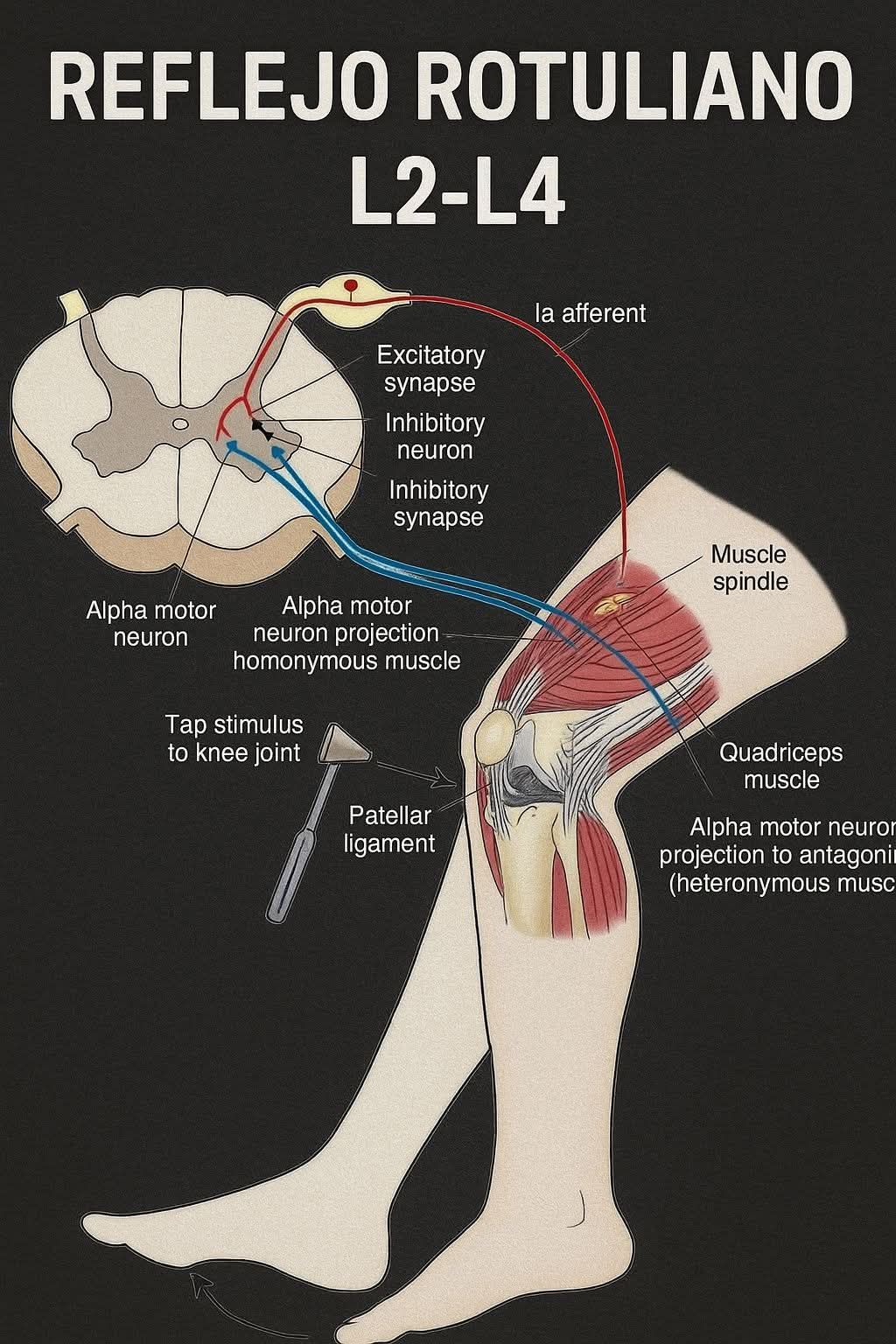
Reflexes are rapid, involuntary actions controlled by your nervous system. When a stimulus is detected, sensory neurons send a message to your spinal cord or brain, which then sends a signal back to your muscles to initiate a response. This process happens almost instantaneously, often before your brain fully processes the event.
Consider the last time you touched a hot stove. Your hand jerked back before you even realized what happened. This quick reaction is thanks to your reflexes, which bypass the brain’s decision-making process to prevent potential harm.
Types Of Reflexes
Reflexes can be categorized into several types, each serving a unique purpose. Simple Reflexes, like the knee-jerk reaction, are basic and automatic, responding to direct stimuli. These are often tested by doctors to assess neurological function.
- Complex Reflexes involve more than one synapse and are responsible for more intricate responses, such as balancing on an uneven surface.
- Learned Reflexes develop through experience and practice, like the quick movements of a seasoned athlete dodging a tackle.
Think about how athletes train their reflexes to improve performance. They rely on their learned reflexes to react swiftly, which can prevent injuries during high-impact sports. Are you actively training your reflexes, or are you relying solely on your natural instincts?
Credit: www.facebook.com
Role In Injury Prevention
Reflexes play a crucial role in injury prevention. They act as the body’s natural defense system, reacting quickly to protect us from harm. These involuntary responses are essential in avoiding injuries during sudden or unexpected events. By understanding how reflexes work, we can appreciate their importance in keeping us safe.
Immediate Response Mechanism
The body’s reflexes provide an immediate response mechanism. This system activates without conscious thought. It allows us to react swiftly to danger. For instance, pulling your hand away from a hot surface happens automatically. This quick reaction minimizes damage and prevents burns. Reflexes ensure rapid action when needed most.
Protective Reflex Actions
Protective reflex actions safeguard the body from harm. These actions include blinking, sneezing, and coughing. Blinking protects the eyes from dust or bright lights. Sneezing expels irritants from the nose. Coughing clears the airways from foreign particles. Each reflex serves a protective purpose.
Muscle reflexes also play a vital role. They stabilize joints and maintain balance. When you slip, muscles respond instantly to regain footing. This immediate action reduces the risk of falls. Reflexes like these are crucial in maintaining physical safety.
Reflex Training For Athletes
Reflex training is a vital component for athletes aiming to enhance their performance and minimize the risk of injury. By sharpening reflexive responses, athletes can react swiftly to unexpected situations, maintaining balance and control during intense activities. This training not only boosts physical capabilities but also builds mental acuity, allowing athletes to stay focused and responsive. Let’s delve into the practical steps athletes can take to improve their reflexes and stay ahead in their game.
Enhancing Reflexive Responses
Quick reflexes are crucial for athletes. They can be the difference between a successful play and a missed opportunity. Enhancing reflexive responses involves consistent practice to fine-tune the body’s natural reactions.
For example, visualizing game scenarios can mentally prepare you for real-life situations. Practicing sudden changes in direction during drills enhances muscle memory and improves your ability to react quickly.
Do you notice that seasoned athletes often seem to anticipate moves before they happen? That’s the power of trained reflexes. With dedication, you can achieve similar proficiency.
Exercises To Boost Reflexes
Incorporate exercises that challenge your reflexes and agility. Start with simple drills such as catching a ball thrown at different angles or using a reaction ball that bounces unpredictably.
- Jump Rope:A classic exercise that enhances footwork and reflexes, keeping you light on your feet.
- Agility Ladders:This tool improves coordination, speed, and reflexes, crucial for quick directional changes.
- Mirror Drills:Partner up and mirror each other’s movements, focusing on speed and accuracy.
These exercises are not only effective but also add variety to your training routine, making it more enjoyable. How often do you challenge your reflexes during practice?
By integrating reflex training into your regular workouts, you can significantly reduce the risk of injury and enhance your athletic performance. So, take action today and start refining those reflexes! Your future self will thank you.
Credit: www.ishn.com
Common Reflexes And Their Benefits
Reflexes like blinking and pulling away from heat help prevent injuries. They act quickly, often faster than thought. These automatic responses protect the body from harm, keeping us safe in daily life.
Reflexes play a crucial role in protecting the body from harm. They act as automatic responses to certain stimuli, ensuring quick reactions without conscious thought. Understanding common reflexes and their benefits can help in appreciating their role in injury prevention. These reflexes operate silently, yet they are vital for maintaining physical well-being.Stretch Reflex And Muscle Protection
The stretch reflex is a protective mechanism. It kicks in when a muscle is stretched suddenly. This reflex helps prevent muscle tears or strains. The muscle contracts quickly, reducing the risk of injury. Athletes benefit greatly from this reflex. It ensures their muscles respond swiftly, maintaining stability during sudden movements.Withdrawal Reflex In Hazard Avoidance
The withdrawal reflex protects us from immediate danger. It occurs when touching something hot or sharp. The body pulls away rapidly, minimizing potential harm. This reflex is fast and automatic. It doesn’t require thought, making it highly efficient in preventing injuries. Everyday tasks are safer with this reflex at work.Reflexes In Daily Life
Reflexes are quick responses to stimuli. They protect us from harm. We often overlook them. Yet, they play a vital role in daily activities. From catching a falling object to swerving to avoid an obstacle, reflexes help us navigate life’s challenges. They act without conscious thought, saving us precious time in emergencies.
Everyday Situations Requiring Reflexes
Life presents many situations needing reflexes. Crossing a busy street demands quick reactions. A sudden car horn alerts us to danger. We respond instantly to avoid a collision. In sports, athletes rely on reflexes to catch or dodge. Even cooking involves reflexes. Think of grabbing a falling knife or moving away from hot steam. These moments highlight the importance of reflexes.
Improving Reflexes Through Routine Activities
Routine tasks can boost reflexes. Playing video games sharpens hand-eye coordination. It enhances reaction time. Dancing improves balance and quick foot movements. Practicing yoga increases body awareness. It helps react swiftly and safely. Even simple exercises like jumping jacks aid reflex improvement. They train the body to respond faster to changes.
Credit: www.ishn.com
Impact Of Age And Health
Reflexes play a vital role in preventing injuries, especially for older adults. Quick reflexes can help the body react swiftly to potential hazards, minimizing the risk of harm. Good health and practice enhance reflexes, offering better protection from unexpected accidents.
The ability of reflexes to prevent injuries can greatly depend on age and health. As we age, our reflexes might not be as sharp as they once were. Health conditions can further impact how quickly and effectively our body responds to potential harm. Understanding these factors can help you take proactive steps in maintaining or improving your reflexes, safeguarding yourself against injuries.Age-related Changes In Reflexes
Reflexes naturally slow down with age. This can mean slower reaction times to sudden obstacles or balance changes. Many older adults notice they don’t recover from stumbles as quickly as they did in their younger years. Engaging in regular physical activity can help mitigate this slowdown. Exercises that promote balance and coordination, like yoga or tai chi, can be particularly beneficial. Consider the activities you engage in daily. Are they helping maintain your reflexes or contributing to their decline?Health Conditions Affecting Reflexes
Certain health conditions can dramatically affect reflexes. Diabetes, for example, can lead to nerve damage, slowing reflexes and increasing injury risk. Similarly, neurological disorders like Parkinson’s disease can compromise reflexive actions. Regular health check-ups can help identify and manage conditions impacting reflexes. Managing blood sugar levels or neurological health can make a significant difference. Have you had a recent health check-up? It’s important to stay on top of your health to keep your reflexes as responsive as possible.Techniques To Strengthen Reflexes
Enhancing reflexes can help avoid injuries by improving reaction time. Quick responses protect the body during unexpected events. Simple exercises like catching a ball or practicing balance can boost these reflexes.
Techniques to Strengthen ReflexesEnhancing reflexes can help prevent injuries in daily activities. Quick reflexes mean faster reactions to potential dangers. This agility can be trained and improved with specific techniques. Diet and Nutrition for Better ReflexesA balanced diet supports a sharp reflex system. Essential nutrients like omega-3 fatty acids boost brain health. Foods rich in antioxidants reduce inflammation and improve nerve function. Include nuts, seeds, and fish in your meals. Vitamins like B-complex and Vitamin E enhance neural pathways. Hydration is crucial too. Water keeps the body and mind alert. Mindfulness and Reflex ResponseMindfulness practices sharpen reflexes. Deep breathing exercises increase focus and reaction times. Meditation calms the mind, promoting better decision-making in split seconds. Yoga enhances body awareness and coordination. Simple mindfulness techniques can be practiced anytime. They train the brain to respond swiftly and efficiently.Frequently Asked Questions
What Is Reflex In Preventing Injuries?
Reflexes are automatic responses to stimuli, protecting the body from harm. They help react quickly to potential dangers, reducing injury risk. Reflexes can stabilize the body, maintain balance, and ensure quick withdrawal from harmful situations, enhancing safety.
How Do Reflexes Enhance Athletic Performance?
Reflexes improve reaction times, aiding athletes in responding swiftly to dynamic situations. Quick reflexes help in anticipating movements, maintaining balance, and executing precise actions. This enhances overall performance and reduces the likelihood of injuries during sports activities.
Can Reflex Training Reduce Injury Risk?
Yes, reflex training can significantly lower injury risks. It improves the body’s ability to respond quickly to unexpected situations. Enhanced reflexes ensure better coordination, stability, and balance, minimizing the chances of accidents or falls.
Are Reflexes Important For Daily Activities?
Reflexes play a crucial role in everyday safety. They help us react to sudden hazards like slipping or tripping. Quick reflexes allow for immediate protective actions, preventing potential injuries in daily life scenarios.
Conclusion
Reflexes play a vital role in preventing injuries. They act fast, protecting us from harm. Quick reflexes help us dodge unexpected dangers. Practice improves them. Exercises sharpen reflexes and boost safety. Strong reflexes mean fewer accidents. They keep our bodies safe during sports or daily activities.
Pay attention to reflexes and enhance them through training. Regular practice builds better response times. Stay safe by making reflexes a priority. Protect yourself by maintaining good reflexes. They are your body’s natural defense. Embrace the importance of reflexes for a safer life.