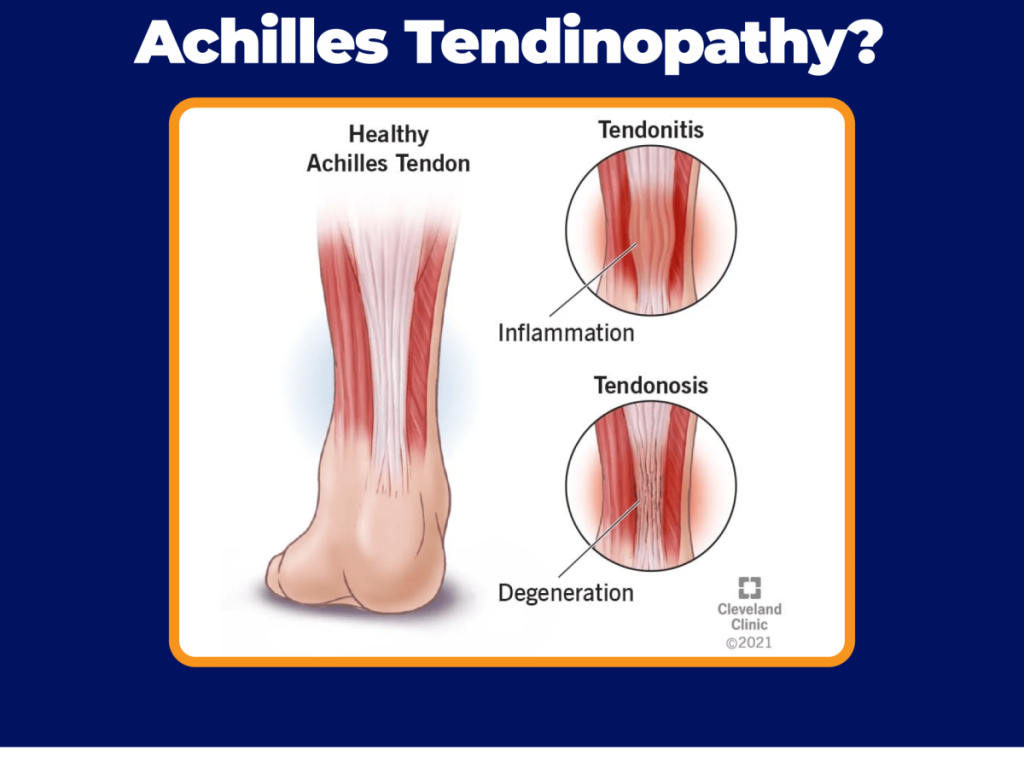
Are you worried about the dreaded Achilles injury sidelining your active lifestyle? You’re not alone.
This common yet frustrating injury can impact anyone, from seasoned athletes to weekend warriors. But the good news is that you can take steps to protect your Achilles tendon before it’s too late. Imagine staying ahead of the game, feeling confident with every stride, and keeping pain at bay.
This guide reveals simple, effective strategies to help you prevent an Achilles injury and keep moving forward. Ready to safeguard your mobility and enjoy a healthier, happier you? Let’s dive into the essential tips that could make all the difference.
Understanding The Achilles Tendon
Proper stretching and strengthening exercises can help prevent Achilles tendon injuries. Wear supportive footwear to provide stability. Gradually increase the intensity of your activities to avoid strain.
Understanding the Achilles Tendon The Achilles tendon connects your calf muscles to your heel bone. It’s the thickest and strongest tendon in your body. It plays a key role in walking, running, and jumping. Despite its strength, it’s prone to injuries. Understanding its function helps in preventing injuries.What Is The Achilles Tendon?
The Achilles tendon is a band of fibrous tissue. It stretches from the calf muscles to the heel. It helps in foot movement, allowing you to push off the ground. This tendon endures great stress during physical activities.Importance Of The Achilles Tendon
The tendon helps in walking, running, and jumping. It absorbs and releases energy, enabling efficient movement. Strong and healthy tendons support overall mobility. Keeping it healthy is crucial for an active lifestyle.Common Causes Of Achilles Injuries
Achilles injuries often occur due to overuse. Sudden increases in activity levels can strain the tendon. Tight calf muscles also increase injury risk. Poor footwear can lead to added stress on the tendon.Symptoms Of An Achilles Injury
Pain is a common symptom of an Achilles injury. Swelling and stiffness around the tendon often occur. You might feel discomfort during movement. Sometimes, you may hear a popping sound at the time of injury.How The Achilles Tendon Heals
The tendon heals through rest and proper care. Inflammation and pain may subside with time. Physical therapy helps regain strength and flexibility. In severe cases, surgery might be necessary for recovery.Common Causes Of Injury
Preventing an Achilles injury starts with understanding its common causes. Knowing these can be the key to keeping your feet firmly planted on the ground. Whether you’re an athlete pushing your limits or someone who enjoys a casual jog, Achilles injuries can sideline you unexpectedly. So, what are the typical culprits behind these painful setbacks?
Overuse And Repetition
Continuous stress on your Achilles tendon can lead to inflammation and micro-tears. Activities that involve repetitive movements, like running or jumping, amplify this risk. Think about how often you challenge your limits without giving your body a break. Moderation is key—balance your workouts with sufficient rest.
Improper Footwear
Do your shoes fit well and offer proper support? Footwear lacking adequate cushioning and support can increase the strain on your tendons. Consider investing in shoes designed for your specific activity, ensuring they absorb shock effectively. It’s worth the time to find the right fit.
Inadequate Warm-up
Skipping a proper warm-up can be a recipe for disaster. Cold muscles are less flexible and more prone to injury. Implementing a warm-up routine that includes dynamic stretches can prepare your tendons and muscles for activity. Are you ready to make warm-ups a non-negotiable part of your routine?
Sudden Increase In Activity Intensity
Pushing your limits too fast can overwhelm your Achilles tendon. Gradually building up intensity allows your body to adapt and strengthen over time. Reflect on your recent workout changes—are you pacing yourself properly?
Weak Calf Muscles
Weak calf muscles can lead to an over-reliance on your Achilles tendon during physical activity. Strengthening your calves can distribute the workload more evenly. Simple calf raises and targeted exercises can make a significant difference. Have you checked your calf strength lately?
Understanding these causes empowers you to make smarter choices and prevent potential injuries. What changes can you make today to protect your Achilles tendon?
Recognizing Early Warning Signs
Spotting early signs of Achilles injury can help in prevention. Notice any persistent pain or swelling in the heel. Rest and proper stretching can reduce the risk significantly.
Recognizing early warning signs of an Achilles injury is crucial. Early detection helps prevent further damage and aids quick recovery. By paying attention to subtle symptoms, you can act before the injury worsens.Understanding Tenderness Or Stiffness
Notice any tenderness around your Achilles tendon. Stiffness, especially in the morning, can indicate a problem. These signs often appear before intense pain starts.Identifying Swelling Or Thickening
Check for unusual swelling around the tendon. Thickening of the tendon can also signal trouble. These changes often go unnoticed but are key indicators.Experiencing Pain During Activity
Pain when walking or running can be an early sign. Monitor discomfort during physical activities. This pain might feel like a mild ache or sharp sensation.Observing Limited Range Of Motion
Difficulty flexing your foot or moving your ankle may suggest an issue. A restricted range of motion can indicate tendon strain.Listening To Your Body
Your body often warns you before serious injury occurs. Listen to unusual sensations in your Achilles area. Trust these signals to prevent further damage.
Credit: www.amazon.com
Stretching Techniques
Proper stretching techniques can help prevent an Achilles injury. Focus on calf stretches and heel drops to maintain flexibility. Consistent stretching keeps the Achilles tendon strong and less prone to injury.
Stretching Techniques Stretching is a crucial part of preventing Achilles injuries. It keeps your muscles flexible and ready for action. But are you stretching effectively? A well-structured stretching routine can make a huge difference. Let’s dive into some techniques to keep your Achilles tendons safe.Effective Calf Stretches
Calf stretches are essential for maintaining flexibility in the lower leg. Start with a basic standing calf stretch. Place one foot behind you and lean into a wall, keeping the heel on the ground. Hold the stretch for 20-30 seconds, feeling the tension in your calf. Repeat on the other leg. Another effective method is the seated calf stretch. Sit on the floor with your legs extended. Loop a towel around the ball of your foot and gently pull back. Feel the stretch in your calf and Achilles tendon.Heel Drop Exercises
Heel drop exercises are excellent for strengthening your Achilles tendon. Stand on a step with your heels hanging off the edge. Slowly lower your heels down until you feel a stretch in your calves. Then, raise your heels back up to the starting position. Perform 10-15 reps to build strength and flexibility. You can also try single-leg heel drops for added intensity. This focuses on one leg at a time, giving you a deeper stretch and more control. Are you incorporating these stretches into your routine? Regular practice can significantly reduce the risk of Achilles injuries.Strengthening Exercises
Strengthening exercises for the calf muscles can help prevent an Achilles injury. Regular stretching and strengthening build muscle flexibility and endurance. These exercises support the tendon and reduce strain during physical activities.
Strengthening exercises are crucial for preventing Achilles injuries. They not only build resilience in your tendons but also improve overall leg strength. Integrating specific workouts into your routine can make a significant difference.Resistance Band Workouts
Using resistance bands can effectively target your Achilles tendon. These bands add extra tension, enhancing muscle activation. Start by sitting on the floor with your legs extended. Loop the band around the ball of your foot and gently pull it towards you, keeping your leg straight. Perform this exercise for 3 sets of 10 repetitions on each leg. It’s a simple yet powerful way to boost your tendon strength.Eccentric Heel Raises
Eccentric heel raises are a game-changer for Achilles strengthening. They focus on the lowering phase of a calf raise, which is where most tendon strengthening occurs. Stand on the edge of a step with your heels hanging off. Slowly raise your heels as high as possible, then lower them below the step level. Aim for 3 sets of 15 repetitions. Feel the stretch and control the movement to maximize benefits. Have you tried these exercises before? They might be the missing piece in your injury prevention puzzle.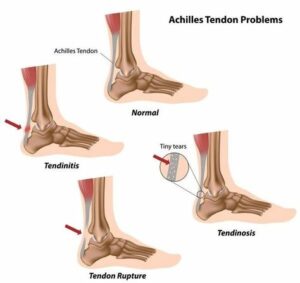
Credit: gophysiotherapy.co.uk
Proper Footwear Selection
Selecting proper footwear is crucial to prevent Achilles injuries. Shoes should provide adequate heel support and cushioning. Ensure a snug fit to stabilize the foot and reduce strain on tendons.
Selecting the right footwear can be a game-changer in preventing Achilles injuries. Proper footwear not only supports your feet but also aligns your body correctly, reducing unnecessary strain on your Achilles tendon. The wrong pair of shoes, however, can lead to discomfort, pain, and even long-term injury. So, how can you ensure you’re making the right choice?Understand Your Foot Type
Before shopping for shoes, it’s crucial to know your foot type. Are you flat-footed, have a high arch, or perhaps a neutral foot? Each type requires different support. You can easily check this by wetting your foot and stepping on a piece of paper to see your footprint. This simple test can guide you towards the right shoe design that offers the best support for your arch.Prioritize Comfort Over Style
It’s tempting to pick the trendiest shoes on the shelf, but comfort should always come first. A comfortable shoe will have a cushioned sole that absorbs shock and reduces pressure on your Achilles. Try walking around the store to see how the shoe feels. If it pinches or rubs, it’s not the right fit. Remember, the best-looking shoe won’t help if it leaves you limping after a short walk.Look For Proper Heel Support
Heel support is crucial for preventing Achilles injuries. Shoes with a slightly elevated heel can reduce tension on your tendon. However, avoid overly high heels which can create an imbalance. A good sports shoe will have a firm heel counter to keep your foot stable.Consider The Activity
The type of activity you engage in determines the kind of shoe you need. Running shoes differ from those meant for walking or hiking. For instance, running shoes often have more cushioning to handle impact, whereas hiking boots provide ankle support. Matching your shoes to your activity can prevent undue stress on your Achilles.Replace Worn-out Shoes
Worn-out shoes are a hidden danger. Over time, shoes lose their cushioning and support, becoming ineffective. As a rule of thumb, replace them every 300-500 miles if you’re a runner, or when you notice visible wear. Keeping track of your shoe’s mileage can be as simple as noting the date of purchase and monitoring your activity. Choosing the right footwear is not just about preventing Achilles injuries; it’s about investing in your overall well-being. Next time you find yourself shoe shopping, ask yourself: Is this pair truly supporting my health and activity needs?Incorporating Rest And Recovery
Incorporating rest and recovery helps prevent Achilles injuries. Muscles need time to heal and strengthen. Regular breaks reduce strain and lower injury risk.
Rest and recovery are crucial components in preventing Achilles injuries. Your body’s ability to heal and strengthen itself hinges on giving it the downtime it needs. Ignoring this essential aspect can lead to overuse injuries, which could sideline you for weeks. Let’s explore practical ways to integrate rest and recovery into your routine.Understanding The Importance Of Rest
Taking time off isn’t just about lounging on the couch; it’s about allowing your muscles to repair themselves. After a rigorous workout, your Achilles tendon needs a break to recover from the stress and strain. Try scheduling regular rest days into your week to give your body a chance to rejuvenate.Effective Recovery Techniques
Recovery goes beyond just resting. Consider incorporating techniques such as stretching, foam rolling, and massage. These methods can help increase blood flow, reduce stiffness, and prevent muscle knots that might lead to injury.Listen To Your Body
Your body often sends signals when it’s overworked. Feeling unusually fatigued or experiencing persistent soreness is a cue to take a step back. Paying attention to these signals can be your best defense against injury.Balancing Activity And Rest
Finding the right balance between activity and rest is key. You don’t want to miss out on the benefits of exercise, but pushing too hard without rest can be detrimental. Consider alternating between high-intensity workouts and lighter activities to maintain optimal health.Setting Realistic Goals
Ambitious goals are great, but they should be realistic and achievable. Setting lofty objectives without considering your body’s limits can lead to overexertion. Break your goals into smaller milestones to ensure you’re progressing safely and steadily.Utilizing Rest For Mental Clarity
Rest isn’t only beneficial physically; it also clears the mind. Taking a break can offer you a fresh perspective and renewed focus on your training regimen. This mental clarity can help you approach your workouts with a strategic and mindful attitude. Do you find yourself skipping rest days in favor of more training? How might embracing rest transform your fitness journey?
Credit: www.amazon.com
The Role Of Nutrition
Nutrition plays a crucial role in preventing Achilles injuries. What you eat can directly affect the health and resilience of your tendons. By focusing on specific foods and supplements, you can enhance tendon strength and reduce the risk of injury. Are you giving your tendons the nourishment they need?
Foods For Tendon Health
Incorporating foods rich in omega-3 fatty acids can boost tendon health. Think salmon, walnuts, and flaxseeds. These foods help reduce inflammation, which is key to preventing injuries.
Vitamin C is another vital nutrient. It aids collagen production, essential for tendon repair and strength. Strawberries, oranges, and bell peppers are excellent sources.
Don’t forget about magnesium. This mineral supports muscle function and can help prevent cramps. Leafy greens, almonds, and avocados are great choices.
Supplements To Consider
If your diet lacks certain nutrients, supplements might be necessary. Glucosamine and chondroitin are popular for joint health and can benefit your tendons too.
Collagen supplements are gaining attention for supporting tendon structure. They might be worth exploring if you’re prone to injuries.
Consider vitamin D if you’re often indoors or during winter. It’s crucial for calcium absorption and bone health, indirectly supporting tendons.
When To Seek Professional Help
Persistent pain or swelling after home care signals the need for professional help. Difficulty walking or performing daily activities warrants expert evaluation. Early intervention can prevent long-term complications and ensure a safer recovery.
When an Achilles injury strikes, knowing when to seek professional help can make all the difference in your recovery journey. Often, individuals try to self-treat or ignore symptoms, hoping they will disappear on their own. But delaying professional intervention can lead to long-term issues and potentially worsen the injury. Recognizing the signs that require expert attention is crucial for safeguarding your mobility and overall well-being.Persistent Pain And Swelling
If you experience continuous pain and swelling around your Achilles tendon, it’s a clear signal that you need to consult a healthcare professional. This could indicate a tear or serious strain that requires medical evaluation. Ignoring these symptoms can lead to more severe complications, potentially affecting your ability to walk normally.Difficulty In Movement
Struggling to move your foot or experiencing stiffness that hinders your daily activities warrants a professional assessment. Limited mobility can be a sign of a significant injury or inflammation that needs targeted treatment. Addressing this early with expert guidance can prevent further damage and promote quicker recovery.Sudden Sharp Pain
Experiencing a sudden, sharp pain in your heel or calf while performing routine activities is a red flag for seeking immediate help. This could be indicative of a ruptured Achilles tendon, a condition that requires prompt medical intervention. Waiting too long can exacerbate the injury, leading to more complex treatments and prolonged recovery time.Lack Of Improvement
If home remedies and rest aren’t improving your symptoms over a few days, it’s time to reach out to a professional. Continuous discomfort or lack of progress despite self-care efforts suggests that your injury might be more severe than initially assumed. A healthcare provider can offer tailored treatment plans to address the root cause effectively.Recurring Injuries
Frequent Achilles injuries or recurring pain should not be overlooked. This pattern indicates underlying issues that need to be addressed by a specialist. Ignoring recurrent problems can lead to chronic conditions that may permanently affect your physical activity levels. Consulting a professional can help identify contributing factors and prevent future occurrences. Taking proactive steps to consult a professional when necessary can save you from long-term consequences. Remember, your health is a priority, and seeking expert help ensures the best care for your Achilles injury. What steps will you take today to protect your mobility and enjoy an active lifestyle without pain?Frequently Asked Questions
What Causes An Achilles Injury?
Achilles injuries often result from overuse, improper footwear, or sudden increases in physical activity. Tight calf muscles and inadequate warm-ups can also contribute. Ensuring proper stretching and wearing supportive shoes can help reduce the risk of injury and maintain the health of your Achilles tendon.
How Can Stretching Prevent Achilles Injuries?
Regular stretching increases flexibility and reduces tension in the Achilles tendon. Focus on calf stretches and toe raises to strengthen and lengthen the muscles. Consistent stretching before and after exercise can significantly decrease the likelihood of Achilles injuries by promoting better movement and reducing strain.
Is Proper Footwear Important For Achilles Health?
Yes, wearing proper footwear is crucial. Shoes with adequate arch support and cushioning help absorb impact and reduce stress on the Achilles. Avoid high heels and worn-out shoes, as they can exacerbate tension. Choosing the right footwear can significantly lower the risk of injury.
Can Strengthening Exercises Prevent Achilles Injuries?
Strengthening exercises can effectively prevent Achilles injuries by improving muscle resilience. Incorporate exercises like calf raises and eccentric heel drops into your routine. These exercises help build strength and flexibility in the lower leg, ensuring better support and reducing the risk of tendon injuries.
Conclusion
Preventing Achilles injuries requires consistent care and attention. Regular stretching keeps muscles flexible. Proper footwear provides needed support. Gradual increase in activity avoids strain. Listening to your body prevents overuse. Building strength helps protect tendons. Resting after intense workouts is crucial.
Staying hydrated aids muscle function. Warm-ups prepare your body for exercise. Cool-downs help muscles relax. Balanced diet supports overall health. Remember, small steps lead to big benefits. Protect your Achilles with mindful practices. Your body will thank you. Stay safe, stay active, stay healthy.