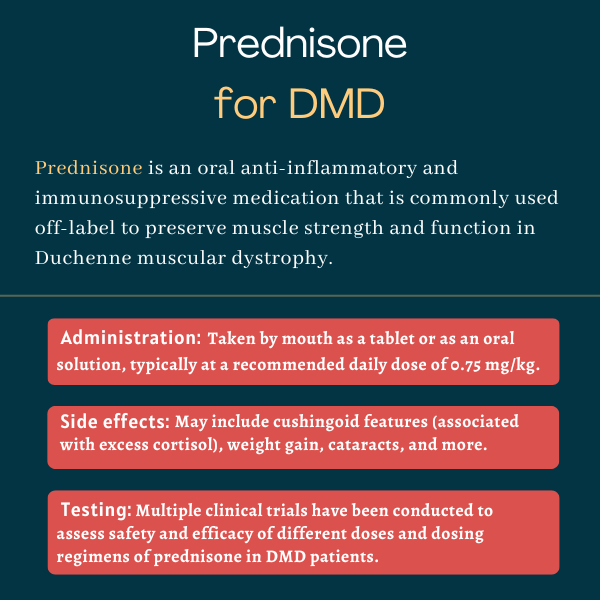
Are you curious about whether prednisone can help you build muscle? Maybe you’ve heard it mentioned in gym conversations or stumbled across it in fitness forums.
It’s easy to get overwhelmed with conflicting information, especially when it comes to something as important as your health and fitness goals. But don’t worry, you’re not alone in this quest for clarity. Understanding how prednisone works and its effects on muscle growth is crucial for making informed decisions about your fitness journey.
Dive into the details with us, and discover what science really says about prednisone and muscle building. You’ll be surprised at what you learn, and it might just change how you approach your workout strategy. Stay with us, and let’s uncover the truth together.

Credit: www.instagram.com
Prednisone: An Overview
Prednisone is a medication that often pops up in discussions about health, yet its role in muscle building can be puzzling. Understanding what prednisone is and how it’s used medically can help you make informed decisions about your health and fitness journey. Let’s delve into its basic attributes and common medical applications.
What Is Prednisone?
Prednisone is a synthetic corticosteroid designed to mimic the effects of hormones your adrenal glands produce. It’s primarily used to reduce inflammation and suppress the immune system. While it might sound intimidating, it’s actually a crucial tool in managing various health conditions.
Have you ever had a persistent rash or severe allergic reaction? Prednisone might have been your go-to solution. It helps calm down your body’s overactive responses, much like dialing down the volume on a chaotic radio station.
Medical Uses Of Prednisone
Prednisone is employed in treating a wide range of conditions, from asthma and arthritis to autoimmune diseases. Imagine dealing with relentless joint pain; prednisone can act as a soothing balm, alleviating discomfort and restoring mobility.
It’s also used in managing chronic illnesses like lupus or Crohn’s disease. The relief prednisone provides can be life-changing, allowing individuals to reclaim their day-to-day activities.
However, it’s not just about feeling better. Prednisone plays a vital role in preventing complications in organ transplants by ensuring your body doesn’t reject the new organ. This makes it an invaluable ally in the realm of modern medicine.
Prednisone And Muscle Growth
Prednisone is a medication that many people encounter when dealing with inflammation or autoimmune disorders. But what about its role in muscle growth? This question often arises in fitness circles, especially among those curious about the effects of medications on their workout results. While prednisone might seem like a quick fix for muscle building, it’s crucial to understand how it actually interacts with your body.
Mechanism Of Action
Prednisone works as a powerful anti-inflammatory drug. It achieves this by mimicking the effects of cortisol, a hormone your body naturally produces. This action helps reduce inflammation, but it also triggers a range of other responses in your body.
When it comes to muscle growth, prednisone’s mechanism can be a double-edged sword. While it may reduce inflammation, it can also cause muscle breakdown over time. This is because prednisone affects the balance between protein synthesis and protein breakdown in your muscles.
Effects On Muscle Protein Synthesis
Protein synthesis is the process by which your body builds new muscle tissue. For muscle growth, you want your protein synthesis rate to exceed the rate of protein breakdown. However, prednisone can disrupt this balance.
By increasing protein breakdown, prednisone can actually hinder your muscle growth efforts. This is especially true if you’re taking it for an extended period. You might find that despite your best efforts in the gym, your muscle gains are not as impressive as you’d hope.
Have you ever felt like you’re working out hard, but not seeing the results you expect? If you’re on prednisone, this could be a reason why. It’s important to discuss these effects with your healthcare provider to find the best approach for your fitness goals.
Benefits Of Prednisone For Athletes
Prednisone, a corticosteroid known for its anti-inflammatory properties, is sometimes considered by athletes looking to enhance their performance. While it is not a direct muscle-building agent, it offers several benefits that can indirectly support an athlete’s training regimen. Let’s delve into how prednisone can potentially be advantageous for athletes.
Inflammation Reduction
One of the primary benefits of prednisone for athletes is its ability to significantly reduce inflammation. After intense workouts, muscle tissues can become inflamed, leading to discomfort and prolonged recovery times. By taking prednisone, you might experience relief from such inflammation, allowing you to maintain a consistent training schedule.
Imagine finishing a grueling session only to find that the usual soreness is minimized. This reduction in inflammation can help keep you on track with your fitness goals without unnecessary interruptions.
Improved Recovery Times
Recovery is crucial for any athlete, and prednisone can play a role in speeding up this process. Faster recovery means you can return to your workouts sooner, maximizing your training potential. It’s like giving your body a head start in healing, ensuring you’re ready for the next challenge.
Think about the last time you had to skip a workout because your muscles were still sore. With improved recovery times, such instances could become less frequent, enabling you to push your limits consistently.
Have you ever considered how much more you could achieve if your body recovered quicker? By integrating prednisone responsibly and under medical supervision, you might unlock new levels of performance.
It’s essential to consult with a healthcare professional before adding prednisone to your regimen, as it may not be suitable for everyone and could have potential side effects. Balancing its benefits with your health is key to making informed decisions about your athletic journey.
Credit: www.drugs.com
Potential Side Effects
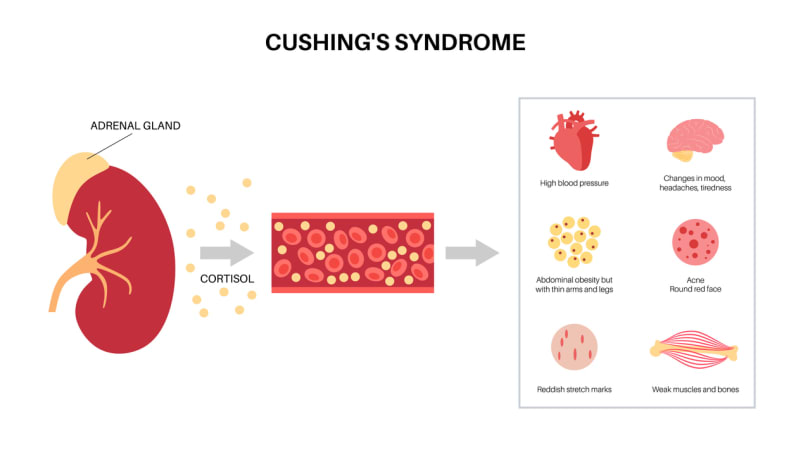
Prednisone is a corticosteroid often prescribed for various inflammatory conditions. While it might help reduce inflammation, it comes with potential side effects. Understanding these effects is crucial for anyone considering prednisone for muscle building.
Impact On Muscle Mass
Prednisone can impact muscle mass in several ways. It might lead to muscle weakness over time. The drug can break down muscle tissue, reducing overall muscle strength. Some users might notice muscle wasting with prolonged use. This is because steroids can alter protein metabolism in the body.
Long-term Health Risks
Long-term use of prednisone poses several health risks. It can increase the risk of osteoporosis. Bones become weaker and more prone to fractures. Users might develop high blood pressure or diabetes. Immune system suppression is another concern, leaving users vulnerable to infections.
Comparing Prednisone With Anabolic Steroids
Prednisone is a corticosteroid used to reduce inflammation, not build muscle. Anabolic steroids promote muscle growth and strength. Prednisone does not have the muscle-building effects of anabolic steroids.
Comparing Prednisone with Anabolic Steroids can be quite enlightening. These two drugs often come up in discussions about muscle growth. While both are steroids, they serve different purposes and have distinct effects on the body. Understanding these differences is crucial for anyone considering their use.Differences In Function
Prednisone is a corticosteroid. Doctors prescribe it to reduce inflammation and treat autoimmune conditions. It does not directly promote muscle growth. Instead, it works by suppressing the immune system. This helps in conditions like asthma, arthritis, and allergies. Anabolic steroids, on the other hand, are synthetic substances similar to testosterone. They are designed to promote muscle growth and increase strength. Athletes and bodybuilders often use them to enhance performance. Anabolic steroids stimulate muscle tissue growth by mimicking natural hormones.Safety And Efficacy
Prednisone can have side effects. These include weight gain, mood swings, and weakened bones. It is not intended for long-term use in muscle building. The drug’s primary goal is to manage inflammation and immune responses. Anabolic steroids come with their risks too. They can lead to heart problems, liver damage, and hormonal imbalances. Long-term use can also cause psychological effects like aggression and depression. Despite their muscle-building capabilities, the health risks are significant. Understanding these differences helps in making informed choices. It’s essential to weigh the benefits against the potential risks. Always consult a healthcare professional before starting any steroid regimen.Expert Opinions
The debate around Prednisone and muscle gain attracts diverse opinions. Experts weigh in on its effects, providing insights from different fields. Some see potential benefits, while others highlight risks and concerns.
Medical Professionals’ Views
Doctors focus on Prednisone’s primary use: reducing inflammation. They caution against its use for muscle building. Prolonged use can lead to muscle weakness. Medical experts stress monitoring and consulting a healthcare provider.
Athlete Experiences
Some athletes report short-term muscle strength. Yet, they also mention side effects like mood swings and weight gain. Personal stories vary. Some find benefits, others face challenges. Athletes often prioritize safety and health.
Alternatives To Prednisone For Muscle Building
Many people wonder about safe ways to build muscle without relying on medications like prednisone. Prednisone is a steroid that reduces inflammation but doesn’t directly build muscle. Instead, focus on natural methods that support muscle growth and overall health. This section explores healthy alternatives to prednisone for muscle building.
Natural Supplements
Natural supplements can enhance muscle growth and recovery. Consider using:
- Creatine:Helps improve strength and muscle mass.
- Protein Powder:Provides essential amino acids for muscle repair.
- Branched-Chain Amino Acids (BCAAs):Supports muscle recovery post-exercise.
- Fish Oil:Reduces inflammation and supports joint health.
These supplements are popular for their benefits. They can complement a balanced diet and exercise routine.
Diet And Exercise Strategies
A nutritious diet and regular exercise are crucial for muscle building. Focus on:
- High-Protein Foods:Chicken, eggs, and legumes for muscle repair.
- Complex Carbohydrates:Whole grains for energy and endurance.
- Healthy Fats:Avocados and nuts for sustained energy.
Pair these foods with a consistent exercise plan. Incorporate strength training, including weight lifting and resistance exercises. Aim for a balanced routine that combines cardio and strength workouts. This combination supports muscle growth and overall fitness. Regularly adjust your routine to challenge your muscles and prevent plateauing. Consistency and variety are key to effective muscle building.

Credit: www.drugs.com
Frequently Asked Questions
How Does Prednisone Affect Muscle Growth?
Prednisone is a corticosteroid that can lead to muscle loss rather than growth. It reduces inflammation but may cause muscle weakness as a side effect. Long-term use is not recommended for building muscle due to possible adverse effects on muscle tissue.
Can Prednisone Increase Muscle Mass?
Prednisone is unlikely to increase muscle mass. It might lead to muscle wasting and weakness over time. Though it decreases inflammation, it doesn’t promote muscle growth. Consult a healthcare provider for alternatives to increase muscle mass safely.
Is Prednisone Used In Bodybuilding?
Prednisone is not typically used in bodybuilding. It can cause muscle weakness and wasting, which are counterproductive for bodybuilders. Bodybuilders usually prefer anabolic steroids for muscle growth, but these also have health risks. Always consult a doctor before considering any steroid use.
Does Prednisone Cause Muscle Weakness?
Yes, prednisone can cause muscle weakness as a side effect. It affects protein metabolism, which might lead to muscle wasting. Long-term use may exacerbate this effect. It’s essential to discuss any concerns with a healthcare provider to manage side effects effectively.
Conclusion
Prednisone is not a muscle-building drug. It primarily reduces inflammation. While some might notice weight gain, it’s usually water retention. Exercise and diet remain key for building muscle. Prednisone can help manage conditions, but doesn’t replace healthy habits. Always consult a doctor before starting any medication.
Understanding its effects is crucial for your health journey. Stay informed and make wise choices. Your body deserves care and attention. Focus on balanced lifestyle practices. They bring lasting benefits. Remember, health is a lifelong commitment. Keep learning, stay active, and prioritize your well-being.