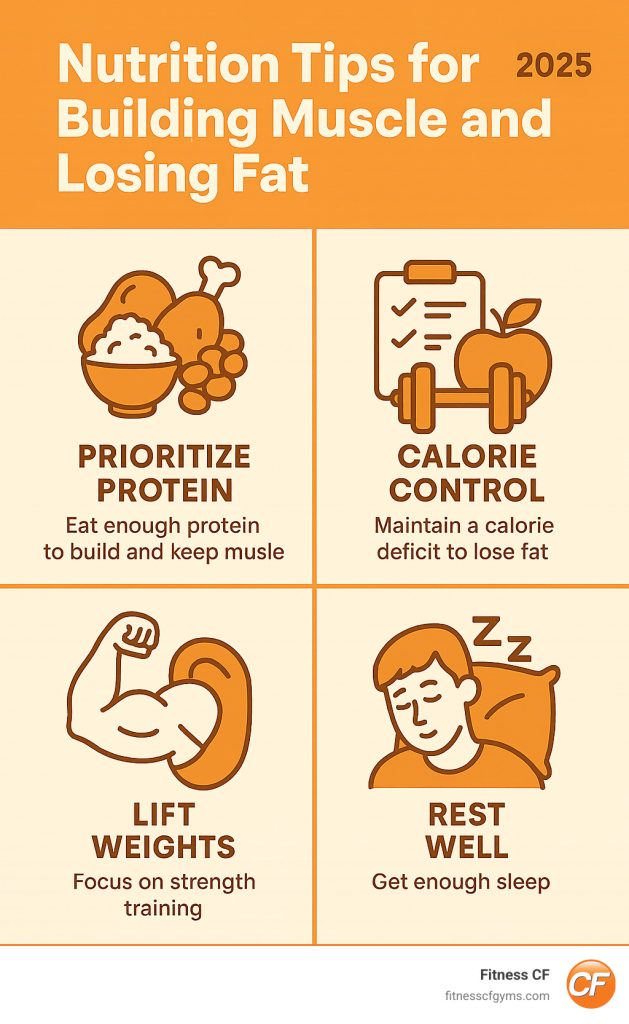
Are you on a mission to build muscle but feeling confused about carbs? You’re not alone.
Many fitness enthusiasts and aspiring bodybuilders find themselves in a dietary dilemma when it comes to carbohydrates. Are they crucial for muscle growth, or can you build muscle without them? Understanding the role of carbs in your diet could be the game-changer you need to reach your fitness goals faster.
We’ll unravel the mystery behind carbs and muscle building, offering insights that might just transform your approach to nutrition. Stick around, because what you learn here could redefine your workout and diet strategy for good.
Role Of Carbs In Muscle Building
Are carbs really essential for muscle building? As you hit the gym, this question might cross your mind while planning your diet. Carbs often get a bad rap, yet they play a vital role in supporting your muscle growth journey. Understanding their role can be the game-changer in achieving your fitness goals.
Carbs: The Energy Provider
Carbs are your body’s primary source of energy, fueling your workouts and recovery. Without sufficient carbs, you might find yourself feeling fatigued and unable to perform at your best. This could lead to less effective workouts and slower muscle growth.
Carbs And Protein Synthesis
Carbs help in protein synthesis, which is crucial for muscle repair and growth. They stimulate insulin production, a hormone that aids in transporting amino acids to your muscles. This process ensures your muscles have the nutrients needed to grow stronger and larger.
Balancing Carbs For Optimal Muscle Growth
Finding the right balance is key. Too few carbs can hinder your progress, while too many might lead to unwanted weight gain. Aim to consume complex carbs like whole grains, fruits, and vegetables. They provide sustained energy without causing spikes in blood sugar levels.
Timing Your Carb Intake
Timing plays a crucial role in maximizing the benefits of carbs. Consider eating carbs before and after your workouts. Pre-workout carbs energize you, while post-workout carbs aid in recovery and muscle repair.
Personal Experience: Learning The Hard Way
Once, I tried cutting carbs to lose weight faster. My energy levels plummeted, and my workouts suffered. After reintroducing carbs, my performance improved, and so did my muscle gains. This taught me the importance of carbs in my fitness journey.
Have you ever noticed your energy dipping during workouts? Try adjusting your carb intake and see the difference. How do you plan to incorporate carbs into your diet for muscle building? Share your thoughts in the comments!
Carbs And Energy Levels
Carbs play a vital role in muscle building by providing energy for workouts. Consuming them replenishes glycogen stores, enhancing performance and recovery. Balanced intake supports muscle growth effectively.
Carbohydrates often take center stage in the conversation about muscle building due to their crucial role in energy production. When you’re hitting the gym, your body needs a quick and reliable energy source. Carbs are like the fuel to your workout engine, giving you the stamina to push through those tough sets and reps. But how exactly do carbs impact your energy levels during muscle-building workouts?Immediate Energy Supply
Carbs break down into glucose, which your body uses for energy. This glucose is stored in your muscles and liver as glycogen. When you exercise, especially during high-intensity workouts, your body taps into these glycogen stores for a quick energy boost. Imagine trying to sprint a mile without any fuel in your tank. That’s a workout without carbs!Enhanced Performance
With adequate carb intake, you may notice improved performance during your workouts. Carbs not only help you lift heavier weights but also aid in quicker recovery between sets. A friend once shared how his performance skyrocketed when he included a pre-workout banana. It’s not just about the energy; it’s about maximizing every minute in the gym.Fatigue Reduction
Have you ever felt drained halfway through your workout? Low carb intake could be the culprit. Carbs help delay fatigue by maintaining blood sugar levels. This means you can maintain a high intensity throughout your session, leading to more effective muscle building.Balancing Your Carb Intake
The key is to find the right balance for your body. Too many carbs can lead to weight gain, while too few might leave you tired. Pay attention to how your body responds during workouts. Are you feeling energized or sluggish? Adjust accordingly.Personalizing Your Nutrition
Every body is different. Some people thrive on higher carb diets, while others do well on lower carb intake. Experiment with your carb levels to see what works best for you. What’s your experience with carbs and energy levels? It’s all about finding that sweet spot that fuels your muscle-building journey.Insulin And Muscle Growth
Insulin plays a key role in muscle growth by facilitating nutrient absorption. Carbs boost insulin, aiding protein synthesis and muscle repair. Balancing carbs and proteins can optimize muscle building effectively.
Insulin plays a crucial role in muscle growth, especially when carbohydrates are part of your diet. When you consume carbs, your blood sugar levels rise, prompting your pancreas to release insulin. This hormone helps shuttle glucose into your cells, but its role doesn’t end there. Insulin is also anabolic, meaning it supports muscle building by facilitating the transport of amino acids into muscle cells.How Insulin Affects Muscle Growth
Insulin enhances the uptake of nutrients by muscle cells, which is essential for muscle repair and growth. It works by increasing the permeability of cell membranes, allowing amino acids and glucose to enter more easily. This process not only fuels your muscles but also triggers protein synthesis, a crucial step in building muscle mass.The Role Of Carbohydrates In Insulin Production
Carbohydrates are your body’s preferred source of energy and play a significant role in insulin production. When you eat carbs, your body breaks them down into glucose, which stimulates insulin release. This is why many fitness enthusiasts include carbs in their post-workout meals to maximize insulin’s anabolic effects.Personal Experience With Carb Timing
I remember experimenting with carb timing during my workout routine. I noticed that consuming a carbohydrate-rich meal after a workout made a noticeable difference in muscle recovery and growth. It was as if my muscles soaked up the nutrients more efficiently, thanks to the insulin spike.Balancing Insulin For Optimal Muscle Growth
Too much insulin can lead to fat storage, while too little can hinder muscle growth. Finding the right balance is key. It’s beneficial to consume carbs around your workout times to take advantage of insulin’s muscle-building properties without overdoing it.Is Insulin Always Necessary?
While insulin is important, it’s not the only factor in muscle growth. Protein intake, workout intensity, and overall diet also play critical roles. However, understanding how insulin works can give you an edge in optimizing your muscle-building strategy. Are you using insulin to your advantage in your muscle-building journey? Or are you missing out on its potential benefits?Types Of Carbs For Optimal Gains
Understanding the types of carbs is vital for optimal muscle gains. Carbs provide energy and aid recovery after workouts. Different carbs affect the body in unique ways. Choosing the right ones can enhance muscle growth and performance.
Simple Vs Complex Carbs
Simple carbs digest quickly and provide instant energy. They are found in fruits and sugary snacks. Complex carbs digest slowly, offering sustained energy. Whole grains and vegetables are examples. Both types have roles in muscle building. Simple carbs are ideal for quick energy bursts. Complex carbs support long-term energy needs.
Timing Of Carb Intake
Carb timing impacts muscle building efficiency. Consuming carbs before workouts fuels performance. Post-workout carbs help recovery. Morning carbs boost energy for the day. Evening carbs can replenish glycogen stores. Timing carbs strategically can maximize muscle gains.
Carb Cycling For Muscle Mass
Carb cycling is a strategic approach to eating carbohydrates. It’s gaining popularity among those aiming to build muscle. This method involves varying carb intake on different days. High-carb days fuel intense workouts and aid recovery. Low-carb days help burn fat and improve insulin sensitivity.
How Carb Cycling Works
Carb cycling is simple. It alternates between high, moderate, and low carb days. On high-carb days, you consume more carbs to boost energy. This helps in performing high-intensity workouts. Moderate carb days maintain energy levels without excess. Low-carb days focus on fat burning and rest.
Benefits Of Carb Cycling
Carb cycling offers multiple benefits for muscle building. It enhances workout performance by providing extra energy. This can lead to better muscle growth. It also helps in managing body fat. Low-carb days encourage fat burning, aiding in a leaner physique. The strategy improves insulin sensitivity. This can enhance nutrient absorption and overall health.

Credit: www.youtube.com
Low-carb Diets And Muscle Building
Carbs play a role in muscle building by providing energy for workouts. Low-carb diets can still support muscle growth. Protein intake and resistance training are key factors for building muscle effectively.
Low-carb diets have gained popularity among fitness enthusiasts. Many people wonder if these diets can support muscle building. Carbs provide energy, but some people choose low-carb plans for weight loss. The big question is: can you build muscle without carbs?Keto And Muscle Growth
The keto diet is a popular low-carb plan. It focuses on high fats and low carbs. The body enters ketosis, burning fat for fuel. Some athletes use keto for muscle growth. They claim it helps with fat loss while maintaining muscle. But, it might not work for everyone. The body needs time to adapt to ketosis. This can lead to initial strength loss. Some studies suggest reduced performance during this phase. Keto could impact muscle growth in the short term.Potential Downsides
Low-carb diets might have downsides for muscle building. Carbs help replenish glycogen, which fuels workouts. Without enough glycogen, workouts might suffer. This could slow muscle growth. Some people experience fatigue on low-carb diets. This can make workouts harder. Low-carb diets may lack fiber, affecting digestion. Fiber is important for overall health. Athletes may need more nutrients than these diets provide.Balancing Carbs With Protein And Fat
Carbohydrates play a key role in muscle building by providing energy for workouts. Balancing carbs with proteins and fats ensures optimal muscle growth and repair. This combination supports energy levels and helps maintain muscle mass.
Balancing Carbs with Protein and Fat Building muscle isn’t just about lifting weights; it’s a science that involves a well-balanced diet. Carbs, proteins, and fats each play unique roles in muscle growth. While proteins are the building blocks of muscles, carbs provide the energy needed to power through workouts. Fats, often overlooked, are essential for hormone production and overall health. Finding the right balance among these macronutrients is key to optimizing muscle gain.Macronutrient Ratios
How do you determine the right macronutrient ratios for muscle building? It depends on your goals and activity level. A common guideline is to consume 45-65% of your calories from carbohydrates, 10-35% from proteins, and 20-35% from fats. This ensures you get enough energy and protein for muscle repair and growth. Experiment with different ratios to see what works best for your body. If you’re hitting a plateau in your muscle-building journey, adjusting these ratios might be the solution. Remember, everyone’s body responds differently.Personalizing Your Diet
How do you tailor your diet for maximum muscle growth? Start by assessing your current diet and fitness goals. Are you eating enough carbs to fuel your workouts? Is your protein intake sufficient for muscle repair? Consider your lifestyle and preferences. If you enjoy high-intensity workouts, you may need more carbs to sustain energy levels. Conversely, if you prefer a more sedentary lifestyle, a lower-carb approach might suit you better. Consult with a nutritionist to create a personalized plan that aligns with your goals. Their insights can help you make informed decisions and ensure you’re not missing out on essential nutrients.
Credit: www.instagram.com
Expert Opinions On Carbs And Muscle
Carbs play a key role in muscle building by providing energy for workouts. Experts suggest they help replenish glycogen stores, aiding muscle recovery. Balanced carb intake may enhance muscle growth when paired with protein and exercise.
Carbohydrates play a significant role in muscle building. Experts emphasize their importance in fueling workouts and aiding recovery. Understanding the expert opinions on carbs and muscle helps you make informed dietary choices. Let’s dive into what professionals say about this vital nutrient.What Nutritionists Say About Carbs For Muscle Growth
Nutritionists highlight carbs as a primary energy source. They are essential for high-intensity workouts. Without adequate carbs, fatigue sets in faster. This can limit workout performance and muscle gain.Trainers’ Perspectives On Carbohydrate Intake
Trainers often recommend a balanced diet with carbs. It ensures sustained energy throughout workouts. Carbs help replenish glycogen stores, crucial for muscle recovery.Sports Scientists’ Insights On Carb-protein Balance
Sports scientists stress the balance of carbs and protein. This combination supports muscle repair and growth. They suggest a post-workout meal with both nutrients for optimal results.Bodybuilders’ Experience With Carbohydrate Cycling
Bodybuilders often use carbohydrate cycling. This method involves varying carb intake based on activity levels. They find it effective for muscle building and fat loss.Dietitians’ Advice On Carbs Timing
Dietitians recommend consuming carbs at specific times. Pre-workout carbs boost energy, while post-workout carbs aid recovery. Timing can enhance muscle growth and performance.
Credit: www.reddit.com
Frequently Asked Questions
Do Carbs Help In Muscle Growth?
Yes, carbs are crucial for muscle growth. They provide energy for workouts and aid in recovery. Consuming adequate carbs ensures optimal glycogen levels, enhancing performance and muscle repair. Balancing carbs with protein and fats is essential for achieving muscle-building goals effectively.
Can Muscle Be Built Without Carbs?
Building muscle without carbs is challenging. Carbs supply energy, making workouts efficient. They facilitate protein absorption, promoting muscle growth. While possible, a low-carb approach may hinder performance and recovery. It’s advisable to include carbs for optimal results in muscle-building efforts.
What Are The Best Carb Sources For Muscles?
Optimal carb sources for muscles include whole grains, fruits, and vegetables. These provide energy and essential nutrients. Whole grains, like oats and quinoa, are excellent for sustained energy. Fruits and vegetables offer vitamins and antioxidants, supporting recovery. Choose complex carbs for better muscle-building outcomes.
How Much Carbs Needed For Muscle Building?
Carb intake varies based on activity levels and goals. Typically, athletes need 3-7 grams per kilogram of body weight. This ensures energy for workouts and aids recovery. Adjustments may be required for specific needs. Consulting with a nutritionist helps determine precise carb requirements for muscle building.
Conclusion
Carbs play a vital role in muscle building. They provide energy for workouts. Muscles need fuel to grow and repair. Without enough carbs, energy levels drop. This affects workout quality and muscle growth. Balance is key. Include proteins and healthy fats too.
Choose whole grains and fruits for carbs. They offer nutrients beyond energy. Listen to your body. Adjust your carb intake based on activity level. Everyone’s needs differ. Find what works best for you. Remember, nutrition supports your fitness goals. Keep learning, keep improving.
Your muscles will thank you.