
Imagine being able to move with ease, feeling light and limber with every step you take. Flexibility isn’t just for gymnasts and dancers; it’s an essential part of your overall health and well-being.
Have you ever noticed how some people seem to carry themselves effortlessly, almost as if they’re gliding through life? The secret could be yoga. By incorporating yoga poses into your daily routine, you can unlock a new level of flexibility that makes everyday activities more enjoyable and less painful.
You’re about to discover how yoga can transform your body, improve your posture, and enhance your quality of life. Curious to know which poses will make you feel more agile and free? Keep reading, because this could be the life-changing tip you’ve been searching for.
Benefits Of Flexibility In Yoga
Yoga is more than just a series of poses; it’s a journey toward improving your body’s flexibility. Flexibility in yoga offers various benefits that can enhance your physical health and overall well-being. As you stretch and bend, you might wonder, why does flexibility matter? Let’s delve into the perks of being flexible through yoga practice.
Physical Health Benefits
Flexibility through yoga can reduce your risk of injury. When your muscles are limber, they’re less prone to strains. Enhanced flexibility also helps in performing daily activities with ease, like bending and lifting.
Mental Clarity And Stress Relief
Yoga stretches can release tension stored in your muscles, leading to mental clarity. As your body relaxes, your mind follows suit, reducing stress levels. You’ll find a calm space where worries fade away.
Improved Posture
With consistent practice, yoga poses can correct and improve your posture. As flexibility increases, your body alignment becomes more natural. Good posture boosts confidence and supports your spine health.
Enhanced Athletic Performance
Are you an athlete looking to improve your game? Flexibility gained from yoga can enhance your range of motion. This improvement can lead to better performance, whether you’re running, swimming, or playing sports.
Increased Circulation
Flexibility aids in better blood flow throughout your body. Improved circulation nourishes your muscles and organs, giving you more energy. You might notice that your skin looks healthier too.
- Consider adding yoga to your daily routine for a flexible body and mind.
- Notice how regular practice affects your mood and energy levels.
- Challenge yourself by trying new poses and observing their impact.
How flexible are you willing to become? Yoga offers a path to not just physical agility but to a balanced life. Dive into the benefits and see where the journey takes you.
Key Yoga Poses For Flexibility
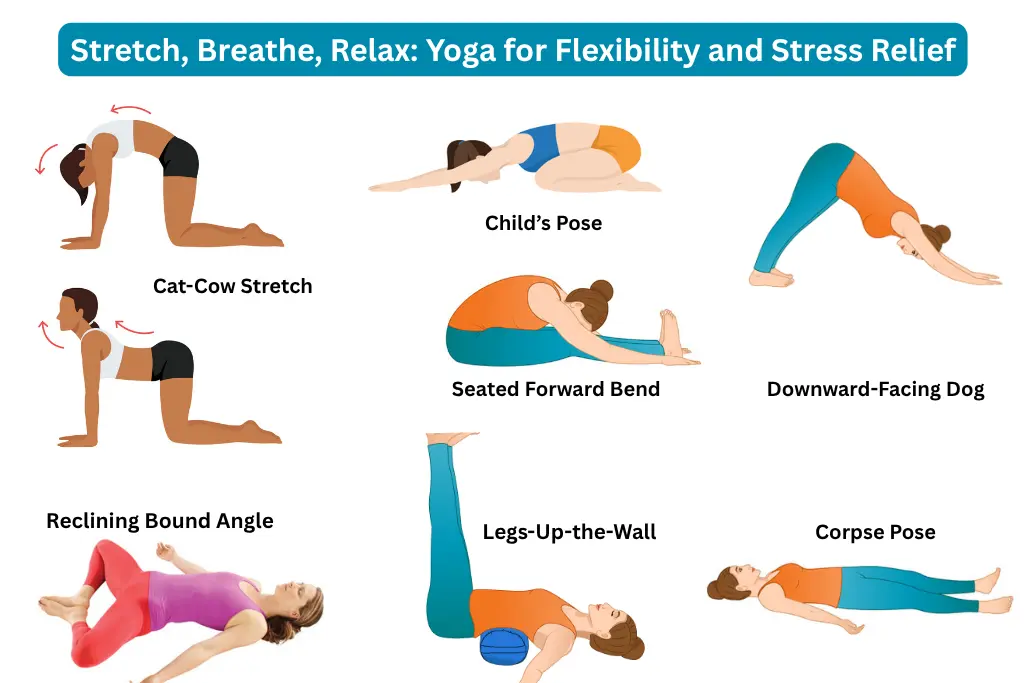
Practicing key yoga poses enhances flexibility by gently stretching muscles and improving range of motion. Poses like Downward Dog and Cobra strengthen and lengthen muscles, promoting ease of movement. Regular yoga practice can lead to noticeable improvements in flexibility and overall body balance.
Yoga significantly improves flexibility. Regular practice of specific poses can help stretch and strengthen muscles. This enhances movement and reduces the risk of injury. Let’s explore some key yoga poses that aid flexibility.Downward Facing Dog
The Downward Facing Dog pose stretches the entire body. It targets shoulders, hamstrings, calves, and arches. To perform this pose, start on your hands and knees. Lift your hips up and back. Keep your hands shoulder-width apart. Hold the position. Feel the stretch in your back and legs.Cobra Pose
The Cobra Pose strengthens the spine. It opens the chest and shoulders. Lie face down on the mat. Place your hands under your shoulders. Gently lift your chest off the ground. Keep your elbows close to your body. Feel the stretch in your back.Forward Bend
The Forward Bend stretches the spine and hamstrings. Stand straight with feet together. Slowly bend forward from the hips. Try to touch your toes. Keep your knees soft to avoid strain. Hold the pose. Breathe deeply and relax.Triangle Pose
The Triangle Pose stretches the sides of the body. It enhances balance and flexibility. Stand with feet wide apart. Turn your right foot out. Reach your right hand to your shin or the floor. Extend your left arm upwards. Look up at your left hand. Feel the stretch along your side.Incorporating Breath With Movement
Yoga poses enhance flexibility by synchronizing breath with movement. This technique gently stretches muscles, promoting increased range of motion. Regular practice aids in releasing tension and improving overall flexibility.
Incorporating breath with movement in yoga enhances flexibility and focus. Breath connects mind and body, creating harmony in every pose. This connection is vital for achieving deeper stretches. It ensures that muscles are not strained and supports safe practice. By aligning breath with movement, yoga practitioners experience a meditative flow. This flow aids in releasing tension and increasing flexibility over time.Importance Of Breathing
Breathing is the foundation of yoga practice. It calms the mind and relaxes the body. Deep breathing allows muscles to stretch further. It also reduces the risk of injury. Controlled breathing ensures oxygen reaches muscles effectively. This helps muscles lengthen and stay flexible. It also enhances concentration and focus. Proper breathing transforms yoga into a holistic experience.Techniques To Enhance Flexibility
Incorporate breathwork into yoga poses for better results. Start with diaphragmatic breathing. This technique involves deep breaths from the belly. Ensure each inhale and exhale is slow and controlled. Synchronize breath with movement. For example, inhale while extending arms upward. Exhale as you fold forward. Try alternate nostril breathing for relaxation. It balances energy and prepares the body for flexibility exercises. Practice these techniques regularly for improved flexibility.
Credit: www.youtube.com
Regular Practice For Long-term Flexibility
Yoga poses enhance flexibility through consistent practice. They stretch muscles, increase blood flow, and improve joint mobility. Regular yoga sessions can lead to long-term flexibility benefits.
Regular Practice for Long-term Flexibility Integrating yoga into your routine can greatly enhance your flexibility over time. Regular practice not only stretches your muscles but also strengthens them, allowing for greater range of motion. This journey towards flexibility is about commitment and creating a sustainable practice that fits your lifestyle.Consistency And Routine
Consistency is key in achieving long-term flexibility through yoga. Establish a routine that you can realistically stick to, even if it’s just 15 minutes a day. Think of it like brushing your teeth – it’s a small daily commitment that yields big results over time. Reflect on your daily schedule and find a time that works best for you. Morning yoga can energize you for the day ahead, while evening sessions might help you unwind. The most important thing is to keep showing up, even on days when motivation is low.Setting Realistic Goals
Setting goals can guide your practice and keep you motivated. Start small and gradually aim for more challenging poses. Avoid the temptation to push too hard, too fast – flexibility is a journey, not a sprint. Consider documenting your progress with photos or a journal. This can help you see how far you’ve come and identify areas for improvement. Remember, everyone’s body is different; celebrate your unique progress without comparing yourself to others. Have you ever noticed how a small change in your routine can lead to big differences? Think of your yoga practice as a lifelong companion that evolves with you. What steps can you take today to ensure your practice supports your journey towards flexibility?Common Mistakes To Avoid
Yoga is a wonderful way to enhance flexibility. Yet, beginners often stumble upon common mistakes. These errors can hinder progress and even cause injuries. Awareness of these pitfalls will ensure a safer and more effective practice. Here, we discuss some common mistakes to avoid.
Overstretching
Overstretching is a frequent error in yoga practice. Many push their bodies too hard, too soon. This can lead to muscle strain or tears. Always ease into each pose. Respect your current limits. Flexibility improves over time, not overnight. Gentle stretching is key.
Ignoring Body Signals
Your body communicates in subtle ways. Ignoring these signals is another common mistake. Pain or discomfort is a warning sign. It indicates that something is wrong. Listen to your body. If a pose feels wrong, stop and adjust. Practicing with awareness prevents injuries and promotes healing.
Listening To Your Body
Yoga poses improve flexibility by stretching muscles and joints gently. Regular practice helps the body move freely and easily. Listening to your body during yoga sessions ensures safe and effective stretching.
Listening to your body is crucial in yoga practice. It helps improve flexibility safely. Each pose has unique effects on your muscles and joints. Recognizing how your body feels can prevent overexertion. It also aids in achieving a deeper stretch. Listening to your body means respecting its limits. This awareness enhances your yoga journey. It makes each session more rewarding and effective.Adapting Poses
Adapting poses is essential for all skill levels. Every individual’s body responds differently. Modify poses to fit your flexibility. Use props like blocks or straps. They support your posture and enhance balance. Adjusting poses prevents strain. It allows comfortable stretching. Experiment with variations to find what works best for you. This personal approach encourages gradual progress. It fosters confidence in your practice.Avoiding Injury
Avoiding injury is a priority in yoga. Overstretching can lead to muscle tears. Listen to your body’s signals during poses. Stop if you feel sharp pain or discomfort. Warm up before starting your routine. It prepares your muscles for stretching. Controlled breathing helps maintain focus. It reduces the risk of injury. Practice regularly to improve flexibility safely. Respecting your body’s limits ensures a healthy yoga experience.Combining Yoga With Other Activities
Combining yoga with other activities can amplify the benefits of flexibility, creating a more dynamic fitness regimen. You don’t have to limit yourself to just yoga to reap the rewards. Merging yoga poses with various exercises can offer you a comprehensive approach to fitness, enhancing not only your flexibility but also strength, endurance, and overall well-being.
Complementary Exercises
Pairing yoga with activities like swimming or Pilates can enhance flexibility. Swimming involves fluid movements that complement yoga’s stretches, while Pilates focuses on core strength and stability. Both activities can offer unique benefits that blend well with the flexibility gained from yoga. Imagine the fluidity of a swimmer’s stroke combined with the grounded balance of a yoga pose. This mix can lead to a more balanced physical prowess.
Balanced Fitness Routine
A balanced fitness routine is essential for holistic health. Integrating yoga with strength training can create a powerful synergy. While yoga enhances flexibility, strength training builds muscle, supporting your joints and reducing injury risks. Consider alternating days between yoga and weight lifting. This balance ensures your body is both supple and strong, ready to handle diverse physical demands.
Have you tried combining yoga with other activities? How did it change your fitness journey? Share your experiences and insights, and let’s explore the path to a more flexible and balanced life together!
Credit: yogavibeshub.com
Mindfulness And Flexibility
Yoga poses enhance flexibility by stretching muscles gently and improving joint mobility. Regular practice helps muscles lengthen and strengthens the body. Embrace mindfulness during poses to connect body and mind effectively.
Yoga is more than just physical exercise. It combines mindfulness with flexibility training. This combination helps improve both the mind and body. Yoga encourages being present in each pose. It allows individuals to connect deeply with their bodies. This mindfulness enhances flexibility in a unique way.Mind-body Connection
Yoga creates a strong bond between the mind and body. Each pose demands focus and awareness. Breathing deeply and moving slowly helps this connection. It reduces stress and tension in the muscles. As the mind relaxes, the body follows suit. This relaxation aids in stretching and flexibility.Enhancing Body Awareness
Yoga increases body awareness. Practitioners learn to listen to their bodies. This awareness leads to better posture and alignment. It prevents injury and enhances flexibility. Understanding the limits of the body allows safer stretching. Over time, this awareness expands the body’s flexibility range.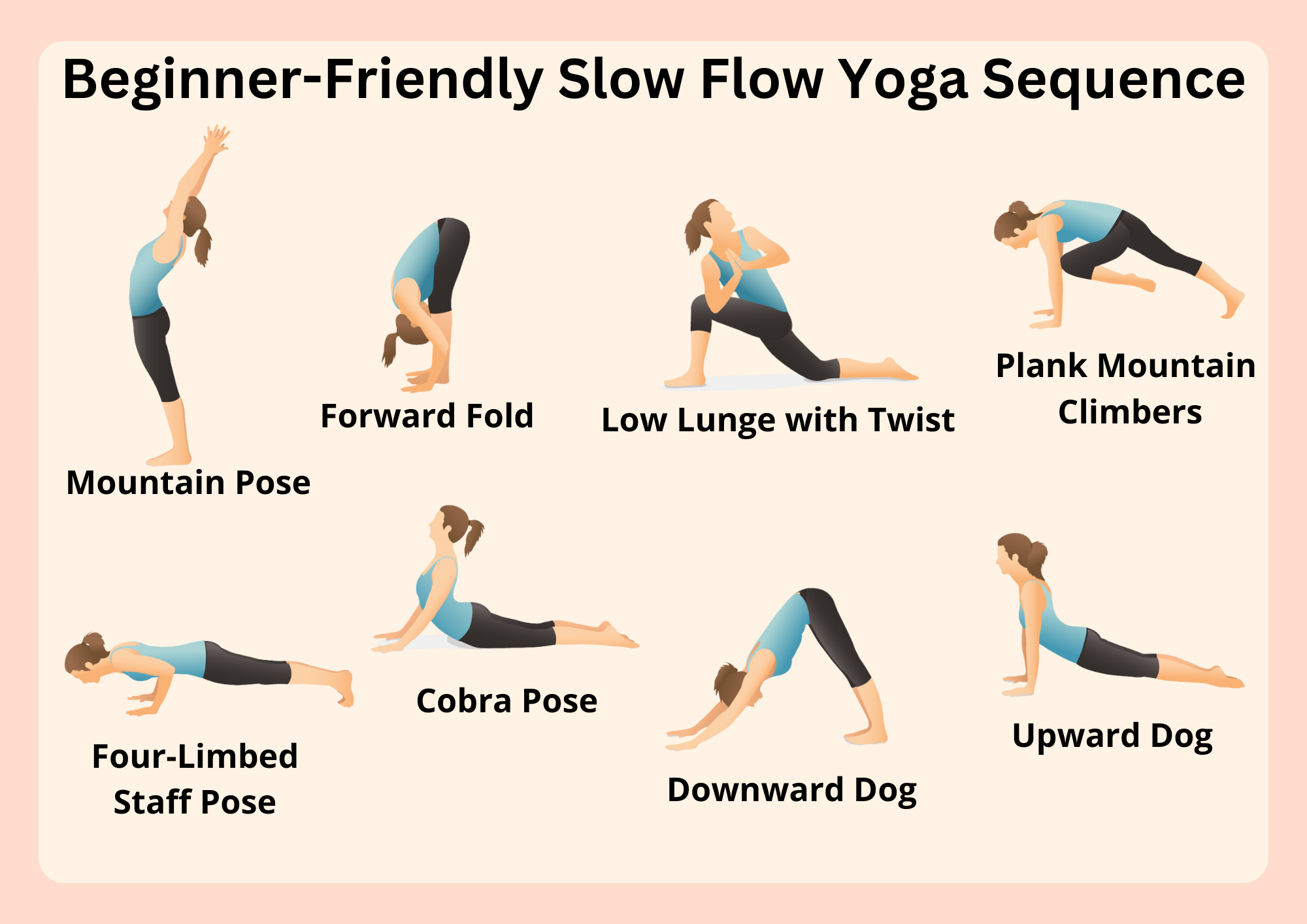
Credit: myyogateacher.com
Frequently Asked Questions
What Are The Best Yoga Poses For Flexibility?
Yoga poses like the Downward Dog and Pigeon Pose enhance flexibility effectively. These poses stretch and strengthen muscles, improving overall flexibility. Regular practice increases range of motion and reduces stiffness. Incorporating these poses into your routine can lead to noticeable improvements in flexibility.
How Does Yoga Improve Flexibility Over Time?
Yoga consistently engages muscles, gradually increasing flexibility. Regular practice stretches and strengthens muscles, enhancing flexibility over time. The poses improve joint mobility and reduce muscle stiffness, contributing to better overall flexibility. Commitment to a routine is key for long-term flexibility gains.
Can Beginners Improve Flexibility With Yoga?
Yes, beginners can improve flexibility with yoga. Beginners benefit from yoga’s gentle stretches, which increase flexibility gradually. Simple poses like Cat-Cow and Child’s Pose are accessible and effective. Consistent practice helps beginners enhance flexibility without risking injury.
How Often Should I Practice Yoga For Flexibility?
Practicing yoga 2-3 times a week enhances flexibility effectively. Consistency is key for flexibility improvements. Regular practice helps maintain and increase range of motion. Gradual progression and dedication to a routine yield the best results.
Conclusion
Yoga poses boost flexibility. They stretch muscles gently, making them limber. Each pose targets different parts of the body. Over time, consistency leads to improvement. Feel less stiff and more agile. Daily practice promotes movement ease. Beginners benefit from simple poses.
Advanced practitioners find challenges in complex stretches. It’s not just about flexibility. Yoga enhances mental focus, too. A holistic approach to wellness. So, roll out your mat. Experience the changes yoga brings. Remember, patience is key. Flexibility grows with time and dedication.
Enjoy the journey to a more flexible you.