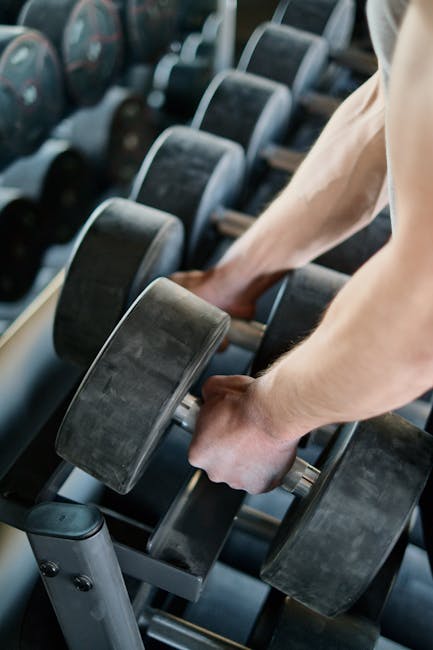
Are you tired of missing workouts because you can’t make it to the gym? Do you wish you could build those impressive pec muscles without expensive equipment or a gym membership?
You’re not alone. Many people want to enhance their chest muscles from the comfort of their own home, and it’s more achievable than you might think. Imagine feeling the burn and seeing results, all while staying in your living room.
Intrigued? Keep reading to discover simple, effective strategies to build your pec muscles at home. This guide will provide you with practical tips, motivational insights, and a clear path to transforming your chest. Let’s dive in and get those pecs popping!

Credit: www.tiktok.com
Chest Anatomy Basics
Building pec muscles at home focuses on effective exercises like push-ups and chest presses. Utilize resistance bands or dumbbells for added intensity. Regular training and proper form enhance muscle growth and definition.
Understanding the chest muscles is crucial for effective training. The chest is made up of two primary muscles: the pectoralis major and pectoralis minor. These muscles play key roles in arm movement and overall chest strength. Knowing their functions helps in targeting them effectively during workouts.Understanding The Pectoralis Major
The pectoralis major is the larger chest muscle. It covers the upper part of the chest. It is responsible for moving the arm across the body. This muscle has two parts: the clavicular and sternal heads. The clavicular head helps in raising the arm. The sternal head assists in pulling the arm down.Role Of The Pectoralis Minor
The pectoralis minor is smaller. It lies beneath the pectoralis major. It helps stabilize the shoulder blade. It assists in moving the shoulder forward and downward. Though less visible, its role is vital for shoulder movement.Connecting Muscles And Function
Both muscles work together. They help in pushing and lifting movements. Strong chest muscles improve posture. They also contribute to overall upper body strength. Understanding their anatomy aids in effective workout planning.- Target both muscle heads for balanced growth.
- Include exercises for shoulder stability.
- Focus on form to prevent injuries.
How Chest Anatomy Affects Exercise Choice
The anatomy influences exercise selection. Different exercises target different muscle parts. Bench presses work the pectoralis major. Push-ups engage both major and minor muscles. Understanding anatomy helps in choosing the right exercises. Knowing your chest anatomy can guide your workouts. It helps in achieving balanced muscle development. This understanding is key for building pec muscles at home.Bodyweight Exercises
Push-ups target pec muscles effectively at home. Variations like incline push-ups and wide-arm push-ups boost strength. Maintain consistency for noticeable results.
Building pec muscles at home can be both effective and convenient. Bodyweight exercises are a fantastic way to target your chest without needing any gym equipment. They not only enhance your strength but also improve your stability and coordination. Let’s dive into some exercises that will help you sculpt impressive pecs right in your living room.Push-up Variations
Push-ups are a classic exercise for chest development. By varying your hand positions and angles, you can work different parts of your pec muscles. – Standard Push-Up: Keep your hands shoulder-width apart and your body straight. Lower yourself until your chest almost touches the floor. – Wide Grip Push-Up: Spread your hands wider than shoulder-width to target the outer parts of your chest. – Diamond Push-Up: Place your hands close together, forming a diamond shape with your thumbs and index fingers. This targets the inner pecs and triceps. Push-up variations not only boost your strength but also challenge your endurance. Have you tried these variations yet?Dips Using Furniture
Dips are another effective exercise to build your chest muscles. You can do them using sturdy furniture like a chair or a coffee table. – Chair Dips: Position your hands on the edge of the chair, with your legs extended in front of you. Lower your body until your elbows are at a 90-degree angle. – Coffee Table Dips: If your table is stable, use it for a deeper dip, which engages your lower chest more intensely. Be cautious with your form to avoid injury. Have you considered how everyday furniture can be your workout ally?Plank To Push-up
This dynamic exercise combines stability and strength training. Start in a plank position with your forearms on the ground. – Transition: Move from forearm plank to a full push-up position by pushing up one arm at a time. – Challenge: Alternate sides to balance the workout on both pec muscles. This exercise not only builds your chest but also engages your core. Could this be the perfect addition to your home workout routine? By incorporating these exercises, you can effectively target your pecs at home, ensuring you stay fit and strong without stepping into a gym. What’s stopping you from trying these exercises today?Resistance Band Workouts
Strengthen pec muscles at home with resistance band workouts. Perform chest presses and fly exercises for effective results. Adjust band tension for different levels, ensuring a challenging workout every time.
Building pec muscles at home is not only convenient but also highly effective with the right tools. Resistance bands are incredibly versatile and can provide a challenging workout for your chest muscles. They are affordable, easy to store, and suitable for all fitness levels. The best part? You can tailor the resistance to match your strength and gradually increase it as you progress. Let’s dive into some top-notch resistance band exercises for sculpting those pecs.Chest Press With Bands
The chest press is a staple exercise for pec development. With resistance bands, you can mimic the gym version right at home. Anchor the band behind you, either using a door or a sturdy piece of furniture. Stand or sit, holding the band handles at chest level. Push forward until your arms are fully extended, then return to start. Aim for 3 sets of 12 reps. This exercise targets your chest while also engaging your triceps and shoulders.Resistance Band Fly
The fly movement focuses on the inner pec muscles. Attach the band behind you, similar to the chest press setup. Hold the handles with arms slightly bent and open wide at shoulder height. Bring your hands together in front of you, feeling the squeeze in your chest. Slowly return to the starting position. Perform 3 sets of 10 reps. This exercise not only builds muscle but also enhances flexibility in your chest and shoulders.Band Pull-apart
This exercise targets your upper pecs and improves posture. Hold the band with both hands, arms extended in front of you at shoulder height. Pull the band apart by moving your hands outward until the band touches your chest. Control the movement as you return to the start. Complete 3 sets of 15 reps. The band pull-apart strengthens your pecs and upper back, counteracting the effects of slouching. Incorporate these resistance band exercises into your routine, and you’ll notice strength gains and muscle definition. What other creative ways can you think of to challenge your pecs at home?
Credit: www.youtube.com
Dumbbell Exercises
Enhance your chest muscles at home with dumbbell exercises. Focus on presses and flies to target pecs effectively. Consistent practice and proper form lead to noticeable gains.
Building pec muscles at home can be both rewarding and challenging, especially when you rely solely on dumbbells. The beauty of dumbbell exercises is their versatility and ability to target various muscle groups, including the chest. They not only allow for a full range of motion but also help in correcting muscle imbalances. As you embark on your muscle-building journey, consider these powerful exercises to get started.Dumbbell Bench Press
The dumbbell bench press is a staple in any chest workout. It mimics the traditional barbell bench press but offers a greater range of motion. – Start by lying flat on your back on a bench. Hold a dumbbell in each hand with your arms extended above your chest. – Lower the weights slowly until your elbows are just below the level of the bench. – Press the dumbbells back up while keeping your core engaged. Remember to keep the movements slow and controlled. Are you feeling the burn yet?Dumbbell Fly
The dumbbell fly is an excellent exercise for isolating the chest muscles. – Lie flat on your back on a bench with a dumbbell in each hand. – Extend your arms above your chest with a slight bend in the elbows. – Lower the dumbbells to the sides in a wide arc, feeling a stretch in your chest. Then, bring the weights back to the starting position. It’s crucial to avoid locking your elbows to prevent injury.Incline Dumbbell Press
The incline dumbbell press targets the upper part of the chest, giving your pecs a fuller look. – Adjust your bench to an incline angle and sit back with a dumbbell in each hand. – Extend your arms above your head. – Lower the weights down until they are level with your chest, then press them back up. This exercise helps in developing the upper chest, giving you a balanced physique. Are you ready to elevate your workout with this move? These dumbbell exercises are not only effective but also adaptable to your fitness level. You can increase the weight as your strength grows, ensuring continuous progress. Ready to transform your pec workout at home?High-intensity Interval Training
High-Intensity Interval Training (HIIT) is a powerhouse method to build pec muscles at home. It combines short bursts of intense exercise with brief recovery periods, allowing you to maximize effort and results in a compact time frame. The beauty of HIIT is that it keeps your heart rate up while targeting specific muscle groups, ensuring both cardiovascular and muscle-building benefits.
Chest-focused Circuits
Integrate chest-focused circuits into your HIIT routine to enhance pec development. Design a series of exercises that directly target your chest muscles, like push-ups, chest dips, and incline presses. Cycle through these exercises rapidly, with minimal rest, to maintain intensity and engage your pecs effectively.
- Push-ups: Aim for variety with traditional, wide, and diamond push-ups.
- Chest Dips: Use sturdy furniture or a dip station for stability.
- Incline Presses: Utilize resistance bands or weights to add challenge.
Can you feel the burn yet? That’s your pecs waking up!
Time-based Challenges
Set time-based challenges to push your limits and keep your workouts exciting. Instead of counting reps, use a timer to dictate your workout pace. Challenge yourself to complete as many chest exercises as possible within a set time period, like 30 seconds or 1 minute.
| Exercise | Duration |
|---|---|
| Push-ups | 30 seconds |
| Chest Dips | 30 seconds |
| Incline Presses | 30 seconds |
Feel a sense of accomplishment as you beat your previous record. Are you ready to challenge yourself further?
By embracing HIIT with chest-focused circuits and time-based challenges, you’ll find an efficient way to build strong pec muscles right in your living room. It’s all about pushing your limits and enjoying the sweat. Ready to transform your home into a personal gym?

Credit: www.pinterest.com
Flexibility And Recovery
Building pec muscles at home requires dedication to both flexibility and recovery. Stretching helps maintain muscle elasticity, while rest aids in repairing and strengthening. Balancing workouts with recovery ensures optimal muscle growth and prevents injury.
Flexibility and recovery are crucial for building strong pec muscles at home. They help prevent injuries and improve muscle performance. By focusing on these aspects, you ensure your muscles heal and grow efficiently.Stretching Techniques
Stretching keeps your muscles flexible and reduces stiffness. Begin with a simple chest stretch. Stand in a doorway, placing your arms on the frame. Lean forward gently, feeling a stretch across your chest. Hold for 20 seconds. Release and repeat twice. Next, try a wall stretch. Place your hand against a wall, arm straight. Rotate your body away, feeling the stretch. Hold for 20 seconds, then switch sides. Stretching helps your pecs relax and recover.Foam Rolling
Foam rolling aids muscle recovery by reducing tightness. Lie face down, placing the foam roller under your chest. Use your forearms to support your body. Roll slowly back and forth, focusing on tight spots. Spend 30 seconds on each area. Adjust pressure by shifting your weight. Foam rolling enhances blood flow and reduces soreness. It’s an effective way to care for your pec muscles.Nutrition For Muscle Growth
Proper nutrition fuels pec muscle growth at home. Focus on proteins like chicken and beans. Include healthy fats and carbs for energy. Stay hydrated to support muscle repair.
Building strong pec muscles at home isn’t just about pushing your limits with the perfect push-up routine or mastering the bench press. Nutrition plays a pivotal role in muscle growth. Without the right food fueling your body, your efforts might not reach their full potential.Protein Intake
Protein is the building block of muscles. To grow your pec muscles, aim for a daily protein intake that supports muscle repair and growth. Include foods like chicken breast, fish, eggs, and plant-based options like lentils and chickpeas. A good rule of thumb is to consume about 1.6 to 2.2 grams of protein per kilogram of body weight. Consider adding a protein shake after your workout to ensure you’re getting enough. It’s a convenient option, especially if you’re pressed for time.Balanced Diet Tips
A well-rounded diet goes beyond just protein. Ensure your diet includes healthy fats and carbohydrates to provide sustained energy for your workouts. Incorporate whole grains, such as brown rice and quinoa, for slow-releasing energy. Healthy fats, found in avocados and nuts, help in muscle recovery and hormone production. Don’t forget your vegetables! They provide essential vitamins and minerals that support overall health and muscle function. A colorful plate often means you’re getting a variety of nutrients. Are you giving your body the nutrients it needs to build those pec muscles effectively? Small tweaks in your diet can lead to big changes in your muscle growth journey.Tracking Progress
Building pec muscles at home requires consistent effort and effective exercises like push-ups and chest presses. Track progress by noting repetitions and increasing resistance gradually. Regular assessment helps maintain motivation and ensure steady improvement.
Tracking your progress is crucial when building pec muscles at home. It keeps you motivated and helps you understand what works best for you. By tracking changes, you can see where you need to adjust your efforts to maximize results.Weekly Assessments
Regularly assess your progress to stay on track. Set aside time each week to evaluate your performance and measure changes in your muscle growth. This doesn’t just mean stepping on a scale; consider using a tape measure to track your chest size or take progress photos to visually see your gains. Jot down details about your workouts, such as the number of push-ups or bench presses you completed. This will help you identify patterns or plateaus. Reflect on your energy levels and recovery times too. Are you able to push harder each week? Use this data to keep your motivation high.Adapting Your Routine
Your body adapts to workouts over time, so it’s vital to adjust your routine. If you’re not seeing the progress you expect, it may be time to change your exercises or increase intensity. Swap traditional push-ups for decline push-ups or add resistance bands to your chest workouts. Consider varying your workout schedule. If you usually work out in the evening, try morning sessions to shock your muscles differently. Keep your routine dynamic and challenging. The question to always ask yourself is: what small change can I make today to improve? Remember, building pec muscles at home requires a blend of consistency and adaptability. Stay committed, track your progress diligently, and be open to change. The results will follow.Frequently Asked Questions
How Can I Build Pec Muscles Without Equipment?
Building pec muscles at home without equipment is possible with bodyweight exercises. Focus on push-ups, variations like incline and decline push-ups, and chest dips. Ensure proper form and gradually increase intensity to challenge your muscles and promote growth. Consistency and progression are key to achieving noticeable results.
What Are Effective Home Exercises For Pec Muscles?
Effective home exercises for pec muscles include push-ups, chest dips, and plank to push-up transitions. These exercises target your chest, helping to build strength and definition. Incorporate variations like incline push-ups and wide-arm push-ups to engage different muscle fibers. Regularly update your routine to maintain progress.
How Often Should I Train Pec Muscles At Home?
Train your pec muscles at home 2-3 times per week for optimal results. Ensure rest days between sessions to allow muscle recovery and growth. Balance your routine with complementary exercises for overall fitness. Adjust frequency based on your body’s response and progress to avoid overtraining and maximize gains.
Can I Build Pec Muscles With Resistance Bands?
Yes, resistance bands are effective for building pec muscles at home. Incorporate chest presses, flys, and band pull-aparts to target your pecs. Adjust band tension to increase difficulty and stimulate muscle growth. Resistance bands offer versatile and scalable workouts, making them ideal for home fitness enthusiasts.
Conclusion
Building pec muscles at home is achievable with dedication. Start with simple exercises. Push-ups are great. Try chest presses with weights. Consistency is key. Set a routine. Track your progress. Adjust exercises as needed. Listen to your body. Rest is important.
Avoid overworking muscles. Nutrition matters too. Eat protein-rich foods. Stay hydrated. Results take time. Be patient. Celebrate small wins. Enjoy the journey. Fitness improves overall health. Home workouts can be effective. Enjoy the convenience. Stay motivated. Keep pushing. Your pec muscles will grow stronger.
You’ve got this!