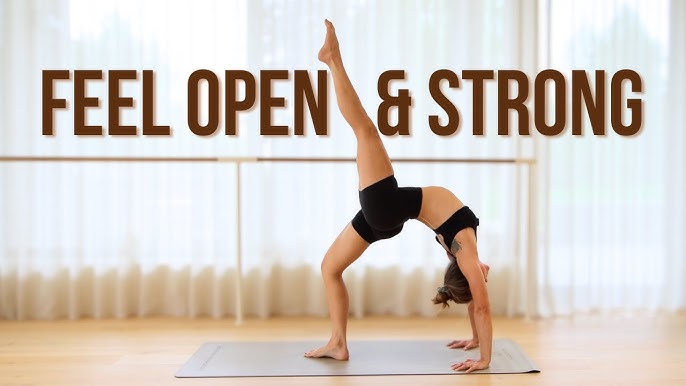
Feeling a bit stiff in your shoulders? You’re not alone.
Shoulder tension is a common issue that can affect your daily life, making simple tasks like reaching for a high shelf or carrying groceries uncomfortable. But there’s good news. You can improve your shoulder flexibility with yoga, and it’s easier than you might think.
Imagine moving through your day with ease, feeling lighter and more relaxed. Sounds great, right? In this guide, we’ll explore simple yet effective yoga poses designed to enhance your shoulder flexibility. You’ll learn how to incorporate these poses into your routine, allowing you to enjoy greater freedom of movement and a more relaxed posture. Ready to transform how your shoulders feel? Keep reading to discover the steps that could make a real difference in your everyday life.
Benefits Of Shoulder Flexibility
Improving shoulder flexibility can enhance your overall well-being. Flexible shoulders reduce tension and pain. They allow a greater range of motion. This is essential for daily tasks and sports. Stretching your shoulders can lead to stronger muscles.
Flexible shoulders also improve posture. They help align your body correctly. This reduces the risk of injuries. Practicing yoga for shoulder flexibility can be very beneficial.
Improved Posture
Good shoulder flexibility supports a straighter spine. It keeps your shoulders from hunching. This leads to better posture. A strong posture reduces back and neck pain.
Enhanced Athletic Performance
Flexible shoulders improve your reach and strength. Athletes benefit from this in various sports. It helps in swimming, basketball, and tennis. You can move more freely and efficiently.
Reduced Risk Of Injury
Flexible shoulders lower the risk of strains. They allow muscles to stretch without damage. This is vital for physical activities. It ensures muscles and joints work smoothly.
Decreased Muscle Tension
Shoulder flexibility reduces tightness in muscles. It helps relieve stress and tension. Relaxed muscles improve comfort and ease of movement.
Increased Range Of Motion
Flexible shoulders allow wider arm movements. This is crucial for daily activities. It helps with reaching, lifting, and carrying tasks.
Common Causes Of Shoulder Tightness
Shoulder tightness can limit your yoga practice and daily activities. Understanding its causes is the first step toward improving flexibility. The reasons for tight shoulders vary, ranging from lifestyle choices to physical conditions. Identifying these causes can help you tailor your yoga routine for better mobility.
Physical Inactivity
Many people experience shoulder tightness due to lack of movement. Sitting for long periods can lead to stiffness. Regular activity helps maintain flexibility and prevents muscles from becoming rigid.
Poor Posture
Slouching affects shoulder muscles and ligaments. It can lead to tightness and discomfort. Practicing good posture aligns your body and reduces stress on the shoulders.
Stress And Tension
Emotional stress causes muscle tension, especially around shoulders. Stress management techniques can ease tightness. Yoga helps in relaxing both mind and body.
Overuse Or Injury
Repetitive movements can strain shoulder muscles. Injuries can also lead to stiffness. Gentle yoga stretches help in healing and restoring flexibility.
Muscle Imbalance
Uneven muscle strength affects shoulder movement. Strengthening weak muscles with targeted yoga poses can improve balance. Balanced muscles enhance shoulder flexibility.
Age-related Changes
Aging naturally affects muscle elasticity. Regular yoga practice helps maintain flexibility in older adults. It is crucial for active aging and preventing stiffness.
Essential Yoga Poses For Shoulders
Improving shoulder flexibility through yoga can be a game-changer for those who feel stiffness or discomfort in their shoulders. Yoga poses specifically targeting shoulder flexibility not only enhance your range of motion but also help in relieving tension and stress. Whether you’re a seasoned yogi or a beginner, integrating these essential poses into your routine can lead to noticeable improvements.
Downward-facing Dog
Downward-Facing Dog is a staple in yoga practice, offering a fantastic stretch for your shoulders. Start on all fours, tuck your toes, and lift your hips towards the sky, forming an inverted V shape. Press your hands firmly into the mat, allowing your shoulders to open and your chest to sink towards your thighs. You might find this pose challenging initially, but with regular practice, you’ll notice increased shoulder flexibility and strength.
Thread The Needle
Thread the Needle is perfect for targeting the muscles between your shoulder blades. Begin in a tabletop position, then slide your right arm under your left arm, resting your shoulder on the mat. Feel the gentle twist and stretch in your upper back and shoulders. Hold the pose for several breaths before switching sides. This pose not only improves shoulder mobility but also offers a soothing stretch for your upper body.
Eagle Arms
Eagle Arms can be a unique way to stretch and strengthen your shoulders. Stand or sit comfortably and wrap your right arm under your left, bringing your palms together. Lift your elbows while keeping your shoulders relaxed. This pose might feel awkward at first, but it effectively stretches the shoulders and upper back. You might find relief from shoulder tension after practicing this pose regularly.
Have you ever felt the tension melt away after a good shoulder stretch? These yoga poses might just be the missing piece in your routine to achieve the flexibility you desire. Try incorporating them into your practice and see how your shoulders respond.

Credit: www.instagram.com
Dynamic Stretching Techniques
Dynamic stretching techniques enhance shoulder flexibility in yoga. Arm circles and cross-body swings loosen tight muscles. Controlled, flowing movements increase range of motion gently.
Improving shoulder flexibility is essential for a balanced yoga practice. Dynamic stretching techniques offer an effective way to enhance mobility and prevent stiffness. Unlike static stretches, dynamic movements involve actively engaging your muscles through a full range of motion. This not only increases blood flow but also prepares your shoulders for more challenging poses. Have you ever felt limited in your yoga practice due to tight shoulders? Dynamic stretching could be your key to unlocking greater flexibility and comfort.Arm Circles
Start with small circles and gradually increase their size. This helps to warm up your shoulder joints efficiently. Keep your movements smooth and controlled to avoid any strain.Shoulder Rolls
Rolling your shoulders forward and backward can relieve tension built up over the day. It’s a simple yet effective technique you can do almost anywhere. Try doing them while waiting for your coffee to brew in the morning.Cross-body Arm Swings
Swinging your arms across your body and back can help to improve the range of motion. It’s a great way to wake up your shoulder muscles. Make it a part of your pre-yoga routine to feel more prepared for deeper stretches.Front-to-back Arm Swings
This movement is excellent for engaging the muscles around your shoulder blades. Swing your arms forward and backward, keeping them straight. Notice how your shoulders start to feel more open and relaxed.Torso Twists
Adding torso twists to your routine can enhance your shoulder flexibility by engaging your entire upper body. Stand with your feet shoulder-width apart and gently twist your upper body side to side. Feel the stretch extending through your shoulders and back. Could these dynamic stretches be the missing element in your yoga practice? Incorporate them consistently and observe the difference in your shoulder flexibility.Breathing Exercises For Relaxation
Breathing exercises can enhance shoulder flexibility during yoga. Deep inhalations and controlled exhalations help relax tight muscles. Integrating these exercises into your routine can improve posture and ease tension.
Breathing exercises are an essential component of yoga that can significantly enhance your shoulder flexibility. These exercises help relax the muscles, reduce tension, and prepare your body for more challenging poses. By focusing on your breath, you can create a deeper connection between your mind and body, leading to better flexibility and overall well-being.Understanding The Power Of Breath
Breath is more than just a necessity for life; it’s a tool for relaxation. By mastering your breath, you can calm your mind and ease muscle tension. This can make your yoga practice more effective and enjoyable.Diaphragmatic Breathing
Diaphragmatic breathing, also known as belly breathing, is a simple yet powerful technique. Sit comfortably with your back straight. Inhale deeply through your nose, letting your belly expand. Exhale slowly, feeling your belly contract. This type of breathing can help release tension in your shoulders and upper body.Alternate Nostril Breathing
This breathing exercise balances the body’s energy and calms the mind. Close your right nostril with your thumb and inhale deeply through your left nostril. Close your left nostril with your ring finger, open your right nostril, and exhale. Repeat the process in reverse. Regular practice can improve concentration and flexibility.4-7-8 Breathing Technique
This method is a great way to relax and prepare your body for stretching. Inhale quietly through your nose for a count of 4. Hold your breath for 7 counts. Then, exhale completely through your mouth for a count of 8. This technique can quickly reduce stress and tension, making it easier for your shoulders to relax and stretch.Integrating Breath With Movement
Linking your breath with movement can significantly enhance your yoga practice. As you inhale, lift your arms overhead, and as you exhale, bring them down. This synchronization helps maintain focus and increases your range of motion. Try incorporating this into your daily routine to see noticeable improvements in your flexibility.Creating A Consistent Practice
Consistency is key to seeing improvements in shoulder flexibility. Dedicate a few minutes each day to practice these breathing exercises. You’ll not only improve your yoga skills but also experience a calmer, more focused mind. What changes will you notice in your daily life by adopting this routine? By integrating these breathing exercises into your yoga practice, you can unlock greater shoulder flexibility and enjoy a more relaxed, focused state of mind.Incorporating Props For Better Stretch
Improving shoulder flexibility is crucial for better posture and movement. Yoga can help achieve this through various poses. Props enhance these stretches, making them more effective. They support your body, allowing deeper and safer stretches. Using props can also prevent injuries. Let’s explore how yoga straps and blocks can aid your shoulder flexibility journey.
Using Yoga Straps
Yoga straps extend your reach in poses. They help in maintaining correct alignment. Hold the strap in both hands above your head. Gently pull to feel a stretch in your shoulders. The strap allows you to hold the stretch longer. It helps you gradually increase flexibility. Regular use can lead to noticeable improvements.
Blocks For Support
Yoga blocks provide stability in various poses. Place them under your hands in downward dog. This reduces pressure on your shoulders. Blocks help maintain balance and proper form. They allow you to focus on the stretch rather than balance. Use them to deepen shoulder stretches safely. Consistent practice with blocks enhances flexibility.
Tips From Yoga Experts
Improving shoulder flexibility through yoga can enhance your range of motion and relieve tension. Yoga experts share valuable insights that can make your practice more effective. These tips focus on mindful movement and consistency to achieve better flexibility.
Mindful Movement
Yoga experts emphasize the importance of moving with awareness. Focusing on each stretch helps to engage the right muscles. Feel the sensation in your shoulders as you move. This mindful approach prevents injury and deepens your practice. Slow down and breathe deeply with each movement. This creates a calm environment for your muscles to relax and stretch.
Consistency Is Key
Regular practice is essential for improving flexibility. Set aside time daily or weekly for yoga. Even short sessions contribute to progress. Consistent practice helps your muscles adapt and become more flexible. Gradually increase the intensity and duration as your body gets comfortable. Remember, patience and persistence lead to long-lasting results. Consider tracking your progress to stay motivated.

Credit: www.youtube.com
Avoiding Common Mistakes
Improving shoulder flexibility through yoga requires mindful practice. Avoiding common mistakes helps in achieving better results safely. Many people make errors that can hinder progress or cause injury. Understanding these pitfalls ensures a smoother journey toward flexibility.
Overstretching Warnings
Overstretching is a common mistake in yoga. Stretching beyond your limit can cause harm. It may lead to muscle strain or joint issues. Always listen to your body. Progress gradually to avoid injuries. Aim for gentle stretches that feel comfortable. Avoid forcing your body into extreme positions.
Ignoring Pain Signals
Ignoring pain signals is risky. Pain is a warning from your body. It tells you to stop or ease up. Continuing despite pain can lead to serious injuries. Differentiate between discomfort and pain. Discomfort is normal in stretching. Pain is not. Respect your body’s limits to prevent harm.
Progress Tracking And Motivation
Track progress consistently to boost motivation in improving shoulder flexibility through yoga. Celebrate small achievements to maintain enthusiasm and stay dedicated to regular practice.
Tracking your progress and staying motivated can be the key to achieving improved shoulder flexibility through yoga. Without clear goals and a way to measure your improvement, it’s easy to lose sight of your achievements. Motivation, on the other hand, keeps you energized and committed to your practice. Let’s dive into how you can effectively track your progress and stay inspired throughout your yoga journey.Setting Clear Goals
Begin by setting specific, achievable goals. Think about what you want to achieve with your shoulder flexibility. Do you want to be able to perform a particular pose more easily, or are you aiming for overall improvement? Having clear objectives will give you a target to work towards.Using A Yoga Journal
A yoga journal can be a fantastic tool for tracking your progress. Dedicate a section to your shoulder flexibility journey, noting down the poses you practice and any changes you notice. Reflecting on your entries can reveal patterns and motivate you to continue.Regular Assessments
Schedule regular assessments of your shoulder flexibility. You could try measuring your range of motion at the start and end of each month. This will give you tangible evidence of your progress and highlight areas that need more focus.Celebrating Small Wins
Don’t forget to celebrate the small victories along the way. Did you hold a pose longer than last time? Was there a day when your shoulders felt looser? Recognizing these moments will boost your morale and reinforce your commitment.Finding Inspiration
Inspiration can come from various sources. Connect with a yoga community, whether online or in-person, to share experiences and tips. Watching others progress can be incredibly motivating. Have you ever witnessed someone achieve what you’re striving for? It can push you to reach your own goals.Creating A Reward System
Think about implementing a reward system for yourself. After reaching a milestone, treat yourself to something special, like a new yoga accessory or a relaxing day off. Rewards can motivate you to stay consistent.Reflecting On Personal Growth
Take time to reflect on how far you’ve come, not just physically but mentally and emotionally. Improved flexibility often leads to a sense of accomplishment and well-being. How has your yoga practice changed your outlook or your daily life? Progress tracking and motivation are intertwined in your yoga journey. As you strive for greater shoulder flexibility, keep your goals in sight and your spirits high. How will you ensure you’re moving forward and staying motivated?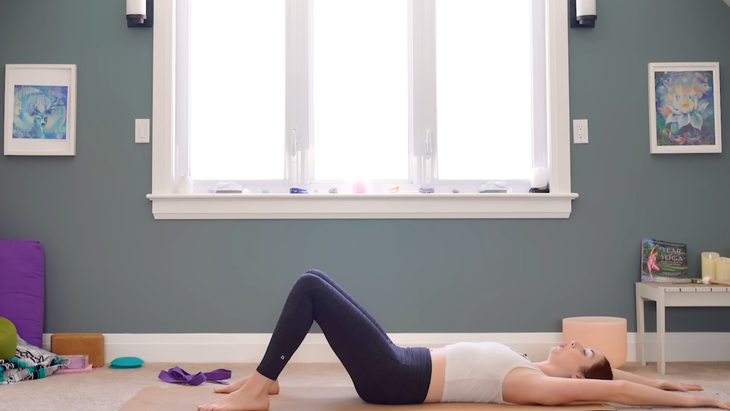
Credit: www.yogajournal.com
Frequently Asked Questions
What Are The Benefits Of Shoulder Flexibility Yoga?
Improving shoulder flexibility through yoga can enhance posture and relieve tension. It aids in better range of motion and reduces injury risk. Regular practice can also alleviate shoulder and neck pain. Yoga promotes overall upper body strength, leading to improved daily activities and athletic performance.
How Often Should I Do Shoulder Yoga Exercises?
For optimal results, practice shoulder yoga exercises 3-5 times a week. Consistency is key to improving flexibility and strength. Always listen to your body and adjust frequency as needed. Incorporating yoga into your routine helps maintain flexibility and supports long-term shoulder health.
Can Beginners Improve Shoulder Flexibility With Yoga?
Yes, beginners can significantly improve shoulder flexibility with yoga. Start with basic poses and gradually progress. Focus on proper form and breathing to maximize benefits. Regular practice increases flexibility and strengthens shoulder muscles. Always consult a yoga instructor for guidance and modifications.
What Yoga Poses Target Shoulder Flexibility?
Several yoga poses effectively target shoulder flexibility. Try poses like Downward Dog, Eagle Arms, and Cow Face. These poses help stretch and strengthen shoulder muscles. Consistent practice enhances mobility and reduces tension. Always ensure correct posture for maximum benefits and injury prevention.
Conclusion
Yoga can enhance shoulder flexibility with consistent practice. Each pose helps. Regular sessions build strength and ease tension. Breathing deeply during stretches aids relaxation. Incorporate poses into daily routines. Listen to your body, progress slowly. Flexibility improves over time. Remember, patience is key.
Benefits extend beyond physical health. Mental clarity and stress reduction follow. Enjoy the journey to greater shoulder mobility. Stay committed, reap the rewards. Feel better, move freely. Yoga offers a path to improved flexibility. Take the first step today. Embrace a healthier, more flexible you.