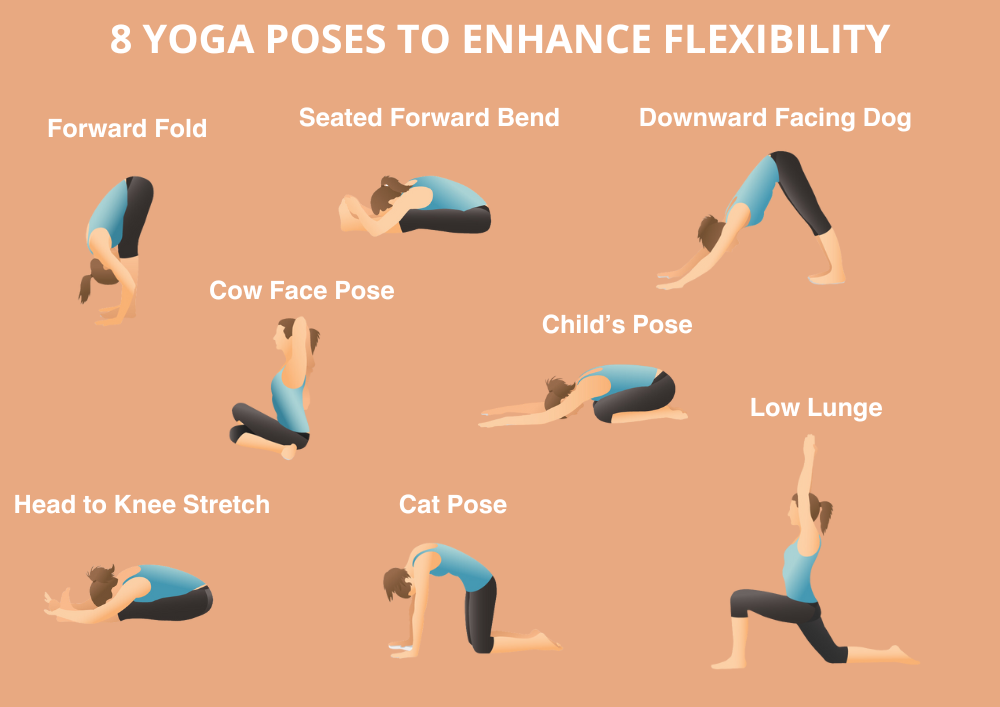
Have you ever wondered which yoga practice could stretch your flexibility to new heights? You’re not alone.
Many people like you are on a quest to discover the best yoga styles that can transform stiff muscles into limber, fluid movement. Imagine waking up feeling refreshed, your body ready to bend and stretch with ease. The secret lies in choosing the right type of yoga that suits your flexibility goals.
This guide will help you explore the yoga practices renowned for boosting flexibility. Stay with us as we unravel the mysteries of the mat, ensuring you find the perfect fit for your journey to a more flexible you.
Benefits Of Yoga For Flexibility
Yoga enhances flexibility by stretching muscles gently. Hatha and Yin Yoga are ideal for improving flexibility through deep stretches. Regular practice helps increase range of motion and reduce stiffness.
Yoga offers numerous benefits for flexibility. It helps improve muscle elasticity and joint mobility, making daily activities easier and more fluid. Practicing yoga regularly can lead to noticeable improvements in range of motion, helping to prevent injuries and reduce muscle stiffness. Let’s explore how yoga enhances flexibility in various ways.Improved Range Of Motion
Yoga stretches tight muscles, increasing their length and flexibility. Regular practice enhances the range of motion in joints, allowing movements with ease. This improvement supports better posture and reduces the risk of injury.Enhanced Muscle Elasticity
Yoga poses encourage muscles to stretch and relax. This process improves muscle elasticity, making them more pliable. Enhanced elasticity helps in performing everyday tasks without strain or discomfort.Reduced Muscle Stiffness
Regular yoga practice reduces stiffness in muscles and joints. This reduction aids in smoother movement and less discomfort during physical activities. It also promotes better circulation, which further alleviates stiffness.Better Posture And Alignment
Yoga focuses on body alignment and posture. Improved flexibility contributes to maintaining better posture. This alignment helps in preventing back pain and other posture-related issues.Injury Prevention
Flexible muscles and joints are less prone to injuries. Yoga enhances flexibility, reducing the likelihood of strains and sprains. It prepares the body for unexpected movements, ensuring stability and safety.Stress Relief And Relaxation
Yoga combines physical movement with deep breathing. This combination reduces stress and promotes relaxation. Relaxed muscles are more flexible, contributing to overall well-being. By incorporating yoga into your routine, you can enjoy these benefits and improve your flexibility. This practice offers a holistic approach to maintaining a healthy and flexible body.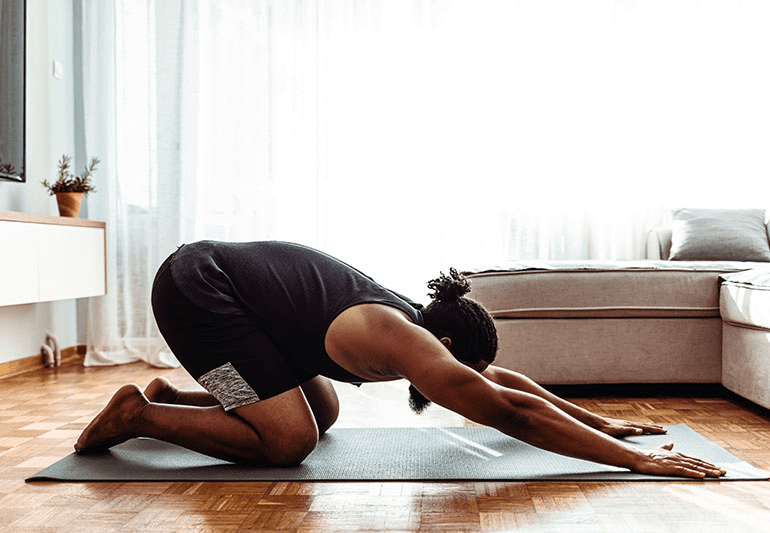
Credit: health.clevelandclinic.org
Hatha Yoga
Hatha Yoga improves flexibility through gentle stretching and holding poses. It focuses on breath control and body alignment. Suitable for beginners, this yoga style increases range of motion and reduces muscle stiffness.
Hatha Yoga is often considered the foundation of all yoga practices, focusing on balancing the body and mind through physical postures and breath control. It is a gentle yet effective way to improve flexibility, making it ideal for beginners and seasoned practitioners alike. Whether you’re trying to touch your toes or deepen your splits, Hatha Yoga can be a transformative experience in your flexibility journey.Basic Principles
Hatha Yoga emphasizes slow and deliberate movements, allowing you to explore each pose with mindfulness. The key is to hold poses longer, giving your muscles and joints time to stretch and adapt. Breathing plays a crucial role, guiding your movements and helping you relax into each posture. Isn’t it fascinating how a simple change in breathing can unlock tighter muscles?Flexibility Benefits
Practicing Hatha Yoga regularly can significantly enhance your flexibility. As you move through various poses, you gently stretch and strengthen your muscles, improving your range of motion. This can help alleviate stiffness and reduce the risk of injuries. Have you ever noticed how a flexible body makes everyday movements so much smoother?Suitable Poses
Certain poses in Hatha Yoga are particularly effective for boosting flexibility:- Downward Dog:Stretches the hamstrings and calves while opening up the shoulders.
- Standing Forward Bend:Deepens the stretch in the back and legs.
- Cobra Pose:Opens the chest and stretches the spine.
- Triangle Pose:Enhances flexibility in the legs and torso.
Vinyasa Yoga
Vinyasa Yoga is ideal for enhancing flexibility. Flowing movements and varied poses stretch muscles effectively. It helps improve range of motion and balance.
Vinyasa Yoga offers a dynamic practice. It focuses on flowing movements and breath connection. This style is popular for enhancing flexibility and strength. It keeps practitioners engaged with varied sequences. Each class is unique, promoting mindfulness and physical balance. Vinyasa Yoga suits those seeking an energetic and adaptable routine. It encourages practitioners to explore their body’s limits in a safe manner.Flow And Movement
Vinyasa Yoga emphasizes continuous movement. It links poses smoothly, creating a fluid sequence. This flow enhances physical agility and coordination. It challenges the body to move efficiently. The rhythm of breath guides each transition. Practicing Vinyasa Yoga develops a sense of grace. Flowing movements improve overall flexibility. They promote harmony between body and mind.Enhancing Flexibility
Vinyasa Yoga boosts flexibility with dynamic stretching. Poses stretch muscles and improve joint mobility. This style encourages deeper stretches with each breath. It allows gradual progress in flexibility. Regular practice helps open tight muscles. Vinyasa sequences target different muscle groups. They provide a balanced approach to flexibility.Popular Sequences
Several sequences are favored in Vinyasa Yoga. The Sun Salutation sequence warms up the body. It involves a series of flowing postures. Warrior poses enhance leg strength and flexibility. They open hips and improve balance. The Cat-Cow sequence releases tension in the spine. It promotes spinal flexibility and core strength. Each sequence offers a unique challenge. They cater to various skill levels and preferences.Ashtanga Yoga
Ashtanga Yoga enhances flexibility through a dynamic series of poses. This practice involves flowing sequences that stretch muscles deeply. Regular sessions increase mobility and improve overall body movement.
Ashtanga Yoga is renowned for its dynamic and structured approach, making it a popular choice for those seeking to enhance their flexibility. This style of yoga combines breath with movement, creating a flowing sequence that challenges both body and mind. Whether you’re a seasoned yogi or a curious beginner, Ashtanga offers a unique opportunity to deepen your practice and stretch your limits.Structured Practice
Ashtanga Yoga follows a specific sequence, allowing practitioners to build strength and flexibility methodically. Each pose is strategically placed, creating a balance between effort and ease. This structured practice ensures that you progress consistently, avoiding the pitfalls of randomness. The predictability of Ashtanga can be comforting. You know what’s coming next, which helps you mentally prepare for each pose. This mental focus enhances your ability to stretch further, as you’re not caught off guard by unexpected movements.Building Flexibility
Flexibility in Ashtanga Yoga is not just physical; it’s about the flexibility of the mind as well. Regular practice helps you understand your body’s limits and gradually extend them. It’s like a dance where each movement invites your muscles to lengthen and become more pliable. Consistency is key. As you practice regularly, your body starts to respond, opening up more and more. You’ll notice areas that were once tight begin to loosen, allowing you to sink deeper into poses. It’s a rewarding journey, one where patience truly pays off.Primary Series
The Primary Series in Ashtanga Yoga is designed to purify and align the body. It’s a sequence that, when practiced regularly, significantly enhances flexibility. The series begins with sun salutations, warming up the body and preparing it for deeper stretches. Each pose in the Primary Series builds upon the last, gradually increasing in complexity. This progression helps your body adapt to new levels of flexibility without strain. You might find yourself surprised at how far you can stretch when you stick to this sequence. Have you ever felt stuck in your flexibility journey? Ashtanga’s Primary Series might just be the catalyst you need. It’s structured yet adaptable, offering you a roadmap to achieve your flexibility goals.Yin Yoga
Yin Yoga is a unique style of yoga that emphasizes stillness and passive postures, making it particularly effective for enhancing flexibility. Unlike more dynamic styles, Yin Yoga focuses on holding poses for extended periods, allowing for deep stretching and relaxation. It’s a practice that invites you to slow down and listen to your body, fostering a greater connection with your physical self.
Slow Pace
In Yin Yoga, the slow pace is pivotal. Each pose is held for several minutes, which might feel challenging at first but gradually leads to profound release. This leisurely approach allows your muscles to relax deeply, encouraging the connective tissues to stretch and open up.
As you settle into the stillness, you might notice subtle sensations in your body. These are indications that your flexibility is improving. Over time, you may find that your range of motion increases, offering more freedom in your daily movements.
Deep Stretching
Yin Yoga is all about deep stretching. By targeting the body’s connective tissues, including ligaments and fascia, it provides a deeper stretch than many other yoga forms. This type of stretching is ideal for those looking to enhance their flexibility.
Holding poses for longer periods allows gravity to do the work, gently pulling and stretching the body. This passive stretching technique not only increases flexibility but also helps release tension and stress, leaving you feeling rejuvenated.
Ideal Poses For Flexibility
- Butterfly Pose:Sit with the soles of your feet together, gently letting your knees fall to the sides. This pose opens up the hips and inner thighs.
- Dragon Pose:A deep lunge that targets the hips and groin, this pose is perfect for increasing flexibility in the lower body.
- Caterpillar Pose:Sit with legs extended forward, and fold over your legs, reaching for your feet. This pose stretches the back and hamstrings.
These poses are particularly effective for enhancing flexibility. As you practice them, notice how your body responds and adapts. You might be surprised at the progress you make with regular practice.
Have you ever wondered how slow-paced exercises can lead to such significant gains in flexibility? Try Yin Yoga and discover the benefits of slowing down and embracing stillness. Your journey to greater flexibility might be just a pose away.

Credit: www.yogabasics.com
Bikram Yoga
Bikram Yoga enhances flexibility through a series of 26 postures performed in a heated room. The warmth helps muscles stretch safely and effectively. Perfect for those seeking improved mobility and balance.
Bikram Yoga, known for its structured sequence and heated environment, is a popular choice for those looking to improve flexibility. It consists of 26 specific postures performed in a room heated to around 105°F with 40% humidity. The consistent sequence and warmth offer unique benefits that can significantly enhance your range of motion.Heated Environment
Practicing in a heated room isn’t just about breaking a sweat. The warmth helps your muscles relax, making it easier to stretch further and reduce the risk of injury. This can be especially beneficial if you struggle with tightness or stiffness. Have you ever noticed how much more flexible you feel during a hot shower? That’s the heat at work! Similarly, the heated environment in Bikram Yoga allows your body to become more pliable, encouraging deeper stretches.Flexibility Advantages
Bikram Yoga is specifically designed to increase flexibility through its repeated sequence. Each posture in the series is performed twice, allowing you to notice improvements even within a single session. Are you looking to touch your toes or master the splits? Bikram’s consistent practice can gradually lead to these goals. The repetitive nature of the sequence helps build muscle memory, making flexibility gains more sustainable.Key Postures
Several postures in Bikram Yoga are particularly effective for boosting flexibility. The Standing Deep Breathing pose helps open up the lungs and shoulders, while the Half Moon pose targets the spine and side body. The Triangle pose is another key posture that enhances hip and groin flexibility, as well as overall leg strength. By engaging in these postures regularly, you can systematically work on different areas of your body, improving your overall flexibility. What areas of flexibility are you hoping to improve? The structured approach of Bikram Yoga can guide you towards reaching your personal goals.Iyengar Yoga
Iyengar Yoga enhances flexibility through precise alignment and posture holds. It uses props like blocks and straps. This method helps beginners ease into complex poses, promoting gradual improvement.
Iyengar Yoga is a popular style of yoga that emphasizes detail, precision, and alignment. Founded by B.K.S. Iyengar, this form of yoga is known for its rigorous approach and use of props to aid in performing poses accurately. If you’re looking to improve your flexibility, Iyengar Yoga might be the perfect fit for you. It not only focuses on stretching and strengthening your muscles but also ensures that you do it correctly to prevent injuries.Alignment Focus
In Iyengar Yoga, alignment is crucial. Each pose is designed to align your body properly, ensuring that each muscle and joint is engaged correctly. This focus on alignment helps you stretch safely and effectively. Have you ever noticed how a slight adjustment in your posture can make a big difference? By paying attention to alignment, you ensure that your body gets the maximum benefit from each stretch.Flexibility Through Precision
Precision is the hallmark of Iyengar Yoga. Instructors guide you to perform each pose with exactness, focusing on the minute details of body positioning. This precision allows for a deeper stretch, enhancing flexibility over time. Imagine the satisfaction of reaching a little further in a pose each session. With consistent practice, you’ll notice a gradual increase in your range of motion.Use Of Props
Props are integral to Iyengar Yoga. They help you achieve the correct posture and alignment, regardless of your flexibility level. Blocks, straps, and bolsters are commonly used to support your body and make poses accessible. Ever struggled to reach your toes? A strap can bridge the gap and help you stretch safely. This thoughtful use of props ensures that everyone, from beginners to advanced practitioners, can practice with confidence and comfort. Iyengar Yoga’s methodical approach is a great way to boost your flexibility while ensuring safety and precision. Why not give it a try and see how it transforms your practice?Choosing The Right Style
Selecting the best yoga style for flexibility involves exploring various options like Hatha, Vinyasa, and Yin yoga. Each style offers unique benefits and stretching techniques, enhancing flexibility and promoting overall well-being. Discovering the right fit can improve your practice and help achieve greater ease in movements.
Choosing the right yoga style for flexibility can make a significant difference in your practice. It’s not just about bending and stretching; it’s about finding a style that aligns with your personal needs and lifestyle. As you explore various styles, consider your personal goals, level of experience, and any physical considerations you may have.Personal Goals
Your personal goals play a crucial role in selecting the right yoga style. Are you looking to improve overall flexibility or target specific areas like hips or shoulders? If your goal is a full-body flexibility boost, styles like Vinyasa or Hatha might be perfect, as they offer a balanced sequence of poses. For those with more specific goals, such as increasing back flexibility, Yin Yoga can be beneficial. It focuses on holding poses for longer periods, allowing deeper access to connective tissues. Take a moment to reflect on what you truly want to achieve with your practice. This clarity will guide you toward the most suitable style.Level Of Experience
Your level of experience in yoga also influences your choice. Beginners might find styles like Hatha or Iyengar more accessible due to their focus on alignment and slower pace. These styles provide a solid foundation, making them ideal for those new to yoga. Experienced practitioners might prefer Ashtanga or Power Yoga for a more dynamic and challenging routine. These styles demand a higher level of physical fitness and offer opportunities to push your flexibility further. Assessing your experience helps in choosing a style that challenges you without overwhelming you.Physical Considerations
Physical considerations are essential when selecting a yoga style. Do you have any injuries or conditions that require special attention? If so, gentle styles like Restorative Yoga might be more suitable, as they focus on relaxation and healing. For those with specific physical needs, consulting with a yoga instructor can provide personalized guidance. They can recommend modifications or suggest styles that accommodate your physical limitations. Always listen to your body and prioritize safety in your practice. By aligning your choice with personal goals, experience level, and physical needs, you can find a yoga style that enhances both flexibility and overall well-being. What will your next yoga journey look like?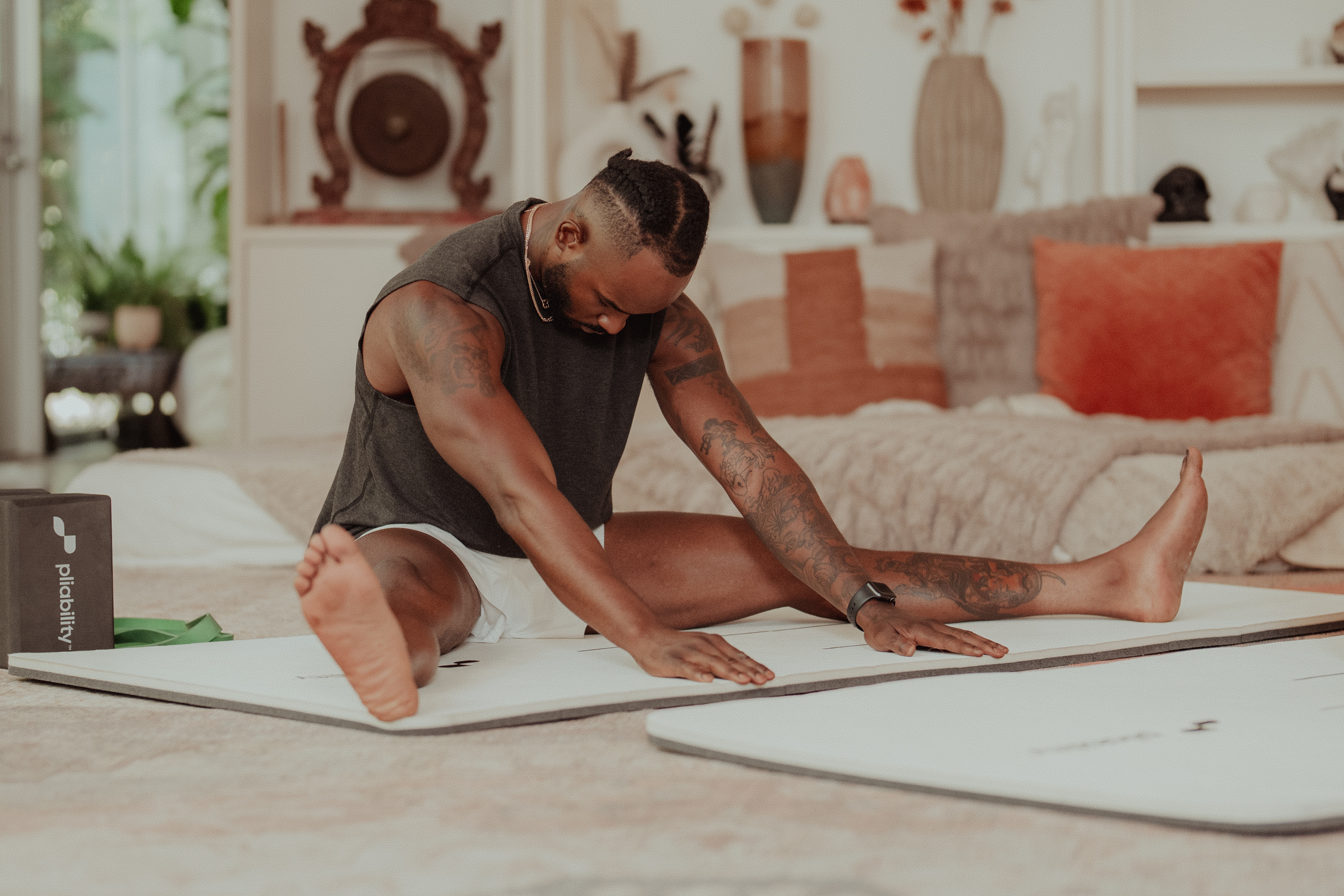
Credit: pliability.com
Frequently Asked Questions
What Yoga Styles Improve Flexibility Most Effectively?
Styles like Vinyasa, Ashtanga, and Yin Yoga are excellent for flexibility. Vinyasa offers dynamic flows to enhance movement. Ashtanga focuses on progressive poses, boosting flexibility. Yin Yoga targets deep connective tissues, improving joint flexibility. These styles provide varied approaches to improving flexibility over time.
Can Beginners Achieve Flexibility Through Yoga?
Yes, beginners can improve flexibility with yoga. Starting with gentle styles like Hatha Yoga is beneficial. It introduces basic poses gradually, allowing muscles to stretch safely. Regular practice enhances flexibility and reduces stiffness. Consistency and patience are key to seeing improvements.
How Often Should I Practice Yoga For Flexibility?
For flexibility, practice yoga three to five times weekly. Regular practice helps maintain progress and prevents muscle tightness. Combining dynamic and static poses enhances flexibility. Listening to your body and avoiding overexertion is crucial. Rest days are equally important for recovery.
Are Yoga Props Necessary For Flexibility?
Yoga props, like blocks and straps, aid in flexibility. They provide support and help maintain proper alignment. Props allow deeper stretches without strain. Beginners find them helpful in achieving poses comfortably. As flexibility improves, reliance on props may decrease.
Conclusion
Yoga styles each offer unique benefits for flexibility. Choose what suits your needs best. Try Hatha for gentle stretching. Vinyasa flows increase mobility and strength. Yin yoga targets deep tissues. Each style helps you bend better. Regular practice leads to improvement.
Listen to your body. Enjoy the journey to flexibility. Remember, consistency brings change. Start with small steps. Progress over time. Flexibility improves health and daily life. Feel more agile and free. Yoga adapts to your pace. Embrace it as part of your routine.
Discover how flexible you can become. Breathe deeply and stay committed.