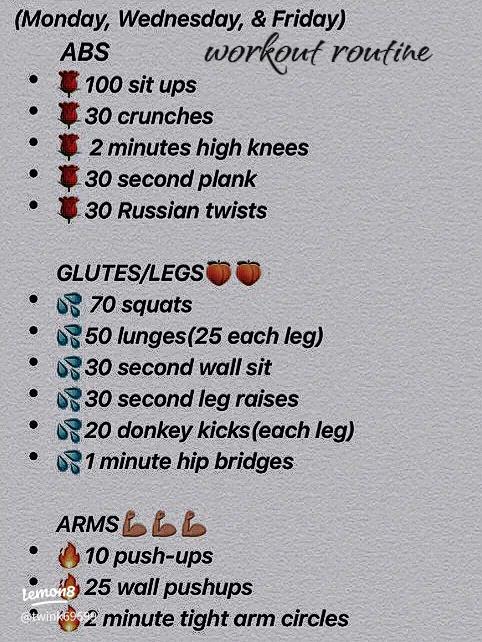
Are you tired of scrolling through social media, seeing fitness transformations, and wishing you could achieve the same at home? Starting a workout routine in the comfort of your own space might seem daunting, but it’s easier than you think.
Imagine waking up, rolling out of bed, and getting your blood pumping without the hassle of heading to the gym. The secret to success lies in a simple yet effective strategy tailored just for you. In this guide, we’ll reveal the steps to kickstart a workout routine that fits seamlessly into your lifestyle, helping you unlock the energy and confidence you’ve always desired.
Ready to transform your mornings and boost your well-being? Keep reading to discover how you can make fitness a rewarding part of your day.

Credit: in.pinterest.com
Assess Your Fitness Level
Evaluating your fitness level is essential before beginning a home workout routine. It helps tailor exercises to your needs. Start by checking your endurance, strength, and flexibility.
Assessing your fitness level is a crucial first step when starting a workout routine at home. It helps you understand your current capabilities and identify areas that need improvement. This assessment will guide you in setting realistic goals and choosing exercises that suit your needs. Knowing your fitness level can prevent injuries and ensure steady progress.
Identify Your Strengths And Weaknesses
Begin by evaluating your physical strengths and weaknesses. Are you more flexible, or do you have better endurance? Knowing these will help you tailor your routine. Consider trying a few basic exercises like push-ups or squats to see where you excel and where you struggle.
Consider Your Lifestyle
Reflect on your daily activities. Do you spend most of your day sitting, or are you frequently active? This will influence your starting point. If you’re mostly sedentary, focus on exercises that boost overall activity.
Use Fitness Tests
Simple fitness tests can provide valuable insight into your current level. You can time yourself on a plank or measure your heart rate after a brisk walk. These tests can be done at home with minimal equipment and offer a clear picture of your starting point.
Document Your Progress
Keep track of your achievements in a journal or app. Recording your progress not only keeps you motivated but also helps you identify patterns in your performance. This insight can be used to adjust your routine and improve your results.
Set Realistic Goals
Based on your assessment, set achievable goals. Instead of aiming to run a marathon in a month, start with short runs and gradually increase your distance. Setting realistic goals keeps you motivated and focused on your journey. Reflect on your fitness assessment and ask yourself: Are your goals aligned with your current level? Adjust as necessary, and remember that consistency is key to growth.
Set Clear Goals
Setting clear goals helps you stay focused and motivated. Identify what you want to achieve with your home workouts. Whether it’s weight loss or strength building, clear objectives guide your routine.
Setting clear goals is crucial when starting a workout routine at home. Without well-defined objectives, it’s easy to lose motivation and direction. Establishing specific, measurable, and realistic goals helps keep you focused and encourages progress.
Identify Your Motivation
Begin by asking yourself why you want to start exercising. Is it to lose weight, build muscle, or simply feel healthier? Understanding your motivation will help tailor your goals to align with your personal reasons.
Define Specific Objectives
Vague goals like “get fit” can be difficult to track. Instead, set clear targets such as “lose 10 pounds in three months” or “complete a 5K run.” Specific objectives make it easier to measure success and stay motivated.
Create A Timeline
Setting a deadline for your goals instills a sense of urgency and commitment. Decide when you want to achieve your objectives and break them down into smaller, manageable milestones along the way.
Make It Measurable
Ensure your goals are measurable. Track your progress with tools like a fitness app or journal. Seeing tangible results can boost your confidence and drive.
Stay Realistic
Avoid setting goals that are too ambitious or unrealistic. Consider your current fitness level and lifestyle. Start with achievable targets, then gradually increase the challenge as you improve.
Adjust As Needed
Life can be unpredictable, and your goals may need adjustments. Be flexible and willing to modify your objectives if necessary. It’s better to adapt than to give up entirely. By setting clear goals, you lay a strong foundation for a successful workout routine at home. What’s your primary fitness goal?
Create A Dedicated Space
Designate a specific area in your home for exercise. A dedicated space can boost motivation and focus. Keep it tidy and equipped with necessary workout gear to ensure a productive routine.
Creating a dedicated space for your home workout sets the stage for success. A clear, organized area can boost motivation and consistency. It doesn’t have to be large. Just enough to fit your needs.
Choose The Right Spot
Select a quiet corner with enough room to move. Ensure there’s good lighting. Natural light is a bonus, enhancing mood and energy. Avoid areas with distractions like TV or high traffic.
Keep It Organized
Store your equipment neatly. Use baskets or shelves for easy access. Keep your space clutter-free. This makes it inviting and ready for use at any time.
Consider Flooring
Choose comfortable flooring. A yoga mat or carpet works well. Avoid hard surfaces. They can cause discomfort during exercises.
Personalize Your Space
Add personal touches. Hang motivational posters or quotes. Play your favorite workout music. These elements create a positive atmosphere.
Ensure Proper Ventilation
Good air circulation is crucial. Open windows or use a fan. Fresh air keeps you refreshed and focused. Creating a dedicated space transforms your home workouts. It makes them enjoyable and effective.
Credit: www.lemon8-app.com
Gather Necessary Equipment
Gather Necessary Equipment Choose basic equipment like a yoga mat, resistance bands, and dumbbells. These tools can enhance your workout routine. Make sure everything fits your space and fitness level.
Starting a workout routine at home can feel overwhelming, especially when considering the equipment you’ll need. However, creating a home gym doesn’t have to break the bank or require an entire room’s worth of gear. With just a few essential items, you can set yourself up for a variety of effective workouts that keep you motivated and fit. Let’s dive into what you need to get started and some optional extras that can enhance your exercise experience.
Basic Equipment Essentials
Begin with a yoga mat. It’s versatile for stretching, yoga, pilates, or any floor exercises. A non-slip mat adds comfort and stability. Dumbbells are crucial. They come in various weights, allowing you to progress as you gain strength. Start with a set of light, medium, and heavy weights to cover different exercises. Resistance bands are compact and affordable. They offer a full range of motion and can target every muscle group. You can easily increase intensity by using thicker bands. Don’t forget a jump rope. It’s excellent for cardio, easy to store, and works wonders for coordination. Plus, a quick jump rope session can elevate your heart rate effectively.
Optional Additions
Consider a stability ball for core workouts. It also serves as an alternative to a bench for strength training exercises. A kettlebell can diversify your strength routine. It engages multiple muscle groups and improves balance and coordination. Invest in a foam roller. It aids in muscle recovery, reduces soreness, and improves flexibility. Using it post-workout can be a game-changer. Think about adding a pull-up bar. If you have a sturdy door frame, it’s a great tool for upper body strength. What about an exercise bench? It’s not necessary for everyone, but if space and budget allow, it can expand your exercise options significantly. Choosing the right equipment can be as simple as aligning with your fitness goals and space constraints. What’s your go-to piece of equipment at home?
Choose A Workout Plan
Starting a workout routine at home can feel overwhelming. Choosing a workout plan sets the foundation for success. With so many options, finding the right one is crucial. A structured plan guides your progress and keeps you motivated. It ensures you target different muscle groups effectively. You can tailor it to your goals and preferences.
Types Of Workouts
Home workouts come in various forms. Here are some popular types:
- Cardio:Activities like jumping jacks or running in place boost heart health.
- Strength Training:Use body weight or simple equipment to build muscle.
- Yoga:Focus on flexibility and mindfulness with easy poses.
- Pilates:Improve core strength and posture through controlled movements.
- HIIT:High-Intensity Interval Training mixes short, intense bursts with rest.
Finding The Right Fit
Choosing the right workout depends on personal goals. Ask yourself what you aim to achieve. Whether it’s weight loss, muscle gain, or stress relief, clarity helps. Consider your current fitness level too. Beginners might start with low-impact exercises. As you progress, you can increase intensity. Enjoyment is also key. Pick activities you find fun and engaging. This makes sticking to your routine easier and more rewarding.
Schedule Your Workouts
Creating a workout schedule is crucial for building a consistent routine at home. Without a structured plan, it’s easy to let days slip by without exercising. By committing to a schedule, you ensure that your fitness goals remain a priority.
Finding Time In Your Day
Look at your daily activities and identify gaps where you can fit in a workout. Are you an early riser or a night owl? Use your natural tendencies to your advantage.
Consider replacing your morning coffee ritual with a quick yoga session. Or, if evenings are more relaxed, dedicate some time before dinner for a strength workout.
Even small chunks of time can be effective. A 20-minute cardio session can be squeezed in during a lunch break. Think creatively about how you can use time efficiently.
Creating A Weekly Routine
Start by deciding how many days a week you want to exercise. Aiming for three to five days is a good balance.
Balance different types of workouts throughout the week. Mix cardio with strength training and flexibility exercises. This variety keeps things interesting and covers all aspects of fitness.
Write down your routine and stick it somewhere visible. Seeing your plan daily can motivate you to stay on track. Remember, consistency is key to seeing results.
Ask yourself, what challenges might prevent you from sticking to your schedule? Identify these hurdles and plan how you’ll overcome them. Perhaps it’s about prioritizing your health over last-minute plans with friends or family.
Warm-up And Cool Down
Warming up prepares your body for exercise by increasing blood flow and flexibility. Cooling down helps to relax muscles and reduce soreness after workouts. Both are essential parts of a safe and effective home workout routine.
Starting a workout routine at home can be both exciting and challenging. One crucial aspect that often gets overlooked is the warm-up and cool down. These two components are essential for preparing your body for exercise and aiding in recovery afterward. By incorporating a proper warm-up and cool down, you can enhance performance, prevent injuries, and ensure a well-rounded fitness routine.
Importance Of Warming Up
Warming up is more than just a pre-exercise ritual. It raises your body temperature and increases blood flow to your muscles, preparing them for the workout ahead. A good warm-up can improve flexibility and reduce the risk of injury. Think of it as setting the stage for a successful session. Skipping it might feel like saving time, but the potential for a strained muscle isn’t worth it. A few minutes of dynamic stretches, such as arm circles or leg swings, can make all the difference.
Effective Cool Down Techniques
Cooling down helps your body transition from high activity to rest. It prevents dizziness and helps your heart rate return to normal gradually. This is the perfect time to focus on static stretches to enhance flexibility. Consider devoting five to ten minutes to a cool down. It’s a great opportunity to reflect on your workout and appreciate the effort you’ve put in. Techniques like deep breathing and stretching your major muscle groups—like your hamstrings and shoulders—can be incredibly beneficial. Do you ever find yourself rushing through the cool down to get on with your day? Remember, taking this time can improve your next workout session. Wouldn’t it be great to feel refreshed and ready to tackle your next challenge?
Track Your Progress
Keep track of your fitness progress to stay motivated at home. Record exercises, reps, and sets for improvement. Celebrate small wins to boost confidence and maintain consistency.
Starting a workout routine at home is exciting. Tracking your progress keeps you motivated. You see how far you’ve come. It helps you adjust your routine for better results. Let’s explore ways to track your journey.
Keeping A Workout Journal
A workout journal is simple yet effective. Write down each exercise you do. Include the number of sets and reps. Record how you feel after each session. This helps you notice patterns. You see what works best for you. Over time, you notice improvements in strength and endurance. A journal is a personal record. It shows your dedication and progress.
Using Apps For Tracking
Apps make tracking easy. They offer features like timers and reminders. Some apps provide workout suggestions. You can track calories burned and distances covered. Many apps connect with smart devices. This lets you monitor your heart rate and steps. Apps give you insights into your workout habits. They make tracking progress convenient and fun.
Stay Motivated
Staying motivated is key to maintaining a workout routine at home. Without motivation, it’s easy to skip workouts or abandon your routine altogether. Keep your energy high and stay committed by setting clear goals and rewarding yourself. These strategies can make your fitness journey more enjoyable and sustainable.
Setting Milestones
Break down your fitness goals into smaller milestones. These milestones should be achievable and time-bound. For example, aim to complete a certain number of workout sessions each week. You could also focus on improving endurance or strength gradually. Tracking your progress helps you see how far you’ve come. It provides a sense of accomplishment and keeps you motivated.
Rewarding Yourself
Celebrate your achievements by rewarding yourself. Rewards can be as simple as taking a relaxing bath after a workout. They can also be new workout gear or a healthy treat. Choose rewards that will motivate you to push further. Make sure they align with your fitness goals. This creates a positive loop that encourages consistent effort and progress.

Credit: in.pinterest.com
Adjust And Evolve
Begin your home workout routine by setting clear goals and creating a dedicated space. Adjust exercises based on your fitness level, gradually increasing intensity to evolve your routine.
Starting a workout routine at home is a great step. But to succeed, you must adjust and evolve. This ensures your routine stays effective and enjoyable. It also helps prevent boredom and injury. Let’s explore how to do this.
Listening To Your Body
Your body talks during exercise. Pay attention to what it says. Feel pain? Stop and rest. Feel tired? Take a break. Feeling energetic? Push a bit harder. Listening helps avoid injuries. It makes workouts more effective.
Updating Your Routine
Change is key in workouts. Keep your routine fresh and challenging. Add new exercises every few weeks. Increase weights or reps gradually. Try a new workout style like yoga or HIIT. These changes keep muscles guessing. They prevent plateaus and boost motivation.
Frequently Asked Questions
What Are The Basics To Start Home Workouts?
Begin by setting clear goals and allocating space for exercise. Choose exercises that suit your fitness level and interests. Start with bodyweight exercises like squats and push-ups. Gradually increase intensity and duration to challenge your body. Consistency is key, so aim for regular sessions to build habit.
How Can I Create A Workout Schedule?
Determine your fitness goals and available time. Plan workouts that fit your lifestyle, balancing different exercise types. Include strength training, cardio, and flexibility exercises. Start with short sessions, then gradually increase time and intensity. Consistency helps you build an effective routine and achieve results.
Can I Lose Weight By Working Out At Home?
Yes, home workouts can aid weight loss when combined with a balanced diet. Focus on calorie-burning exercises like HIIT, cardio, and strength training. Monitor your progress and adjust intensity as needed. Consistency in your routine will help you achieve weight loss goals effectively.
What Equipment Do I Need For Home Workouts?
Minimal equipment is required; start with basics like a yoga mat and resistance bands. Dumbbells and kettlebells can enhance strength training. Consider adding a jump rope for cardio. As you progress, expand your equipment based on your workout needs and space availability.
Conclusion
Starting a workout routine at home is simple and rewarding. Focus on small goals. Gradually increase intensity. Find exercises that you enjoy. Set a regular schedule to keep motivated. Use online resources for guidance and variety. Listen to your body and avoid injuries.
Stay consistent for the best results. Celebrate small achievements to boost confidence. Make exercise a habit, not a chore. Enjoy the process, and watch your fitness improve. Remember, every step counts. You are on the path to a healthier lifestyle.
Keep moving forward, and stay positive. Your journey to fitness starts now.