
Have you ever wondered if yoga is more about flexibility or mobility? This question might seem straightforward, but it’s a topic that often causes confusion.
You might picture someone twisting into a pretzel when you think of yoga, but there’s more to it than just being bendy. Understanding the difference between flexibility and mobility can make all the difference in your yoga practice and overall well-being.
By diving into this topic, you’ll uncover the secrets to enhancing your performance and preventing injuries, all while enjoying the many benefits yoga has to offer. Ready to discover what yoga truly encompasses? Let’s unravel the mystery together and transform your yoga experience!
Yoga And Physical Movement
Yoga is a practice that embodies physical movement. It’s more than just stretching or bending. It involves both flexibility and mobility. Flexibility refers to the ability of muscles to stretch. Mobility includes the ability of joints to move through a range of motion. Yoga combines these elements, enhancing physical well-being. It offers a holistic approach to body movement.
Historical Roots
Yoga originated in ancient India. It was a spiritual practice, focusing on meditation. Physical movement was part of this spiritual journey. Early yoga included postures, known as asanas. They were designed to prepare the body for meditation. These postures emphasized balance, strength, and flexibility. The historical roots of yoga show its deep connection to physical movement.
Modern Practice
Today, yoga is popular worldwide. It’s practiced in gyms, studios, and homes. Modern yoga focuses on physical health. It includes various styles, like Vinyasa and Hatha. Each style emphasizes different aspects of movement. Vinyasa links breath with movement. Hatha focuses on holding postures. Modern yoga combines flexibility and mobility training. It promotes overall physical wellness. Many people use yoga for fitness, stress relief, and relaxation.
Defining Flexibility
When you think of yoga, flexibility often comes to mind. However, defining flexibility goes beyond simply being able to touch your toes. It’s about the range of motion your muscles allow, contributing to better posture, reduced injury risk, and enhanced physical performance. Understanding flexibility involves delving into how muscles stretch and lengthen, and recognizing common misconceptions.
Muscle Length And Stretch
Flexibility is primarily determined by muscle length and how far they can stretch. Imagine your muscles as rubber bands. The longer they are, the further they can be stretched without tearing. In yoga, practices like forward bends and twists help elongate these ‘rubber bands,’ gradually increasing your range of motion.
Consider the hamstrings. If you sit all day, they might shorten, making it hard to reach your toes. Regular stretching, however, encourages these muscles to lengthen, improving your flexibility. Have you tried holding a stretch for a little longer than usual? Notice the change over time.
Common Misconceptions
Many people believe flexibility is something you’re either born with or not. But it’s not solely a genetic gift. Flexibility can be developed with consistent practice. Yoga teaches us that persistence pays off, allowing even the stiffest muscles to gradually open up.
Another misconception is that flexibility equals mobility. While flexibility is about muscle length, mobility involves joint movement. Stretching in yoga enhances flexibility, but poses that engage joints also improve mobility. Have you ever noticed how yoga poses sometimes focus on holding a position while breathing deeply? That’s targeting both flexibility and mobility.
So next time you’re on the mat, ask yourself: Are you stretching your muscles, or are you moving your joints? Understanding this difference can guide your practice towards achieving a more balanced physical state.
Understanding Mobility
Mobility is often misunderstood as simply being flexible, but it goes beyond bending and stretching. It encompasses how well you can move your joints through their full range of motion, enabling smooth and efficient movement. Understanding mobility can transform your yoga practice, making it more effective and beneficial for your body. Whether you’re a seasoned yogi or a beginner, knowing the difference can help you achieve your fitness goals.
Joint Range Of Motion
Your joints are pivotal to your mobility. Each joint has a specific range of motion that it can achieve, from the rotation of your shoulders to the bend of your knees. Assessing your joint range of motion helps you identify areas that need improvement. Have you ever tried to squat and felt restricted? That might be due to a limited range of motion in your hips. Regular yoga practice can aid in gradually enhancing this range, making daily movements easier and more fluid.
Functional Movement
Functional movement is about how well your body performs basic tasks, like reaching for something on a shelf or bending to tie your shoelaces. It’s all about efficiency in movement. Yoga emphasizes functional movement by encouraging alignment, balance, and strength across various poses. Imagine how much easier life becomes when your body moves fluidly and without strain. By focusing on functional movement in yoga, you enhance your body’s ability to perform everyday activities with ease.
Consider how your yoga practice can contribute to better mobility in your daily life. Are there poses that you struggle with, and what do they reveal about your movement habits? Understanding these aspects can lead to breakthroughs in both your yoga journey and overall physical health.
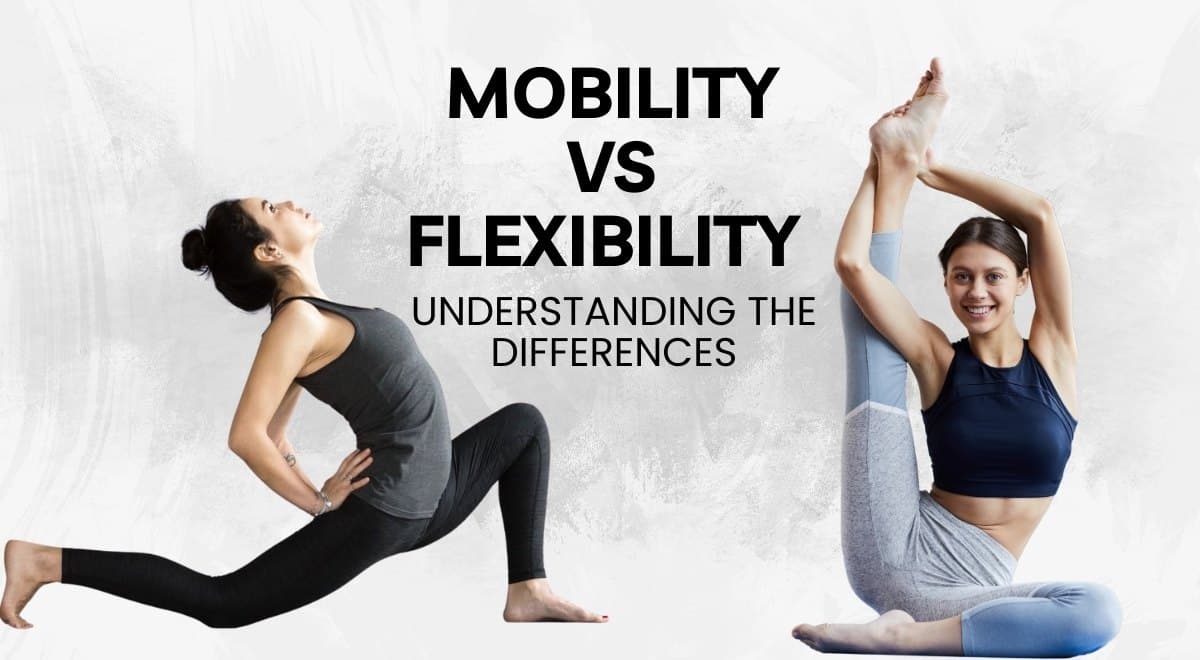
Credit: toneopfit.com
Yoga’s Role In Flexibility
Yoga enhances flexibility by stretching muscles and joints, improving range of motion. It also boosts mobility through mindful movements and poses, aiding everyday activities.
Yoga’s Role in Flexibility Have you ever wondered why yoga enthusiasts seem to glide effortlessly through life, both physically and mentally? One of yoga’s key benefits is its ability to enhance flexibility, transforming how your body moves and feels. Flexibility isn’t just about being able to touch your toes; it’s about increasing your range of motion and preventing injuries. Yoga can be your secret weapon in achieving a flexible body without overstraining your muscles.Poses For Stretching
Yoga is packed with poses that specifically target stretching. Consider the Downward Dog, a staple in many yoga routines. It stretches the spine, hamstrings, and calves, providing a full-body release. Another effective pose is the Cobra, which opens up the chest and strengthens the back. Integrating these poses into your daily routine can significantly enhance your flexibility over time. The Child’s Pose offers a gentle stretch for the hips and lower back, making it perfect for beginners. As you practice, notice how each pose feels different, encouraging you to stretch deeper and more mindfully.Benefits For Muscle Length
Yoga promotes muscle lengthening, rather than bulking, giving you long and lean muscles. This is beneficial for reducing stiffness and improving posture. Imagine how much easier it would be to perform daily tasks like bending and lifting without that tightness in your muscles. Yoga helps elongate your muscle fibers, enhancing flexibility and reducing the risk of injuries. Consistent practice leads to muscles that are not only longer but also more resilient. How might your life change if your body felt lighter and more agile every day? This is the gift of yoga’s influence on muscle length.Yoga’s Impact On Mobility
Yoga helps improve both flexibility and mobility. It strengthens muscles and increases joint range of motion. Regular practice enhances body movement and reduces stiffness.
Yoga is often celebrated for its ability to enhance flexibility, but its impact on mobility is equally profound. Mobility involves not only the flexibility of muscles but also the strength and coordination of joints, allowing for a full range of motion. By focusing on both flexibility and strength, yoga offers a comprehensive approach to improving mobility, making everyday tasks more manageable and less taxing on the body.Enhancing Joint Health
Yoga promotes joint health by encouraging movement through a wide range of positions, which helps to lubricate joints and maintain their integrity. Regular practice can alleviate stiffness and discomfort, often associated with sedentary lifestyles or aging. If you’ve ever felt the creakiness after sitting too long, yoga might just be the remedy your joints crave. Consider the simple act of standing up from a chair. It requires more than just muscle strength; it demands coordination and joint support. Yoga poses like Warrior II and Tree Pose focus on joint alignment and balance, crucial elements for maintaining joint health as you age.Improving Daily Function
Incorporating yoga into your routine can significantly enhance how you move through your day. The increased mobility from yoga practice means daily activities become smoother and less strenuous. Whether it’s reaching for an item on a high shelf or bending down to tie your shoes, yoga prepares your body for these functional movements. Think about your morning routine. Simple acts like showering, dressing, or getting in and out of your car require mobility. Yoga helps improve these tasks, making them feel more effortless. As your mobility improves, you may notice an increase in energy and a decrease in fatigue, creating a positive feedback loop that encourages consistent practice. Have you ever paused to consider how much easier life could be with improved mobility? Yoga offers a practical solution by enhancing how your body moves, making each day a little bit easier.
Credit: www.truthstar.com
Comparing Flexibility And Mobility
Yoga enhances both flexibility and mobility, helping joints move freely and muscles stretch with ease. Flexibility focuses on stretching muscles, while mobility involves moving joints through a full range of motion. Practicing yoga regularly can improve both aspects, contributing to overall well-being and physical health.
Comparing flexibility and mobility in yoga can be insightful. Both are essential for a balanced practice. While flexibility is widely recognized, mobility holds equal importance. Understanding their differences helps improve your yoga journey.Key Differences
Flexibility refers to muscle length and stretch capacity. It’s about how far you can stretch. Think of touching your toes or bending deeply. Mobility, on the other hand, involves joint movement. It encompasses strength, control, and range of motion. Flexibility is passive. It involves holding stretches without muscle engagement. Mobility requires active movement. It combines flexibility with strength. This makes it more functional for everyday activities.Interconnected Benefits
Flexibility enhances your range of motion. It allows deeper yoga poses. Mobility supports joint health. It improves stability and control. Together, they reduce injury risk. A flexible body can stretch easily. But a mobile body can move freely. This balance is crucial in yoga. It promotes overall physical health and wellness. Incorporating both into yoga practice enhances performance. It leads to a more dynamic and efficient practice. Flexibility and mobility together improve posture and body awareness.Choosing The Right Approach
Yoga involves both flexibility and mobility. Flexibility refers to the range of motion in your muscles. Mobility focuses on how freely your joints move. Understanding these differences can guide your yoga practice for better results.
Choosing the Right Approach Yoga can enhance both flexibility and mobility. Each offers unique benefits. Finding the right focus requires understanding your needs. Consider your body’s capabilities and goals.Personal Goals
Decide what you want from yoga. Increased flexibility can improve your range of motion. Mobility helps in strengthening and stabilizing movements. Reflect on what fits your lifestyle. Athletes might prioritize mobility. Others may aim for relaxation or stress relief.Tailoring Your Practice
Customize your yoga routine. Focus on stretches for flexibility. Incorporate dynamic movements for mobility. Adjust based on progress and feedback from your body. Listen to what feels right. Mix techniques for balanced development. Balance is key for overall health.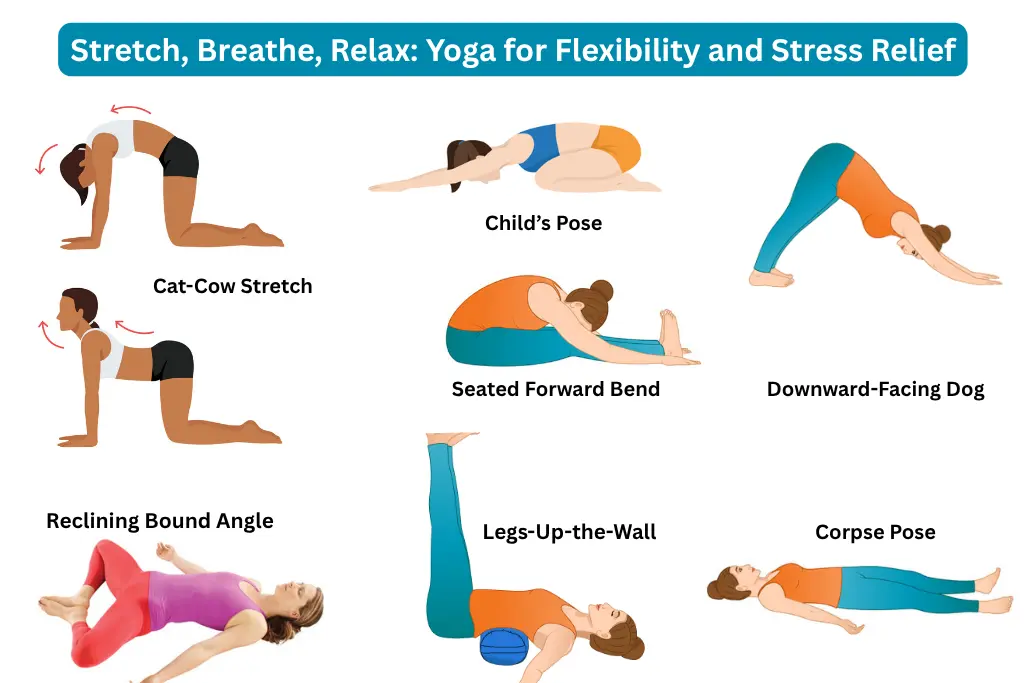
Credit: yogavibeshub.com
Expert Insights
Yoga enhances both flexibility and mobility. Flexibility refers to the ability of muscles to stretch. Mobility involves the range of motion in joints. Balancing these elements can improve physical well-being and overall movement.
Yoga, often celebrated for its ability to enhance flexibility and mobility, invites varied expert opinions. Understanding these insights can help us better appreciate yoga’s impact on the body. Different professionals, including yoga instructors and physiotherapists, offer unique perspectives on this ancient practice.Yoga Instructors’ Perspectives
Yoga instructors emphasize the importance of flexibility in yoga. They believe flexibility allows for smoother transitions in poses. It helps in achieving deeper stretches, which can enhance overall body performance. Instructors often guide students to balance flexibility with strength. This approach prevents overstretching and ensures safe practice. Many instructors also highlight the mental benefits. Flexibility in yoga can lead to a more relaxed mind.Physiotherapists’ Advice
Physiotherapists focus on mobility as a key benefit of yoga. Mobility involves joint movements and muscle control. Physiotherapists suggest yoga improves range of motion. They advise combining yoga with other exercises for optimal mobility. Strength training complements yoga, ensuring balanced muscle development. Physiotherapists often recommend yoga for recovery from injuries. It aids in restoring joint function and reducing stiffness.Frequently Asked Questions
What Is The Difference Between Flexibility And Mobility?
Flexibility refers to the ability of muscles to stretch. Mobility involves the movement of joints through their full range of motion. While flexibility is about muscle elasticity, mobility focuses on joint function and control. Both are important for overall physical health and performance in activities like yoga.
Does Yoga Improve Both Flexibility And Mobility?
Yes, yoga is beneficial for improving both flexibility and mobility. Yoga poses stretch muscles, enhancing flexibility. They also promote joint movement, aiding mobility. Regular practice can lead to improved posture, reduced injury risk, and better overall movement. Incorporating yoga into your routine can boost both aspects effectively.
Why Is Mobility Important In Yoga Practice?
Mobility in yoga helps ensure safe and effective practice. It allows for smoother transitions between poses and minimizes injury risk. Good mobility supports joint health and balance. It also enhances the ability to hold poses longer and with better alignment.
Prioritizing mobility can improve your yoga experience significantly.
How Can Yoga Enhance Flexibility?
Yoga enhances flexibility through consistent stretching and holding poses. It targets specific muscle groups, helping them elongate over time. Poses like forward bends and splits improve muscle elasticity. Regular practice increases range of motion and can aid in reducing muscle stiffness.
It’s an excellent way to boost flexibility naturally.
Conclusion
Yoga blends flexibility and mobility seamlessly. Each pose invites balance and grace. Stretching enhances flexibility, while movement builds mobility. Together, they create harmony in the body. Feel the stretch. Embrace the movement. Yoga supports health, easing stiffness and enhancing fluidity.
Practicing regularly nurtures both flexibility and mobility. Listen to your body. Recognize its needs. Yoga offers a path to a more agile self. Enjoy the journey. Celebrate small progress. It’s not just about the poses; it’s about how you feel.
Yoga encourages connection with your body and mind. Find your flow. Explore the benefits. Embrace the practice.