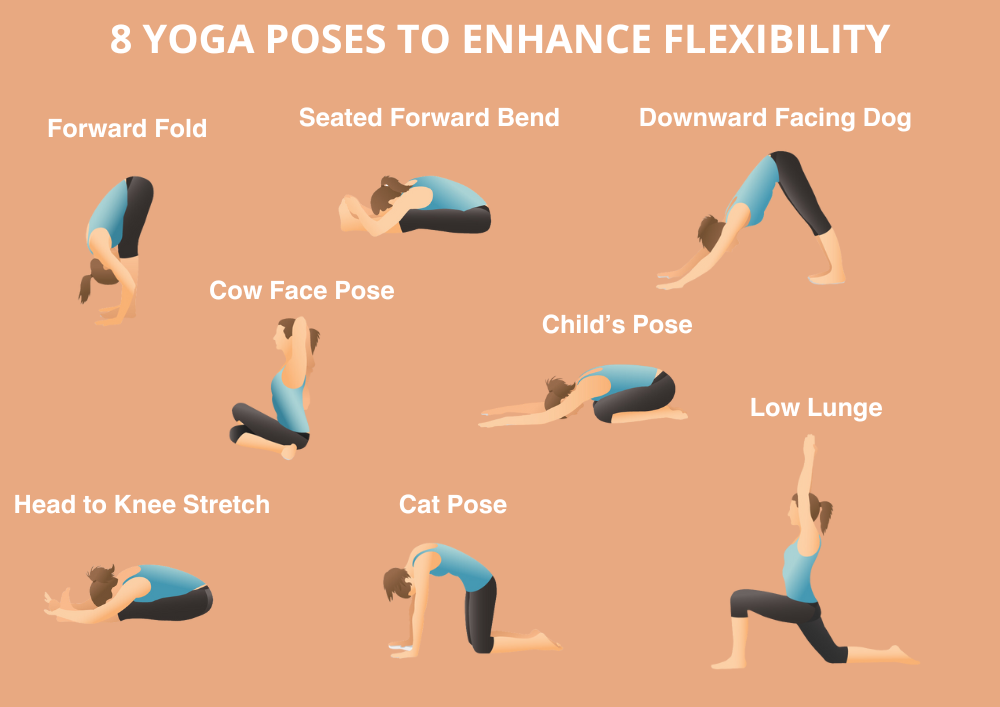
Are you feeling stiff and longing for more flexibility? You’re not alone.
Many people seek ways to stretch and loosen up tight muscles. But with so many yoga styles out there, how do you know which is the best one for increasing flexibility? Imagine effortlessly bending, reaching, and moving with ease. It sounds great, right?
You’ll discover the yoga style that can transform your flexibility in ways you might not have thought possible. This isn’t just about picking any yoga; it’s about finding the right one that suits your needs. By the end of this read, you’ll have clear insights into the most effective yoga practice for enhancing your flexibility, helping you move better and feel great. Dive in to unlock the secrets of supple and agile movement.
Importance Of Flexibility In Yoga
Vinyasa yoga enhances flexibility through fluid movements and dynamic poses. Incorporating stretches into daily practice promotes muscle elasticity. Consistent engagement in yoga boosts overall mobility and physical ease.
Flexibility in yoga is more than just being able to touch your toes or bend into a graceful pose. It’s about enhancing your body’s ability to move freely and comfortably. When you increase your flexibility, you improve your overall health and well-being. Imagine a world where reaching for a high shelf or playing with your kids doesn’t end with a sore back or strained muscles. Yoga can be your gateway to that world.Understanding The Role Of Flexibility In Yoga
Yoga isn’t merely about holding poses; it’s about connecting with your body. Flexibility plays a critical role in allowing this connection. When your muscles and joints are flexible, you can perform yoga poses with greater ease and precision. This not only enhances your practice but also prevents injuries and strains.How Flexibility Enhances Your Daily Life
Flexibility achieved through yoga spills over into your daily activities. You might notice less stiffness in the morning or find that you’re able to move with more grace during your favorite sports. Flexibility can even improve your posture, making long hours at a desk more bearable.Yoga Poses That Boost Flexibility
Certain yoga poses are particularly effective at enhancing flexibility. Consider poses like the Downward Dog, which stretches the spine and hamstrings, or the Cobra Pose that opens up the chest and shoulders. Incorporating these into your routine can gradually improve your flexibility.Personal Experience: The Flexibility Journey
When I first started yoga, touching my toes seemed impossible. But after committing to a regular practice, I began to notice changes. My movements became fluid, and the constant back pain I had disappeared. This personal transformation made me realize how crucial flexibility is not just for yoga, but for life.Are You Ready To Enhance Your Flexibility?
Think about your current flexibility. Could it be improved? Yoga offers a gentle, effective way to increase it without the pressure of traditional workouts. Are you ready to start your journey towards a more flexible you?Factors Influencing Flexibility
Flexibility is a key aspect of physical health. It enhances movement and reduces the risk of injuries. Various factors influence how flexible a person can become. Understanding these factors can help tailor yoga practices to improve flexibility.
Age
Flexibility often decreases with age. Younger individuals tend to be more flexible naturally. As we age, muscles and joints become stiffer. Regular yoga can help maintain flexibility despite age-related changes.
Gender
Generally, women are more flexible than men. This is due to differences in muscle structure and connective tissue. Yoga can help both genders improve their flexibility, focusing on specific poses that target tight areas.
Body Composition
Body fat and muscle mass can impact flexibility. Excess body fat may limit range of motion. Muscle mass can affect flexibility, especially if muscles are not stretched regularly. Yoga helps balance muscle strength and flexibility.
Activity Level
Active individuals often have better flexibility. Regular physical activity keeps muscles loose and joints mobile. Sedentary lifestyles can lead to stiffness and reduced flexibility. Incorporating yoga into daily routines can counteract these effects.
Genetics
Genetics play a role in flexibility. Some people are naturally more flexible due to their genetic makeup. While you can’t change your genes, consistent yoga practice can maximize your genetic potential for flexibility.
Previous Injuries
Past injuries can affect flexibility. Scar tissue and muscle imbalances can lead to stiffness. Yoga can aid recovery and improve flexibility by gently stretching affected areas.
Hydration
Hydration is crucial for muscle elasticity. Dehydrated muscles are prone to stiffness. Drinking water regularly helps maintain optimal muscle function and flexibility. Yoga combined with proper hydration can enhance flexibility.
Diet
Nutrients like vitamins and minerals support muscle health. A balanced diet provides the necessary nutrients for maintaining flexibility. Foods rich in omega-3 fatty acids and antioxidants can aid in reducing inflammation and stiffness.
Hatha Yoga
Hatha Yoga stands out for boosting flexibility through gentle poses and mindful breathing. It offers a balanced approach, easing muscle tension while promoting overall well-being. Ideal for beginners, it enhances body awareness and elasticity with consistent practice.
Hatha Yoga is a practice that harmonizes your body and mind, making it a fantastic choice for anyone looking to increase flexibility. Unlike high-energy yoga styles, Hatha focuses on slower movements and holding poses, allowing you to stretch deeply and mindfully. It’s particularly beneficial for beginners, as it introduces foundational poses that build strength and flexibility over time.Key Poses For Flexibility
Hatha Yoga is rich in poses that enhance flexibility. Consider starting with the Downward Dog, which stretches your hamstrings and calves. The Cobra pose can open your chest and strengthen your spine, while the Triangle pose stretches your sides and improves balance. These poses are not only effective but also accessible. You don’t need to be a contortionist to benefit from them. With consistent practice, you’ll notice your body gradually loosening and becoming more agile.Benefits For Beginners
If you’re new to yoga, Hatha is a gentle introduction that helps you understand your body’s capabilities. The slower pace allows you to focus on alignment and breathing, reducing the risk of injury. You’ll find that regular practice not only increases flexibility but also boosts your mental resilience. Imagine feeling less stressed and more grounded in your daily life. Isn’t that something we all could use a bit more of? Remember, flexibility isn’t about being able to twist yourself into a pretzel; it’s about improving your range of motion and feeling more comfortable in your own skin. So, why not give Hatha Yoga a try and see how it can enhance your flexibility journey?Vinyasa Flow
Vinyasa Flow is a dynamic yoga style that links breath with movement. It helps improve flexibility and strength through fluid transitions and varied poses. Ideal for those seeking to enhance their range of motion while enjoying a mindful practice.
Vinyasa Flow is a popular yoga style known for its fluid movements. It connects breath with each pose, creating a seamless sequence. This approach not only boosts flexibility but also improves strength and balance. Practicing Vinyasa Flow regularly enhances your body’s range of motion.Dynamic Movements
Vinyasa Flow includes dynamic movements that engage multiple muscle groups. These movements involve transitioning from one pose to another with grace. As you move, your muscles stretch and contract, increasing flexibility. Dynamic movements also improve coordination and balance. They keep the body active and responsive, reducing stiffness. The flow encourages smooth transitions, making the practice engaging and challenging.Enhancing Stretching
In Vinyasa Flow, stretching is a key component. Each pose aims to elongate and open muscles. Regular practice helps in stretching tight areas, like hips and shoulders. The stretching is gradual and controlled, preventing injury. Poses such as forward bends and twists enhance flexibility. They allow muscles to release tension and lengthen naturally. With consistent practice, you’ll notice improved flexibility over time. Stretching in Vinyasa Flow is gentle yet effective. It contributes to overall wellness and physical ease.Yin Yoga
Yin Yoga is a slow-paced style focusing on holding poses longer. Unlike other dynamic yoga practices, Yin aims to stretch and strengthen the body’s deeper tissues. This practice is perfect for increasing flexibility. It targets ligaments, fascia, and joints. Yin Yoga emphasizes releasing tension and improving circulation. It’s ideal for those seeking deeper relaxation and flexibility.
Deep Stretching Techniques
Yin Yoga uses extended pose holding to stretch muscles deeply. Each pose lasts from 3 to 5 minutes, allowing muscles to relax fully. This approach encourages the connective tissues to lengthen and grow stronger. The longer you hold, the deeper the stretch becomes. Props like blocks and blankets can support your body during these poses. This helps maintain comfort and proper alignment.
Targeting Connective Tissues
Yin Yoga focuses on the body’s connective tissues rather than muscles. These tissues include ligaments, tendons, and fascia. Gentle pressure applied to these areas promotes flexibility and joint health. Over time, Yin Yoga can enhance mobility and reduce stiffness. This practice is beneficial for aging adults and those recovering from injuries. Regular practice leads to noticeable improvements in flexibility.
Credit: myyogateacher.com
Ashtanga Yoga
Ashtanga Yoga is known for boosting flexibility through its dynamic and structured sequence of postures. Practicing regularly helps in stretching and strengthening muscles, enhancing overall flexibility.
Ashtanga Yoga is a dynamic and powerful practice. It’s known for its structured series of poses. These sequences aim to improve flexibility and strength. Each pose in Ashtanga Yoga flows into the next. This creates a unique rhythm and energy. Practicing Ashtanga regularly helps enhance your body’s agility. It also builds endurance. This yoga style is ideal for those looking to deepen their practice. It requires commitment and focus.Structured Sequences
Ashtanga Yoga follows specific sequences. These sequences are designed to target different areas of the body. Each series builds upon the previous one. Beginners start with the Primary Series. This series is foundational. It focuses on basic postures and breathing. As you advance, other series introduce more complex poses. They challenge your body and mind. Structured sequences ensure a balanced workout. They provide consistent progress over time.Strength And Flexibility
Ashtanga Yoga is excellent for enhancing flexibility. The poses stretch multiple muscle groups. Regular practice can lead to increased range of motion. Strength is also a key component. Holding poses builds muscle endurance. It tones the body and supports joint health. Flexibility and strength work together. They improve your overall physical condition. This combination makes Ashtanga Yoga a holistic practice. It’s suitable for anyone aiming to improve their fitness level.Iyengar Yoga
Iyengar Yoga is ideal for increasing flexibility, focusing on precise alignment and holding poses longer. It uses props like blocks and straps to ensure proper posture, making it suitable for all fitness levels.
Iyengar Yoga is renowned for its precision and attention to detail, making it a superb choice for anyone looking to enhance their flexibility. Developed by B.K.S. Iyengar, this style emphasizes alignment and control, creating a solid foundation for your yoga practice. With its methodical approach, Iyengar Yoga allows you to safely stretch and strengthen your muscles, gradually increasing flexibility over time.Alignment Focus
In Iyengar Yoga, alignment is key. Each pose is performed with meticulous attention to the correct positioning of your body, ensuring that you benefit from the full potential of the stretch. This focus on alignment helps prevent injury and maximizes the effectiveness of each pose. Think about how often you slouch or misalign your body throughout the day. Iyengar Yoga corrects these habits, training your body to move more efficiently and comfortably. You might find that with better alignment, not only does your flexibility improve, but your posture and overall body awareness do too.Use Of Props
Props are a hallmark of Iyengar Yoga, making it accessible for practitioners at all levels. Blocks, straps, and bolsters are commonly used to help achieve the correct alignment and deepen stretches. These tools are particularly beneficial for beginners or those with limited flexibility, offering support where it’s needed most. Imagine trying to reach your toes but feeling stuck halfway. A strap can bridge that gap, allowing you to experience the benefits of the pose without strain. By incorporating props, Iyengar Yoga provides a customized experience, ensuring that you progress safely and effectively in your flexibility journey. Have you ever considered how a simple block or strap could transform your yoga practice? Give it a try and see how these seemingly simple tools can make a significant difference in your flexibility and confidence on the mat.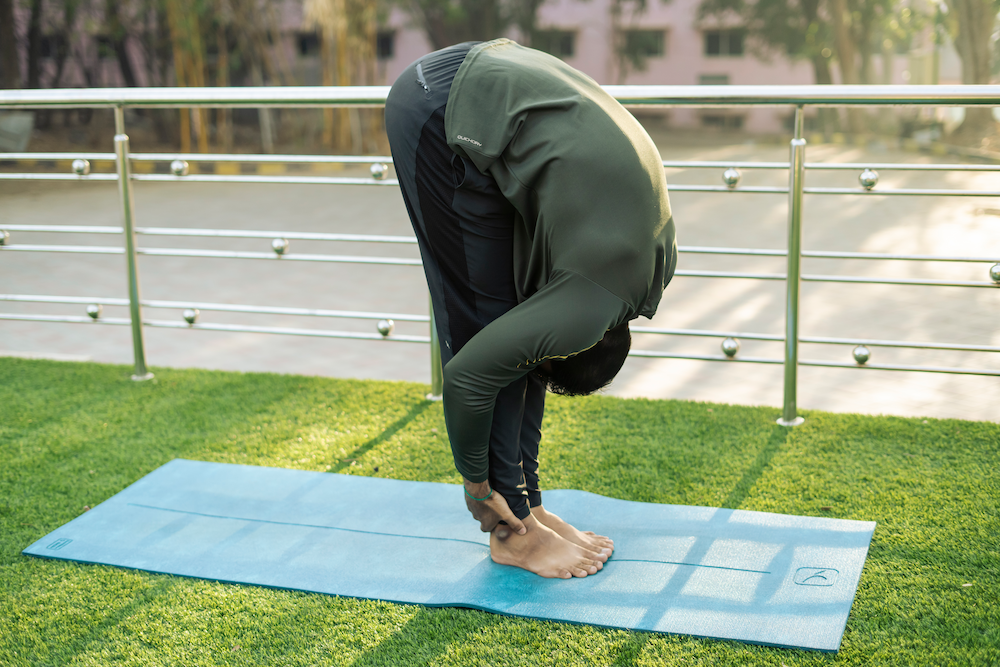
Credit: myyogateacher.com
Choosing The Right Yoga Style
Choosing the right yoga style to boost your flexibility can be a transformative experience. Yoga isn’t a one-size-fits-all practice, and finding the perfect style involves considering your personal goals and physical limitations. Each yoga style offers unique benefits and challenges, and understanding these can help you tailor your practice to suit your needs. Let’s dive into the factors that can guide you to the yoga style best suited for enhancing your flexibility.
Personal Goals
Your personal goals play a crucial role in selecting the right yoga style. Are you aiming to touch your toes effortlessly, or perhaps you’re looking to improve your posture? If your goal is to achieve fluid movement and flexibility, styles like Vinyasa or Ashtanga might be ideal. They focus on dynamic, flowing sequences that gradually loosen tight muscles.
Consider what you hope to achieve and how yoga can fit into your lifestyle. Setting clear intentions helps you stay motivated and focused. Maybe you’re targeting specific areas like hips or shoulders. Whatever your goals, there’s a yoga style tailored to meet them.
Physical Limitations
Physical limitations are an important consideration when choosing a yoga style. If you have joint issues or previous injuries, opting for a gentle style like Hatha or Iyengar might be more appropriate. These styles emphasize slow, deliberate movements with props that support your body.
Recognize your body’s limits and respect them. Yoga should be a nurturing practice, not one that causes strain or pain. If bending your back or stretching your hamstrings feels daunting, starting with restorative yoga can provide the flexibility foundation you need.
Reflect on your body’s current state and needs. Do you feel stiff in the mornings, or notice discomfort after sitting all day? Identifying these patterns can guide you to the style that best complements your body’s unique requirements.
Tips For Maximizing Flexibility Gains
Increasing flexibility through yoga enhances body movement and reduces injury risks. To see the best results, follow a consistent practice with the right techniques. Here are some tips to help you maximize your flexibility gains.
Warm Up Before Practice
A proper warm-up prepares your muscles and joints for deeper stretches. Start with gentle movements like arm swings or leg lifts. This increases blood flow and helps prevent injuries.
Focus On Breathing
Breathing deeply during yoga relaxes muscles and allows deeper stretches. Inhale and exhale slowly, matching your breath with movement. This enhances flexibility and concentration.
Incorporate Consistent Practice
Regular practice helps maintain and improve flexibility over time. Aim for at least three sessions a week. Consistency is key to seeing noticeable improvements.
Listen To Your Body
Pay attention to signals from your body to avoid overstretching. Slight discomfort is normal, but sharp pain is a warning. Adjust poses to suit your comfort level.
Gradually Increase Stretch Intensity
Start with basic poses, then progress to more challenging ones. Gradual increase prevents strains and supports steady flexibility gains.
Use Props For Support
Props like blocks or straps assist in achieving correct alignment. They help maintain poses longer and safely increase flexibility.
Stay Hydrated
Hydration supports muscle function and flexibility. Drink water before and after yoga to stay hydrated. This aids in recovery and performance.
Rest And Recover
Allow your muscles time to recover after intense sessions. Rest days are essential to prevent injuries and promote muscle growth.
Credit: health.clevelandclinic.org
Frequently Asked Questions
What Yoga Poses Boost Flexibility?
Yoga poses like Downward Dog, Pigeon Pose, and Forward Bend enhance flexibility. These poses stretch various muscle groups, promoting a wider range of motion. Regular practice helps improve elasticity, balance, and overall body flexibility. Incorporating these poses into your routine gradually increases your ability to move more freely.
Can Beginners Improve Flexibility With Yoga?
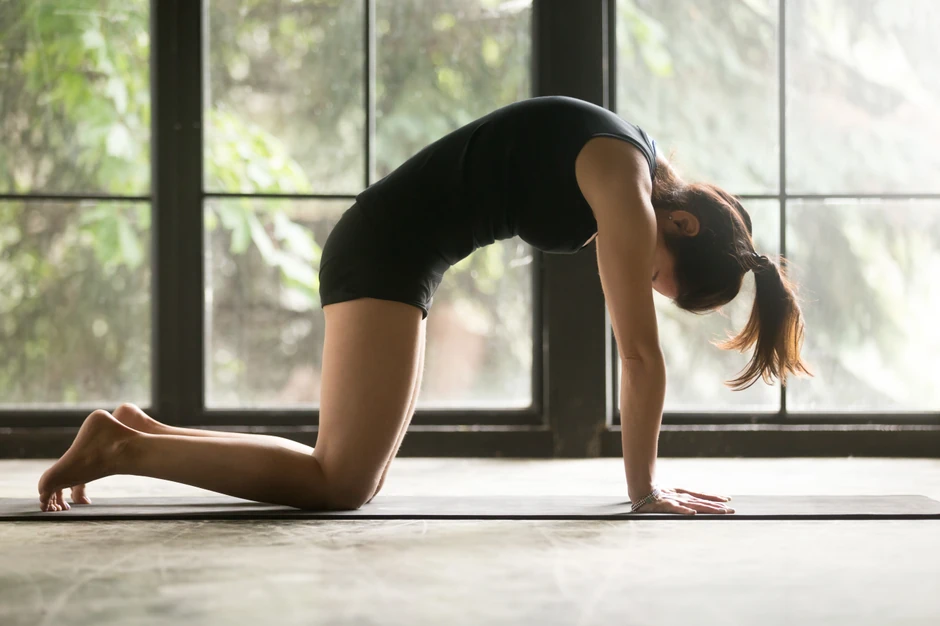
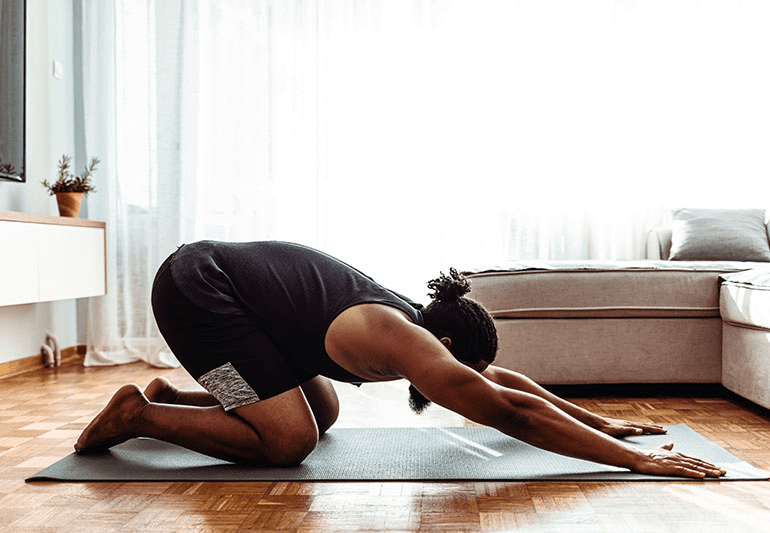
Yes, beginners can improve flexibility with yoga. Start with gentle poses like Cat-Cow and Child’s Pose. These poses provide a safe introduction to stretching. With consistent practice, beginners will notice gradual improvements in their flexibility. Always listen to your body and progress at your own pace.
How Often Should I Practice Yoga For Flexibility?
Practicing yoga three to five times a week enhances flexibility. Consistency is key to seeing noticeable improvements. Short daily sessions are beneficial for maintaining progress. Always ensure proper form to avoid injuries. Over time, regular practice will lead to increased flexibility and better range of motion.
Is Hot Yoga Effective For Flexibility?
Hot yoga can enhance flexibility due to the warm environment. The heat helps muscles stretch more easily, reducing stiffness. It also increases circulation, aiding flexibility improvement. However, it’s important to stay hydrated and listen to your body to prevent overexertion.
Always consult with a professional before starting hot yoga.
Conclusion
Exploring yoga styles for flexibility can transform your practice. Yoga like Hatha and Vinyasa offer benefits. They stretch muscles gently, helping them become more limber. Regular practice is key. Start slow and listen to your body. Over time, you’ll notice progress.
Flexibility enhances daily life. It reduces injury risks and improves posture. Yoga supports overall well-being. Try different poses and find what works best. Enjoy the journey to a more flexible you. Remember, patience and persistence make a difference. Keep practicing and feel the change.