
Imagine stepping onto your yoga mat and feeling a sense of ease and flow in every pose. Your hips move gracefully, and your practice feels more fulfilling.
If you’re struggling with tight hips that hinder your yoga practice, you’re not alone. Many people face this challenge, but the good news is that you can change it. With the right techniques and a bit of commitment, you can unlock a new level of flexibility in your hips.
This guide will show you simple yet effective ways to make your hips more flexible, so you can deepen your yoga practice and enjoy every moment on the mat. Ready to transform your practice? Let’s dive in.
Benefits Of Flexible Hips In Yoga
Flexible hips enhance your yoga practice by improving balance and reducing injury risk. Stretching exercises help increase hip flexibility.
Flexible hips are a game-changer for your yoga practice. They not only enhance your poses but also improve your overall well-being. Imagine being able to move more freely and gracefully, feeling less strain in your daily activities. The benefits extend beyond the mat, touching every aspect of your life.Improved Range Of Motion
With flexible hips, you can access a wider range of yoga poses. This allows you to deepen your practice and explore new positions with ease. You’ll find that transitions between poses become smoother, making your flow more seamless.Enhanced Balance And Stability
Flexible hips contribute to better balance and stability. When your hips are open, you can distribute your weight more evenly, reducing the risk of falls. This stability is crucial not only in challenging poses but also in maintaining your posture throughout your practice.Reduced Risk Of Injury
Stiff hips can lead to compensatory movements, increasing the risk of injury. By gaining flexibility, you protect your joints and muscles. This reduces strain and helps prevent common yoga injuries, allowing you to practice safely.Improved Circulation
Flexible hips promote better blood circulation. As you stretch and open your hips, you stimulate blood flow, which nourishes your muscles and improves recovery. This can lead to more energy and vitality during your practice.Stress Relief And Emotional Release
There’s a strong connection between your hips and your emotions. Many people carry stress and tension in their hip area. By working on hip flexibility, you can release built-up emotions, leading to a sense of relief and relaxation. Have you ever noticed how a good stretch can lift your mood? Incorporating hip-opening exercises into your routine can transform your yoga practice and your life. Start today and see the difference it makes. What are you waiting for? Your journey to flexible hips is just a stretch away.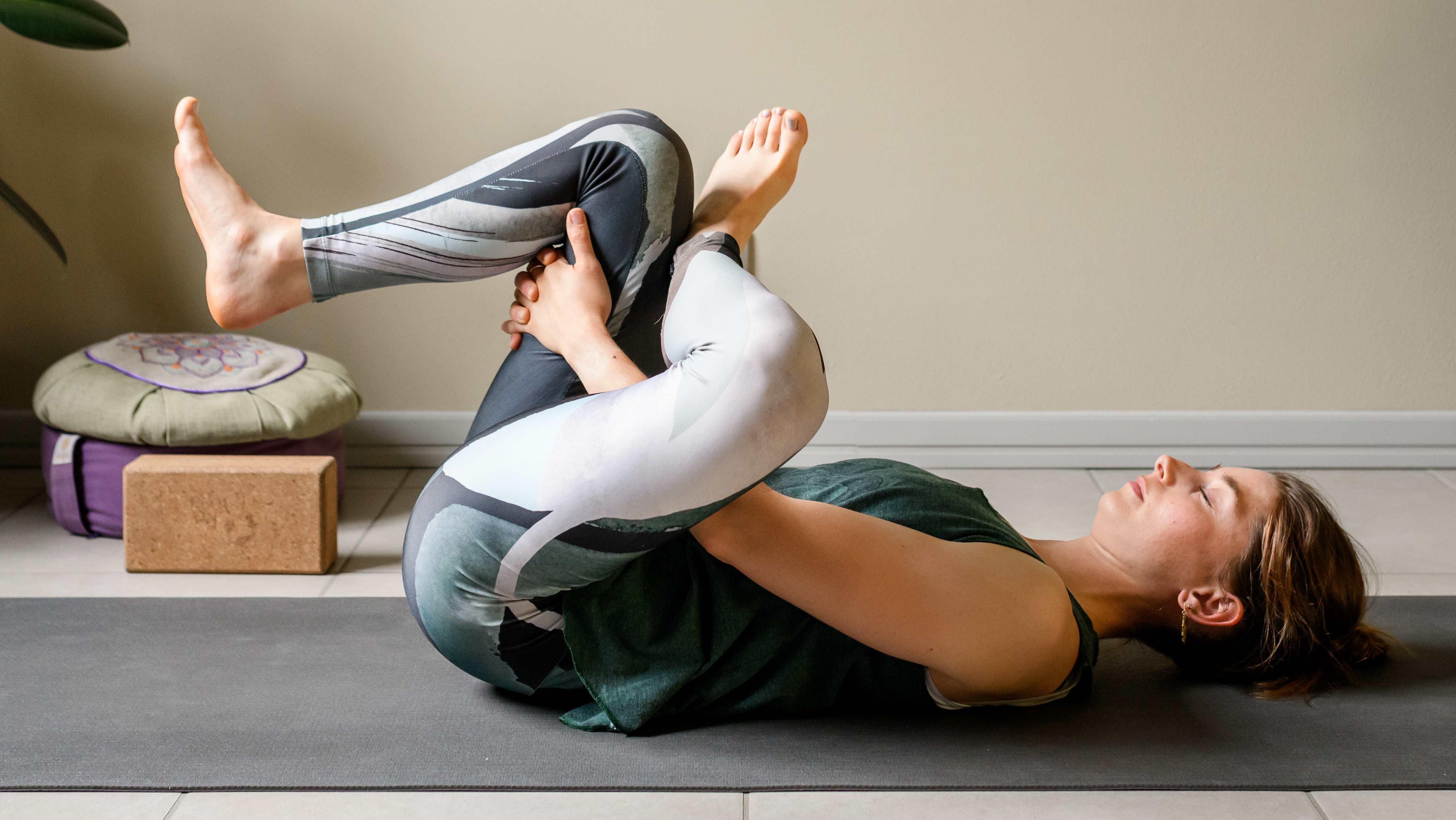
Credit: www.fitandwell.com
Common Causes Of Hip Tightness
Hip tightness can be a common obstacle in achieving flexibility in yoga. Understanding the reasons behind this stiffness can guide you toward effective solutions. Whether you’re an experienced yogi or just starting out, knowing what might be causing your hip tightness is crucial for enhancing your practice and overall well-being.
Improper Posture Habits
Sitting for long hours with poor posture can tighten your hip flexors. Think about how you sit at your desk or even while driving. Over time, these habits can cause the muscles around your hips to shorten and stiffen. By adjusting your seating posture, you can start alleviating some of this tightness.
Lack Of Movement
Are you moving enough throughout the day? Sedentary lifestyles contribute significantly to hip tightness. Regular movement is essential to keep your hips flexible. Even simple activities like walking during breaks can make a difference. Consistency in movement can lead to noticeable improvements in your hip flexibility.
Strength Imbalance
Sometimes, one set of muscles overpowering another can lead to stiffness. If your hip flexors are stronger than your glutes, it can cause an imbalance, leading to tightness. Strengthening your glutes can counteract this imbalance. Consider exercises that target these muscles to restore balance.
Age-related Changes
As you age, your muscles and joints naturally become less flexible. This is a normal part of aging but doesn’t mean you can’t work on flexibility. With regular stretching and mindful movement, you can maintain and even improve your hip flexibility. Age is just a number when you commit to a routine.
Stress And Tension
Did you know emotional stress can manifest physically in your hips? Holding onto stress often leads to tension in your muscles. Practices like meditation and gentle yoga can help relieve stress and in turn, ease hip tightness. Addressing emotional well-being is just as important as physical flexibility.
What could be stopping your hips from becoming more flexible? By identifying the causes, you can take practical steps toward improvement. Remember, each small change can lead to significant benefits in your yoga journey.
Warm-up Exercises For Hip Mobility
Preparing your hips for yoga can improve your flexibility and comfort. Warm-up exercises for hip mobility are essential. They increase blood flow and reduce the risk of injury. By incorporating specific stretches and poses, you can enhance your hip mobility gradually. Let’s explore some effective warm-up exercises.
Dynamic Stretches
Dynamic stretches are great for activating the hip muscles. They involve movement, making them perfect for warming up.
- Leg Swings:Stand with support. Swing one leg forward and back gently. Repeat 10 times for each leg.
- Hip Circles:Stand with feet shoulder-width apart. Move your hips in a circular motion. Perform 10 circles in each direction.
- Lateral Lunges:Step to the side. Bend your knee and lower your body. Alternate sides for a total of 10 lunges.
Gentle Yoga Poses
Gentle yoga poses can further enhance hip flexibility. They provide a soothing stretch to the hip area.
- Butterfly Pose:Sit with soles of feet touching. Gently press knees towards the floor. Hold for 30 seconds.
- Pigeon Pose:Start in a plank position. Bring one knee towards your wrist. Extend the other leg back. Hold for 30 seconds and switch sides.
- Child’s Pose:Kneel on the floor. Sit back on your heels, stretch arms forward. Relax in this position for 30 seconds.
These exercises are a great addition to your yoga routine. They help in preparing your hips for more challenging poses. Regular practice will enhance flexibility over time.
Effective Stretching Techniques
Unlock hip flexibility for yoga with targeted stretches. Incorporate movements like lunges and hip circles to loosen tight muscles. Consistent practice enhances range of motion and improves overall posture.
Flexibility in the hips can greatly enhance your yoga practice and overall mobility. Effective stretching techniques play a crucial role in achieving this goal. Whether you’re a beginner or seasoned yogi, understanding the difference between passive and active stretching can make a significant impact on your flexibility journey. Let’s explore these techniques and discover how they can help you get your hips more flexible.Passive Stretching
Passive stretching involves holding a pose or stretch without actively engaging the muscles. You let gravity or external forces do the work. This technique is perfect for relaxing into a stretch and allowing your body to gently open up. Think of poses like the butterfly or the pigeon pose, where you can use props like blocks or cushions to support your body. As you sink into these stretches, focus on breathing deeply and releasing tension. It’s a great way to start or end your yoga practice, providing a soothing experience. Have you ever found yourself drifting into a meditative state during these stretches? That’s the magic of passive stretching.Active Stretching
Active stretching involves engaging your muscles to hold a position. This technique not only increases flexibility but also builds strength. Take the warrior pose, for instance, where you actively engage your legs and core. The effort helps stretch and strengthen your hip muscles simultaneously. This method requires concentration and effort, making it ideal for those looking to boost their flexibility while building muscle tone. It may seem challenging at first, but the results are rewarding. Have you ever felt that satisfying burn in your muscles after holding an active stretch? It’s a sign of progress and strength. Incorporating both passive and active stretching into your routine can create a balanced approach to flexibility. Which technique resonates more with you? Give them a try and see how your hips respond.Incorporating Props For Better Flexibility
Incorporating props like yoga blocks or straps can enhance hip flexibility. These tools provide support and allow deeper stretches. They help maintain proper alignment, making it easier to focus on flexibility.
Incorporating props into your yoga practice can significantly enhance your flexibility, especially in the hips. Props offer support, enabling you to ease into poses without straining. They also help in maintaining alignment, which is crucial for both progress and safety. Let’s explore how different props can assist in making your hips more flexible.Using Blocks
Yoga blocks are versatile tools that can be used in various ways to improve hip flexibility. If you’re struggling to reach the floor in poses like Triangle or Half Moon, a block can bring the floor closer to you. Try placing a block under your hip during seated forward bends. This simple adjustment can open up your hips more effectively, allowing you to feel the stretch without discomfort.Straps And Bolsters
Straps are excellent for helping you deepen your stretches. If you’re working on poses like Pigeon or Cow Face, using a strap can help you reach your feet, even if your flexibility is limited. Secure the strap around your foot and gently pull it towards you, feeling the stretch in your hip. Bolsters provide excellent support for restorative poses. Place a bolster under your hips in supported bridge pose to gently open the front of your hips. This can also be a relaxing way to end your practice, helping your muscles to lengthen and release tension. Props not only make poses more accessible but can also teach you about your body. What have you discovered about your flexibility through using props?
Credit: www.youtube.com
Breathing Techniques For Enhanced Stretching
Enhancing hip flexibility is crucial for yoga practice. Controlled breathing can aid deeper stretches, promoting relaxation and muscle release. Combine slow inhales and exhales with each pose to improve circulation and focus, making your hips more pliable over time.
Breathing Techniques for Enhanced Stretching Unlocking hip flexibility is a rewarding journey. Breathing techniques play a crucial role in this process. They help you relax and deepen your stretches. When you focus on your breath, your muscles loosen, allowing for greater movement. Breathing also keeps your mind calm, enhancing your yoga practice.Mindful Breathing
Mindful breathing is about awareness. Inhale deeply through your nose, filling your lungs. Hold for a moment, then exhale slowly. Pay attention to how your body feels. Notice the tension releasing from your hips. This focused breathing helps you stretch further.Breathing Patterns
Different patterns can boost your stretching. Try inhaling slowly for four counts. Hold your breath for four counts. Exhale for six counts. This pattern relaxes your muscles more. Longer exhalations enhance the stretch. Experiment with different rhythms. Find what works best for your body.Consistency And Progress Tracking
Consistency and progress tracking are vital for improving hip flexibility in yoga. Regular practice ensures gradual improvement. Staying consistent helps maintain motivation and discipline. Tracking progress allows you to see how far you’ve come. It helps identify areas needing more attention.
Setting Goals
Begin by setting clear, achievable goals. Define what you want to achieve. Goals can be specific stretches or poses. Break down larger goals into smaller, manageable tasks. Write them down. This makes them tangible and real.
Think about your current flexibility level. Set realistic expectations. Avoid setting goals that are too ambitious. This keeps you from feeling discouraged. Celebrate small victories. Each step forward is progress.
Monitoring Improvements
Keep a journal. Note your daily practice. Record the poses you work on. Write down how you feel before and after each session. This helps track your emotional and physical state.
Take photos or videos of your poses. Compare them over time. Visual records show physical changes. Notice the improvements in posture and range of motion. Use these records to adjust your practice.
Reflect on your journey. See what works and what needs change. This helps refine your approach. Stay engaged and motivated. Progress tracking is your map to success.
Expert Tips For Quick Improvements
Improving hip flexibility is crucial for advancing in yoga practices. Many enthusiasts wonder how to achieve quick improvements without dedicating endless hours. The good news is, there are expert tips that can accelerate your progress. Whether you’re a beginner or seasoned yogi, these insights can make a noticeable difference in your flexibility journey.
Daily Routine Adjustments
Your daily habits play a significant role in your body’s flexibility. Start by incorporating small changes that can lead to big results.
- Stretch Regularly:Integrate hip stretches into your daily routine, even outside of yoga sessions. Simple exercises like hip circles or lunges during breaks can be effective.
- Mindful Movement:Pay attention to how you move throughout the day. Try sitting with your legs crossed or occasionally standing instead of sitting.
- Hydration:Keep your joints lubricated by staying well-hydrated. Water helps in maintaining the elasticity of your muscles.
What simple changes can you make today to support your hip flexibility?
Professional Guidance
Sometimes, having an expert’s perspective can make all the difference.
- Yoga Classes:Enroll in classes that focus on hip-opening postures. An experienced instructor can offer personalized advice and correct your form.
- Private Sessions:Consider booking private sessions with a yoga therapist. They can tailor exercises based on your current flexibility level and goals.
- Online Tutorials:Follow online tutorials from reputable yoga professionals. These can provide varied techniques and insights that you can practice at home.
Have you considered seeking professional guidance to enhance your practice?
Common Mistakes To Avoid
Flexibility in your hips is crucial for yoga, but many enthusiasts make common mistakes that can hinder progress or even cause injury. Understanding these pitfalls can set you on the right path to achieving the fluidity and grace you desire in your practice. Let’s dive into some of the frequent errors people make and how you can avoid them.
Overstretching
It’s easy to get caught up in the pursuit of a deeper stretch, but overstretching can be counterproductive. Pushing your limits too far can lead to muscle strain or even tears, setting you back for weeks. Instead, focus on gradual improvement. Consistency is more important than intensity, and small increments will get you where you want to be safely.
Ignoring Pain Signals
Pain is your body’s way of telling you that something isn’t right. Ignoring these signals can lead to serious injuries that require long recovery times. Always listen to your body and differentiate between discomfort from stretching and actual pain. If you feel sharp or intense pain, ease off immediately. Is your body trying to tell you something? Respect its limits and it will reward you with greater flexibility over time.

Credit: www.youtube.com
Frequently Asked Questions
What Exercises Improve Hip Flexibility For Yoga?
Incorporate exercises like pigeon pose, butterfly stretch, and hip flexor lunges. These target hip muscles and enhance flexibility. Consistent practice will gradually improve your range of motion. Focus on breathing to deepen stretches and increase flexibility over time.
How Often Should I Practice Hip Stretches?
For optimal results, practice hip stretches 3-4 times a week. Consistency is key for improved flexibility. Start with shorter sessions and gradually increase duration. Listen to your body and avoid overstretching. Regular practice will enhance hip flexibility for yoga.
Can Beginners Improve Hip Flexibility Quickly?
Beginners can improve flexibility by practicing regularly and with proper technique. Progress may vary depending on individual factors. Consistent stretching and yoga practice will help you gain flexibility over time. Be patient and persistent for effective results.
What Are Common Mistakes In Hip Flexibility Exercises?
Common mistakes include overstretching, neglecting warm-ups, and incorrect posture. Avoid bouncing movements and focus on controlled stretching. Ensure proper alignment during exercises to prevent injury. Listen to your body and progress gradually for effective hip flexibility improvement.
Conclusion
Flexible hips enhance your yoga experience. Practicing daily helps you progress. Stretching keeps your muscles relaxed and ready. Listen to your body; push gently. Consistency is key; don’t give up. Try various poses to find what suits you. Deep breaths aid flexibility and calmness.
Your body will thank you for regular practice. Enjoy the journey, not just the destination. Remember, flexibility grows with time and patience. Stay dedicated, and your hips will become more supple. Yoga’s benefits extend beyond physical; embrace mental peace too.
Keep practicing, and enjoy your flexible hips!