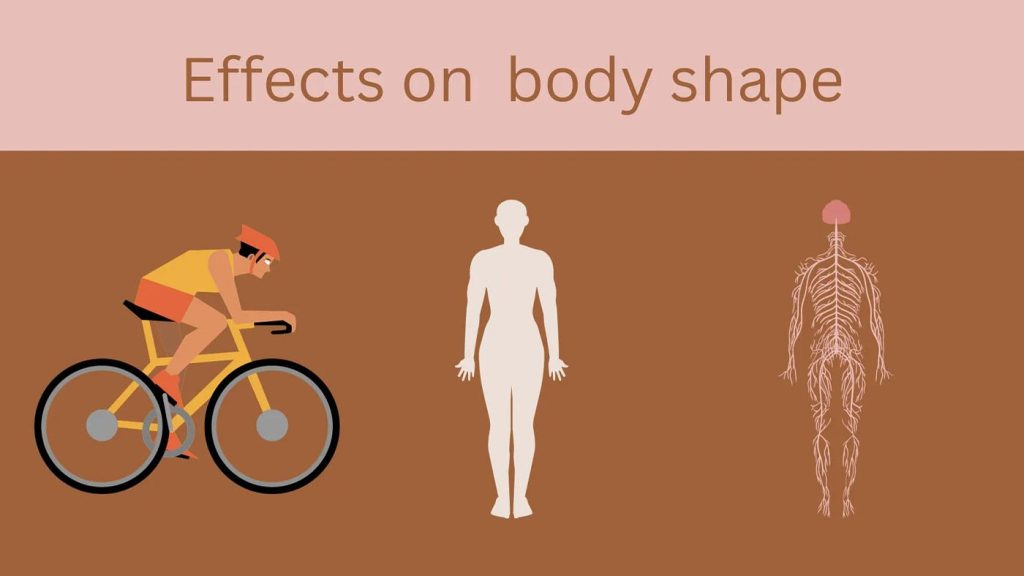
Have you ever wondered why avid cyclists seem to have legs of steel and a core that’s rock-solid? Biking isn’t just a scenic ride through the park; it’s a powerhouse workout that can transform your body.
But which muscles does biking actually build? Imagine pedaling your way to toned legs, a stronger core, and a healthier you. We’ll dive into the fascinating world of biking and uncover the specific muscles that get a workout every time you hop on your bike.
Get ready to discover how you can harness the power of cycling to boost your fitness and feel stronger than ever. Keep reading to unlock the secrets of biking and the muscles it builds.
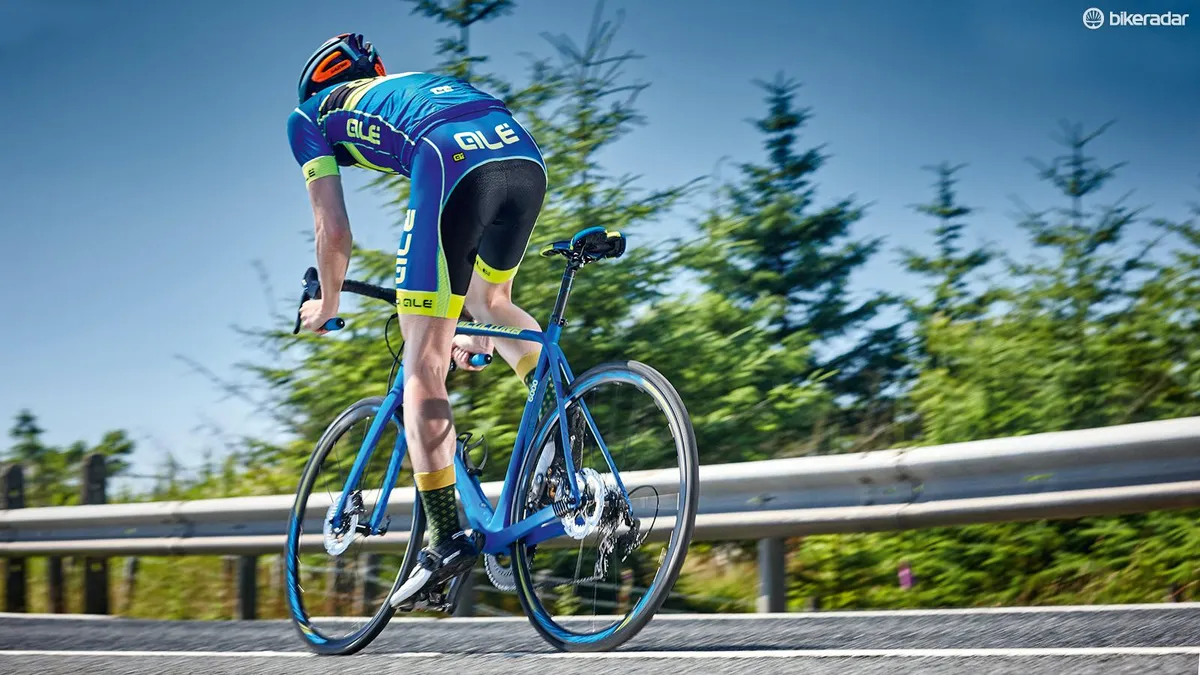
Credit: www.bikeradar.com
Leg Muscles
Biking strengthens several leg muscles. The quadriceps and hamstrings work hard during pedaling. Calves and glutes also gain strength and endurance.
Biking is a powerful activity that strengthens various leg muscles. Pedaling works different muscle groups, providing excellent lower body exercise. Strong leg muscles improve your biking performance and overall fitness.Quadriceps
The quadriceps are the large muscles at the front of your thighs. They play a crucial role in pushing the pedals down. Biking engages the quadriceps during the downstroke. This strengthens and builds endurance in your quads. Strong quadriceps improve your pedaling efficiency and speed.Hamstrings
Hamstrings are located at the back of your thighs. They are responsible for pulling the pedals up during the upstroke. Biking helps tone and strengthen the hamstrings. Strong hamstrings support knee stability and prevent injuries. They also enhance your biking power and agility.Calves
Calves are essential for the pedal cycle’s push-off phase. They provide the necessary force for pedaling. Biking exercises the calf muscles, making them stronger and more defined. Strong calves boost your cycling performance and stamina. They also contribute to better balance and coordination.Core Strength
Biking strengthens various muscles, including the quadriceps, hamstrings, and calves. The core muscles also benefit, enhancing stability and balance. Additionally, biking helps tone the glutes and improves overall leg strength.
Building core strength is a key benefit of biking, often overlooked by many enthusiasts. A strong core is crucial for maintaining balance and stability on your bike. It enhances your performance and helps prevent injuries. As you pedal, your core muscles work tirelessly to keep you upright and efficient. But what specific muscles are we talking about here?Abdominals
Your abdominal muscles play a vital role in stabilizing your body while biking. They help you maintain good posture, especially during long rides. As you lean forward on the handlebars, your abs engage to support your upper body. This constant engagement helps tone and strengthen these muscles over time. Have you ever noticed how you feel after a long ride? That slight burn in your midsection is a sign that your abs are getting a workout. Consider incorporating some basic exercises like planks into your routine to complement the work done on the bike. This will enhance your overall core strength.Obliques
The obliques are the muscles located on the sides of your abdomen. They are essential for turning and twisting motions. When biking, especially on rough terrains or during sharp turns, your obliques help you maintain balance and control. A personal tip: try riding on varied terrains to engage these muscles more effectively. You’ll find that your balance improves significantly, and your body becomes more responsive to quick directional changes. This not only makes biking more enjoyable but also boosts your core strength. Next time you hit the trails, pay attention to how your core feels. Are you engaging those muscles effectively? A little focus on your core can make a big difference in your biking performance.Upper Body Muscles
Biking strengthens various upper body muscles, including the deltoids and triceps. It enhances posture by engaging core muscles.
Riding a bike isn’t just for leg strength. It also engages upper body muscles. These muscles stabilize and balance your ride. They help in steering and maintaining posture. Let’s explore how biking works on your upper body.Arms
Biking strengthens arm muscles. Holding the handlebars engages your biceps and triceps. These muscles help in controlling the bike. They assist in absorbing shocks from rough terrains. The repeated grip and release motion tones your forearms too.Shoulders
Shoulder muscles play a key role in biking. They support the arms while steering. Deltoids are the main shoulder muscles involved. They maintain your stability. Uphill rides and rough paths engage them more. This improves shoulder endurance over time.Back
The back muscles support your biking posture. A strong back is crucial for long rides. The upper back helps in maintaining balance. It prevents you from leaning too far forward. Riding on uneven surfaces activates these muscles. A well-conditioned back reduces fatigue and strain.
Credit: weightweenies.starbike.com
Endurance And Cardiovascular Benefits
Biking is an excellent way to build endurance and boost cardiovascular health. Regular cycling strengthens the heart, lungs, and muscles. As you pedal, your heart rate increases, improving blood circulation throughout the body. This activity helps to reduce the risk of heart disease and enhances overall fitness. By engaging in regular biking, you enhance your body’s ability to take in and use oxygen efficiently. This process leads to improved stamina and energy levels.
Improved Heart Health
Biking strengthens the heart, making it more efficient. A strong heart pumps blood with less effort. This can lower blood pressure and improve circulation. Regular biking reduces the risk of heart disease. It’s a simple way to keep your heart healthy.
Enhanced Lung Capacity
Pedaling increases your breathing rate, expanding lung capacity. Deep breathing strengthens respiratory muscles. This can improve lung efficiency over time. Better lung capacity means more oxygen for your muscles. This supports longer, more intense rides.
Increased Stamina
Cycling regularly boosts endurance and stamina. Your body adapts to longer rides. Muscles become more efficient at using energy. This allows you to ride further without fatigue. Over time, your energy levels increase significantly.
Boosted Metabolism
Regular biking can increase your metabolism. A faster metabolism burns more calories. Even at rest, a higher metabolism benefits weight management. Cycling can help maintain a healthy weight. It’s an effective exercise for keeping fit.
Biking Techniques For Muscle Building
Biking strengthens key muscles like the quadriceps, hamstrings, calves, and glutes. Engaging the core muscles is essential for balance and control. Regular biking offers a holistic workout, enhancing both endurance and strength.
Biking is a powerful workout for building muscle. Different techniques target specific muscle groups effectively. By focusing on targeted practices, you can enhance your biking routine and maximize muscle growth.Interval Training
Interval training involves alternating between high and low intensity. This technique boosts cardiovascular endurance and muscular strength. Short bursts of speed engage leg muscles like quadriceps and hamstrings. Rest periods allow recovery, preparing muscles for the next effort. This cycling method improves muscle tone and overall fitness.Hill Climbing
Hill climbing is a challenging and rewarding biking technique. It targets glutes, calves, and thighs intensively. Climbing steep inclines requires strength and endurance. Pedaling uphill engages core muscles for stability. This technique builds lower body strength and enhances balance. Regular hill climbs improve muscle definition and power.Comparing Biking To Other Exercises
Biking is a fantastic way to build muscles while enjoying the great outdoors. However, how does it stack up against other popular exercises like running and weight lifting? Each activity targets muscle groups differently, offering distinct benefits and challenges. Understanding these differences can help you tailor your fitness routine to meet your specific goals.
Running
Running primarily targets your lower body, much like biking. It engages your quadriceps, hamstrings, and calves, but it also offers a significant cardio workout. While biking is more focused on building muscle endurance, running tends to enhance cardiovascular endurance.
One key difference is the impact level. Running is a high-impact exercise, which can be tough on your joints over time. Biking, in contrast, is low-impact, making it a better choice if you’re looking to minimize stress on your knees and ankles.
Think about your fitness goals. Are you aiming for toned legs and improved heart health? Running might be your go-to. But if joint health is a concern, biking offers a safer alternative.
Weight Lifting
Weight lifting is the ultimate muscle builder, offering a different dynamic from biking. It allows you to target specific muscles with precision, whether it’s your arms, chest, or legs. Unlike biking, which is continuous, weight lifting focuses on short bursts of strength.
Biking excels in building endurance, while weight lifting builds muscle mass and strength. If you’re looking to bulk up, incorporating weights into your routine is essential. However, biking provides an excellent way to enhance cardiovascular fitness alongside strength training.
Consider your preferences. Do you enjoy the challenge of lifting heavier weights, or do you prefer the steady rhythm of a bike ride? Your answer can guide your exercise choices.
Ultimately, the best exercise is the one you enjoy and can stick with consistently. Whether you choose biking, running, weight lifting, or a mix of all three, each has its unique benefits. Which one aligns best with your fitness journey?
Nutrition For Muscle Growth
Understanding the role of nutrition in muscle growth is crucial for any biking enthusiast. While biking primarily targets the lower body muscles, proper nutrition can enhance muscle development and improve overall performance. To maximize muscle growth, focus on key nutritional components that support and fuel your biking efforts.
Protein Intake
Protein is the building block of muscles. Consuming enough protein aids in muscle repair and growth, especially after an intense biking session. Aim for a balanced diet that includes lean meats, fish, eggs, and plant-based proteins like beans and lentils.
Consider incorporating a protein shake or bar post-ride to replenish and repair. How much protein do you need? A general guideline is 0.8 to 1 gram of protein per pound of body weight, but individual needs can vary.
Hydration
Staying hydrated is often overlooked but is essential for muscle function and recovery. Dehydration can lead to muscle cramps and fatigue, hindering your biking performance. Keep a water bottle handy and sip regularly during your ride.
Electrolytes also play a crucial role in maintaining fluid balance. Consider drinks that contain electrolytes, especially during long rides. Are you hydrating enough? Monitor the color of your urine; pale yellow indicates proper hydration.
Balancing nutrition and hydration not only supports muscle growth but also enhances your overall biking experience. What changes can you make today to support your muscle-building goals?

Credit: www.bicycling.com
Frequently Asked Questions
What Muscles Are Strengthened By Biking?
Biking primarily strengthens your quadriceps, hamstrings, and calves. It also engages your glutes and core muscles. Regular cycling improves muscle endurance and enhances lower body strength. Additionally, it can help tone and define these muscle groups, contributing to overall fitness and improved cycling performance.
Does Biking Work Your Upper Body Muscles?
While biking mainly targets the lower body, it does engage some upper body muscles. Your arms, shoulders, and back work to stabilize and control the bike. Proper posture during cycling helps maintain strength in these areas. However, upper body muscle development is minimal compared to lower body gains.
How Does Biking Improve Core Muscles?
Biking enhances core muscles by requiring balance and stabilization. The core supports your spine and helps maintain posture while cycling. This engagement improves core strength and endurance. A strong core contributes to better cycling performance and reduces the risk of injury during rides.
Can Biking Help With Muscle Toning?
Yes, biking is effective for muscle toning, especially in the legs and glutes. Regular cycling helps define and sculpt these muscles. The repetitive motion and resistance involved in biking contribute to increased muscle tone. It is a great cardiovascular exercise that also aids in overall body toning.
Conclusion
Biking strengthens several muscles. It builds leg muscles like quadriceps and hamstrings. Your calves get toned. Glutes become firm and strong. Core muscles also engage during cycling. Arms gain strength from steering and balance. Biking enhances overall muscle endurance and tone.
It offers a fun and efficient workout. Perfect for improving fitness. Enjoy the ride and boost your health. Regular biking leads to stronger muscles. Keep pedaling for better physical condition. Start today for a healthier tomorrow. It’s time to embrace the benefits of cycling.