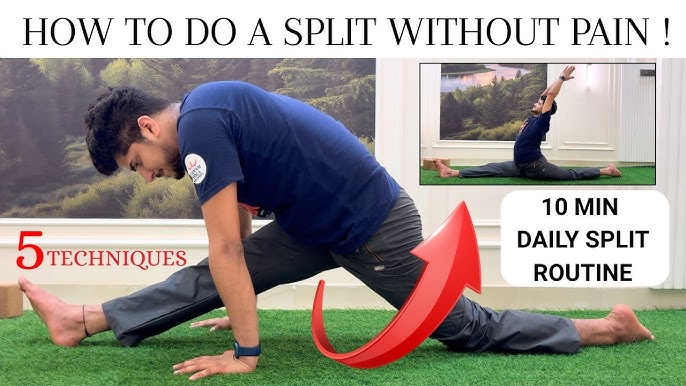
Are you looking to increase your flexibility but aren’t a fan of yoga? You’re not alone.
Many people want to enjoy the benefits of being more limber without stepping foot on a yoga mat. Imagine bending with ease, reaching without strain, and feeling more agile in your everyday life. Flexibility isn’t just for gymnasts or yogis; it’s for anyone who wants to move freely and feel great.
You’ll discover simple yet effective methods to boost your flexibility without ever having to strike a yoga pose. Say goodbye to stiff joints and limited movement. This isn’t just about physical benefits; it’s about empowering you to live a more comfortable, active life. Get ready to explore techniques that fit into your routine and suit your lifestyle. Keep reading to find out how you can achieve newfound flexibility, all on your own terms.
Dynamic Stretching
Dynamic stretching is a powerful tool to boost your flexibility without needing a yoga mat. Unlike static stretching, where you hold a position for a period, dynamic stretching involves active movements that stretch your muscles. It prepares your body for more intense activities and helps improve your range of motion. This method is particularly useful for athletes and anyone looking to enhance their flexibility in a more dynamic way.
Warm-up Exercises
Warm-up exercises are essential before diving into dynamic stretches. They increase blood flow to your muscles and get your heart pumping. Start with simple movements like arm swings, leg kicks, or gentle jogging on the spot. These activities gradually raise your body temperature and ensure your muscles are ready for more dynamic movements.
Leg Swings
Leg swings are a great way to target your hip flexors and hamstrings. Stand next to a wall for balance. Swing one leg forward and backward in a controlled manner. Aim for 10-15 swings on each leg. This exercise not only enhances flexibility but also improves balance and coordination.
Arm Circles
Arm circles are perfect for loosening up your shoulder joints. Extend your arms out to the sides. Make small circles with your arms, gradually increasing the size of the circles. Perform this for about 30 seconds in each direction. You might be surprised how this simple movement can release tension and improve flexibility in your upper body.
Torso Twists
Torso twists help to stretch your spine and improve flexibility in your core. Stand with your feet hip-width apart. Place your hands on your hips and gently twist your torso from side to side. Keep your movements fluid and controlled. This exercise not only enhances flexibility but also strengthens your oblique muscles.
High Knees
High knees are an excellent dynamic stretch for your lower body. Start with a brisk walk, then gradually lift your knees higher with each step until you’re almost jogging in place. Aim for 30 seconds to a minute. This exercise increases your heart rate and enhances flexibility in your hips and calves.
Dynamic stretching can be a game-changer for your flexibility routine. Have you ever tried these exercises before? How did they impact your physical performance? Incorporating these movements into your daily routine can lead to noticeable improvements in flexibility without needing a yoga session.
Foam Rolling Benefits
Foam rolling can enhance flexibility without yoga. It massages tight muscles, improving blood flow and reducing stiffness. This simple technique helps muscles relax and stretch more easily.
Foam rolling is more than just a trendy fitness tool; it’s a game changer for enhancing flexibility. Unlike yoga, which requires specific poses and a lot of time, foam rolling offers a straightforward way to improve your body’s range of motion. The benefits are numerous, impacting both your physical and mental well-being. Imagine easing muscle tension without having to twist yourself into a pretzel. Foam rolling can do just that, providing relief and improving flexibility without the need for complex routines.How Foam Rolling Improves Muscle Flexibility
Foam rolling targets the fascia, the connective tissue surrounding muscles, which can become tight and restrict movement. By applying pressure through a foam roller, you can loosen these tissues. This process enhances your flexibility by allowing muscles to stretch more easily. Have you ever felt stiff after a long day at work? Foam rolling can be a quick fix, helping your muscles relax and increasing your range of motion.Foam Rolling Techniques For Better Flexibility
To maximize the benefits, it’s essential to use proper foam rolling techniques. Start by focusing on major muscle groups like your calves, hamstrings, and quadriceps. Roll slowly over the muscle, pausing on any tight spots to let the pressure work its magic. Use your body weight to control the pressure, ensuring it’s enough to feel a release but not so much that it causes pain. This technique can be done in just a few minutes each day, making it a practical addition to your routine.The Impact On Athletic Performance
For athletes, increased flexibility can translate into better performance. Foam rolling can help prepare muscles for activity, reducing the risk of injury. Think about your favorite sport. Wouldn’t it be great to move more freely and efficiently? Foam rolling can help achieve that by ensuring your muscles are flexible and ready for action. It also aids in quicker recovery post-exercise, keeping you in top form.Mental Benefits Of Foam Rolling
Foam rolling isn’t just about physical flexibility; it also brings mental benefits. The practice can be a form of self-care, encouraging relaxation and stress relief. As you roll, focus on your breathing and let go of tension. This can transform your mindset, leaving you feeling more balanced and refreshed. Have you ever noticed how a calm mind can improve your physical abilities? Foam rolling can be a simple way to achieve that mental clarity.Incorporating Foam Rolling Into Your Daily Routine
Adding foam rolling to your daily schedule is simple. You don’t need a gym membership or special equipment—just a foam roller and some space. Try rolling in the morning to wake up your muscles or at night to unwind. Consider setting a timer for five minutes and gradually increase as you become more comfortable. The key is consistency. How might your flexibility improve if you dedicated a few minutes each day? Give it a try and see the difference for yourself.Pilates For Flexibility
Pilates enhances flexibility through controlled movements and stretches. It targets specific muscles, improving range without yoga’s poses. Regular practice helps lengthen and strengthen muscles, promoting a more flexible body.
Pilates is an effective way to increase flexibility. It strengthens muscles and improves posture. Pilates focuses on core strength and balanced movements. This practice enhances flexibility through controlled exercises. Pilates exercises target specific muscle groups. It ensures a full-body stretch and engagement. Unlike yoga, Pilates uses dynamic movements. These movements improve flexibility and mobility.Benefits Of Pilates For Flexibility
Pilates offers a balanced approach to flexibility. It reduces muscle tightness and tension. Regular practice increases joint range of motion. Pilates also helps in correcting body alignment.Key Pilates Exercises For Flexibility
Certain Pilates exercises are best for flexibility. Try the “Swan Dive” for back extension. “Roll-Up” stretches the spine and hamstrings. “Single Leg Stretch” targets the hips and thighs.Incorporating Pilates Into Your Routine
Start with short Pilates sessions. Gradually increase duration and intensity. Consistency is crucial for best results. Mix Pilates with other activities for variety.Equipment For Pilates
Basic equipment can enhance your Pilates practice. A mat provides comfort and support. Resistance bands add intensity to workouts. Small weights can be used for added resistance.Tai Chi Movements
Tai Chi movements offer a gentle way to boost flexibility, focusing on slow, flowing motions and deep breathing. This ancient practice enhances joint mobility and muscle relaxation, making it a great alternative to yoga for increasing flexibility.
Tai Chi Movements offer a unique way to increase flexibility without diving into the world of yoga. This ancient practice combines gentle movements with deep breathing, creating a harmonious flow that enhances both physical and mental well-being. It’s not just about stretching muscles; it’s about cultivating a sense of balance and coordination. Imagine the graceful movements of Tai Chi as a dance that connects the body and mind, offering a refreshing approach to gaining flexibility.Understanding Tai Chi Basics
Before jumping into complex movements, start with simple Tai Chi basics. Focus on posture and slow, deliberate movements. These foundational steps help your body adjust and improve flexibility over time. It’s like teaching your muscles a new language, one of grace and fluidity.
Incorporating Tai Chi Into Daily Routine
Think about weaving Tai Chi into your daily schedule. Maybe during a lunch break or as a morning ritual. Its gentle nature makes it easy to fit into any part of your day. Regular practice, even for just a few minutes, can gradually increase your flexibility.
Exploring Tai Chi Styles
Did you know there are various Tai Chi styles? Each offers unique benefits. Explore different styles to find what suits you best. Whether it’s Chen, Yang, or Wu, each style can contribute to your flexibility goals in distinct ways.
Benefits Beyond Flexibility
While flexibility is a key benefit, Tai Chi also enhances mental clarity and reduces stress. As your body becomes more flexible, your mind finds calm and focus. It’s a holistic approach that nurtures both body and soul.
Challenges And Solutions
Feeling stiff or uncoordinated at first is normal. Tai Chi is forgiving and adaptable. Start slow, and let progress unfold naturally. If you feel stuck, seek guidance from online tutorials or local classes. Remember, persistence is key.
Your Personal Tai Chi Experience
Engage with the practice by personalizing it. Choose movements that resonate with you. Reflect on how each session makes you feel. This personal connection can make the journey more rewarding and effective.
Dance And Flexibility
Increase flexibility through dance techniques like gentle stretching and dynamic movements. Dance routines improve range of motion effectively.
Dancing is not just about moving to the rhythm; it’s a powerful way to boost your flexibility. Even if you’ve never set foot in a yoga studio, dance can help you achieve a more limber body. It’s an enjoyable and social activity that naturally enhances your range of motion. Whether you’re grooving to salsa, swaying in ballroom, or popping in hip-hop, dance challenges your body in unique ways.Understanding The Connection
Dance involves dynamic movements that stretch and strengthen your muscles. Unlike static yoga poses, dance requires continuous motion, pushing your limits in a playful manner. Notice how dancers often have elongated limbs and fluid movements. That’s no accident. Each routine tests flexibility, allowing your body to adapt and grow more agile over time.Choosing The Right Dance Style
Not all dances are created equal when it comes to flexibility. Styles like ballet, contemporary, and jazz are particularly beneficial. Ballet, for instance, emphasizes a full range of motion, making it ideal for developing flexibility. Jazz dance incorporates quick, sharp movements alongside smooth stretches, offering a balanced workout. Consider trying different styles to find what suits your flexibility goals.Creating A Routine
Consistency is key to seeing improvements. Start with simple dance routines and gradually increase complexity. Dedicate a few minutes each day to practicing dance moves. This regular engagement helps maintain flexibility and prevents stiffness. You can set a routine that includes warm-up stretches followed by dance practice, ensuring you’re limber and ready.Listening To Your Body
As you dance, pay attention to what your body tells you. Feeling a slight discomfort can be normal, but sharp pain indicates you should stop. Dance should push your boundaries, not break them. Adjust moves to suit your comfort level. This ensures you gain flexibility without risking injury.Joining A Dance Class
Joining a dance class offers guidance from experienced instructors who can tailor exercises to enhance flexibility. Classes provide structure, ensuring you practice regularly. Plus, dancing with others can boost motivation and make the process more enjoyable. Look for classes that focus on flexibility, such as ballet or contemporary, to maximize your benefits.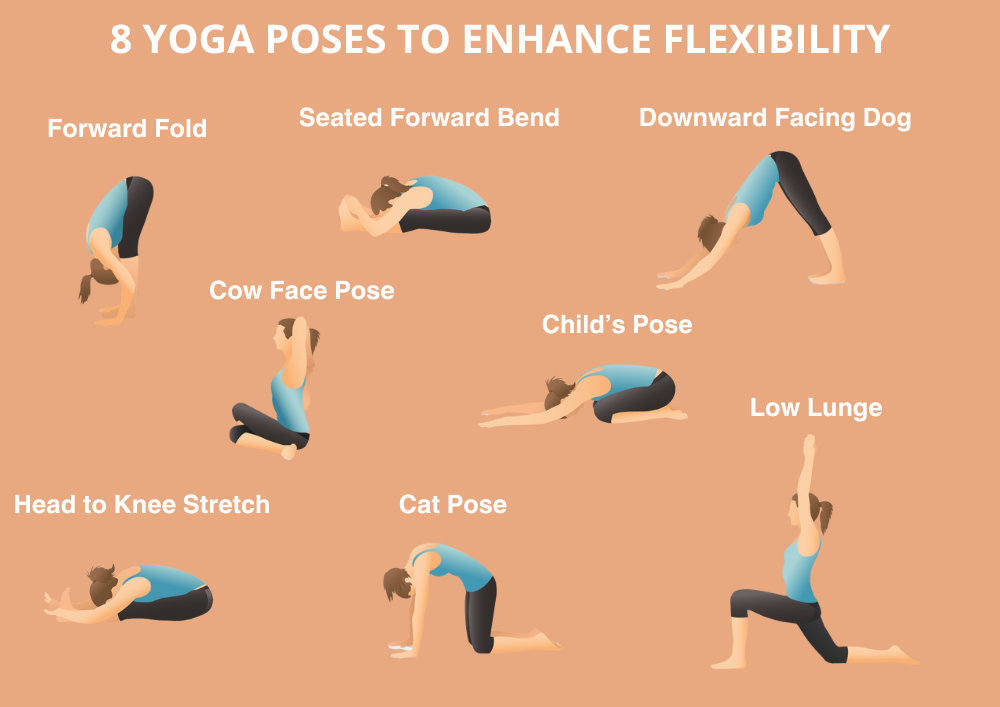
Credit: myyogateacher.com
Resistance Band Exercises
Resistance band exercises can boost your flexibility effectively. They gently stretch muscles, improving your range of motion. Perfect for those who prefer alternatives to yoga.
Resistance bands are a great tool for increasing flexibility. They are versatile and convenient. They can be used at home or the gym. These bands provide gentle resistance. This helps stretch and strengthen muscles. They are excellent for all fitness levels. Using resistance bands can improve mobility and flexibility.Why Choose Resistance Bands?
Resistance bands are portable and affordable. They offer adjustable resistance levels. This makes them perfect for any fitness routine. They can target different muscle groups. They are easy to incorporate into daily exercises.Standing Leg Stretch
This exercise stretches the hamstrings. Stand up and place the band under your foot. Hold the ends with both hands. Keep your leg straight and lift it forward. Feel the stretch in your leg. Maintain this position for a few seconds. Repeat with the other leg.Seated Upper Back Stretch
Sit on the floor with legs extended. Loop the band around your feet. Hold the ends with both hands. Pull the band towards you. Keep your back straight. Feel the stretch in your upper back. Hold for a few seconds, then release.Chest Opener
Stand up and hold the band behind your back. Grip the ends with both hands. Slowly extend your arms backward. Feel the stretch in your chest. Hold the position for a few seconds. This exercise opens up the chest muscles.Side Leg Lifts
Lie on your side and loop the band around your ankles. Keep your legs straight. Lift the top leg upward. Feel the stretch in your hip. Hold for a few seconds, then lower. Repeat on the other side. Incorporate resistance band exercises into your routine. They enhance flexibility without yoga. Enjoy improved mobility and strength.Hydration And Nutrition
Proper hydration supports muscle elasticity, while balanced nutrition fuels joint health. Together, they enhance flexibility without yoga practice.
To enhance flexibility without yoga, focus on hydration and nutrition. Proper hydration and a balanced diet support muscle health and elasticity. They play a crucial role in maintaining joint function. This section will explore how these elements contribute to flexibility.Proper Hydration Tips
Drink water consistently throughout the day. It helps muscles stay supple. Dehydration can lead to stiffness. Aim for at least eight glasses daily. Adjust based on activity level and climate.Foods That Promote Flexibility
Consume foods rich in omega-3 fatty acids. These include salmon and walnuts. They reduce inflammation and improve joint health. Leafy greens provide essential vitamins and minerals. They aid in muscle repair.The Role Of Electrolytes
Electrolytes maintain fluid balance in the body. They are vital for muscle function. Replenish them with foods like bananas and sweet potatoes. These foods are rich in potassium and magnesium. They support flexibility and prevent cramps.Avoiding Processed Foods
Minimize intake of processed and junk foods. They contain high levels of sodium and unhealthy fats. These can contribute to inflammation. Opt for fresh, whole foods instead.Incorporating Antioxidants
Antioxidants fight free radicals in the body. Berries, nuts, and seeds are excellent sources. They help reduce oxidative stress. This supports overall muscle health and flexibility.Listening To Your Body’s Needs
Pay attention to hunger and thirst signals. Your body knows what it needs. Adjust your diet and water intake accordingly. Keep a food and hydration journal. Track what works best for your flexibility goals.Breathing Techniques
Deep breathing can enhance flexibility. This technique helps muscles relax, making them more pliable. Try inhaling slowly, then exhaling fully to release tension.
Breathing techniques can improve flexibility by promoting relaxation and reducing tension. When muscles are tense, they restrict movement. Deep breathing helps release this tension, allowing muscles to stretch further.Deep Diaphragmatic Breathing
Diaphragmatic breathing involves inhaling deeply through the nose. Fill your lungs, allowing your diaphragm to expand. Exhale slowly through the mouth. This technique calms the nervous system, reducing muscle tension.4-7-8 Breathing Method
This technique involves inhaling for four seconds, holding the breath for seven seconds, then exhaling for eight seconds. It relaxes the body, helping muscles to lengthen naturally.Box Breathing
Box breathing focuses on equal breathing patterns. Inhale for four seconds, hold for four, exhale for four, and pause for four. This technique balances your body and mind, aiding muscle relaxation.Alternate Nostril Breathing
This involves breathing through one nostril at a time. Close one nostril and inhale through the other. Switch nostrils for the exhale. This method balances energy and reduces tension, improving flexibility.Posture Improvement
Enhance flexibility through simple stretches and exercises like toe touches and shoulder rolls. Incorporate dynamic movements like leg swings and arm circles to improve range of motion. Regular practice leads to better posture and flexibility without the need for yoga.
Improving your posture is a fantastic way to enhance your flexibility without ever stepping onto a yoga mat. Good posture goes beyond just standing tall; it ensures that your muscles and joints are aligned properly, reducing strain and promoting ease of movement. By focusing on posture, you’ll not only boost your flexibility but also gain more energy and confidence throughout your day.Evaluate Your Current Posture
Begin by assessing how you currently sit and stand. Are your shoulders slumped? Is your neck craned forward? Use a mirror to observe your posture from different angles. Small adjustments, like pulling your shoulders back or aligning your ears with your shoulders, can make a big difference.Strengthen Your Core
A strong core supports good posture and flexibility. Engage in simple exercises like planks or sit-ups to build core strength. This support allows your spine to maintain its natural curve, facilitating better posture and movement.Incorporate Stretch Breaks
Throughout your day, take short breaks to stretch. Focus on areas that tend to tighten, like the neck, shoulders, and lower back. Even a quick five-minute stretch session can relieve tension and improve posture.Desk Ergonomics
If you spend hours at a desk, ensure it’s set up to support good posture. Your chair should support your lower back, and your screen should be at eye level. Arrange your workspace to keep everything within easy reach, minimizing unnecessary strain.Mindful Breathing
Breathing deeply and mindfully can enhance your posture. When you inhale deeply, your chest expands, naturally encouraging a more upright position. Practice breathing exercises to maintain awareness of your posture throughout the day.Invest In A Posture Corrector
Sometimes, a little help can go a long way. Consider using a posture corrector to gently remind you to maintain proper alignment. These devices can offer the extra support needed as you work on developing better habits.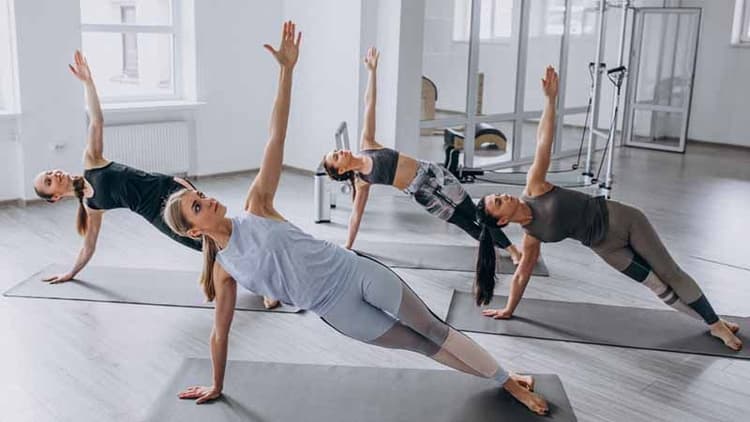
Credit: www.thewellnesscorner.com
Consistency And Patience
When aiming to improve flexibility without yoga, two key ingredients are consistency and patience. Just like learning a new skill, your body requires time to adapt and improve. The journey might be slow, but with regular practice, you will notice significant changes.
Consistency Is Key
Establish a routine that fits seamlessly into your daily life. Set aside a few minutes each day for stretching or other flexibility exercises. Whether it’s during your morning routine or a quick session before bed, the key is to make it a habit.
Track your progress to stay motivated. Use a journal or app to note improvements in your flexibility. This visual reminder can encourage you to continue your efforts daily.
Consider mixing up your routine to prevent boredom and keep your muscles engaged. You might try dynamic stretching before a workout and static stretching afterward. Consistent practice will yield results over time.
Patience Pays Off
Understand that flexibility doesn’t improve overnight. Your muscles need time to stretch and adapt. Being patient with your body’s progress is crucial.
Reflect on the small victories along the way. Perhaps you can reach a little further each week, or maybe your muscles feel less tense after a session. These small wins are signs of progress and should be celebrated.
Ask yourself if you’re allowing enough time for recovery. Overstretching can lead to injury, so balance your efforts with rest. Patience ensures you don’t rush the process and risk setbacks.
Have you ever noticed that the greatest achievements often come from consistent effort and unwavering patience? Apply this mindset to flexibility, and you’ll be amazed at what your body can accomplish.

Credit: www.youtube.com
Frequently Asked Questions
What Exercises Improve Flexibility Besides Yoga?
Exercises like Pilates, tai chi, and dynamic stretching enhance flexibility. Pilates strengthens muscles while improving flexibility. Tai chi offers slow, controlled movements for better range of motion. Dynamic stretching includes active movements to improve flexibility and warm up muscles.
Can Stretching Routines Increase Flexibility?
Yes, regular stretching routines can significantly boost flexibility. Static stretches held for 15-60 seconds enhance muscle length and flexibility. Incorporating stretches into daily routines helps maintain and improve flexibility over time. Consistency is key for noticeable improvements.
How Does Foam Rolling Aid Flexibility?
Foam rolling releases muscle tension, enhancing flexibility. It improves blood circulation and breaks down scar tissue. Regular foam rolling reduces stiffness, leading to increased range of motion. It’s a simple self-myofascial release technique for better flexibility.
Is Swimming Effective For Flexibility?
Swimming is excellent for flexibility due to its full-body movements. It involves stretching, twisting, and reaching, which increase flexibility. The water resistance adds gentle pressure, making movements smooth and effective for enhancing flexibility.
Conclusion
Building flexibility doesn’t require yoga. Simple exercises can improve your body’s range. Daily stretching boosts your mobility and comfort. Try dynamic stretches before activities. Static stretches help cool down muscles. Explore options like Pilates or tai chi. These can enhance flexibility effectively.
Consistency is key for results. Listen to your body and adjust routines. Enjoy gradual progress and better movement. Celebrate small victories along the way. Flexibility boosts your daily life comfort and agility. Start today, and make stretching a part of your routine.
Feel more free and flexible with each passing day.