
Are you tired of skipping leg day because you can’t make it to the gym? Or perhaps you’re just looking for ways to spice up your home workout routine?
Whatever your reason, you’re in the right place. Your legs are powerful and deserve attention, even from the comfort of your living room. Imagine the strength and confidence you’ll gain by mastering a killer leg workout at home. With just a few simple exercises, you can sculpt and tone your lower body without any fancy equipment.
Ready to discover the secrets of an effective leg workout without leaving your home? Let’s dive in and transform your leg day forever.

Credit: www.tiktok.com
Benefits Of Leg Workouts At Home
Strengthen leg muscles at home with simple exercises like squats and lunges. Improve balance and flexibility without equipment. Save time and money by avoiding gym trips.
Leg workouts at home offer a range of benefits. They save time and money. You don’t need a gym membership. You can exercise in your living room. These workouts are flexible. Adjust them to fit your schedule. Leg exercises at home are effective. They build strength and improve balance. You can focus on specific muscles. Customize your routine. Home workouts reduce stress. No need to travel to the gym. You feel relaxed and comfortable. The most significant advantage is convenience. You can start immediately. No waiting for equipment. You can wear whatever you want. This comfort boosts motivation. Leg workouts at home are perfect for beginners. You can learn at your own pace. Avoid the pressure of a gym setting. You can use household items as weights. Chairs and water bottles work well. They make your workouts diverse.Improved Flexibility
Stretching and movement improve flexibility. Better flexibility reduces injury risk. You feel more agile and balanced.Increased Strength
Regular leg workouts boost muscle strength. Strong legs support overall body fitness. They enhance daily activities.Enhanced Balance
Leg exercises improve balance. Good balance prevents falls and injuries. It helps with coordination.Cost-effective
Home workouts save money. No gym fees or travel costs. You can use simple equipment.Time-saving
Exercise at home saves time. No commuting to the gym. You can workout at any time.Comfort And Privacy
Home workouts offer comfort. You exercise in a familiar space. Privacy boosts confidence and focus.Essential Equipment For Home Leg Workouts
Working out your legs at home is not only convenient but can be incredibly effective with the right equipment. You don’t need a full gym setup to achieve strong, toned legs. With a few essential items, you can perform a variety of exercises that target different muscle groups. Below, we’ll explore some must-have equipment for your home leg workouts.
Resistance Bands
Resistance bands are versatile and portable, making them ideal for leg workouts at home. They come in various levels of tension, allowing you to increase resistance as you get stronger. You can use them for exercises like squats, lunges, and leg presses. Their elasticity helps engage your muscles differently than traditional weights, providing a unique challenge.
- Place a band around your thighs for added resistance during squats.
- Use them for side leg raises to target your abductors.
Ever tried a banded glute bridge? The burn is real! Resistance bands can transform simple moves into a powerhouse workout.
Dumbbells
Dumbbells are a staple in any home gym. They offer versatility and can be used for both compound and isolation exercises. You can start with lighter weights and gradually increase as your strength improves. Dumbbells are great for exercises like weighted lunges, calf raises, and deadlifts.
- Hold a dumbbell in each hand for walking lunges.
- Try single-leg deadlifts to improve balance and strength.
How often do you challenge your legs with a new weight? It’s the perfect way to break through plateaus.
Bodyweight Options
If you don’t have equipment, your body weight can be a powerful tool. Bodyweight exercises are effective for building strength and endurance. Moves like squats, lunges, and jump squats require no equipment but still deliver results. You can increase intensity by adding variations or increasing reps.
- Perform jump squats to add a cardio element.
- Try single-leg squats to test your balance.
Ever tried a wall sit? It’s a test of endurance that requires nothing but determination. Can you hold it for a minute?
With these options, you can keep your leg workouts fresh and challenging without leaving your home. Which piece of equipment will you try first?
Bodyweight Leg Exercises
Working out at home doesn’t require fancy equipment. Bodyweight leg exercises are effective and accessible. They strengthen your lower body using your own weight. Let’s explore some of the best exercises.
Squats
Squats are a staple for leg workouts. Stand with feet shoulder-width apart. Lower your body as if sitting on a chair. Keep your back straight. Return to standing. Repeat for several reps. Squats engage your thighs, hamstrings, and glutes.
Lunges
Lunges target multiple leg muscles. Start standing tall. Step forward with one leg, lowering hips. Your knees should form right angles. Push back to the start. Alternate legs. Lunges improve balance and coordination.
Calf Raises
Calf raises focus on the lower leg. Stand with feet hip-width apart. Lift your heels, standing on toes. Lower back down slowly. Repeat for a set. This exercise strengthens your calves and improves ankle stability.
Glute Bridges
Glute bridges activate your glutes and core. Lie on your back, knees bent. Feet flat on the floor. Lift hips towards the ceiling. Squeeze your glutes at the top. Lower slowly. Glute bridges enhance core strength and posture.
Using Resistance Bands
Strengthen your legs at home using resistance bands for effective workouts. Target muscles like quads, hamstrings, and calves with squats, lunges, and leg curls. These bands offer versatile resistance levels, enhancing leg exercises without the need for bulky equipment.
Working out at home is convenient and cost-effective. Resistance bands are versatile tools for leg exercises. They are affordable and easy to store. You can target different leg muscles with these bands. Let’s explore some effective exercises.Banded Squats
Banded squats strengthen your thighs and glutes. Place the band above your knees. Stand with your feet shoulder-width apart. Lower your body into a squat position. Keep your back straight. Return to the standing position. Repeat for 10-15 reps.Leg Press Alternatives
Mimic the leg press with resistance bands. Lie down on your back. Loop the band around your feet. Hold the ends in your hands. Push your feet away, straightening your legs. Return slowly. This exercise works your quads and hamstrings.Lateral Band Walks
Lateral band walks improve hip strength. Place the band around your ankles. Bend your knees slightly. Step to the side, keeping tension in the band. Take 10 steps in one direction. Then reverse. This exercise targets the outer thighs and hips. These exercises are great for a home workout routine. Use resistance bands to add intensity. You’ll notice improved strength and balance.Incorporating Dumbbells
Working out your legs at home can be effective with dumbbells. They add resistance and make your workouts more challenging. Let’s explore some exercises that incorporate dumbbells for strong, toned legs.
Goblet Squats
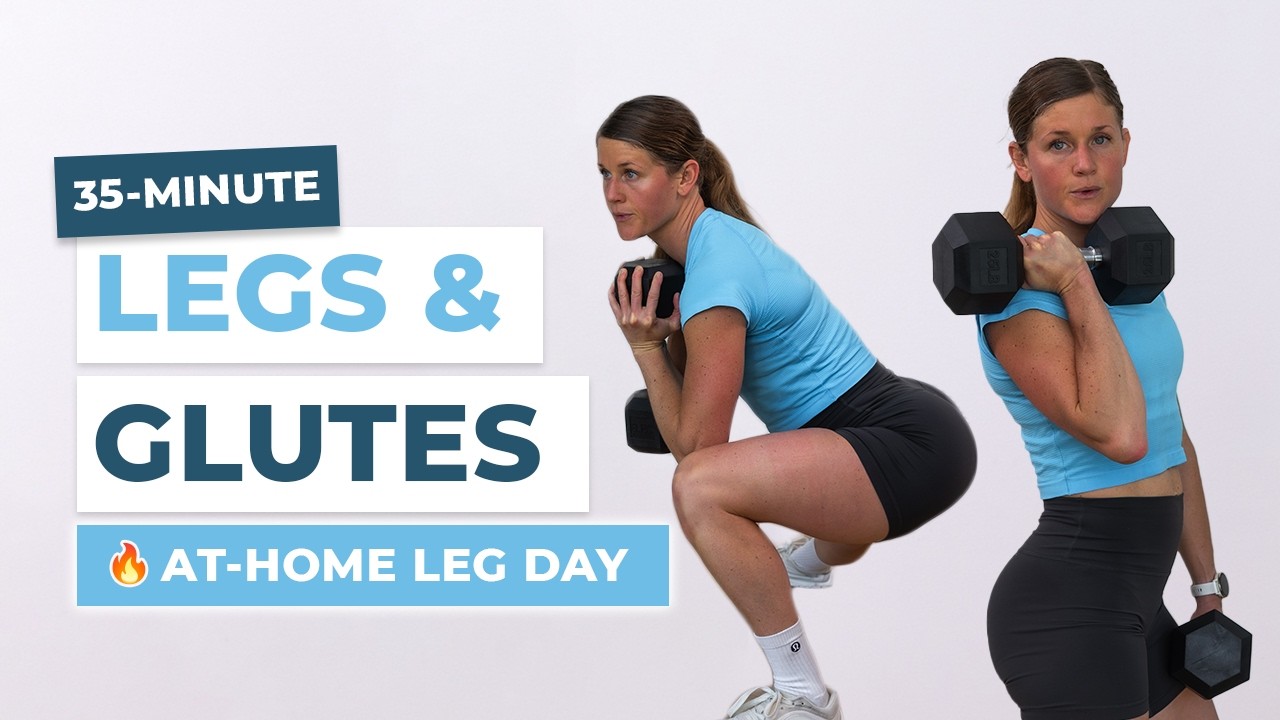
Goblet squats target your quads, glutes, and hamstrings. Hold a dumbbell with both hands close to your chest. Stand with feet shoulder-width apart. Lower your body into a squat, keeping your chest up. Push through your heels to return to the starting position. Repeat for several reps.
Deadlifts
Deadlifts are great for your hamstrings and lower back. Hold a dumbbell in each hand, arms straight. Stand with feet hip-width apart. Bend at the hips, lowering the dumbbells towards your feet. Keep your back straight. Return to standing by squeezing your glutes. Perform multiple reps for effectiveness.
Dumbbell Lunges
Dumbbell lunges work your quads, glutes, and calves. Hold a dumbbell in each hand, arms at your sides. Step forward with one leg and lower your hips until both knees are bent. Keep your front knee over your ankle. Push back to the starting position. Alternate legs for a balanced workout.
Creating A Balanced Routine
Creating a balanced routine for leg workouts at home involves simple exercises like squats and lunges. These exercises can strengthen muscles and improve flexibility without needing special equipment. Regular practice ensures toned legs and promotes overall fitness.
Creating a balanced routine for leg workouts at home is crucial to achieving strong, toned legs while avoiding injury. It’s not just about lunges and squats; your routine should encompass various elements to ensure you’re working all muscle groups effectively. Think about how often you should train and the types of exercises that blend strength with flexibility.Frequency And Duration
How often should you exercise your legs to see results? Aim for two to three times a week, giving your muscles time to recover between sessions. Consistency is key, but don’t overdo it—your muscles need rest to grow stronger. Each session should last 30 to 45 minutes, allowing you to cover all essential exercises without feeling rushed. Consider this: Can you maintain this schedule amidst your daily life? Adjust your routine according to your commitments, but keep the frequency steady. This approach will help you build stronger, more resilient legs over time.Combining Strength And Flexibility
A well-rounded leg workout includes exercises that build strength and enhance flexibility. You might start with squats and lunges to engage major muscle groups, using your body weight or adding resistance bands for increased intensity. But don’t overlook flexibility. Incorporate stretches like the hamstring stretch or pigeon pose to improve mobility and prevent stiffness. Balancing strength exercises with flexibility work not only boosts performance but also aids in recovery. Ask yourself: Are you focusing equally on strength and flexibility? This balance will help you achieve better movement and prevent injuries. Keep your routine varied and adaptable to maintain interest and challenge your muscles in new ways.Tips For Staying Motivated
Finding motivation to exercise at home can be challenging. Set goals and track progress for leg workouts. Incorporate fun activities like dancing or jumping to keep the routine exciting.
Staying motivated while working out at home can be a challenge. Without the energy of a gym or a fitness class, it’s easy to skip a session or two. However, with the right strategies, you can keep your motivation high and your legs strong.Setting Goals
Start by setting clear and achievable goals for your leg workouts. Perhaps you want to increase your squat count or improve your endurance. Write these goals down and place them somewhere visible. This constant reminder can serve as a powerful motivator. Remember, specific goals are more compelling than vague ones.Tracking Progress
Keeping track of your progress can boost your motivation significantly. Use a simple notebook or a fitness app to log your workouts. Document your reps, sets, and how you feel after each session. Seeing improvements over time, no matter how small, can encourage you to push forward.Finding A Workout Buddy
Having a workout buddy can add a layer of accountability to your routine. If you know someone is counting on you, you’re less likely to skip a workout. Even if you’re working out at home, you can connect with a friend through video calls. Sharing your achievements and challenges can make the journey more enjoyable and less lonely. By focusing on these practical tips, you can stay motivated and make your home leg workouts both effective and enjoyable. What small change can you make today to boost your workout motivation?Safety And Injury Prevention
Workout your legs at home safely by using bodyweight exercises like squats and lunges. Ensure proper form to prevent injuries. Keep the workout area clear to avoid tripping hazards.
Working out your legs at home can be effective and convenient. Yet, safety and injury prevention should always be a priority. Overexerting yourself or using improper techniques can lead to unwanted injuries. Let’s explore how to keep your leg workouts safe and injury-free.Proper Form
Maintaining proper form is crucial for injury prevention. Focus on your posture during exercises. Keep your back straight and your knees aligned with your toes. Avoid locking your knees during movements. Use controlled motions instead of rushing through reps. Consider using a mirror to check your form. This helps ensure you’re doing exercises correctly.Warm-up And Cool-down
Warm-up before starting your leg workout. This prepares your muscles and reduces injury risk. Start with light cardio, like jogging or jumping jacks. Stretching is also important to loosen muscles. After your workout, cool down to relax your body. Stretch your legs again to prevent stiffness. Cooling down aids in recovery and helps maintain flexibility.Progression And Increasing Intensity
Working out at home can be both convenient and effective. As you exercise your legs, progression and increasing intensity are key to building strength. With consistent effort, your legs will become stronger and more resilient. Gradually increasing the intensity of your workouts can help you achieve better results. Let’s explore some strategies to enhance your leg workout at home.
Adding Reps And Sets
To progress in your leg workouts, add more reps and sets over time. Start with a manageable number, then increase as your strength grows. This challenges your muscles and prevents stagnation. For example:
- Begin with 10 squats, then add 5 more every week.
- Perform 3 sets initially, then gradually increase to 4 or 5 sets.
Tracking your reps and sets helps monitor progress. Listen to your body and adjust according to your comfort level. This gradual increase will enhance muscle endurance and strength.
Incorporating High-intensity Intervals
High-intensity intervals boost the effectiveness of leg workouts. This involves alternating between intense exercise and brief rest periods. It increases heart rate and burns more calories. Here’s how:
- Perform squats for 30 seconds, rest for 15 seconds.
- Repeat lunges intensely for 20 seconds, rest for 10 seconds.
These intervals can be applied to various exercises like jump squats or high knees. They add variety and challenge your muscles differently. This method keeps your workouts fresh and engaging.

Credit: www.instagram.com
Credit: www.youtube.com
Frequently Asked Questions
What Exercises Strengthen Legs At Home?
Bodyweight squats, lunges, and calf raises are excellent for leg strength. These exercises target major muscle groups without equipment. Add variations like jump squats or side lunges for increased intensity. Consistency and proper form are key to seeing results. Always warm up before starting your leg workout.
Can I Build Leg Muscle Without Weights?
Yes, you can build leg muscle with bodyweight exercises. Focus on squats, lunges, and step-ups. Increase repetitions and incorporate explosive movements like jump squats to boost muscle growth. Consistency is crucial. Use household items like chairs for step-ups. Ensure proper form to maximize benefits.
How Often Should I Do Leg Workouts At Home?
Aim for leg workouts 2-3 times a week. Allow rest days between sessions for muscle recovery. Listen to your body; adjust frequency based on soreness. Consistency is vital for progress. Ensure balanced workouts with other muscle groups to prevent overtraining your legs.
Are Home Leg Workouts Effective?
Home leg workouts can be very effective. With proper technique, bodyweight exercises like squats and lunges build strength and endurance. Regular practice leads to noticeable improvements. Incorporate intensity by adding variations or increasing repetitions. Consistency and dedication are key to achieving your fitness goals.
Conclusion
Leg workouts at home offer convenience and flexibility. No gym required. You can use bodyweight exercises to build strength. Squats, lunges, and calf raises are effective. Start with a few sets daily. Gradually increase reps as you feel stronger. Remember to keep good form to avoid injury.
Consistency is key. Make leg day a regular part of your routine. Feel the burn. See improvement over time. Your legs will thank you. Enjoy your fitness journey at home. Feel proud of your progress. Keep pushing forward.