Have you ever wondered whether yoga or Pilates is the key to unlocking greater flexibility in your body? You’re not alone.
With both disciplines promising enhanced mobility, it can be tough to decide which one truly delivers the most benefits. Imagine feeling more supple and agile, effortlessly bending and moving with ease. That’s the kind of freedom you’re looking for, right?
We’ll explore which practice—yoga or Pilates—holds the power to transform your flexibility. Stick around to discover the surprising truths that might just change the way you move forever. Let’s dive in and find out which path will lead you to the flexible future you’ve been dreaming of!

Credit: www.instagram.com
Benefits Of Flexibility
Enhancing flexibility can be achieved through both yoga and Pilates. Yoga often focuses on deep stretches and breathing. Pilates strengthens core muscles, improving posture and balance. Each offers unique benefits, and combining them can lead to greater flexibility and overall well-being.
Flexibility plays a crucial role in maintaining a healthy body. It affects your overall mobility, performance, and safety during physical activities. Enhancing flexibility can lead to numerous benefits that contribute to a better quality of life. Whether you choose yoga or pilates, both practices offer unique advantages in improving flexibility.Improved Mobility
Improved mobility means your joints and muscles move freely. Yoga increases joint flexibility through diverse poses. Pilates focuses on controlled movements that enhance range of motion. Both practices help you move better in daily life.Injury Prevention
Better flexibility reduces the risk of injuries. Flexible muscles stretch easily, preventing strains. Yoga teaches you to listen to your body, reducing overuse injuries. Pilates strengthens the core, providing support to avoid muscle tears.Enhanced Performance
Flexibility boosts your physical performance. Yoga enhances balance and coordination. Pilates builds muscle endurance and strength. Both improve your ability to perform physical activities with ease.
Credit: www.womenshealthmag.com
Yoga: Path To Flexibility
Yoga stands as a beacon for those seeking flexibility. Its ancient roots offer a transformative journey for the body. Through consistent practice, yoga helps muscles stretch and lengthen. This enhances movement ease and range. Flexibility emerges not only in the body but also in the mind. Yoga cultivates patience and mindfulness. It’s a holistic approach to physical wellbeing.
Types Of Yoga
There are various styles of yoga that focus on flexibility.
- Hatha Yoga:Slow-paced and beginner-friendly. It emphasizes gentle stretching.
- Vinyasa Yoga:Dynamic and fluid. It connects breath with movement.
- Iyengar Yoga:Detail-oriented. It uses props to deepen stretches.
- Ashtanga Yoga:Intense and structured. It follows a specific sequence.
Key Poses For Flexibility
Specific yoga poses enhance flexibility. They target different muscle groups.
- Downward Dog:Stretches the spine and hamstrings. It opens the shoulders.
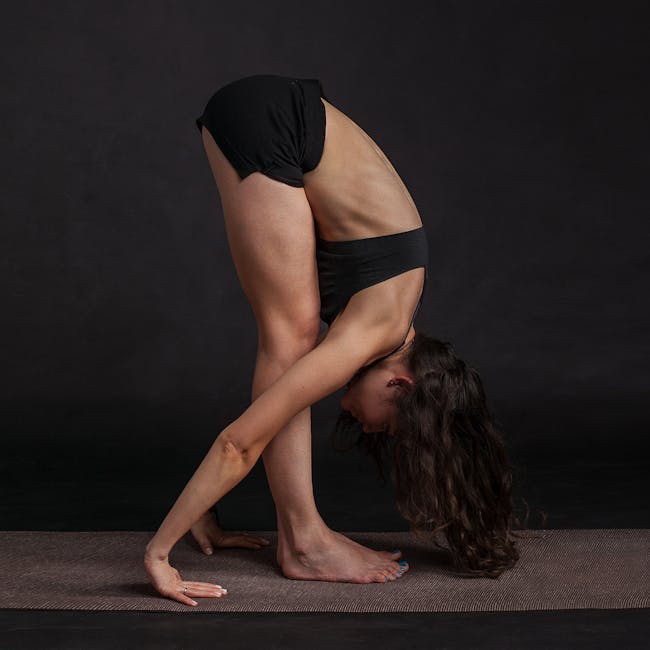
- Forward Bend:Lengthens the back and legs. It calms the mind.
- Cobra Pose:Expands the chest. It strengthens the spine.
- Triangle Pose:Engages the legs. It improves balance and flexibility.
Breath And Movement Connection
Breath plays a crucial role in yoga practice. It supports movement and flexibility. Controlled breathing helps muscles relax. This allows deeper stretches. Synchronizing breath with poses enhances focus. It makes the practice more effective. Breath guides the flow of energy. It cultivates an inner calm.
Pilates: Strength And Stretch
Pilates is renowned for its unique ability to blend strength and flexibility. It offers a balanced approach to fitness. While yoga emphasizes deep stretching and relaxation, Pilates focuses on building core strength and elongating muscles. This method provides an excellent workout for those seeking flexibility and strength.
Core Focus
Pilates places a significant emphasis on the core. The exercises target the abdominal muscles, lower back, and hips. This focus helps improve posture and balance. A strong core enhances flexibility and stability in everyday activities. Regular Pilates practice can lead to a noticeable improvement in core strength.
Reformer Vs. Mat Pilates
Reformer Pilates and Mat Pilates offer different benefits. Reformer Pilates uses a machine with springs and pulleys. This equipment provides resistance and support. It challenges muscles in a unique way. Mat Pilates, on the other hand, relies on body weight and gravity. It can be practiced anywhere, making it convenient for many. Both types enhance flexibility and strength.
Stretching Techniques
Pilates incorporates effective stretching techniques. Each movement is controlled and precise. This method helps lengthen muscles and improve flexibility. Stretching in Pilates is often dynamic, involving movement. This approach ensures muscles are warm and ready. It reduces the risk of injury and enhances overall flexibility.
Comparing Yoga And Pilates
Yoga and Pilates both offer unique paths to improved flexibility. They share a focus on stretching and strengthening the body. But which one makes you more flexible? Let’s compare them to find out.
Flexibility Gains
Yoga emphasizes deep stretching and sustained poses. These help lengthen muscles over time. Many yoga poses target the hips, hamstrings, and shoulders. This can lead to significant flexibility improvements. Pilates, on the other hand, focuses on core strength and controlled movements. It incorporates dynamic stretches that engage multiple muscle groups. Both practices enhance flexibility, but in different ways.
Physical And Mental Benefits
Yoga offers a holistic approach to health. It combines physical postures with breathing and meditation. This practice can reduce stress and improve mental clarity. Pilates focuses more on physical conditioning. It builds core strength and improves posture. Both practices support overall well-being, but their methods differ.
Suitability For Different Fitness Levels
Yoga welcomes all fitness levels. Beginners can start with simple poses and progress gradually. Advanced practitioners enjoy challenging postures. Pilates also suits various fitness levels. It often uses equipment to modify exercises. This makes it accessible for beginners and more intense for advanced users. Both offer adaptable routines for diverse needs.
Choosing The Right Practice
Yoga and Pilates both boost flexibility, but they offer different approaches. Yoga emphasizes fluid movements and deep stretches. Pilates focuses on strengthening muscles and improving posture. Choosing between them depends on your personal goals and preferences.
Choosing the right practice between yoga and Pilates can be a personal journey. Your choice might depend on what you seek to achieve, your current fitness level, or even the time you have to dedicate. Both practices offer unique benefits, but understanding these can guide you in making an informed decision.Personal Goals
Your goals play a crucial role in deciding between yoga and Pilates. If you’re looking to increase flexibility, yoga could be your ally. It involves various poses that stretch and strengthen your muscles, improving your range of motion over time. Pilates, on the other hand, focuses on core strength and stability. While it also enhances flexibility, it might be your go-to if your primary goal is building strength and muscle tone. Consider what drives you. Is it the mindfulness aspect of yoga, allowing you to connect deeper with yourself? Or maybe the precise movements of Pilates that challenge your body and mind? Reflect on what you want from your workout and choose accordingly.Fitness Level Considerations
Your current fitness level is another factor. Yoga offers a gentle start for beginners, with modifications available for different levels. It’s welcoming to everyone, regardless of age or physical condition. Pilates, although beginner-friendly, may feel more intense due to its focus on controlled movements and often involves equipment. Assess your fitness level honestly. If you’re just starting, yoga might ease you into a routine without overwhelming you. For those with a bit more experience, Pilates can push your boundaries further.Incorporating Both Practices
Why choose one when you can enjoy both? Integrating yoga and Pilates into your routine can provide a balanced approach. Yoga enhances your flexibility and mental clarity, while Pilates boosts your strength and endurance. Together, they create a comprehensive workout that tackles different aspects of your health. You might start your week with yoga to unwind and stretch, then add Pilates sessions to build strength. This combination can be particularly effective if you’re looking to improve your overall fitness and well-being. Have you considered mixing them up to keep things interesting? By alternating between the two, you can prevent workout monotony and continually challenge your body. This approach keeps your routine fresh and engaging, ensuring you remain motivated and committed. What practice do you think will suit your lifestyle best?
Credit: www.theknowledgeacademy.com
Frequently Asked Questions
What Are The Benefits Of Yoga For Flexibility?
Yoga enhances flexibility by stretching muscles and increasing joint range. Regular practice improves posture, reduces stiffness, and promotes relaxation. It also helps in balancing the body’s energy levels, contributing to overall well-being. Yoga can be adapted to suit all fitness levels, making it accessible for everyone.
How Does Pilates Improve Flexibility?
Pilates focuses on core strength, stability, and controlled movements. It improves flexibility by elongating muscles and enhancing body awareness. Consistent practice supports better posture and alignment, reducing the risk of injury. Pilates exercises are adaptable, catering to different fitness levels, ensuring flexibility gains for all practitioners.
Which Is Better For Beginners, Yoga Or Pilates?
For beginners, both yoga and Pilates are excellent choices. Yoga offers a gentle introduction with its focus on breath and relaxation. Pilates provides structured movements that enhance core strength. Both disciplines can be tailored to individual needs, making them accessible for new practitioners seeking flexibility.
Can Yoga And Pilates Be Combined?
Yes, yoga and Pilates can complement each other. Combining both practices enhances flexibility, strength, and balance. Yoga’s mindfulness and breathing techniques pair well with Pilates’ core-focused exercises. Practicing both can provide a well-rounded fitness routine, catering to various physical and mental health goals.
Conclusion
Choosing between yoga and Pilates depends on personal goals. Both enhance flexibility and strength. Yoga offers deep stretches and mindfulness. Pilates focuses on core stability and muscle control. Each has unique benefits for body and mind. Consider trying both to see what fits your needs.
Listen to your body and explore each discipline. Enjoy the journey towards better flexibility. Remember, consistency is key in any practice. Find what you love and stick with it. Your flexibility will improve over time. Embrace the process and enjoy the benefits.