Imagine you could boost your muscle growth with just a little help from a pill. Sounds tempting, right?
If you’ve ever been curious about whether prednisone can actually help build muscle, you’re not alone. This question has sparked debates, curiosity, and even some myths in fitness circles. You’re probably eager to find out if there’s any truth behind these claims and how it might affect your own fitness journey.
Before you consider adding this medication to your routine, let’s dive into the facts and uncover the real story behind prednisone and muscle building. Keep reading to discover what you need to know before making any decisions that could impact your health and fitness goals.
Prednisone And Its Uses
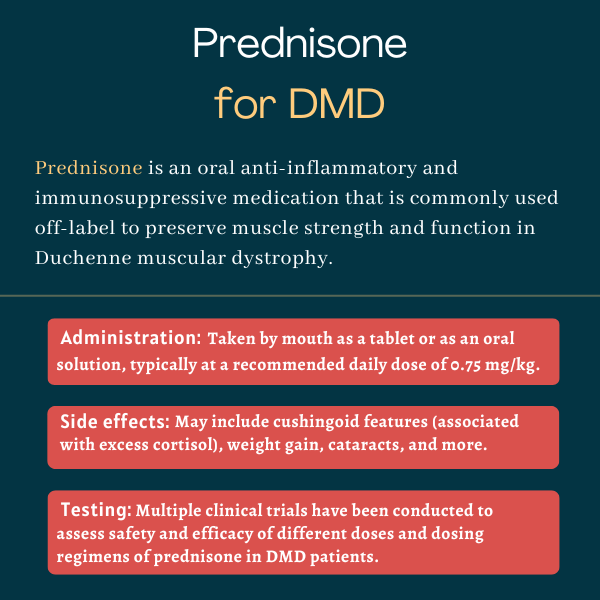
Prednisone is a corticosteroid that reduces inflammation and suppresses the immune system. It is not typically used for muscle building. Prolonged use can lead to muscle weakness rather than growth, impacting overall health.
Prednisone, a synthetic corticosteroid, is commonly prescribed to treat inflammation and autoimmune conditions. It can be a powerful tool in managing various health issues. Understanding its uses and effects is essential for anyone considering its benefits.What Is Prednisone?
Prednisone is a medication that mimics the effects of hormones produced by the adrenal glands. It helps reduce inflammation and suppress the immune system. Doctors often prescribe it for conditions like arthritis, asthma, and allergies. Its ability to manage symptoms makes it valuable in treatment plans.Medical Uses Of Prednisone
Prednisone treats a wide range of medical conditions. It is effective in controlling chronic inflammatory diseases. Patients with lupus or rheumatoid arthritis find relief through its use. It also helps manage severe asthma attacks and allergic reactions. The medication’s ability to calm the immune response is crucial in these scenarios.Prednisone In Muscle Building
Prednisone is not typically used to build muscle. Its primary function is to reduce inflammation, not enhance muscle growth. Some athletes use it for recovery, but it is not recommended for muscle gain. Long-term use can lead to muscle wasting, which is counterproductive. Understanding its effects on muscles is vital for informed decisions.Side Effects And Considerations
Prednisone can have side effects. These include weight gain, mood swings, and increased blood pressure. Long-term use may weaken bones and muscles. Patients must follow their doctor’s guidance closely. Monitoring health while on prednisone is essential to minimize risks. Always discuss concerns and alternatives with healthcare professionals.
Credit: www.drugs.com
Mechanism Of Prednisone
Prednisone is a corticosteroid often prescribed for its powerful anti-inflammatory effects. While it serves as an effective treatment for various health conditions, its role in muscle building is complex and requires careful understanding. The mechanism of prednisone in the body might surprise you, especially if you’re considering it for enhancing muscle mass.
How It Works In The Body
Prednisone mimics the action of cortisol, a hormone produced by your adrenal glands. It works by suppressing the immune system and reducing inflammation. This helps in treating conditions like arthritis, asthma, and autoimmune diseases.
However, the suppression of inflammation is a double-edged sword. While it can relieve pain and swelling, it may also impact muscle recovery and growth. This suppression can slow down the repair process necessary for muscle building.
Effects On Muscle Tissue
Prednisone can lead to muscle breakdown over time. It reduces protein synthesis, which is crucial for muscle growth. This can result in muscle wasting, especially with prolonged use.
On the flip side, you might notice an increase in energy and endurance initially. This can be misleading, as these effects are temporary and might not lead to actual muscle gain.
Have you ever wondered why some medications seem to offer quick benefits but long-term risks? Prednisone exemplifies this with its immediate relief yet potential muscle weakening over time. It’s essential to weigh these factors if you’re considering its use for muscle building.
Before deciding on prednisone for muscle enhancement, think about the long-term implications. Are the immediate benefits worth the potential muscle loss? Your health journey is unique, and understanding the medication’s mechanism can guide you in making informed choices.
Steroids Vs Anabolic Steroids
Steroids are often misunderstood in the fitness world. Prednisone and anabolic steroids serve different purposes. Prednisone is a corticosteroid used to reduce inflammation. Anabolic steroids, on the other hand, are known for muscle growth. Understanding their differences is crucial for anyone considering their use.
Key Differences
Corticosteroids like prednisone help with inflammation. They are prescribed for asthma, arthritis, and allergies. Anabolic steroids mimic testosterone. They promote muscle growth and enhance performance. Each type affects the body in distinct ways.
Prednisone impacts the immune system. It suppresses inflammation but does not build muscle. Anabolic steroids, however, increase protein synthesis. This leads to muscle growth over time.
Common Misconceptions
Many believe all steroids build muscle. This is not true. Prednisone does not enhance muscle size or strength. It is used for medical conditions, not performance enhancement.
Another misconception is that steroids are always harmful. While misuse leads to health issues, prescribed use is different. Prednisone helps with severe inflammation without causing muscle growth.
Prednisone’s Impact On Muscle Growth
Prednisone, a corticosteroid, is widely recognized for its potent anti-inflammatory properties. However, its role in muscle growth is often a subject of debate. While some may wonder if it aids in building muscle, others are concerned about the possible side effects. Understanding how prednisone affects muscle growth can help you make informed decisions about its use.
Potential Benefits
Prednisone can help reduce inflammation, which might indirectly support muscle recovery after intense workouts. By minimizing inflammation, your muscles might feel less sore, allowing you to maintain a consistent exercise routine. This consistency is crucial for muscle growth.
Additionally, prednisone might help manage autoimmune conditions that hinder muscle function. If you suffer from a condition that affects your muscles, prednisone could potentially improve your physical performance.
Possible Side Effects
While prednisone offers potential benefits, it is crucial to be aware of its side effects. Long-term use can lead to muscle weakness, which is counterproductive to muscle growth. This weakness can stem from muscle protein breakdown, which affects your strength and endurance.
Prednisone may also lead to weight gain due to increased appetite. This could result in more fat than muscle gain, affecting your overall physique. Monitoring your diet and exercise routine becomes essential if you are on prednisone.
Are the benefits worth the risks? It’s a question you need to consider carefully, weighing the pros and cons based on your health goals. Always consult with a healthcare professional before making decisions about medication and its impact on your fitness journey.
Scientific Studies And Findings
Prednisone is a medication often prescribed for inflammation and autoimmune issues. Some believe it can aid in muscle building. To understand this, examining scientific studies and findings is crucial. These studies provide insight into how prednisone affects muscle growth.
Research On Muscle Building
Research on prednisone’s impact on muscles is extensive. Some studies suggest prednisone can help maintain muscle mass. It does this by reducing inflammation and helping recover from muscle injuries. But, long-term use might lead to muscle weakness. This occurs because prednisone can cause muscle tissue breakdown.
A study on athletes showed mixed results. Short-term use helped muscle recovery. Long-term use led to decreased muscle strength. More studies are needed to understand these effects fully.
Case Studies And Examples
Several case studies highlight prednisone’s effects on muscle. One case involved a bodybuilder using prednisone for a short period. The bodybuilder experienced faster recovery from workouts. Muscle soreness decreased significantly, allowing for more frequent training.
Another example involved a patient with a muscle-wasting condition. Prednisone helped stabilize muscle loss temporarily. Yet, extended use caused muscle atrophy over time. These examples show varied outcomes depending on duration and dosage.

Credit: www.instagram.com
Health Risks And Considerations
Prednisone is a type of steroid medication often used to reduce inflammation. It can be tempting to consider it for muscle building due to its potent effects. Yet, it’s crucial to understand the health risks and considerations associated with its use. Prednisone can have serious side effects, impacting both short-term and long-term health. Explore these potential risks before thinking about using prednisone for muscle growth.
Short-term Effects
Short-term use of prednisone may cause noticeable changes in the body. Some people experience increased appetite, leading to weight gain. Insomnia is another common side effect, affecting sleep quality. Mood swings can also occur, causing emotional instability. These effects might seem manageable, but they can quickly disrupt daily life.
High blood pressure and elevated blood sugar levels are also possible. Both conditions pose immediate health risks, especially for those with pre-existing issues. Prednisone’s effect on metabolism can be unpredictable. Careful monitoring of these short-term effects is essential for safe use.
Long-term Health Implications
Long-term use of prednisone can lead to more severe health problems. Bone density loss is a significant concern, increasing the risk of fractures. Osteoporosis may develop, particularly with prolonged exposure to the drug.
The immune system can weaken over time, making infections more likely. Chronic use might also result in muscle wasting, counteracting any potential muscle gains. Eye problems, such as cataracts, can develop, affecting vision.
Long-term prednisone use can also cause adrenal gland suppression. The body may struggle to produce natural steroids, complicating health further. These implications highlight the importance of understanding the risks involved.
Alternative Methods For Muscle Growth
Exploring muscle growth? Prednisone, a steroid, might offer some help, but it comes with risks. This medication can increase appetite and reduce muscle wasting in certain conditions. Always consult a doctor for guidance on its safe use.
Building muscle is a journey that demands dedication, strategy, and often, a bit of creativity. While some might turn to medications like prednisone, there are alternative methods that can be just as effective, if not more sustainable, for muscle growth. These methods focus on enhancing your body’s natural ability to grow and repair muscles through optimal nutrition, exercise, and supplementation. Let’s dive into a few of these powerful alternatives.Natural Supplements
Natural supplements can be a valuable addition to your muscle-building toolkit. Think of supplements like protein powders, branched-chain amino acids (BCAAs), and creatine. These are popular among fitness enthusiasts for a reason. Protein powders, especially whey, help you meet your daily protein requirements, essential for muscle repair and growth. BCAAs may reduce muscle soreness and support recovery, making it easier to hit the gym consistently. Creatine, on the other hand, boosts your energy during high-intensity workouts, allowing you to lift heavier and longer. Before adding supplements to your regimen, consider consulting with a healthcare professional to ensure they align with your health goals. Have you found a natural supplement that works wonders for you? Share your experience with others—it could be the missing piece in someone else’s fitness puzzle.Exercise And Nutrition
Exercise and nutrition are the foundation of any successful muscle-building plan. Focus on resistance training, which involves lifting weights or using your body weight to build muscle. Compound exercises like squats, deadlifts, and bench presses engage multiple muscle groups, maximizing your results in less time. Pair your workouts with a balanced diet rich in protein, healthy fats, and complex carbohydrates. Lean meats, eggs, and legumes are excellent protein sources, while whole grains and vegetables provide the energy you need to power through workouts. Are you timing your meals to optimize performance? Eating a protein-rich meal or snack about 30 minutes after a workout can enhance muscle recovery. Remember, consistency is key. Regular exercise and a nutritious diet will gradually lead to noticeable gains. In your muscle-building journey, what challenges have you faced with exercise and nutrition? Often, small tweaks can lead to significant improvements. Stay curious and open-minded—sometimes the simplest changes can yield the most dramatic results.Expert Opinions
Prednisone, a corticosteroid, may impact muscle growth by reducing inflammation but isn’t primarily used for muscle building. Experts caution its potential side effects, including muscle weakness and bone density loss, which can counteract any benefits for muscle development. Always consult a healthcare professional before considering it for muscle enhancement.
Understanding the potential of prednisone to aid in muscle building involves delving into various expert opinions. While some see its potential benefits, others raise concerns about its use. Here, we present insights from both medical professionals and athletes who have firsthand experience with this controversial topic.Insights From Doctors
Doctors generally approach prednisone with caution. Prednisone is primarily prescribed for its anti-inflammatory properties. It can help reduce swelling and pain in conditions like arthritis, but building muscle isn’t its intended use. Some healthcare professionals warn against using prednisone for muscle gain due to potential side effects. These can include increased appetite, mood changes, and even muscle weakness with prolonged use. Would you consider the risks worth the potential muscle gain? Many doctors emphasize that any muscle growth benefits may be outweighed by these health risks.Athletes’ Perspectives
Athletes have mixed opinions on using prednisone for muscle building. Some report experiencing increased energy and reduced recovery times, which can indirectly support muscle development. However, seasoned athletes caution against relying on prednisone. They highlight the importance of natural muscle-building techniques, like proper diet and consistent training. Athletes often stress the value of sustainable practices. Quick fixes like prednisone might seem tempting, but they can lead to dependency and long-term health issues. Would you risk your health for short-term gains? The debate continues as each individual’s body responds differently. It’s crucial to weigh expert opinions and personal experiences carefully when considering prednisone for muscle building.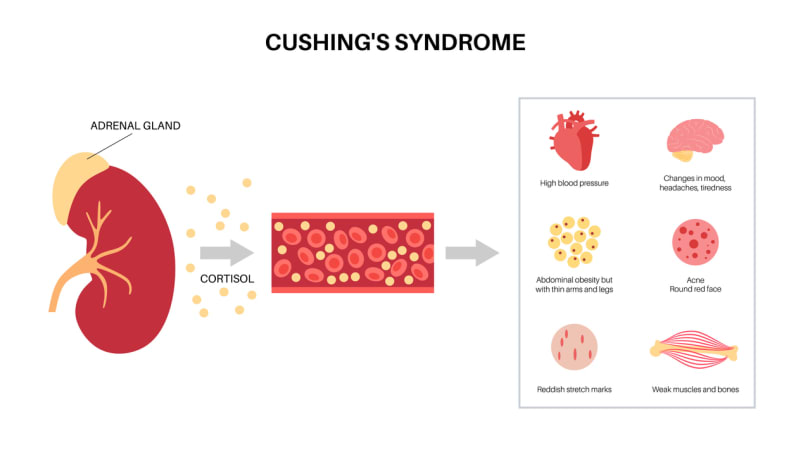
Credit: www.drugs.com
Frequently Asked Questions
Can Prednisone Enhance Muscle Growth?
Prednisone is a corticosteroid, not typically used for muscle growth. It reduces inflammation, which might indirectly help performance. However, long-term use can lead to muscle wasting. Consult a healthcare professional before considering prednisone for muscle-related goals.
Is Prednisone Safe For Bodybuilding?
Prednisone is not recommended for bodybuilding. It can cause side effects like bone loss and muscle weakness. Bodybuilders should focus on proper nutrition and exercise. Always seek medical advice before using any medication for fitness purposes.
Does Prednisone Increase Muscle Strength?
Prednisone may temporarily relieve muscle inflammation, potentially improving strength. However, it doesn’t directly increase muscle mass or strength. Prolonged use can lead to adverse effects, including muscle loss. It’s essential to use prednisone only under medical supervision.
Can Prednisone Improve Athletic Performance?
Prednisone is not designed to enhance athletic performance. It might reduce inflammation temporarily, aiding recovery. Overuse can lead to harmful side effects like weight gain and high blood pressure. Athletes should prioritize safe training methods and consult healthcare providers.
Conclusion
Prednisone offers benefits but isn’t a muscle-building drug. It can reduce inflammation, aiding recovery. Yet, it may cause muscle loss over time. Balance is key. Discuss options with a healthcare professional. Consider natural methods for muscle growth. Proper diet and regular exercise are vital.
Rest is equally important. Listen to your body’s needs. Prednisone has potential risks. Educate yourself before use. Every body reacts differently. Stay informed and make wise choices. Health should always be a priority. A balanced lifestyle promotes muscle growth naturally.
Choose safe and effective ways to build strength.