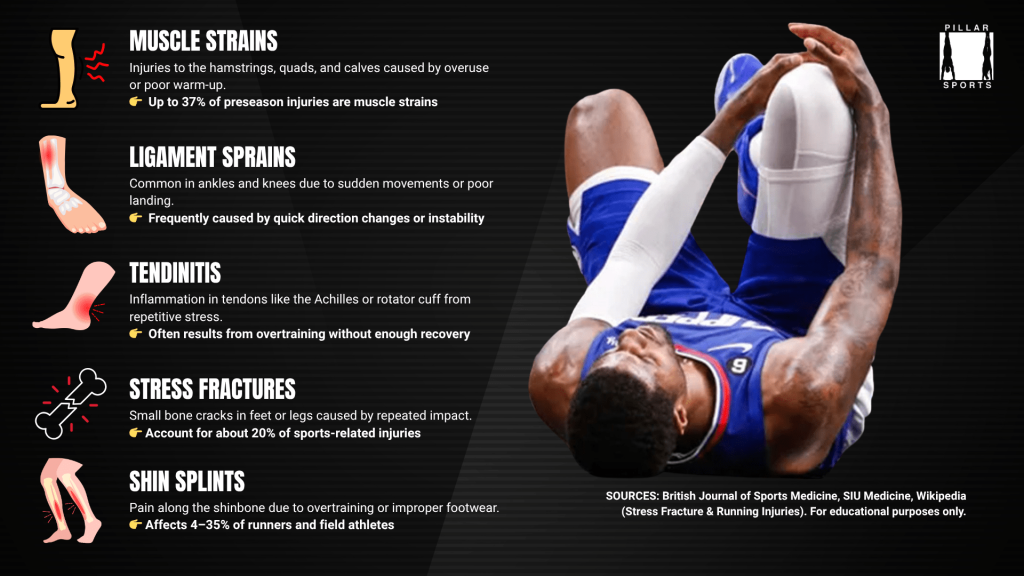
Are you tired of dealing with aches and pains after your workouts or outdoor activities? You’re not alone.
Many people face injuries that not only disrupt their fitness routines but also affect their daily lives. But what if you could prevent these injuries before they happen? Imagine enjoying your favorite activities without the fear of getting hurt. This isn’t just wishful thinking—it’s entirely possible with the right approach.
You’ll discover simple yet effective strategies to keep your body safe during physical activity. Whether you’re a seasoned athlete or just getting started, these tips are designed to help you stay injury-free and keep moving towards your fitness goals. Don’t let preventable injuries hold you back any longer; read on to unlock the secrets to a safer, healthier you.
Warm-up Essentials
Proper warm-ups are key to preventing injuries during physical activity. Stretching improves flexibility and prepares muscles. Light cardio increases heart rate and blood flow, reducing the risk of strains.
Warm-up is a crucial part of any physical activity. It prepares your body for exercise and can significantly reduce the risk of injury. A good warm-up routine increases blood flow to your muscles, gradually raises your heart rate, and improves flexibility. But what are the essentials to focus on during your warm-up? Let’s dive into two key components that can make all the difference.Dynamic Stretching
Dynamic stretching involves active movements that help increase your range of motion. Unlike static stretches, where you hold a position, dynamic stretches are about movement. Think leg swings or arm circles. These movements mimic the exercises you’re about to perform. They help activate the muscles you’ll be using, making them ready for action. You might notice a difference in how your body feels—more agile and responsive. Try incorporating dynamic stretches into your routine. You’ll find that your body adapts better to your workout, and you might even enjoy the process. After all, who doesn’t like feeling limber and ready?Gradual Intensity Increase
Jumping straight into high-intensity exercise can shock your system. Gradually increasing the intensity of your workout is a safer approach. Start with low-intensity activities that slowly raise your heart rate. This could be a brisk walk or gentle jogging. As you feel your body warming up, slowly increase the pace. This method allows your muscles and joints to adjust. It minimizes the risk of strains or pulls, keeping you in the game longer. Can you think of a time when you rushed into a workout and regretted it? Let that be a reminder to take things slow. Embrace this gradual build-up, and you’ll protect yourself from unnecessary injuries. Plus, your body will thank you for the gentle start!
Credit: www.facebook.com
Proper Equipment Use
Engaging in physical activities is a fantastic way to keep fit, but it also comes with the risk of injuries. One effective way to minimize these risks is by using proper equipment. The right gear not only enhances performance but also acts as a safeguard against potential harm. Imagine the difference between a leisurely jog in sturdy sneakers versus one in flimsy sandals. The choice of equipment can make or break your experience.
Appropriate Footwear
Your feet take on a lot of stress during physical activity. Wearing the right shoes is crucial. Opt for shoes specifically designed for your chosen sport or activity. Running shoes, for instance, offer cushioning and support that can prevent injuries like shin splints or plantar fasciitis.
Consider your foot type and gait when selecting footwear. An athletic store can help you with a gait analysis to find the best fit. Remember, shoes wear out over time. Regularly check them for signs of wear and tear, and replace them as needed.
Safety Gear
Safety gear is your frontline defense against injuries. Activities like cycling or skateboarding require helmets, while knee pads and elbow guards are essential for sports like rollerblading. These items absorb impact and protect vulnerable areas.
Think about activities requiring specific gear. Swimming often requires goggles to protect your eyes from chlorine. In team sports, like football, mouthguards can prevent dental injuries. Are you using the right gear for your chosen sport?
Invest in high-quality safety gear. It’s a one-time investment for long-term protection. Ensure it fits well and is comfortable, so you’re more likely to wear it consistently.
Technique And Form
Proper technique and form are key in preventing injuries during physical activity. Focus on body alignment and controlled movements. This helps reduce strain and maintain balance, keeping your body safe and strong.
Engaging in physical activity is a fantastic way to maintain your health, but without proper technique and form, you may be setting yourself up for injuries. The way you move affects every part of your workout, from the effectiveness of your exercises to your risk of getting hurt. Paying attention to how you perform activities can make a substantial difference in your fitness journey.Correct Posture
Maintaining correct posture is crucial in preventing injuries. Whether you’re lifting weights or running, how you hold your body matters. A slouched back can lead to strains, while a straight spine helps distribute weight evenly. Consider your daily activities. Are you sitting correctly at your desk? This same awareness should translate to your exercise routines. Regularly check in with yourself to ensure your posture aligns with best practices.Breathing Techniques
Breathing techniques are often overlooked but are essential for safe workouts. Proper breathing reduces tension and helps maintain focus and stamina. Holding your breath can lead to dizziness or fatigue during exertion. Try breathing out during the hardest part of an exercise. For example, exhale as you lift weights or push up from a squat. This method not only supports your muscles but keeps oxygen flowing efficiently. Have you noticed your breathing patterns while you exercise? Small adjustments can boost both your safety and performance.Listen To Your Body
Preventing injuries during physical activity is crucial for maintaining a healthy lifestyle. One of the most effective strategies is to listen to your body. Your body constantly sends signals that can guide you in making smart choices during workouts. Understanding and responding to these signals can keep you active and injury-free.
Recognizing Pain Vs. Discomfort
Learning to differentiate between pain and discomfort is essential. Discomfort might be a sign that you’re pushing your limits, which can be beneficial. However, pain is a warning that something might be wrong.
Consider the last time you felt a sharp or persistent pain. Did you stop immediately, or did you push through? Listening to pain can prevent long-term injuries. If something feels wrong, it probably is. Rest and reassess before continuing.
Rest And Recovery
Rest is not a sign of weakness; it’s a vital part of any fitness regimen. Your muscles need time to repair and strengthen. Skipping rest days can lead to overuse injuries, setting you back rather than moving you forward.
Have you ever noticed how much better you perform after a rest day? This is because rest allows your body to heal and prepare for the next challenge. Prioritize recovery by scheduling regular rest days and incorporating activities like stretching or yoga.
How often do you give your body the recovery it needs? Incorporating rest and listening to your body’s signals can enhance your physical performance and keep injuries at bay.
Hydration And Nutrition
Proper hydration and balanced nutrition are key to preventing injuries during physical activity. Drinking water keeps muscles flexible and reduces cramps. Eating nutritious foods provides the energy and strength needed for safe exercise.
Hydration and nutrition play crucial roles in preventing injuries during physical activity. Proper hydration keeps your body functioning optimally. Nutrition fuels your muscles and aids recovery. Understanding what to eat and drink before and after workouts can make a significant difference.Pre-workout Fuel
Eating the right foods before exercising is essential. Carbohydrates provide energy for your muscles. Opt for whole grains, fruits, or vegetables. Include lean proteins to support muscle strength. Hydrate well to maintain fluid balance. Drink water or a sports drink to keep your energy levels up.Post-workout Recovery
Recovery is vital for muscle repair and growth. Consume a mix of protein and carbohydrates after exercise. Proteins help rebuild muscle fibers. Carbohydrates replenish your energy stores. Hydration aids in flushing out toxins. Drink plenty of water to restore lost fluids. Consider adding electrolytes for enhanced recovery.
Credit: www1.grousemountain.com
Consistent Conditioning
Engaging in physical activity is a fantastic way to boost your health, mood, and energy levels. However, injuries can derail your progress and enthusiasm. One of the most effective ways to prevent injuries is through consistent conditioning. Conditioning is not just for athletes; it’s crucial for anyone who exercises regularly. By conditioning your body consistently, you ensure that it’s prepared for the physical demands you place on it. This preparation involves strength training and flexibility exercises, two key components that can significantly reduce your risk of injury.
Strength Training
Strength training is more than just lifting weights. It’s about building a solid foundation of muscle that supports your body during any activity. Strong muscles act as shock absorbers and can protect your joints from wear and tear. You don’t need to become a bodybuilder; even light weights or bodyweight exercises can make a difference. Think about how much easier it is to lift a heavy grocery bag when your arms are strong.
Consistency is key. Aim for strength training sessions at least twice a week. Focus on all major muscle groups, including your legs, core, and arms. This balanced approach ensures you’re not neglecting any part of your body that might be prone to injury. Remember, every squat or push-up you do strengthens not just your muscles but also your resilience against injury.
Flexibility Exercises
Flexibility exercises are often overlooked, but they’re crucial for preventing injuries. Stretching keeps your muscles elastic and your joints moving smoothly. Flexibility can be the difference between pulling a muscle and finishing a workout strong. Imagine trying to reach something on a high shelf; flexibility helps you do it without straining.
Incorporate stretching into your routine daily. Even a few minutes can have a huge impact. Focus on areas that tend to be tight, like your hamstrings, shoulders, and back. Yoga and Pilates are excellent practices that improve flexibility and also enhance your mental focus. Ask yourself: Are you giving your muscles the care they need to stay injury-free?
By consistently conditioning your body, you’re not just preventing injuries; you’re enhancing your overall fitness and well-being. It’s about making small, regular efforts that build up to significant benefits over time. Are you ready to make conditioning a regular part of your routine? Your body will thank you.
Environment Awareness
Understanding your environment is key to preventing injuries during physical activity. Being aware of your surroundings can keep you safe and enhance your performance. Whether you’re jogging, cycling, or practicing yoga, knowing your environment reduces risks.
Weather Considerations
Weather plays a crucial role in your physical activity. Check the forecast before heading out. Hot weather can lead to heat exhaustion. Wear light clothing and stay hydrated. Cold weather requires layers to maintain body heat. Rain can make surfaces slippery. Be cautious to prevent falls. Always be prepared for sudden weather changes.
Safe Surroundings
Choose a safe location for your activities. Parks and designated trails offer a secure environment. Avoid busy roads with heavy traffic. Uneven surfaces can cause trips and falls. Inspect your path for obstacles like rocks or debris. Ensure good lighting if exercising at dawn or dusk. Safe surroundings minimize injury risks.

Credit: www.dxbnewsnetwork.com
Frequently Asked Questions
How Can Warm-up Prevent Injuries?
A proper warm-up increases blood flow to muscles and prepares them for activity. It enhances flexibility and reduces the risk of strains and sprains. Aim for at least 5-10 minutes of dynamic movements to effectively prepare your body and prevent injuries during physical activity.
What Role Does Hydration Play In Injury Prevention?
Hydration maintains muscle function and prevents cramps and fatigue. Drinking water before, during, and after exercise keeps your body balanced and supports optimal performance. Proper hydration ensures your muscles recover quickly and stay protected against injuries.
How Does Proper Technique Reduce Injury Risks?
Using the correct technique in exercises minimizes stress on muscles and joints. It ensures safe and effective movement, reducing the chance of injury. Always focus on form and seek professional guidance if unsure about proper technique for specific exercises.
Why Is Rest Important For Preventing Injuries?
Rest allows your body to recover and repair tissues after physical activity. It prevents overuse injuries and maintains performance levels. Incorporate rest days into your routine to give muscles time to heal and reduce the risk of long-term damage.
Conclusion
Staying active is crucial, but safety comes first. Warm up before starting any activity. Wear proper gear to protect yourself. Listen to your body. Rest if you feel pain. Stay hydrated to keep your body functioning well. Practice correct form to avoid strain.
Gradually increase intensity, don’t rush. Consult a professional if unsure about techniques. Prioritize safety to enjoy physical activities longer. A little caution now prevents bigger problems later. Keep these tips in mind and stay injury-free.