Have you ever felt that stubborn tightness or weakness in the back of your legs? Your hamstrings might be the culprit.
Often overlooked, these muscles are crucial for stability, balance, and overall leg strength. But don’t worry; you don’t need a gym membership or fancy equipment to give them the attention they deserve. Imagine improving your flexibility, power, and posture right from the comfort of your living room.
Yes, it’s possible! This guide will show you effective ways to work out your hamstrings at home, without any hassle. Ready to discover the secret to stronger legs and a healthier you? Keep reading, because the solution is simpler than you think.

Credit: www.tiktok.com
Benefits Of Strong Hamstrings
Strong hamstrings are more than just a fitness goal; they’re essential for your overall health and mobility. These muscles play a crucial role in stabilizing your knees and supporting your hips, making everyday movements smoother and safer. Whether you’re lifting your child, sprinting to catch a bus, or simply walking up stairs, powerful hamstrings are your silent allies. But have you ever thought about how they can impact your posture and even your athletic performance? Let’s dive into the benefits that might surprise you.
Enhanced Athletic Performance
Strong hamstrings can significantly boost your athletic capabilities. They provide explosive power for activities like sprinting, jumping, and cycling. Imagine shaving seconds off your running time or jumping higher during a basketball game. Strengthening these muscles can be your secret weapon.
Injury Prevention
Hamstrings play a vital role in injury prevention, particularly in the knees and lower back. Weak hamstrings can lead to strains and tears, especially in athletes. By strengthening them, you’re protecting yourself against common injuries that can sideline you for weeks.
Improved Posture
Good posture isn’t just about how you carry yourself; it’s about muscle balance. Strong hamstrings contribute to a balanced musculoskeletal system, reducing the risk of back pain and promoting a straight and aligned posture. Are you tired of slouching? Your hamstrings might be the answer.
Boosted Daily Functionality
From picking up groceries to standing for long periods, strong hamstrings enhance your daily functionality. These muscles help you perform tasks more efficiently and with less fatigue. Think about how much easier life can be when your muscles support you through every movement.
Increased Flexibility
While you might think of hamstrings as strength muscles, they also play a role in flexibility. A well-stretched hamstring can improve your range of motion. This flexibility can make activities like yoga and dance more enjoyable and less prone to injury.
Consider how these benefits can make a tangible difference in your daily life and workout routines. Could this be the motivation you need to start focusing more on your hamstring strength?
Anatomy Of Hamstrings
Strengthening your hamstrings at home is simple with exercises like squats and lunges. These muscles, located at the back of your thigh, play a key role in leg movement and stability. Regular workouts enhance flexibility and build muscle, improving overall fitness.
Understanding the anatomy of your hamstrings is crucial when planning effective home workouts. The hamstrings are a group of three muscles located at the back of your thigh. They play a vital role in knee flexion and hip extension, making them essential for activities like walking, running, and jumping.The Three Main Muscles
The hamstrings consist of three major muscles: the biceps femoris, semitendinosus, and semimembranosus. Each muscle has a unique function and contributes to overall leg movement. The biceps femoris is located on the outer part of the thigh, while the semitendinosus and semimembranosus are situated more medially.Function And Importance
Your hamstrings are responsible for bending the knee and extending the hip. This means they’re activated during many daily activities, from sitting down to climbing stairs. Strong hamstrings also help stabilize your pelvis, which can prevent lower back pain.Common Hamstring Issues
Hamstring strains are one of the most frequent injuries, often caused by overstretching or sudden movements. Weak hamstrings can lead to imbalances and increase the risk of injuries. Understanding these vulnerabilities can help you tailor your workouts to strengthen and protect these muscles.Personal Experience With Hamstring Workouts
I remember the first time I realized the importance of hamstring strength. After weeks of neglecting these muscles, I experienced a painful strain during a casual soccer game. Since then, incorporating targeted hamstring exercises at home has become a priority in my fitness routine. Have you ever felt a similar wake-up call?How To Feel Your Hamstrings Working
It’s common not to feel your hamstrings engage during workouts. A good tip is to focus on the mind-muscle connection. Try slow and controlled movements, ensuring you’re activating the right muscles. You might be surprised at how much more effective your workout becomes. Taking the time to understand the anatomy of your hamstrings can significantly enhance your home workouts. By focusing on these muscles, you can improve your overall fitness and prevent potential injuries. So, how will you incorporate this knowledge into your next workout?Essential Equipment For Home Workouts
Working out your hamstrings at home can be both effective and convenient. You don’t need a gym full of equipment to achieve great results. By investing in a few essential pieces, you can build a solid foundation for your home workouts.
Resistance Bands
Resistance bands are versatile and affordable. They add tension to your exercises, making your muscles work harder. You can easily adjust the difficulty by changing the band’s thickness.
Dumbbells
Dumbbells are a staple for any home gym. They allow you to perform a variety of exercises, including deadlifts and lunges. Start with a weight that challenges you without compromising your form.
Stability Ball
A stability ball is excellent for hamstring curls. It engages your core while targeting your hamstrings. This makes it a fantastic tool for building strength and balance.
Foam Roller
Foam rollers are perfect for post-workout recovery. They help relieve muscle tightness and improve flexibility. Regular use can enhance your performance and reduce the risk of injury.
Yoga Mat
A good quality yoga mat provides comfort during floor exercises. It protects your joints and ensures a non-slip surface. Investing in a durable mat can make your workouts more enjoyable.
By having these essential tools at home, you’re well on your way to building stronger hamstrings. What piece of equipment will you add to your collection first?

Credit: www.instagram.com
Bodyweight Exercises
Working out your hamstrings at home can be incredibly effective with bodyweight exercises. You don’t need fancy equipment or a gym membership to build strength and flexibility in your hamstrings. In fact, you can use your own body to create resistance, making these exercises perfect for anyone looking to improve their fitness without leaving the house. Let’s dive into some powerful bodyweight exercises that will target your hamstrings.
Glute Bridge
The glute bridge is a simple yet effective exercise for your hamstrings and glutes. Lie on your back with your knees bent and feet flat on the floor. Keep your arms at your sides for balance. Lift your hips towards the ceiling, squeezing your glutes and hamstrings at the top. Hold for a second before lowering back down. Aim for 10-15 reps to feel the burn. You might find it surprising how quickly your muscles engage with this motion.
Single-leg Deadlift
This exercise challenges your balance while targeting your hamstrings. Stand on one leg, keeping your knee slightly bent. Lean forward, extending your opposite leg behind you while keeping your back straight. Reach your arms toward the ground, then return to standing. Repeat for 8-10 reps on each leg. It may take a few tries to find your balance, but that’s part of the fun. Notice how your hamstrings work overtime to stabilize you.
Hamstring Walkouts
Hamstring walkouts are perfect for those who want a unique challenge. Start in a glute bridge position, then walk your feet out slowly until your legs are nearly straight. Maintain the bridge position, then walk your feet back in. Repeat this for 5-8 reps. Each step pushes your hamstrings to maintain control. Feel the stretch and strength in every movement. What’s stopping you from trying this at home?
Resistance Band Exercises
Strengthen hamstrings with resistance bands at home. Anchor the band under your feet, and perform leg curls. Adjust tension for a more challenging workout.
Working out your hamstrings at home can be both effective and convenient, especially with the use of resistance bands. These portable and versatile tools allow you to target your hamstrings without needing heavy gym equipment. Plus, resistance bands can be easily stored, making them perfect for small spaces. Using resistance bands, you can perform a variety of exercises that focus on strengthening your hamstrings. Below, you’ll find three effective exercises to get you started.Lying Leg Curls
Lying leg curls are a fantastic way to isolate your hamstrings. To perform this exercise, lie flat on your stomach with the resistance band looped around your ankles. Anchor the other end to a sturdy object or have a partner hold it. Bend your knees and pull your heels towards your glutes, feeling the tension in your hamstrings. Slowly return to the starting position. Aim for 3 sets of 12-15 reps, ensuring you maintain control throughout.Good Mornings
Good mornings are a great exercise for not just your hamstrings, but also your lower back and glutes. Stand on the resistance band with your feet shoulder-width apart, holding the band at shoulder height. With a slight bend in your knees, hinge at the hips and lower your torso until it’s almost parallel to the floor. Keep your back straight and engage your core. Return to standing while squeezing your glutes. Perform 3 sets of 10 reps.Standing Leg Curls
Standing leg curls provide a quick and effective way to engage your hamstrings. Stand upright and loop the resistance band around one ankle, anchoring the other end to a sturdy object. With your hands on your hips for balance, bend your knee and bring your heel up towards your glutes. Hold for a second at the top, then lower slowly. Switch legs after completing 15 reps. Aim for 3 sets on each leg. Have you ever wondered how a simple piece of equipment could reshape your fitness routine? With just a resistance band, you can challenge your hamstrings and see noticeable improvements. Try these exercises and feel the difference for yourself.Dumbbell Exercises
Dumbbell deadlifts are great for hamstring workouts at home. Stand straight, hold dumbbells, and bend forward. Keep your back straight and feel the stretch in the hamstrings.
Dumbbells are versatile tools for home workouts. They effectively target hamstrings, providing strength and stability. With dumbbells, you can perform a variety of exercises. These exercises can be adjusted for different fitness levels. Below are some effective dumbbell exercises for hamstrings.Romanian Deadlift
The Romanian Deadlift is great for hamstrings and lower back. Start by holding a dumbbell in each hand. Stand with feet hip-width apart. Keep knees slightly bent throughout the exercise. Hinge at the hips and lower the dumbbells. Keep your back straight and core engaged. Lower until you feel a stretch in the hamstrings. Return to the starting position by pushing your hips forward. Repeat for desired reps.Dumbbell Swing
The Dumbbell Swing targets the hamstrings and glutes. Start by standing with feet shoulder-width apart. Hold a single dumbbell with both hands. Bend your knees slightly and hinge at the hips. Swing the dumbbell between your legs. Drive your hips forward to swing the dumbbell to chest height. Use the momentum from your hips, not your arms. Return to the starting position and repeat.Bulgarian Split Squat
The Bulgarian Split Squat challenges balance and strengthens hamstrings. Begin by standing a few feet in front of a bench or chair. Place one foot on the bench behind you. Hold a dumbbell in each hand, arms at your sides. Lower your body into a lunge position. Keep your front knee aligned with your ankle. Push through the front heel to return to standing. Complete the set and switch legs.Tips For Effective Workouts
Strengthen your hamstrings at home with simple exercises. Try glute bridges for a great start. Next, incorporate single-leg deadlifts to enhance balance. Add leg curls using resistance bands for more intensity. Consistency is key.
Working out your hamstrings at home can be both effective and rewarding, provided you approach it with the right mindset and techniques. Achieving those strong, flexible hamstrings doesn’t require fancy gym equipment. Instead, it hinges on how you execute your exercises and your commitment to them. Here are some practical tips to ensure your hamstring workouts at home are both safe and productive.Proper Form Techniques
Using proper form is crucial to targeting your hamstrings effectively and avoiding unnecessary strain. Focus on keeping your back straight during exercises like deadlifts and good mornings. Engage your core to stabilize your body and prevent any awkward movements. When performing exercises such as hamstring curls, ensure your movements are controlled and deliberate. Quick, jerky motions can lead to injury. Always remember, quality trumps quantity.Consistency And Progression
Consistency is key to seeing results in any fitness routine. Set a regular schedule for your hamstring workouts, aiming for at least two to three sessions per week. This regularity helps in building muscle strength over time. Progression is equally important. As your hamstrings grow stronger, gradually increase the intensity of your workouts. You could add resistance bands or increase repetitions. Sticking to the same routine can lead to plateaus, so keep challenging your muscles.Injury Prevention
Injury prevention should be a priority in any workout regimen. Always start with a proper warm-up to prepare your muscles. Simple dynamic stretches like leg swings or high knees can get your blood flowing. Listen to your body. If you feel any sharp pain, stop the exercise immediately. It’s better to rest and recover than to push through and risk a more serious injury. Keep your form in check and avoid overexertion to protect your hamstrings. Have you ever felt the frustration of an unexpected injury during a workout? It’s a reminder of how vital safety is in any exercise plan. Stay mindful and keep your hamstrings strong and healthy.Creating A Balanced Routine
Strengthen hamstrings at home with simple exercises. Focus on bodyweight moves like bridges and leg curls. Use resistance bands for added challenge.
Creating a balanced routine for hamstring workouts at home is essential. It ensures your muscles develop evenly and reduces injury risks. A good routine combines exercises targeting different muscle areas. This enhances strength and flexibility, promoting better posture and movement.Warm-up Exercises
Start with light activities to prepare your muscles. Try dynamic stretches like leg swings and lunges. These get your blood flowing and activate the muscles. Warm-ups are crucial. They help prevent strains and improve performance. Bodyweight exercises are effective for hamstrings. Perform squats and lunges to engage them. They require no equipment and can be done anywhere. Focus on form to maximize benefits. Proper technique boosts muscle activation and prevents injuries.Resistance Band Workouts
Resistance bands add extra challenge. They are versatile and easy to use. Incorporate banded leg curls or deadlifts into your routine. These exercises increase tension in your hamstrings. Gradually increase resistance for progressive strength gains.Stretching And Flexibility
End your workout with stretches. Stretching helps maintain flexibility and prevent tightness. Include hamstring stretches like toe touches and seated stretches. Hold each stretch for 15-30 seconds. This relaxes your muscles and aids recovery.Consistency And Progression
Consistency is key for effective workouts. Set a regular schedule and stick to it. Monitor your progress and adjust exercises as needed. Gradual progression ensures continuous improvement. Celebrate small victories to stay motivated.Nutrition For Muscle Growth
Fuel muscle growth with balanced nutrition, focusing on proteins and carbohydrates. Explore hamstring workouts at home like lunges and leg curls for effective muscle building.
Nutrition plays a crucial role in building and strengthening your hamstrings, especially when working out at home. Without the right nutrients, all your hard work might not yield the results you desire. Let’s dive into the key nutritional elements that can support your muscle growth journey.Protein: The Building Block Of Muscles
Your muscles need protein to repair and grow after workouts. Aim to include high-quality protein sources in your diet like chicken, fish, eggs, and plant-based proteins such as lentils and chickpeas. A protein shake can also be a convenient option post-workout.Carbohydrates: Fuel For Your Workouts
Carbs provide the energy needed for effective workouts. Incorporate complex carbohydrates like whole grains, oats, and sweet potatoes into your meals. This will ensure you have enough energy to push through your hamstring exercises.Fats: Essential For Hormonal Balance
Healthy fats are crucial for maintaining hormone levels that promote muscle growth. Include sources like avocados, nuts, and olive oil in your diet. These fats also support overall health and recovery.Hydration: Often Overlooked But Vital
Staying hydrated is key to muscle function and recovery. Drink plenty of water throughout the day and consider electrolyte-rich drinks if you’re sweating a lot during workouts. Proper hydration can significantly impact your performance and results.Timing Your Meals: Optimize Muscle Growth
Eating the right nutrients at the right time can enhance muscle repair. Try to consume a balanced meal or snack containing protein and carbs within two hours after your workout. This timing helps maximize the muscle-building process.Vitamins And Minerals: Supporting Players
Micronutrients like vitamins and minerals play a supportive role in muscle growth. Ensure you’re getting enough vitamins like B12 and minerals like zinc and magnesium. These nutrients help with energy production and muscle function. Consider how your current diet supports your fitness goals. Could a few small changes help you see bigger gains? Taking a thoughtful approach to nutrition can make a significant difference in your hamstring workouts at home.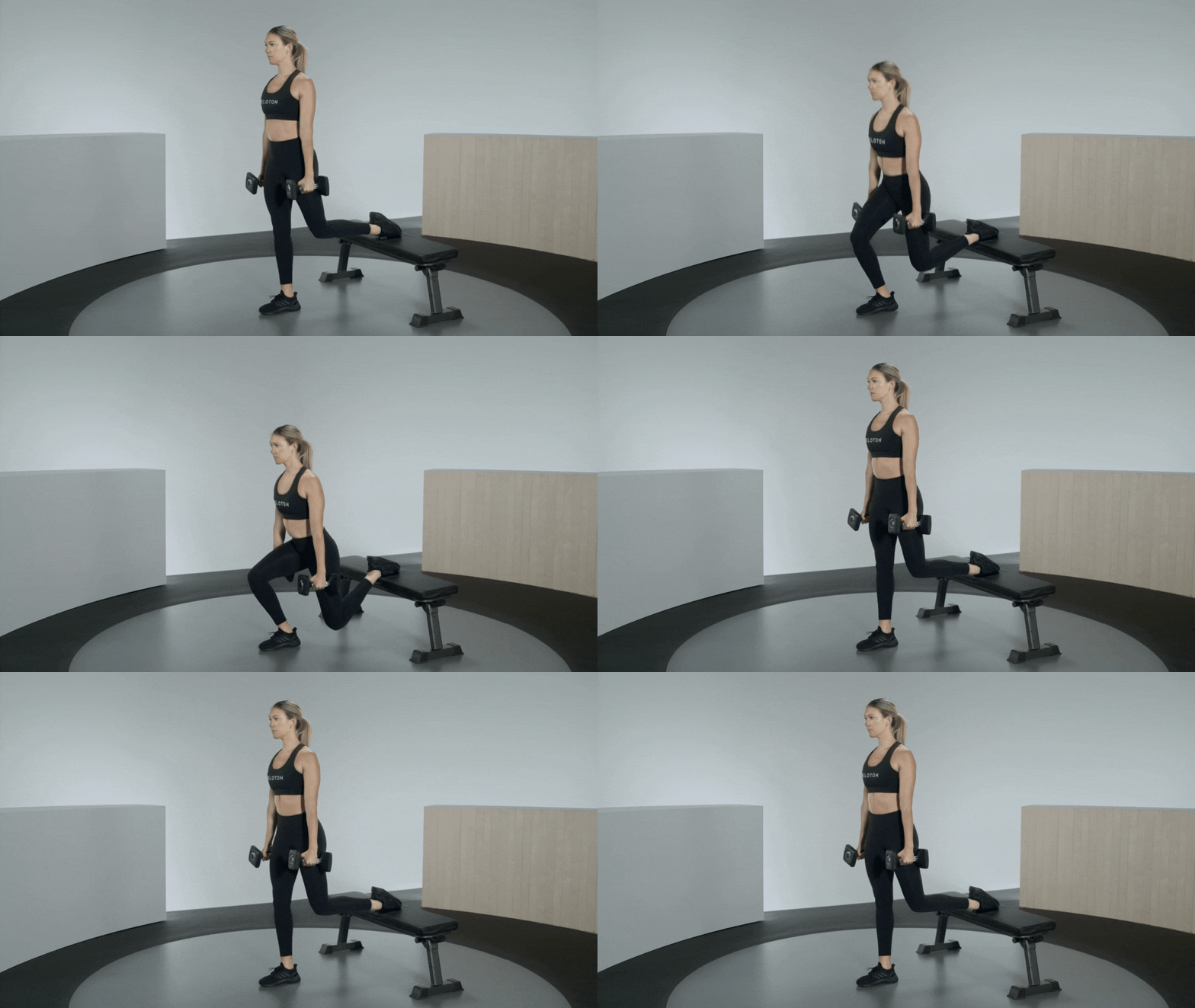
Credit: www.onepeloton.com
Tracking Progress
Strengthen your hamstrings at home with exercises like glute bridges, leg curls, and deadlifts. Track your progress by noting increased repetitions or resistance over time. Consistent practice helps build endurance and flexibility.
Tracking your progress is a crucial part of any fitness journey, including your hamstring workouts at home. It not only helps you stay motivated but also allows you to adjust your routine for better results. Knowing how to effectively track your progress can turn a simple workout into a powerful tool for self-improvement.Set Clear Goals
Before you begin tracking, define what success looks like for you. Do you want to increase strength, flexibility, or endurance? Perhaps you’re aiming to improve your form or perform a specific exercise without support. Clear goals will guide your tracking process and keep you focused.Use A Workout Journal
A workout journal can be your best friend. Write down each exercise, the number of sets, and repetitions you perform. Recording how you feel after each session can offer insights into your progress. Over time, you’ll see patterns and improvements that can inspire you to push further.Take Photos And Videos
Visual evidence of your progress is incredibly motivating. Regularly take photos or videos of your exercises. Comparing these over time can reveal improvements in form, muscle tone, and flexibility. It also helps in identifying any form issues that might need correction.Measure Your Flexibility
Track your flexibility by measuring how far you can stretch. Use a measuring tape or ruler to record the distance you can reach during stretches. This tangible evidence of increased flexibility can be a great morale booster.Assess Your Strength
Monitor your strength gains by noting the increase in reps or sets over time. As your hamstrings grow stronger, you should be able to perform more repetitions or hold positions longer. Celebrate these milestones as they come.Listen To Your Body
Progress isn’t just about numbers and measurements. Pay attention to how your body feels. Are your workouts becoming easier? Do you recover faster? These are signs of progress that are just as important as any chart or list.Adjust Your Routine
Use the data you’ve collected to refine your workout plan. If you’re not seeing the results you want, it might be time to tweak your routine. Maybe add more resistance or change your exercises. Your progress tracking will reveal what needs to change. Consistently tracking your progress transforms your workouts into a dynamic journey of self-discovery and improvement. Are you ready to take your hamstring workouts to the next level? The power is in your hands.Frequently Asked Questions
How Can I Strengthen My Hamstrings At Home?
You can strengthen your hamstrings at home with exercises like hamstring curls, deadlifts, and bridges. These require minimal equipment, such as resistance bands or dumbbells. Consistency is key for effective results. Aim for at least two to three sessions per week.
What Equipment Is Needed For Hamstring Workouts?
To work out your hamstrings at home, you’ll need resistance bands, dumbbells, or a stability ball. These tools help enhance the effectiveness of exercises like deadlifts and leg curls. However, bodyweight exercises like bridges are also effective without any equipment.
Are Bodyweight Exercises Enough For Hamstrings?
Yes, bodyweight exercises can effectively strengthen your hamstrings. Exercises like bridges, single-leg deadlifts, and Nordic curls are excellent choices. They target the hamstrings without requiring additional equipment. Consistent practice can lead to noticeable strength improvements over time.
How Often Should I Train My Hamstrings?
Training your hamstrings two to three times a week is recommended. This frequency allows for muscle recovery and growth. Incorporate various exercises to target different parts of the hamstrings. Consistency and progressive overload are key for optimal results.
Conclusion
Working out hamstrings at home is simple and effective. With dedication, results come quickly. Equipment isn’t always needed; your body weight works well. Focus on consistency and form for best outcomes. Listen to your body to prevent injuries. Try various exercises to keep routines interesting.
Stay motivated by tracking progress regularly. Even small improvements matter. Home workouts save time and fit into busy schedules. Fitness goals are within reach with commitment. Enjoy feeling stronger and more confident every day. Keep pushing forward, and embrace every step of the journey.
Your hamstrings will thank you!