Feeling stiff or experiencing back discomfort can be frustrating, especially when you want to feel agile and at ease throughout your day. Imagine gracefully bending, twisting, and moving without any limitations.
Improving your back flexibility through yoga not only enhances your physical health but also contributes to your overall well-being. You don’t have to be a yoga expert to achieve this. In fact, with a few simple and effective yoga poses, you can significantly enhance your back’s flexibility and strength.
Ready to discover how you can boost your back’s flexibility and feel the difference in your daily life? Dive into the following tips and techniques that will guide you step by step, ensuring you stay motivated and see real results. Your back will thank you, and you’ll wonder why you didn’t start sooner!
Benefits Of Back Flexibility
Improving back flexibility through yoga enhances posture and eases muscle tension. It promotes better movement and prevents injuries.
Improving back flexibility through yoga offers a variety of benefits that can positively impact your daily life. Flexibility in your back can enhance your physical health, promote mental well-being, and even improve your posture. You might be surprised at the profound changes that can occur with increased back flexibility.Enhanced Range Of Motion
A flexible back allows you to move more freely. Imagine reaching for something on a high shelf without feeling any discomfort. Enhanced range of motion means you can perform daily tasks with ease. Yoga poses like the cat-cow stretch can help achieve this flexibility.Reduced Risk Of Injury
Increasing back flexibility can help protect you from injuries. When your muscles are flexible, they can absorb stress better, reducing strain. This is especially beneficial if you engage in physical activities or sports. Think of it as giving your body a buffer against unexpected movements or falls.Improved Posture
With better back flexibility, your posture naturally improves. A strong and flexible back supports your spine, helping you stand taller and sit straighter. This can alleviate tension in your neck and shoulders, making you feel more comfortable throughout the day.Stress Relief And Relaxation
Yoga not only enhances physical flexibility but also aids in mental relaxation. Stretching your back can release tension built up from stress. After a long day, yoga poses like the child’s pose can provide a calming effect, helping you unwind and relax.Boosted Circulation
Back flexibility can enhance blood flow, providing more oxygen to your muscles and tissues. This improved circulation can boost your energy levels. Try incorporating gentle twists into your routine to stimulate circulation and feel more invigorated. Isn’t it fascinating how a few yoga poses can bring about such positive changes? Consider adding back flexibility exercises to your yoga practice and observe the benefits unfold in your life.
Credit: www.youtube.com
Essential Yoga Poses
Yoga is a powerful tool to enhance back flexibility. Practicing specific poses can gradually improve your range of motion and relieve tension. Incorporating these essential poses into your routine can lead to noticeable results.
Cat-cow Stretch
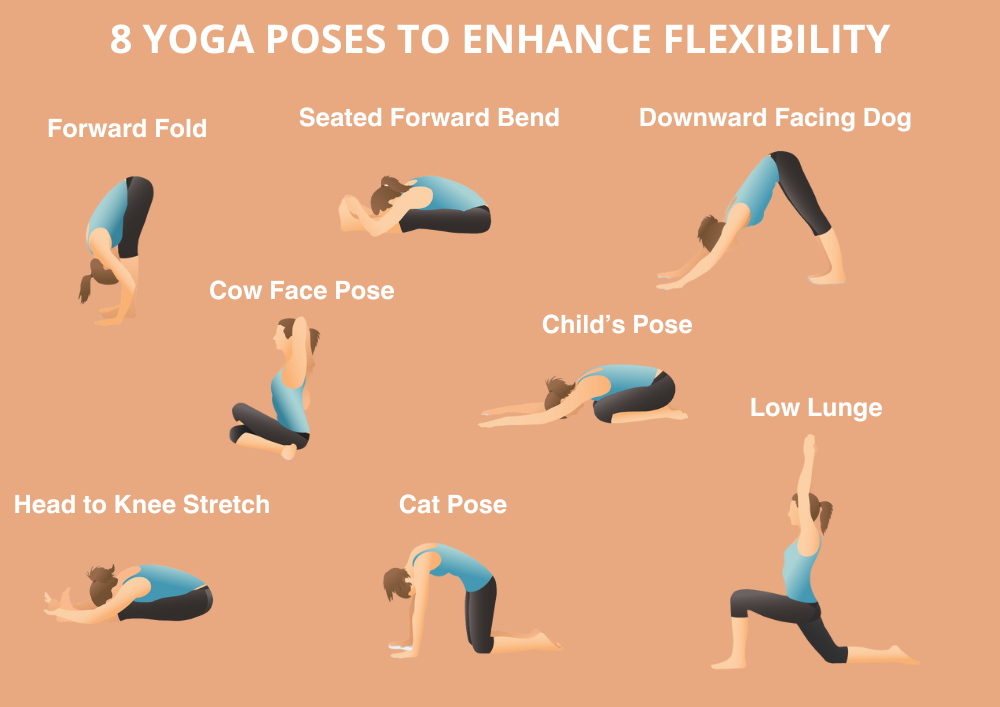
The Cat-Cow Stretch warms up the spine and encourages flexibility. Start on your hands and knees, aligning your wrists under your shoulders. As you inhale, arch your back, lifting your tailbone and head. This is the Cow pose. Exhale and round your back, tucking your chin to your chest for the Cat pose. Repeat this flow to release tension and increase mobility.
Downward Dog
Downward Dog stretches the entire back and hamstrings. Begin on your hands and knees. Tuck your toes and lift your hips towards the ceiling. Your body forms an inverted V-shape. Spread your fingers wide and press firmly into the ground. Hold this position to stretch your spine and strengthen your arms.
Cobra Pose
Cobra Pose opens the chest and strengthens the spine. Lie face down, placing your hands under your shoulders. As you inhale, gently lift your chest off the floor, keeping your elbows close to your body. Hold this pose, feeling the stretch along your back and abdomen. It helps improve posture and flexibility.
Bridge Pose
Bridge Pose is excellent for strengthening the back and glutes. Lie on your back, bending your knees and placing your feet flat on the floor. Arms rest beside you. As you exhale, lift your hips, creating a straight line from your knees to shoulders. Engage your core and hold the pose. This encourages spinal flexibility and relieves tension.
Child’s Pose
Child’s Pose offers gentle relief for the back. Kneel on the floor, touching your big toes together. Sit back on your heels and stretch your arms forward, resting your forehead on the mat. This pose relaxes the spine and promotes deep breathing. It’s perfect for ending your practice and calming the mind.
Warm-up Techniques
Improving back flexibility in yoga involves gentle warm-up techniques. Start with cat-cow stretches to ease tension. Incorporate spinal twists and bridge poses to enhance mobility.
Improving back flexibility through yoga begins with a proper warm-up. A well-rounded warm-up not only prepares your body but also tunes your mind to focus on your yoga practice. The right techniques can prevent injuries and enhance your overall experience. Here’s how you can start your journey toward a more flexible back.Breathing Exercises
Begin with deep breathing exercises to center your mind and body. Inhale deeply through your nose, filling your lungs completely, then exhale slowly. This practice calms your nervous system and increases oxygen flow to your muscles. Consider practicing alternate nostril breathing. It balances your body and mind and is especially beneficial before starting yoga. Spend a few minutes focusing solely on your breath.Gentle Twists
Gentle twists help loosen your spine and warm up your back muscles. Sit comfortably, place one hand behind you, and gently twist your torso. Hold for a few breaths, then switch sides. Twists not only improve flexibility but also aid digestion. They’re a great way to ease into more intense stretches and poses.Neck And Shoulder Rolls
Neck and shoulder rolls release tension that often accumulates in these areas. Slowly roll your shoulders forward and backward, then gently tilt your head from side to side. These movements increase mobility and prepare you for deeper stretches. If you work at a desk, these are perfect to incorporate into your daily routine. Each of these techniques serves as a building block to a more flexible back. Are you ready to feel the difference in your practice?Incorporating Props
Props can enhance yoga poses by providing support and stability. Using blocks or straps helps deepen stretches safely. These tools assist in achieving better back flexibility, making yoga practice more effective and enjoyable.
Incorporating props into your yoga routine can greatly enhance flexibility. Props provide support and help achieve deeper stretches safely. They are useful for beginners and experienced yogis alike. Using props like blocks, straps, and bolsters can refine your practice. They assist in maintaining proper alignment and prevent injury. Props make challenging poses more accessible, encouraging gradual improvement.Using Yoga Blocks
Yoga blocks are versatile tools in back flexibility exercises. They help maintain balance in difficult poses. Blocks support your hands, back, and even head. This aids in achieving correct posture. They can be placed under your hands or feet. This reduces strain and enhances reach. Blocks offer stability, making poses more comfortable.Benefits Of Straps
Yoga straps extend reach without overexertion. They are essential for improving back flexibility. Straps help in binding poses, offering gentle tension. They allow deeper stretches by connecting hands or feet. This prevents muscle strain. Straps support gradual progression in flexibility. They are adjustable to suit different needs.Bolsters For Support
Bolsters provide comfort in restorative yoga poses. They are ideal for back support. Bolsters help release tension in the spine. They elevate the body, aiding relaxation in poses. This encourages deeper breathing and openness in the chest. Bolsters are useful for long-held stretches. They promote relaxation and flexibility.Daily Stretching Routine
Incorporating a daily stretching routine can enhance back flexibility through yoga. Regular practice can ease tension and improve posture. Here are some essential stretches to include in your day.
Morning Stretches
Start your day with gentle morning stretches. They awaken your body and prepare it for the day ahead. Here are some simple stretches:
- Cat-Cow Stretch:Begin on your hands and knees. Alternate arching your back upwards and then downwards. This warms up the spine.
- Downward Dog:From a plank position, lift your hips towards the ceiling. Keep your arms and legs straight for a full-body stretch.
- Child’s Pose:Sit back on your heels with arms extended forward. This pose gently stretches the lower back.
Evening Relaxation Poses
End your day with calming evening poses. They help relieve stress and promote relaxation. Consider these poses:
- Seated Forward Bend:Sit with legs extended and gently reach for your toes. This stretches the spine and hamstrings.
- Supine Spinal Twist:Lie on your back and twist your legs to one side. Keep your shoulders flat on the ground for a deep spinal stretch.
- Legs-Up-The-Wall:Lie on your back and extend your legs up against a wall. This pose relaxes the lower back and aids circulation.
Listening To Your Body
Improving back flexibility through yoga is not just about pushing your limits; it’s about understanding and respecting your body’s unique needs. Listening to your body is crucial to achieving balance, preventing injury, and fostering true progress. Each twist and bend should be a conversation between your mind and muscles. How can you tune in to what your body is telling you?
Recognizing Limits
Do you ever notice a twinge when you stretch too far? That’s your body’s way of signaling that you’ve reached your limit. Recognizing these signs is essential for safe practice. Take note of any discomfort or pain during poses and adjust accordingly.
Remember, yoga is not a race. Progress may be slow, but it’s vital to respect your current abilities. Listen to your body, and let go of the urge to compare yourself to others.
Avoiding Overstretching
Overstretching can lead to injuries, hindering your progress. How can you prevent this? Start with gentle stretches and gradually build intensity. Pay attention to what feels right for your body.
Consider using props such as blocks or straps to support your poses. These tools can help you maintain proper alignment and prevent overstretching.
When practicing back flexibility yoga, pause frequently to assess your comfort level. Are you pushing too hard? Scale back if necessary to ensure a safe and effective practice.
Progress Tracking
Enhance back flexibility through yoga by setting clear goals and tracking progress. Regular practice increases mobility and strength over time. Monitoring achievements motivates and reveals areas needing improvement.
Tracking your progress in yoga, especially when improving back flexibility, is essential to stay motivated and see tangible results. It’s not just about reaching the end goal but understanding the journey and what works best for you. Maintaining a record of your progress can provide valuable insights into your practice.Using A Yoga Journal
A yoga journal is a simple yet effective tool to track your progress. Document the poses you practice, the duration, and any physical sensations you experience. This can help you identify patterns and adjust your practice accordingly. Writing in your journal regularly allows you to see how far you’ve come. It can be as detailed or as brief as you like, but consistency is key. Looking back at older entries can be a great motivator when progress seems slow.Setting Flexible Goals
Setting flexible goals is crucial when working on back flexibility. Rather than rigid targets, focus on achievable milestones that encourage steady progress. For example, aim to touch your toes by the end of the month or hold a backbend for a few seconds longer. Flexible goals allow you to adapt to your body’s needs and avoid injury. Remember, your yoga journey is personal, and everyone progresses at their own pace. Celebrate small victories to keep your motivation high and your practice enjoyable.
Credit: www.instagram.com
Common Mistakes
Ignoring body alignment can hinder progress. Overstretching leads to injuries. Neglecting warm-ups reduces flexibility gains. Use mindful breathing for better stretches.
Improving back flexibility through yoga can be a transformative journey, but it’s easy to make mistakes along the way. These missteps can not only hinder your progress but may also lead to injury. Understanding and avoiding these common errors can help you make the most out of your yoga practice.Ignoring Pain Signals
One of the biggest mistakes is dismissing pain as a sign of progress. Pain is your body’s way of telling you something is not right. While a gentle stretch might be uncomfortable, sharp or intense pain should never be ignored. Pushing through pain can lead to serious injuries that sideline your practice. Ask yourself: is this discomfort a sign of a deeper issue? If you’re ever in doubt, ease out of the pose and reassess. Listening to your body is crucial for long-term flexibility gains.Forgetting To Breathe
Breath is the backbone of yoga, yet many overlook its importance during practice. Holding your breath can create tension, making it harder to stretch effectively. Deep, consistent breathing aids in relaxing your muscles, allowing for a better stretch. Next time you practice, focus on your breath: is it deep and steady? Remember, your breath should guide your movements, not the other way around. Integrating mindful breathing can transform your flexibility routine into a more fulfilling experience.
Credit: www.daniwinksflexibility.com
Frequently Asked Questions
How Often Should You Practice Yoga For Flexibility?
Practicing yoga three to five times a week can enhance flexibility. Consistency is key for noticeable improvements. Pair yoga with proper hydration and nutrition for optimal results. Listen to your body and gradually increase intensity to avoid injury.
What Yoga Poses Improve Back Flexibility?
Yoga poses like Cat-Cow, Cobra, and Child’s Pose enhance back flexibility. These poses gently stretch and strengthen the spine. Regular practice helps alleviate back tension and improves posture. Start with these basics before progressing to more advanced poses.
Can Beginners Improve Back Flexibility With Yoga?
Yes, beginners can improve back flexibility with yoga by starting slow. Focus on basic poses and gradually increase intensity. Consistency is crucial for progress. Yoga also helps in building strength and relieving tension in the back.
How Long Does It Take To See Results?
Results vary, but noticeable improvements can occur in weeks with regular practice. Daily stretching accelerates progress. Each person’s flexibility journey is unique. Consistency, patience, and proper technique are essential for success.
Conclusion
Yoga helps improve back flexibility. Regular practice leads to better posture. Breathing deeply enhances stretching benefits. Focus on gentle movements. Avoid pushing too hard. Listen to your body. Start with simple poses. Increase difficulty gradually. Flexibility grows over time. Patience is key.
Consistency brings results. Enjoy the journey. Feel the progress. Share your experiences with friends. Encourage others to join. Yoga offers physical and mental benefits. Relaxation, strength, and flexibility come together. Keep practicing. Feel balanced and stronger. Appreciate small victories. Your back deserves care and attention.
Celebrate your progress and keep moving forward.