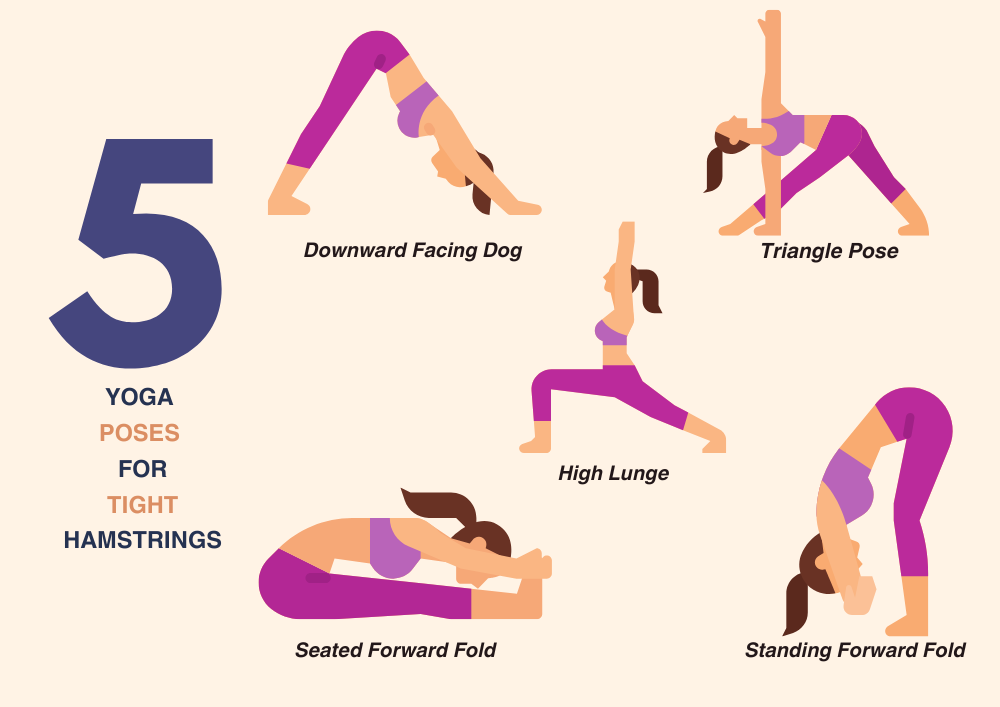
Are you tired of feeling tight and restricted in your hamstrings? Imagine moving freely, experiencing less discomfort, and enhancing your overall physical performance.
The secret? Improving your hamstring flexibility through yoga. Whether you’re an athlete, a yoga enthusiast, or someone simply looking to improve your range of motion, this guide is tailored just for you. Discover how specific yoga poses can transform your flexibility, reduce the risk of injury, and elevate your daily activities.
Keep reading to unlock the techniques that will help you achieve the fluidity and ease you’ve always wanted.
Benefits Of Flexible Hamstrings
Flexible hamstrings offer many advantages for your body and mind. They improve your overall mobility and reduce the risk of injury. When your hamstrings are flexible, everyday movements become easier. Activities like walking, running, and bending are less stressful on your body. This flexibility also enhances athletic performance. It provides better posture and balance.
Flexible hamstrings help in relieving lower back pain. This is because tight hamstrings can strain the lower back. By improving flexibility, you lessen this strain. It leads to a more comfortable and pain-free life. Flexible hamstrings also promote better circulation. This is essential for muscle recovery and overall health.
Improved Athletic Performance
Flexible hamstrings enhance your performance in sports. They allow for a greater range of motion. This helps in running faster and jumping higher. Athletes with flexible hamstrings are less prone to injuries. This means more time playing and less time recovering.
Enhanced Posture
Good posture depends on balanced muscles. Flexible hamstrings contribute to this balance. They help keep your spine aligned and upright. Poor posture can lead to pain and discomfort. Flexible hamstrings support a healthy and strong posture.
Reduced Back Pain
Tight hamstrings can cause lower back pain. They pull on the pelvis and strain the back. Stretching the hamstrings relieves this tension. It reduces the risk of chronic back pain. A pain-free back improves your quality of life.
Better Circulation
Flexible muscles allow better blood flow. This is crucial for muscle recovery and health. Good circulation means nutrients reach your muscles efficiently. It keeps them strong and healthy. Improved circulation also aids in quicker recovery after exercise.
Increased Daily Comfort
Everyday tasks become easier with flexible hamstrings. Bending, lifting, and sitting are more comfortable. You move with ease and confidence. Flexibility reduces muscle strain during daily activities. It enhances your overall well-being.

Credit: www.youtube.com
Common Causes Of Tight Hamstrings
Regular yoga practice can help relieve tight hamstrings caused by prolonged sitting or lack of stretching. Incorporating poses like downward dog and seated forward bend enhances flexibility and reduces muscle tension.
Understanding the common causes of tight hamstrings is crucial for improving flexibility. Tight hamstrings can lead to discomfort and limited movement. Knowing the reasons can help address the issue effectively. Below, we explore some typical causes of hamstring tightness.Insufficient Stretching
Muscles need regular stretching to maintain flexibility. Skipping stretching exercises can lead to tightness in the hamstrings.Sedentary Lifestyle
Sitting for long periods can cause muscles to shorten. This often results in tight hamstrings and reduced mobility.Overuse From Exercise
Excessive exercise without proper recovery can strain the hamstrings. This leads to muscle tightness and potential injury.Weak Core Muscles
Weak core muscles can affect posture. Poor posture strains the hamstrings, causing them to tighten.Improper Form During Workouts
Incorrect posture during workouts can stress the hamstrings. This stress can lead to tightness and discomfort.Age-related Changes
As we age, muscles naturally lose flexibility. This can contribute to tightness in the hamstrings over time.Essential Yoga Poses
Improving hamstring flexibility through yoga involves practicing specific poses. Downward Dog stretches and elongates hamstrings effectively. Forward bends help increase flexibility and reduce tension. Regular practice enhances muscle elasticity and reduces tightness.
Improving hamstring flexibility through yoga can enhance overall mobility. Essential yoga poses target the hamstrings, promoting flexibility and strength. Consistent practice can lead to noticeable improvements. Below, explore key yoga poses to enhance hamstring flexibility.Forward Bend Variations
Forward bends stretch the hamstrings deeply. Begin with the Standing Forward Bend. Stand with feet hip-width apart. Slowly bend forward, reaching for the toes. Another option is the Wide-Legged Forward Bend. Spread your legs wide and bend forward, keeping your back straight. These poses should be performed gently, avoiding any strain.Seated Stretch Techniques
Seated stretches offer a different angle for flexibility. Start with the Seated Forward Bend. Sit with legs extended straight. Reach forward, aiming to touch your toes. Try the Head-to-Knee Forward Bend for a deeper stretch. Bend one knee, keeping the other leg straight, and reach forward. Use a strap if needed for support.Dynamic Flow Practices
Dynamic flows combine movement with stretching. Sun Salutations are effective. They involve a series of poses, each stretching the hamstrings. Incorporate the Downward Dog into your routine. It stretches the back of the legs dynamically. Repeat flows multiple times to build flexibility and strength over time.Incorporating Breathwork
Enhance hamstring flexibility in yoga by integrating breathwork techniques. Focused breathing helps relax muscles and improve stretch depth. Practicing mindful inhalation and exhalation during poses increases flexibility and body awareness.
Incorporating breathwork in yoga enhances hamstring flexibility effectively. Conscious breathing helps relax muscles and improve overall posture. It creates a deeper connection between the mind and body during stretches. This connection allows for more controlled movements, making each stretch safer and more effective. Breathwork also helps manage stress, which can contribute to muscle tension. By focusing on your breath, you can enjoy a more peaceful and rewarding yoga session.Deep Breathing Techniques
Deep breathing is vital for hamstring flexibility. Start by sitting comfortably. Inhale deeply through your nose, filling your lungs completely. Hold the breath for a moment, then exhale slowly through your mouth. Repeat this cycle, focusing on the rhythm of your breath. This technique increases oxygen flow, relaxing the hamstrings and aiding flexibility. Practice deep breathing daily for improved results.Mindful Breathing Integration
Integrate mindful breathing with your yoga poses. Begin by taking a gentle stretch. As you hold the pose, focus on your breathing. Inhale slowly, feeling your lungs expand. Exhale softly, releasing tension from your muscles. Allow your breath to guide each movement. This integration encourages deeper stretches and promotes relaxation. Mindful breathing makes your practice more balanced and enjoyable.Effective Warm-up Routines
Improve hamstring flexibility through yoga with gentle stretches and mindful breathing. Focus on poses like Downward Dog and Forward Bend. Consistent practice enhances flexibility, prevents injury, and promotes overall well-being.
Improving hamstring flexibility through yoga can feel like a journey, but starting with effective warm-up routines is crucial. Warming up not only prepares your muscles but also prevents injuries. It creates a foundation for deeper stretches and better flexibility.Gentle Movements
Start with simple, gentle movements to awaken your hamstrings. Stand tall and gently sway from side to side, allowing your arms to hang loosely. This movement increases blood flow and loosens any tight areas. Try gentle forward folds by hinging at your hips and letting your arms reach toward the ground. Keep your knees slightly bent to avoid straining your hamstrings. Feel the stretch, but avoid pushing too hard. Incorporate ankle circles and knee lifts to further engage your lower body. These small movements warm up the surrounding muscles, preparing them for more intense stretches.Pulse And Flow Sequences
Introduce pulse and flow sequences to your warm-up. Begin with a sequence of gentle lunges, pulsing lightly to enhance flexibility. This not only stretches the hamstrings but also engages your hip flexors. Flow through a series of sun salutations, focusing on the fluidity of movement. This sequence warms your entire body, promoting flexibility in your hamstrings as well as other muscle groups. Consider adding a dynamic warrior pose sequence. Transition smoothly between Warrior I and Warrior II, feeling the stretch in your hamstrings with each movement. This creates a balance between strength and flexibility. Have you noticed how a well-executed warm-up changes the outcome of your practice? Engaging in these routines can significantly improve your flexibility and overall yoga experience. How will you incorporate these into your next session?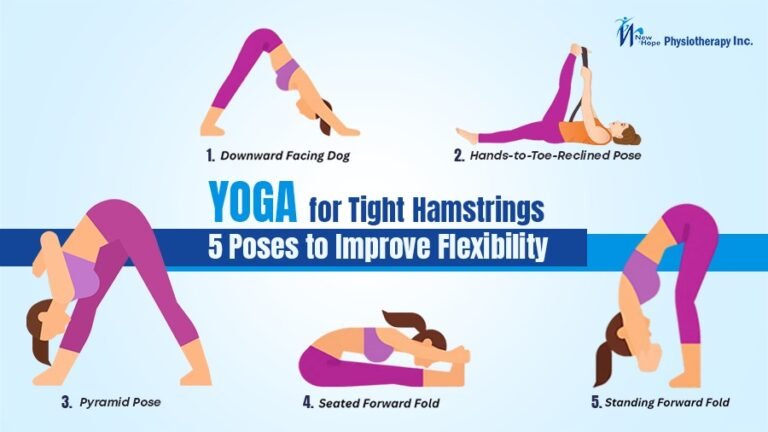
Credit: www.newhopephysio.com
Importance Of Consistency
Consistency is key to improving hamstring flexibility through yoga. Regular practice helps the muscles adapt and stretch over time. Without consistency, progress can be slow or stagnant. Establishing a routine ensures muscles remain engaged and responsive. This leads to better flexibility and reduced stiffness.
Daily Practice Guidelines
Start with gentle poses like Downward Dog or Forward Bend. Hold each pose for at least 30 seconds. Focus on breathing deeply to relax the muscles. Aim for a 10-minute session every day. Gradually increase the duration as you feel more comfortable. Consistent practice builds confidence and flexibility over time.
Tracking Progress Tips
Keep a yoga journal to note your daily practice. Record which poses you did and for how long. Take note of any improvements in flexibility or comfort. Use photos to track visual progress over weeks. Celebrate small victories to stay motivated. Regularly review your journal to see how far you’ve come.
Avoiding Common Mistakes
Improving hamstring flexibility through yoga requires avoiding common mistakes like pushing too hard. Gentle stretches work best. Consistent practice and listening to your body help in gaining flexibility safely.
Avoiding common mistakes in yoga can enhance your hamstring flexibility. Many people unknowingly make errors that hinder progress. Addressing these mistakes ensures a safer and more effective practice. Awareness helps you maximize your yoga sessions, ensuring each stretch benefits your hamstrings.Overstretching Risks
Overstretching can lead to injuries. Your muscles need gradual stretching to adapt. Pushing too far can cause tears or strains. Always warm up before deep stretches. Use gentle movements to increase flexibility over time.Ignoring Pain Signals
Pain is the body’s warning system. Ignoring it can worsen injuries. Differentiate between discomfort and real pain. If a stretch hurts, stop immediately. Listen to your body and adjust positions as needed.Additional Tools And Props
Improving hamstring flexibility through yoga can be enhanced with the right tools and props. These aids help you achieve deeper stretches and maintain proper alignment. They also support your body, making difficult poses more accessible. Let’s explore some useful props you can incorporate into your practice.
Using Yoga Blocks
Yoga blocks provide stability and support in various poses. They are especially helpful in standing poses, like the forward bend. Place a block under each hand to reduce strain on your hamstrings. This allows you to focus on lengthening your spine. Blocks can also support seated forward folds. Sit on a block to elevate your hips, facilitating a deeper stretch. Choose blocks of different heights to suit your flexibility level.
Incorporating Straps
Yoga straps are excellent for increasing flexibility. They extend your reach, making stretches more effective. Use a strap in poses like the seated forward bend. Loop the strap around your feet and gently pull. This helps you maintain a straight back while deepening the stretch. Straps can also assist in poses like the reclined leg stretch. Loop a strap around your foot and extend your leg upward. This provides a controlled stretch, improving hamstring flexibility.

Credit: www.youtube.com
Frequently Asked Questions
What Are The Best Yoga Poses For Hamstrings?
Yoga poses like Downward Dog, Forward Fold, and Triangle can effectively stretch hamstrings. Regular practice improves flexibility, reduces tension, and enhances muscle strength. Incorporating these poses into your routine can lead to better posture and reduced injury risk, contributing to overall wellness.
How Often Should I Practice Yoga For Flexibility?
Practicing yoga three to five times a week enhances flexibility. Consistency is key for noticeable improvements. Each session should include hamstring-focused stretches. Gradually increase intensity to prevent injury. Regular practice supports muscle adaptation and flexibility gains over time.
Can Yoga Help With Tight Hamstrings?
Yes, yoga is effective for tight hamstrings. It promotes muscle relaxation and elongation. Poses like the Forward Fold target hamstring tightness. Consistent practice reduces stiffness, enhances flexibility, and prevents injury. Yoga also improves overall muscular balance and posture.
How Long To See Flexibility Improvements?
Flexibility improvements can be seen in weeks. Consistent practice is essential. Start with gentle stretches and gradually increase intensity. Everyone’s body adapts differently, but regular yoga leads to noticeable changes. Patience and persistence are crucial for achieving desired flexibility goals.
Conclusion
Regular practice boosts hamstring flexibility through yoga. Simple poses help stretch muscles effectively. Consistency remains key for progress. Breathing deeply aids in relaxation during stretches. Listen to your body’s limits to prevent injury. Gradual improvement is better than rushing. Enjoy the journey of flexibility gains.
Use yoga to enhance overall well-being. Yoga strengthens both body and mind. Incorporate these techniques into daily routine. Experience increased flexibility over time. Feel improvements in daily activities. Keep motivated and focused. Yoga is accessible for all. Start today for a healthier tomorrow.