
Are you curious if hopping on your bike can do more than just boost your cardio health? You’re not alone!
The question “Will biking build muscle? ” Is on the minds of many who are looking to maximize their fitness routines. Imagine pedaling your way to not just toned legs, but also a stronger core and improved overall muscle definition.
Intrigued? You should be! Biking isn’t just child’s play or a casual weekend activity; it’s a powerful workout that can reshape your body in ways you might not expect. So, if you’re eager to discover how cycling can transform your muscles, keep reading. This insight could revolutionize the way you view your next ride.
Biking And Muscle Growth
Biking is a great way to build muscles in the legs and lower body. Pedaling strengthens the calves, quads, and hamstrings. Regular biking also improves muscle endurance and tone.
Biking is not only an excellent cardiovascular workout but also a powerful tool for muscle growth. Have you ever wondered how those cyclists you see on the road develop such strong legs? It’s not just about endurance; it’s about muscle engagement and consistent effort. Let’s explore how biking contributes to muscle growth, and how you can use it to your advantage.Engaging Different Muscle Groups
When you pedal a bike, you engage a variety of muscles. Your quadriceps and hamstrings do the heavy lifting as you push and pull the pedals. Meanwhile, your calves and glutes provide support and stability. This multi-muscle engagement not only builds strength but also enhances muscle definition.Intensity And Resistance
The key to muscle growth is challenging your muscles. With biking, you can increase resistance by adjusting gears or tackling uphill terrains. This added resistance forces your muscles to work harder, promoting growth. Next time you’re biking, try standing up while pedaling on a hill—it’s a game changer!Consistency Over Time
Muscle growth requires consistency. Regular biking sessions ensure that your muscles are frequently activated and challenged. You might not see immediate results, but with time, your persistence will pay off. Just remember, even a short, intense ride can contribute significantly to muscle development.Supplementary Exercises
While biking is effective, complementing it with other exercises can accelerate muscle growth. Consider adding squats or lunges to your routine. These exercises target the same muscle groups and can help you break through plateaus, enhancing your overall biking performance.Nutrition And Recovery
Fueling your body properly is crucial for muscle growth. Ensure your diet includes enough protein to repair and build muscle tissue. After biking, focus on recovery with stretching and hydration. Taking care of your body post-ride is just as important as the ride itself. Incorporating biking into your fitness routine can be a fun and effective way to build muscle. Have you tried integrating these strategies into your rides? If not, give it a shot and see how your muscles respond!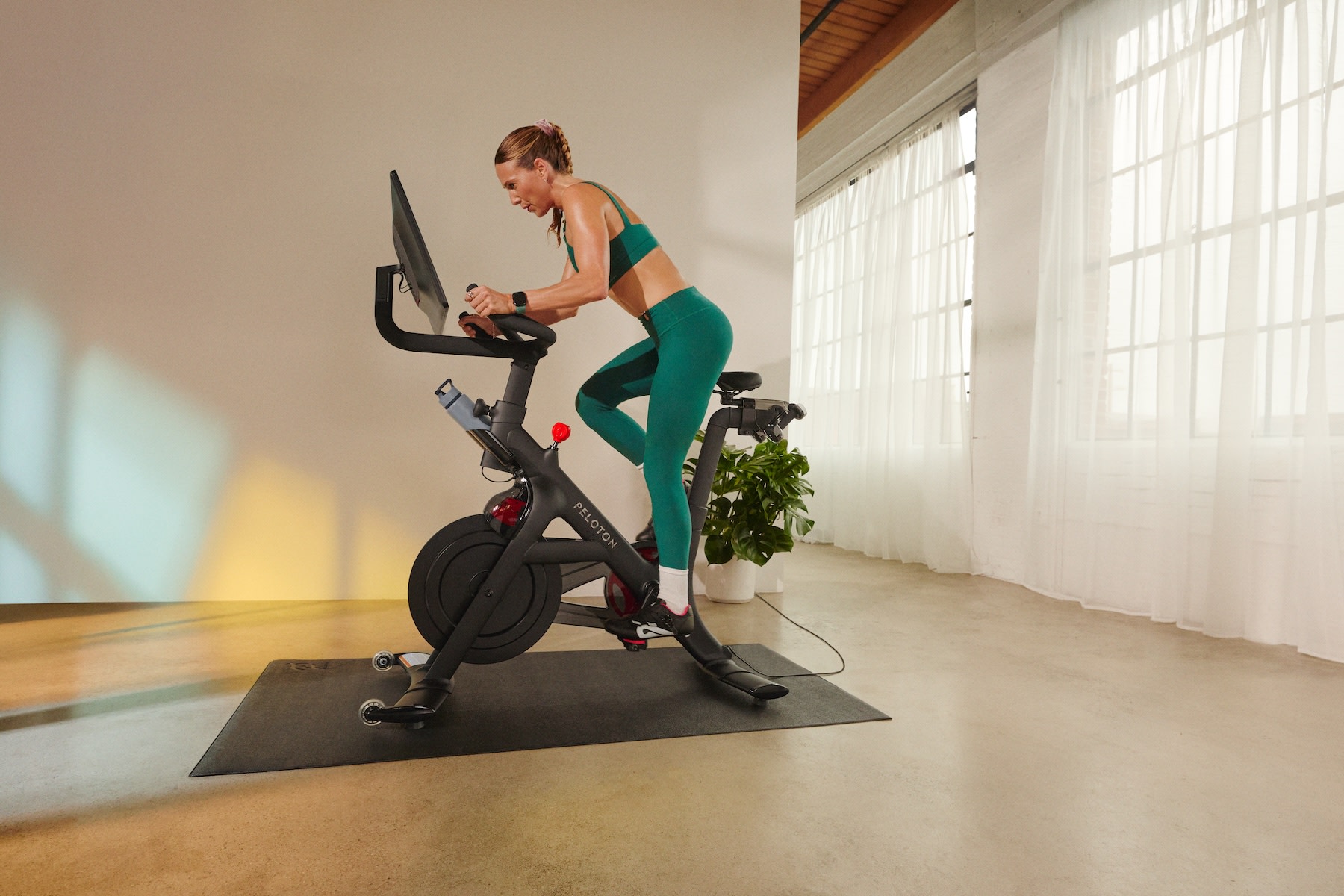
Credit: www.onepeloton.com
Muscles Engaged While Biking
Biking is not just a cardio activity. It engages multiple muscles, giving you a full-body workout. Understanding which muscles are involved can help you optimize your biking routine for muscle building.
Lower Body Muscles
Your lower body does most of the work while biking. The quadriceps, hamstrings, and calves are continuously engaged. Pedaling strengthens these muscles over time, enhancing endurance and power. Uphill cycling intensifies the workout for your thighs and glutes. This helps in building stronger legs and improving muscle tone.
Core Engagement
Biking isn’t just about leg strength. Your core plays a crucial role in balancing and stability. As you ride, your abdominal muscles contract to maintain posture. This continuous engagement strengthens your core, providing better support to your spine. A strong core enhances overall biking performance and reduces fatigue.
Upper Body Involvement
Though less emphasized, the upper body is involved too. Holding the handlebars engages your arms and shoulders. This action helps in steering and stability. Over time, it contributes to muscle endurance in your upper body. Additionally, the back muscles support your posture, aiding in a more efficient ride.
Comparing Biking To Other Exercises
When choosing exercises to build muscle, it’s important to compare options. Biking is a popular choice. How does it measure against other forms of exercise? Let’s explore the benefits and limitations of biking compared to weightlifting, running, and swimming.
Biking Vs. Weightlifting
Biking is a low-impact exercise. It strengthens lower body muscles. Quads, hamstrings, and calves benefit most. Weightlifting, on the other hand, targets specific muscles. It builds both upper and lower body strength. Weightlifting offers greater muscle isolation. It allows for focused growth. Biking provides cardiovascular benefits. It also enhances endurance. Weightlifting excels in muscle building.
Biking Vs. Running
Biking and running both improve cardiovascular health. Running is more intense. It burns more calories in less time. It also strengthens bones. Biking is gentler on joints. It’s ideal for those with joint concerns. Both exercises engage the legs. Running promotes overall body fitness. Biking focuses more on the lower body. Each has unique benefits.
Biking Vs. Swimming
Swimming is a full-body workout. It involves all major muscle groups. Water resistance aids muscle toning. Biking primarily targets the lower body. Swimming is also low-impact. It benefits those with joint issues. Biking is more accessible. It requires less skill to start. Both improve cardiovascular health. Each offers distinct muscle-building advantages.
Factors Influencing Muscle Gain
Building muscle through biking can depend on several factors. These factors play a key role in determining how much muscle you can gain. Understanding them can help you maximize your biking workouts.
Intensity And Duration
How hard and how long you bike impacts muscle growth. Short, intense rides can build muscle faster. They push your muscles to work harder in less time. Longer rides at a steady pace also help, but focus more on endurance. Finding a balance between intensity and duration is important. It ensures your muscles are challenged and have time to recover.
Terrain And Resistance
The type of terrain you bike on matters. Flat roads offer less resistance, which builds endurance. Hills and rough paths increase resistance, challenging your muscles more. Using gears to adjust resistance can mimic these conditions. This allows you to target specific muscle groups. Higher resistance strengthens muscles faster.
Diet And Nutrition
What you eat affects muscle gain. Protein is essential for muscle repair and growth. Consuming enough protein supports your workouts. Carbohydrates provide energy, fueling your rides. Balancing these nutrients is crucial for optimal results. Hydration also plays a role, keeping your muscles healthy and functional.
Biking Workouts For Muscle Building
Biking isn’t just for cardio lovers. It’s a powerful way to build muscle too. By incorporating specific biking workouts, you can target muscle groups effectively. These workouts push your body and stimulate muscle growth.
High-intensity Interval Training
High-Intensity Interval Training (HIIT) involves short, intense bursts of cycling. Follow these with rest or low-intensity pedaling. This method is excellent for building muscle. It challenges your body to adapt and grow stronger.
- Sprint hard for 30 seconds.
- Pedal slowly for 1 minute to recover.
- Repeat this cycle for 20 minutes.
Hill Climbing
Hill climbing is a natural resistance workout. It targets your legs and core. As you pedal uphill, your muscles work harder. This increases strength and size over time. Choose a hilly route for your biking session.
- Focus on maintaining a steady pace.
- Engage your core for better balance.
- Use your gears to manage resistance.
Long-distance Biking
Long-distance biking builds endurance and muscle. It requires sustained effort over a longer period. This type of workout helps tone muscles and improve stamina. Plan a route that challenges your endurance.
- Set a distance goal for each ride.
- Maintain a moderate pace throughout.
- Stay hydrated and take breaks as needed.
Common Myths About Biking And Muscle
Many people think biking is only for cardio. Myths about biking and muscle building often create confusion. Some believe biking doesn’t contribute to muscle growth. Let’s explore these common misconceptions.
Biking Only Tones Muscles
Some people say biking only tones muscles. They think it doesn’t build them. This isn’t completely true. Biking engages multiple muscle groups. It works the calves, thighs, and glutes. It also strengthens the core and arms. The resistance from pedaling helps muscles grow. Over time, muscles become stronger and more defined. Consistent biking can lead to noticeable muscle development.
Cyclists Can’t Build Significant Muscle
Another myth is that cyclists can’t build significant muscle. This belief underestimates the power of biking. Regular biking can lead to muscle hypertrophy. Even though cyclists might not look like bodybuilders, their leg muscles are powerful. Biking increases muscle endurance and strength. It also improves muscle tone and definition. Cyclists often have strong and well-defined muscles.
Benefits Of Muscle Growth Through Biking
Biking is more than just a fun way to explore the outdoors; it’s a powerful tool for building muscle. As you pedal, your body works hard to strengthen and tone muscles, especially in your legs and core. But the benefits of muscle growth through biking extend far beyond just aesthetics. Let’s dive into how enhanced muscle development can transform your fitness journey.
Improved Endurance
Building muscle through biking naturally boosts your endurance. As you strengthen your leg muscles, they become more efficient at utilizing oxygen and producing energy. This means you can ride longer distances without fatigue. Have you ever felt the thrill of conquering a hill you once thought impossible? That’s improved endurance in action. Each pedal stroke adds to your stamina, making every ride smoother and more enjoyable.
Enhanced Metabolism
Muscle growth from biking also ramps up your metabolism. More muscle means your body burns calories more effectively, even when you’re resting. It’s like having a mini furnace inside you, working round the clock. Imagine enjoying your favorite foods without guilt because your increased muscle mass is helping you burn off those calories faster. This metabolic boost is a key reason why biking is great for weight management.
Injury Prevention
Strong muscles act as a protective shield for your joints, reducing the risk of injury. When your muscles are robust, they’re better at absorbing shock and supporting your body’s movements. Think about a time when you stumbled but avoided a fall because your legs held you steady. That’s your muscle strength at work. By biking regularly, you fortify your body against potential injuries, keeping you active and healthy.

Credit: www.bicycling.com

Credit: www.bicycling.com
Frequently Asked Questions
Does Biking Help In Building Leg Muscles?
Biking primarily targets the muscles in your legs. It strengthens your quadriceps, hamstrings, and calves. Regular cycling can lead to increased muscle endurance and tone. While it may not bulk up your muscles significantly, it can help in building lean muscle mass over time.
Can Biking Replace Weightlifting For Muscle Gain?
Biking and weightlifting serve different purposes. Cycling enhances cardiovascular health and builds endurance. Weightlifting focuses on muscle hypertrophy and strength. Biking can complement a weightlifting routine but won’t replace it for significant muscle gain. Combining both can lead to balanced fitness and muscle development.
How Often Should I Bike To Build Muscle?
To build muscle through biking, aim for at least three sessions weekly. Each session should last about 45 minutes to an hour. Consistent cycling, combined with resistance training, can enhance muscle growth. Ensure your routine includes varying intensity levels to challenge different muscle groups effectively.
Is Biking Effective For Core Muscle Development?
Biking can engage your core muscles, aiding in their development. Maintaining balance and posture on a bike requires core strength. While cycling isn’t a core-focused exercise, it can complement core workouts. Incorporate exercises like planks for comprehensive core muscle strengthening.
Conclusion
Biking can indeed help build muscle. It targets leg muscles effectively. Regular rides strengthen the calves, thighs, and glutes. It’s also a great cardio workout. Consistency is key. Mix biking with strength training for best results. Balance both activities. Fuel your body with protein-rich foods.
Listen to your body. Rest when needed. Enjoy the ride. Feel the burn, but don’t overdo it. Safety first, always wear a helmet. Keep pushing your limits gently. Biking is not just exercise. It’s a fun journey towards fitness. Embrace the challenge and pedal on!