Are you ready to transform your workout routine with a simple tool that promises big results? If you’ve ever wondered whether kettlebells can help you build muscle, you’re not alone.
Many fitness enthusiasts are turning to these versatile weights for their strength-training needs. But do kettlebells really have what it takes to help you bulk up? We’ll dive into the science and strategy behind kettlebell training and its potential to sculpt your muscles.
Stick around to discover how this powerful tool could be the game-changer your fitness routine has been missing. Whether you’re a gym newbie or a seasoned pro, understanding how kettlebells can work for you might just be the key to unlocking your full strength potential.

Credit: www.instagram.com
Benefits Of Kettlebell Training
Kettlebell training is not just a fad; it’s a powerhouse workout with numerous benefits that can transform your fitness routine. From building muscle to improving endurance, kettlebells offer a dynamic approach to exercise that engages multiple aspects of physical health. Let’s delve into the specific benefits of kettlebell training that make it a worthy addition to your regimen.
Improved Core Stability
Kettlebells are excellent tools for enhancing core stability. Unlike traditional weights, the unique shape of a kettlebell requires you to engage your core muscles more intensely. This means every lift or swing is also a mini core workout. Imagine holding a plank but with the added challenge of maintaining balance while moving a heavy weight. You’ll be surprised at how quickly your balance and coordination improve. Next time you’re at the gym, try incorporating kettlebell swings or Turkish get-ups to feel your core working overtime.
Enhanced Flexibility And Mobility
If you’re tired of feeling stiff after workouts, kettlebells might be your answer. The fluid movements involved in kettlebell exercises naturally increase flexibility and mobility. Exercises like the windmill or the kettlebell halo stretch your muscles in ways traditional weights might not. By regularly incorporating kettlebells into your routine, you’ll notice a greater range of motion in your daily activities. Plus, improved mobility means fewer injuries and a more agile body. Have you ever thought about how flexibility impacts your overall fitness?
Increased Cardiovascular Fitness
Kettlebells aren’t just about muscle; they boost cardiovascular health too. High-intensity kettlebell workouts can elevate your heart rate quickly, turning strength sessions into cardio workouts. Consider the kettlebell snatch or clean and press, which combine strength and cardio in one powerful move. You’ll burn calories, improve heart health, and build endurance—all at the same time. So, if you’re looking for a workout that packs a punch, kettlebells might be the cardio alternative you’ve been searching for. How can you incorporate more heart-pumping exercises into your routine?
Muscle Groups Targeted By Kettlebells
Kettlebells effectively build muscle by engaging multiple groups. They focus on the core, legs, and arms. These exercises enhance strength through varied movements, targeting both large and small muscles efficiently.
Kettlebells are more than just a trendy workout accessory. They are powerful tools that can help you build muscle across various parts of your body. The unique design of kettlebells allows you to perform dynamic movements that target multiple muscle groups simultaneously. Whether you’re lifting for strength, power, or endurance, understanding which muscles you engage with kettlebell exercises can help you maximize your workout.Upper Body Strength
Kettlebells can significantly enhance your upper body strength. Exercises like the kettlebell press target your shoulders, triceps, and chest. As you lift, you’re not just working one muscle group, but engaging multiple areas, which is essential for balanced strength development. Have you ever noticed how kettlebell swings also activate your grip strength? Holding onto that handle challenges your forearms and wrists, giving you a full upper body workout.Lower Body Power
When it comes to building lower body power, kettlebells are incredibly effective. Moves like the goblet squat and kettlebell swings focus on your quads, hamstrings, and glutes. These exercises not only build muscle but also improve your explosive strength. Imagine the power you gain when you master the kettlebell swing — it’s like a mini rocket launch for your legs! Are your workouts including enough power moves for those legs?Core Muscle Activation
Your core is the foundation of many kettlebell exercises. The rotational movements involved require you to stabilize your core, enhancing your overall muscle control. Think about the Turkish get-up, a kettlebell classic, which demands core stability throughout the movement. This exercise alone can build a rock-solid midsection. Are you engaging your core enough during your workouts to maximize your results? Remember, kettlebells offer a versatile and effective way to target multiple muscle groups. By including them in your routine, you can build strength, power, and stability in a balanced way. What’s your favorite kettlebell exercise for muscle building?Effective Kettlebell Exercises
Do kettlebells really build muscle? Absolutely! Kettlebells are versatile tools that can enhance your muscle-building routine with dynamic exercises. These exercises engage multiple muscle groups, boost your heart rate, and improve your balance and coordination. If you’re looking to spice up your workout and see effective results, kettlebells might just be the answer you’ve been searching for. Let’s dive into some powerful kettlebell exercises that can help you build muscle efficiently.
Kettlebell Swings
Kettlebell swings are a staple in many workout routines and for good reason. They target your hips, glutes, and legs while also engaging your core and shoulders. With each swing, you’re building explosive power and strength. Start with a weight you can handle and focus on your form. As you get comfortable, increase the weight to challenge yourself further. It’s not just about lifting; it’s about swinging with control and precision.
Turkish Get-ups
Turkish get-ups are a full-body workout disguised as a single exercise. They improve mobility, stability, and strength. This complex movement starts with lying down and ends with standing up, all while holding a kettlebell overhead. It requires focus and coordination, and works your shoulders, core, and legs. If you want an exercise that challenges your mind and muscles, this one is for you. How smoothly can you transition between positions?
Goblet Squats
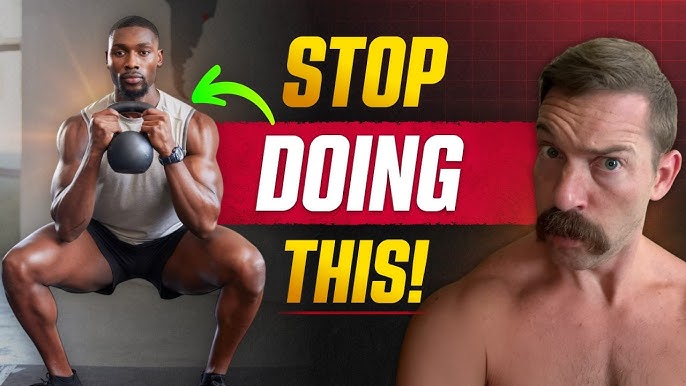
Goblet squats are a fantastic exercise for building lower body strength. Holding the kettlebell at your chest, you squat down, keeping your back straight and your core engaged. This position helps you maintain proper form and targets your quads, hamstrings, and glutes. It’s a simple yet effective way to build muscle. How deep can you go while maintaining perfect form?

Credit: www.endomondo.com
Combining Kettlebells With Other Workouts
Kettlebells can boost muscle growth when combined with other workouts. They add resistance and variety to your routine. This combination targets different muscle groups, enhancing strength and endurance effectively.
Combining kettlebells with other workouts can elevate your fitness routine to new heights. By integrating kettlebells with weight training, cardio, and bodyweight exercises, you can create a balanced and dynamic workout plan. Each element complements the other, ensuring you build muscle, improve cardiovascular health, and enhance overall body strength. Let’s dive into how you can mix these elements effectively.Integrating With Weight Training
Pairing kettlebells with traditional weight training exercises can lead to impressive muscle gains. You could start with kettlebell swings to activate your muscles and then transition into bench presses or squats. This combination not only targets different muscle groups but also adds variety to your routine, preventing workout monotony. Your workouts become more engaging and effective when you challenge your muscles from multiple angles. Imagine finishing a kettlebell set and then tackling deadlifts; it’s a powerful way to push your limits.Adding Cardio To The Mix
Infusing cardio with kettlebell exercises boosts endurance and burns calories rapidly. You could alternate between kettlebell snatches and short sprint intervals. This method keeps your heart rate elevated and enhances your cardiovascular health. Think about how invigorating it feels to switch from a kettlebell routine to a quick jumping jack session. It’s an excellent strategy for those seeking a high-intensity workout that combines strength and stamina.Balancing With Bodyweight Exercises
Combining kettlebells with bodyweight exercises provides a comprehensive workout that enhances muscle tone and flexibility. You might do a series of kettlebell lunges followed by push-ups or planks. This balance ensures you work on stabilizing muscles while building strength. Bodyweight exercises complement kettlebells by targeting core muscles. Picture yourself completing a kettlebell session and immediately engaging in a set of burpees; it challenges your body and keeps your workouts fresh. Are you ready to make kettlebells a part of your comprehensive fitness strategy? Consider adding these combinations to your workout routine and feel the difference.Tips For Successful Kettlebell Training
Kettlebell training can be incredibly effective for building muscle, enhancing strength, and improving overall fitness. However, success doesn’t come from merely picking up a kettlebell and swinging it around. To truly benefit from kettlebell workouts, it’s crucial to follow certain principles that guide your training process. These tips will help you maximize your efforts and see the results you’re aiming for.
Choosing The Right Weight
Picking the correct kettlebell weight is the cornerstone of effective training. If it’s too light, you won’t challenge your muscles enough to promote growth. Too heavy, and you risk injury and improper form. A good rule of thumb is to start with a weight that allows you to perform the exercise with proper form, but still feels challenging by the last few repetitions.
- Beginners might start with a 12kg kettlebell.
- Intermediate users may find 16kg suitable.
- Advanced lifters can opt for 20kg or more.
Consider your current fitness level, and don’t hesitate to adjust as you grow stronger.
Maintaining Proper Form
Proper form is crucial not just for safety, but also for muscle engagement. Every swing, press, and squat should be executed with precision. Keep your back straight, engage your core, and ensure your movements are controlled. You might notice that your muscles feel more engaged when you focus on form.
Watch instructional videos or work with a trainer to nail down the correct technique. Never rush through your sets; form beats speed every time.
Progressing Gradually
Muscle building is a marathon, not a sprint. Gradual progression prevents plateaus and reduces injury risk. Increase weight or reps incrementally. You might find that adding a single kilogram or two makes a big difference in your workout intensity.
Ask yourself: Are you ready for more? If you finish your sets without breaking a sweat, it might be time to up the ante. Remember, steady progress leads to sustainable results.

Credit: www.youtube.com
Common Mistakes To Avoid
Choosing the wrong weight can hinder muscle growth with kettlebells. Focusing only on isolation exercises limits overall strength development.
Building muscle with kettlebells is highly effective, but it’s easy to make mistakes that can hinder your progress. Understanding and avoiding these common pitfalls will help you maximize your workouts and achieve your fitness goals. Let’s delve into some critical missteps that can sabotage your kettlebell training.Overtraining And Fatigue
Pushing yourself too hard can lead to fatigue, which increases the risk of injury. It’s crucial to listen to your body and allow adequate rest between sessions. If you’re constantly tired and sore, it’s time to reevaluate your routine. Consider incorporating rest days and varying your workouts to prevent burnout. A balanced approach will keep your motivation high and your body in peak condition.Ignoring Warm-up And Cool Down
Skipping warm-ups can lead to injuries as your muscles might not be ready for the intense workout ahead. Spend at least five to ten minutes warming up to increase your heart rate and prepare your muscles. Simple activities like jumping jacks or dynamic stretches can make a huge difference. Likewise, cooling down helps your body transition back to rest. Stretching post-workout reduces muscle soreness and improves flexibility. Prioritize these steps to enhance your recovery and performance.Using Incorrect Techniques
Improper technique is a common mistake that can compromise your safety and effectiveness. It’s easy to get caught up in lifting heavier weights, but form should always come first. Watching instructional videos or working with a trainer can help you perfect your technique. Focus on controlled movements and proper posture. Correct form not only prevents injuries but also targets the right muscle groups effectively. Are you lifting with your legs or relying too much on your back? Small adjustments can lead to significant improvements.Frequently Asked Questions
Can Kettlebells Help In Muscle Building?
Yes, kettlebells are effective for muscle building. They engage multiple muscle groups simultaneously, enhancing strength and endurance. Their dynamic movements boost muscle growth through resistance. Consistent use can lead to noticeable muscle gains. Incorporating kettlebell exercises into your routine can maximize muscle development and improve overall fitness.
Are Kettlebell Workouts Suitable For Beginners?
Kettlebell workouts are suitable for beginners. They offer a versatile fitness option, allowing gradual progression. Start with lighter weights to learn proper form. Focus on basic movements to build strength and confidence. As you gain experience, you can increase weight and complexity, enhancing muscle growth.
What Muscles Do Kettlebells Target?
Kettlebells target various muscles, including the core, arms, and legs. They engage stabilizing muscles and promote functional strength. Exercises like swings and squats work the glutes, hamstrings, and quads. Overhead movements build shoulder and back muscles. This comprehensive approach enhances muscle development and overall fitness.
How Often Should I Use Kettlebells?
Using kettlebells two to three times a week is effective. This frequency allows muscle recovery and growth. Balance your workouts with rest days to prevent overtraining. Gradually increase intensity and weight for continued progress. Consistency is key for achieving muscle-building goals with kettlebells.
Conclusion
Kettlebells offer a practical way to build muscle effectively. They engage multiple muscle groups, providing a full-body workout. The dynamic movements challenge your strength and endurance. Consistency is key for muscle growth. Start with lighter weights, then gradually increase. Listen to your body and avoid overtraining.
Kettlebells are versatile, suitable for various fitness levels. Incorporate them into your routine to see results. Remember, proper form matters. This reduces injury risk and maximizes benefits. With dedication, kettlebells can enhance muscle development. Embrace the journey to stronger muscles and improved fitness.
Your body will thank you.