
Imagine watching your favorite sports event, filled with excitement as athletes push their limits, striving for victory. But have you ever wondered if there’s more behind their extraordinary performances?
Performance enhancing drugs (PEDs) in sport are a controversial topic that can change the way you see athletic competitions. You might be curious about what these substances are, how they work, and why they create such heated debates. Understanding PEDs isn’t just for sports enthusiasts—it’s for anyone interested in fairness, health, and the integrity of the games we love.
This article will reveal the hidden truths about PEDs and their impact on sports. You’ll discover the different types of drugs, why athletes might feel tempted to use them, and the potential consequences of such choices. By the end, you’ll be equipped with knowledge that lets you see beyond the surface of your favorite sports and appreciate the true spirit of competition. Keep reading, and uncover the unseen world of performance enhancing drugs in sports.
Definition Of Performance Enhancing Drugs
Performance enhancing drugs in sport boost athletic performance. Athletes use them to gain strength, endurance, and speed. These substances include steroids, stimulants, and hormones, often banned in competitions for their unfair advantage and health risks.
Performance enhancing drugs are substances athletes use to gain an edge. These drugs improve physical abilities beyond natural limits. They are often synthetic compounds or hormones. Athletes use them to boost strength, endurance, and speed. Some drugs increase muscle mass or reduce fatigue. Others enhance focus or recovery time. These substances are banned in sports for fairness and safety. Understanding these drugs is crucial for athletes and fans alike.What Are Performance Enhancing Drugs?
Performance enhancing drugs are known for altering physical performance. They come in various forms and are used for different purposes. Some aim to increase stamina or reduce pain. Others focus on building muscle or improving agility. Several types of performance enhancing drugs exist:- Anabolic steroids: Boost muscle growth and strength.
- Erythropoietin (EPO): Increases red blood cell production.
- Human Growth Hormones (HGH): Promotes muscle and tissue growth.
- Stimulants: Enhance alertness and focus.
- Diuretics: Help with weight loss and masking other drug use.
How Do Performance Enhancing Drugs Work?
These drugs work by affecting the body’s natural processes. Anabolic steroids mimic testosterone effects. They help build muscle faster. EPO boosts oxygen delivery to muscles. This increases endurance and reduces fatigue. Stimulants enhance concentration and reaction times. Diuretics help athletes lose water weight quickly. Each drug has specific effects on the body and performance.Types Of Performance Enhancing Drugs
Performance enhancing drugs (PEDs) are substances used to boost athletic performance. Athletes often seek an edge over their competitors. This leads them to use various types of PEDs. These drugs differ in function and effect. Let’s explore some common types of performance enhancing drugs.
Anabolic Steroids
Anabolic steroids mimic testosterone. They promote muscle growth and increase strength. Athletes use them to recover faster from workouts. These steroids can lead to serious health issues. Heart problems and liver damage are common risks.
Stimulants
Stimulants increase alertness and reduce fatigue. Examples include caffeine and amphetamines. They help athletes stay focused during events. Overuse may cause heart issues and anxiety. They can be addictive too.
Erythropoietin (epo)
Erythropoietin boosts red blood cell production. This increases oxygen delivery to muscles. Endurance athletes favor EPO for longer performance. It poses serious health risks. Blood clots and strokes are possible dangers.
Human Growth Hormone (hgh)
Human Growth Hormone aids in tissue repair and recovery. It is used to build muscle and burn fat. Athletes believe it enhances performance. Excessive use can lead to joint pain and diabetes. It also causes other hormone-related issues.
Beta Blockers
Beta blockers reduce heart rate and calm nerves. They help athletes in precision sports. Archers and shooters use them to stay steady. Side effects include fatigue and dizziness. They may also affect breathing during intense activity.
Effects On Athletic Performance
Performance enhancing drugs can boost strength and speed in athletes. These substances may improve endurance and recovery. But, they carry health risks and are often banned in sports.
The use of performance-enhancing drugs (PEDs) in sports is controversial. These substances promise to boost athletic abilities. Athletes often seek an edge over their competition. PEDs can indeed alter an athlete’s performance. But they come with significant risks and ethical concerns. Understanding the effects on athletic performance is crucial.Increased Muscle Mass And Strength
PEDs can lead to increased muscle mass. Substances like anabolic steroids promote protein synthesis. This results in greater muscle growth. Athletes may notice improved strength and power. Lifting heavier weights becomes easier. Muscle recovery time also decreases. This allows for more intense training sessions. However, muscle gains can be unnatural and imbalanced.Enhanced Endurance
Some PEDs improve cardiovascular endurance. Drugs like EPO increase red blood cell count. This boosts oxygen delivery to muscles. Athletes can perform longer without fatigue. Endurance sports see significant benefits. Runners, cyclists, and swimmers may gain an advantage. Yet, the heart and blood vessels face increased strain. Long-term health can be compromised.Improved Focus And Reaction Time
Stimulants and nootropics can sharpen focus. They enhance concentration during competitions. Quick decision-making becomes easier. Reaction times may improve significantly. This is crucial in sports requiring split-second actions. Faster reflexes can mean the difference between winning and losing. But mental health can be affected negatively. Anxiety and aggression might increase.Risks Of Addiction
PEDs can be addictive. Athletes may develop a dependency. The desire for improved performance fuels this. Withdrawal symptoms might occur. Long-term use can alter brain chemistry. Psychological dependence is a real threat. It can lead to continued use despite harmful effects. Sports careers and personal lives may suffer greatly.Health Risks And Side Effects
Performance enhancing drugs (PEDs) promise athletes an edge. But, they come with serious risks. These drugs can damage the body and mind. Users face both short-term and long-term health issues. Understanding these risks is crucial for athletes.
Physical Health Concerns
PEDs can cause severe physical problems. Heart issues are common. These drugs can increase blood pressure. This raises the risk of heart attacks and strokes. Liver damage is another concern. Steroids can lead to liver tumors and cysts. Kidney problems may also arise. PEDs often put extra strain on the kidneys.
Other physical side effects include hormonal imbalances. For men, this can mean breast development and testicular shrinkage. Women may face voice deepening and increased body hair. These changes are often irreversible. Muscle and joint pain are also frequent complaints. PEDs can cause muscles to grow too fast. This leads to tears and injuries.
Psychological Effects
PEDs impact mental health too. Users may experience mood swings. Anxiety and paranoia can become constant companions. Depression is another risk. Some users feel deep sadness when not using the drugs. Aggression is a well-documented side effect. This is often called “roid rage” with steroids.
In some cases, PEDs lead to addiction. The need for improved performance can drive continuous use. This creates a dangerous cycle. Breaking free from this addiction is challenging. It requires support and intervention.
Long-term Consequences
The long-term effects of PEDs are severe. Chronic health problems can develop. Heart disease and liver failure are significant risks. Infertility is a potential outcome. This affects both men and women. Long-term use can also lead to psychiatric disorders.
For some, cognitive decline becomes an issue. Memory and concentration suffer. The body and mind deteriorate over time. Athletes should weigh these risks carefully. The temporary gains from PEDs are often not worth the long-term costs.
Ethical Considerations In Sports
Performance-enhancing drugs (PEDs) in sports raise ethical questions. Athletes face pressure to excel, pushing some towards PED use. This creates ethical challenges. The fairness of competition is at stake. The influence on young athletes is concerning. Legalization debates add complexity to the issue. Let’s explore these ethical considerations further.
Fair Play And Integrity
Fair play is essential in sports. PED use undermines fair competition. Athletes using PEDs gain an unfair advantage. This harms the integrity of sports. Fans expect honest competition. PEDs betray this trust. Athletes should compete on skill and hard work. PEDs challenge the spirit of fair play.
Impact On Young Athletes
Young athletes look up to sports stars. PED use by idols sends a dangerous message. It suggests success requires shortcuts. This can lead young athletes to use PEDs. Health risks are significant. Young bodies are still developing. PEDs can cause long-term damage. Role models should promote healthy competition.
Debate On Legalization
Some argue for legalizing PEDs in sports. They believe regulation could ensure safety. But this raises ethical concerns. Legalization might increase pressure to use PEDs. This could harm athletes’ health. It might also distort competition further. The debate continues in sports communities. Athletes and fans remain divided on this issue.

Credit: journalofethics.ama-assn.org
Drug Testing And Regulations
The realm of sports is not only about the thrill of competition or the joy of victory. It’s also about maintaining fairness and integrity. Performance-enhancing drugs (PEDs) threaten these core values, leading to the implementation of rigorous drug testing and regulations. These measures are crucial in ensuring a level playing field for all athletes and preserving the spirit of sportsmanship.
Testing Protocols
Drug testing in sports involves a meticulously planned process to ensure accuracy and fairness. Samples are typically collected in a controlled environment, often immediately after an event. This minimizes the chance of tampering or contamination.
Urine and blood tests are the most common methods used. These tests are designed to detect a wide range of banned substances, from anabolic steroids to stimulants. Regular testing keeps athletes accountable and deters potential cheaters.
Role Of Anti-doping Agencies
Anti-doping agencies play a pivotal role in regulating drug use in sports. The World Anti-Doping Agency (WADA) is a key player, setting global standards for testing and enforcement. National agencies, like the United States Anti-Doping Agency (USADA), implement these standards locally.
These organizations are committed to maintaining a drug-free sports environment. They conduct research, develop testing methods, and educate athletes about the risks and rules related to PEDs. Their work is essential in fostering a culture of fairness and respect.
Challenges In Enforcement
Enforcing anti-doping regulations is not without its challenges. The development of new drugs and masking agents means that testing methods must constantly evolve. This cat-and-mouse game requires significant resources and innovation.
Additionally, the global nature of sports adds another layer of complexity. Different countries have varying levels of commitment and capability in enforcing anti-doping measures. This can lead to inconsistencies and loopholes that some athletes might exploit.
Have you ever wondered what it takes to ensure fairness in sports? The ongoing battle against PEDs is a critical part of that effort, demanding vigilance, collaboration, and constant adaptation.
High-profile Doping Scandals
Performance enhancing drugs are substances athletes use to boost their abilities. These drugs can increase strength, speed, and endurance, but they also pose serious health risks and ethical concerns. High-profile doping scandals often reveal the complex challenges in maintaining fair competition in sports.
High-profile doping scandals have rocked the sports world for decades. These scandals reveal the dark side of competitive sports. Famous athletes often face scrutiny and backlash. Doping impacts careers and reputations. It also affects the integrity of sports. Let’s explore some famous cases and their impact.Famous Cases
The Lance Armstrong scandal shocked cycling fans globally. Armstrong used performance-enhancing drugs throughout his career. He won seven Tour de France titles, later stripped. His fall from grace was massive. Marion Jones, an Olympic star, also faced doping charges. She lost her medals and served jail time. Her case highlighted the risks athletes take. These scandals often involve complex networks. Coaches, doctors, and teams sometimes participate.Impact On Athletes And Sports
Doping scandals change athlete’s lives forever. Careers end abruptly, and reputations suffer. Athletes lose endorsements and public trust. They face bans, fines, and legal issues. The impact extends beyond individual athletes. Sports organizations must rebuild trust. Fans feel betrayed and disappointed. Doping scandals challenge the fairness of competition. They undermine the spirit of sportsmanship. Sports authorities struggle to enforce strict doping rules.Alternative Methods To Enhance Performance
Sports often face the challenge of enhancing performance through safe alternatives. Performance enhancing drugs, though effective, pose risks to health. Exploring natural methods can help athletes improve their capabilities without compromising well-being.
In the world of sports, the allure of performance-enhancing drugs can be tempting. Yet, many athletes are turning towards alternative methods to boost their capabilities without the risks associated with these substances. These methods focus on holistic approaches that enhance performance naturally and sustainably.Training Techniques
Effective training techniques are the cornerstone of athletic success. By varying workouts, you can target different muscle groups and improve overall endurance. High-intensity interval training (HIIT), for example, is popular for its ability to boost cardiovascular fitness while maximizing calorie burn. Consider incorporating periodization into your routine. This involves cycling through different phases of training intensity and volume. It helps prevent burnout and keeps your body adapting, leading to continuous improvement.Nutritional Strategies
Fueling your body with the right nutrients is crucial for peak performance. Eating a balanced diet rich in proteins, carbohydrates, and healthy fats provides the energy and recovery needed for rigorous training sessions. Hydration is equally important. Even mild dehydration can impair physical performance. Make a habit of drinking water consistently throughout the day, especially before, during, and after workouts. Supplementation can also play a role. Creatine, for instance, is a supplement that supports muscle strength and endurance. Always consult with a nutritionist to tailor a plan that suits your specific needs.Mental Conditioning
The mind can be as powerful as the body in sports. Mental conditioning techniques like visualization and mindfulness can sharpen focus and increase resilience. Picture yourself succeeding in your sport to build confidence and reduce anxiety. Mindfulness practices help in staying present, which can enhance performance under pressure. Techniques such as deep breathing or meditation can be integrated into daily routines to improve concentration and clarity. Have you considered working with a sports psychologist? These professionals can offer strategies to overcome mental barriers and help you achieve your athletic goals. Engaging in mental conditioning not only enhances performance but also enriches your overall sports experience.Future Of Performance Enhancement In Sports
Performance enhancing drugs (PEDs) in sports boost physical abilities and endurance. These substances can increase strength, speed, and recovery time. The future of sports may see stricter regulations and advanced testing methods to ensure fair competition.
The future of performance enhancement in sports is a topic that excites and concerns athletes, fans, and regulators alike. As technology and science advance, the possibilities for boosting athletic performance seem limitless. However, with these advancements come ethical and regulatory challenges that must be addressed. How will the sports world balance innovation with fair play?Advancements In Science
Scientific breakthroughs are changing the landscape of sports. Gene editing, like CRISPR, offers potential ways to enhance an athlete’s natural abilities. Imagine athletes who can recover faster and perform better without traditional drugs. Wearable tech is another game-changer. Devices that monitor every aspect of an athlete’s physiology can provide real-time feedback to optimize performance. Will these gadgets soon become a staple in every athlete’s training regimen?Evolving Regulations
As performance-enhancing technologies evolve, so too must the rules governing their use. Sports organizations face the challenge of keeping up with rapid advancements. Can they create regulations that are both fair and adaptable? The line between legal and illegal enhancements is blurring. Regulators need to ensure that any new rules maintain a level playing field. What role will international cooperation play in standardizing these regulations?Public Perception
Public opinion plays a significant role in the acceptance of performance-enhancing methods. Fans often have mixed feelings about athletes using advanced technologies. Are these enhancements seen as innovative or as cheating? The media’s portrayal can heavily influence public perception. An athlete’s reputation can be made or broken by how their enhancement methods are viewed. How will athletes navigate this tricky landscape to maintain their credibility? The future of performance enhancement in sports is a complex and fascinating topic. As you ponder these advancements, consider how they might change not just the sports world, but our understanding of human potential. How do you think future generations will view today’s innovations?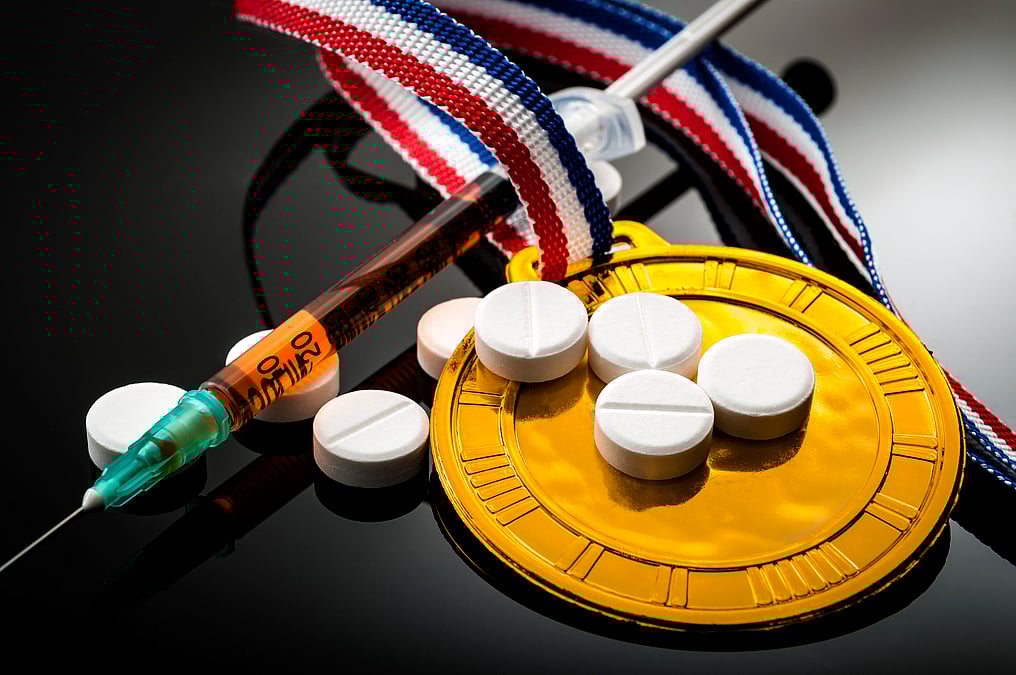
Credit: www.downtoearth.org.in

Credit: journalofethics.ama-assn.org
Frequently Asked Questions
What Are Performance Enhancing Drugs In Sport?
Performance enhancing drugs are substances athletes use to improve their performance. These can include steroids, hormones, and stimulants. They increase strength, endurance, and recovery time. However, their use is often banned in sports due to health risks and unfair advantages.
Why Are Performance Enhancing Drugs Banned?
Performance enhancing drugs are banned because they provide unfair advantages. They also pose significant health risks, including heart problems and hormonal imbalances. Sports organizations aim to ensure fair competition and athlete safety by prohibiting these substances.
How Do Performance Enhancing Drugs Affect Athletes?
Performance enhancing drugs can boost athletic performance by increasing muscle mass and endurance. They can also reduce recovery time. However, they may cause serious health issues, including addiction, organ damage, and psychological effects, impacting an athlete’s overall well-being.
What Are Common Types Of Performance Enhancing Drugs?
Common types include anabolic steroids, human growth hormone, and stimulants like caffeine. Anabolic steroids help build muscle. Human growth hormone aids recovery. Stimulants improve focus and energy. These drugs are commonly used but banned due to health risks.
Conclusion
Performance enhancing drugs impact sports significantly. They can boost strength and speed. But they bring risks. Health problems, unfair advantages, and ethical concerns arise. Athletes face tough choices. The pressure to perform can lead to drug use. Sports organizations strive for fair play.
Rules and testing help maintain integrity. Education is key. Athletes must understand consequences. Fans seek honesty in sports. Trust in athletes matters. The future of sports depends on clean competition. Everyone plays a role. Coaches, fans, and athletes should promote fair play.
It’s about passion, skill, and true talent, not shortcuts.