Imagine waking up each morning, ready to conquer your day, only to be held back by a nagging pain in your heel. If you’ve ever felt a twinge of discomfort in your Achilles tendon, you’re not alone.
Achilles injuries are common, especially among athletes and active individuals like yourself. But here’s the good news: you have the power to prevent these injuries before they sideline you. This article will reveal simple yet effective strategies to keep your Achilles tendons strong and healthy.
You’ll discover practical tips that fit seamlessly into your daily routine, empowering you to stay active and pain-free. By the end of this read, you’ll have a toolkit of knowledge to protect one of your body’s most critical tendons. So, are you ready to take control of your health and prevent Achilles injuries? Let’s dive in.

Credit: www.amazon.com
Understanding The Achilles Tendon
Understanding the Achilles Tendon Strengthening exercises and proper footwear can help prevent Achilles injuries. Warm up before activities to enhance flexibility. Regular stretching keeps the tendon healthy and reduces strain.
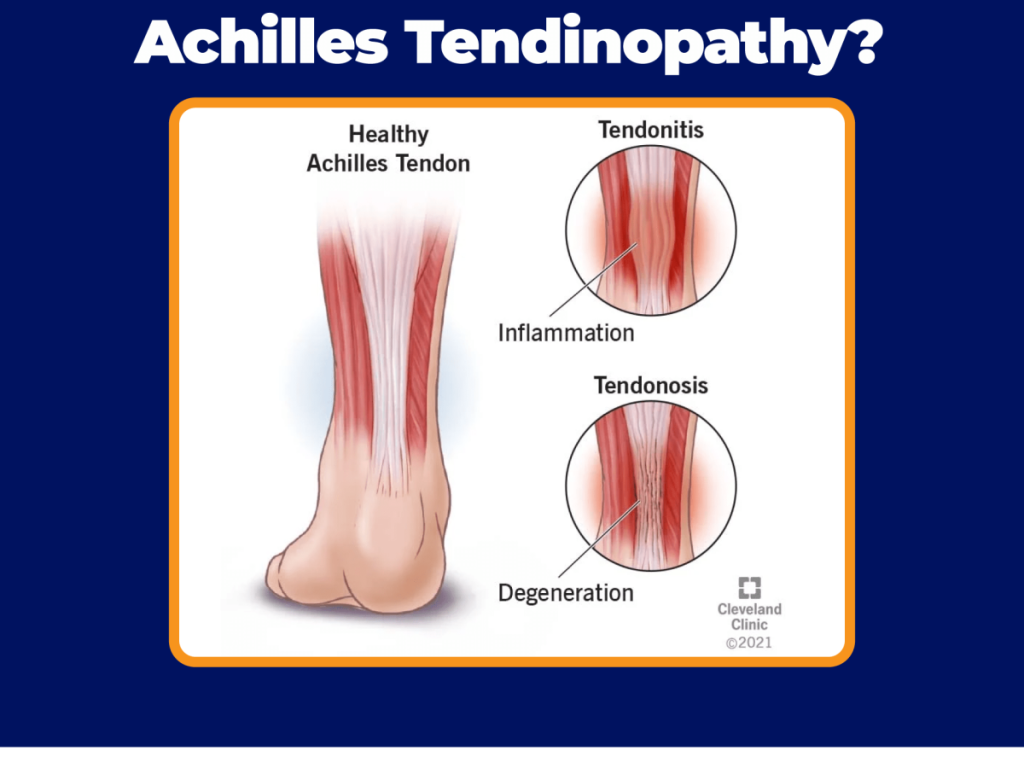
Understanding the Achilles Tendon The Achilles tendon is the largest and strongest tendon in the body. It connects the calf muscles to the heel bone. Its role is crucial for movement. Every step relies on this tendon. It helps in walking, running, and jumping.Anatomy And Function
The Achilles tendon is a fibrous tissue. It is made up of collagen fibers. These fibers give strength and flexibility. The tendon stretches during movement. This allows the foot to push off the ground. It absorbs shock and stores energy. This energy helps in powerful movements.Common Injuries
Achilles injuries occur often. They can be due to overuse or sudden stress. The most common is tendinitis. It causes pain and swelling. Another serious injury is rupture. It is a tear in the tendon. Rupture requires immediate care. Proper understanding helps in prevention. Awareness reduces the risk of damage.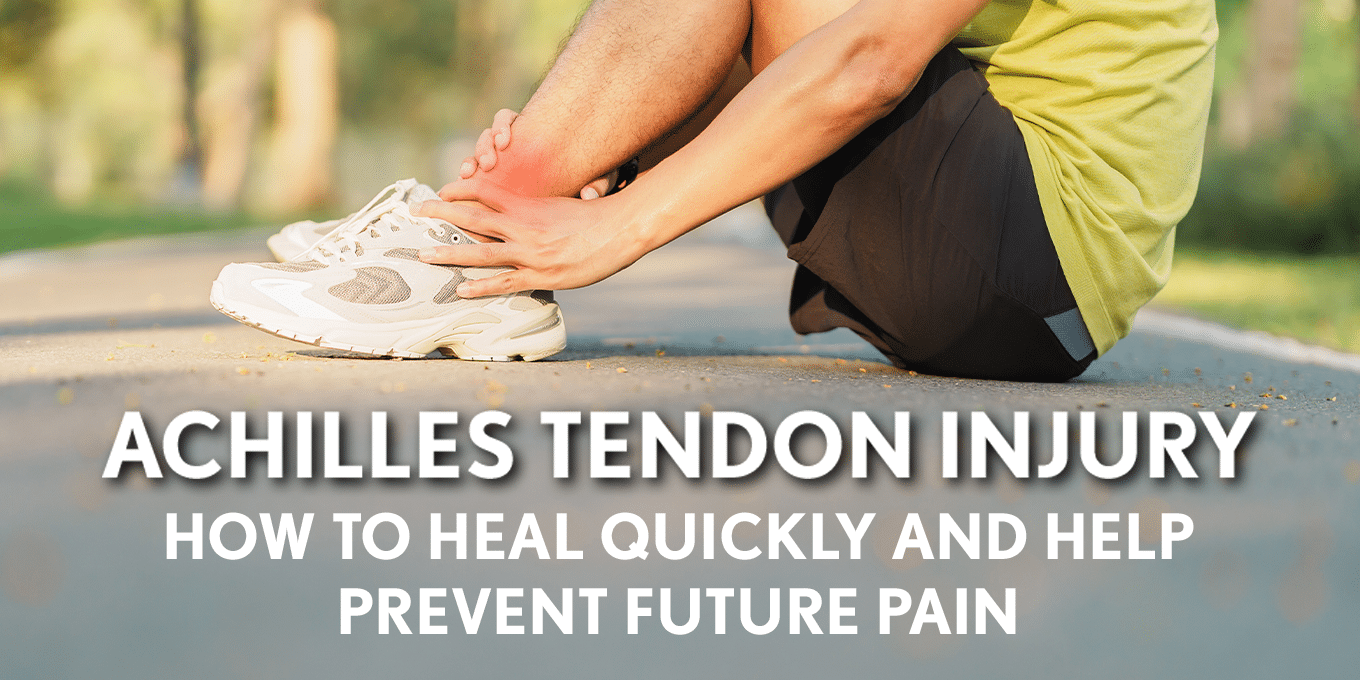
Credit: www.ultraankle.com
Risk Factors
Preventing Achilles injuries is crucial for anyone leading an active lifestyle. Understanding the risk factors can help you take proactive steps to safeguard your health. Each of these factors plays a significant role in your susceptibility to injury. By identifying and addressing them, you can enhance your well-being and maintain your athletic pursuits.
Age And Gender
As you age, your tendons naturally lose some elasticity. This is a key reason why older adults are more prone to Achilles injuries. Additionally, men are generally at a higher risk than women due to structural differences in tendons. Are you approaching middle age or are you a male athlete? It’s essential to incorporate flexibility exercises into your routine to counteract these natural risk factors.
Activity Level
Your activity level significantly impacts your Achilles tendon health. Both overuse and sudden increases in physical activity can strain the tendon. If you’re an athlete or someone who loves intense workouts, balancing activity with rest is crucial. Consider cross-training or varying your exercises to prevent repetitive stress on your Achilles.
Previous Injuries
Have you experienced a previous Achilles injury? If so, your risk for re-injury is higher. Scar tissue from past injuries can weaken the tendon structure. Regularly performing strengthening and stretching exercises can help reinforce the tendon. Monitoring your pain levels and adjusting your activities accordingly is also vital in preventing further issues.
Proper Footwear
Proper footwear plays a critical role in preventing Achilles injuries. Wearing the right shoes can provide support and stability. It helps reduce the risk of strain on the Achilles tendon. This section will guide you through choosing the right shoes and understanding the role of insoles.
Choosing The Right Shoes
Choosing the right shoes is essential to keep your feet comfortable and safe. Look for shoes with good arch support. Ensure they have a cushioned heel to absorb shock. The shoes should fit well and not be too tight. Properly fitting shoes prevent rubbing and irritation. Check for shoes made from breathable materials. This keeps feet dry and reduces the risk of blisters.
The Role Of Insoles
Insoles can provide additional support for your feet. They help distribute weight evenly across your foot. This reduces pressure on the Achilles tendon. Custom insoles can be tailored to your foot shape. They offer personalized support and comfort. Insoles can also help correct foot posture. This aids in preventing injuries and enhancing performance.
Stretching And Strengthening Exercises
Achilles injuries can be incredibly debilitating, affecting your mobility and daily activities. The good news is that with the right stretching and strengthening exercises, you can minimize your risk and maintain your active lifestyle. Whether you’re an athlete or someone who enjoys casual walks, these exercises are essential for keeping your Achilles tendon healthy and strong.
Effective Stretching Techniques
Stretching is a crucial component in preventing Achilles injuries. Begin with simple stretches like the calf stretch, where you place your hands against a wall and extend one leg back, keeping the heel on the ground. Hold for 30 seconds and switch legs.
Another effective technique is the towel stretch. Sit with your legs extended, loop a towel around your foot, and gently pull. Feel the stretch in your calf and Achilles area. Repeat several times.
Consistency is key. Incorporate these stretches into your routine daily, especially before and after physical activities.
Strengthening Routines
Strengthening exercises build resilience in your Achilles tendon. Heel raises are a simple yet powerful routine. Stand on the edge of a step with your heels hanging off. Slowly lift and lower your heels, focusing on control.
Consider eccentric exercises as well. For instance, perform a slow descent during a heel raise, which specifically targets the Achilles tendon.
Would you prefer working out at home or the gym? Either way, these exercises can easily fit into your schedule, requiring minimal equipment.
By integrating these stretching and strengthening exercises, you’re not just protecting your Achilles tendon—you’re investing in your overall health and mobility. So, what are you waiting for? Start today and feel the difference!
Warm-up And Cool-down Strategies
Preventing Achilles injuries requires careful attention to warm-up and cool-down strategies. These practices prepare your body for exercise and help reduce strain. They also aid in recovery, minimizing the risk of injury.
Importance Of Warm-up
A proper warm-up increases blood flow to your muscles. It raises your body temperature, enhancing flexibility and reducing stiffness. Begin with light aerobic exercises like jogging or jumping jacks. This prepares the Achilles tendon for more intense activity. Dynamic stretches, such as leg swings, further loosen muscles. They also improve your range of motion. Consistent warm-ups can significantly lower injury risks.
Cooling Down Effectively
Cooling down helps your body transition to a resting state. It prevents sudden stops, which can cause tightness. Gradually slow down your activity with light jogging or walking. This helps normalize heart rate and breathing. Incorporate static stretches focusing on the calf muscles and Achilles tendon. Hold each stretch for at least 30 seconds. Stretching aids in muscle recovery and reduces soreness. A proper cool-down routine can protect your Achilles from future injuries.
Recognizing Early Signs
Recognizing early signs of Achilles strain can help in preventing injuries. Notice stiffness or pain in the heel. Pay attention to swelling or difficulty flexing the foot. Taking early action can reduce the risk of severe damage.
Recognizing early signs of Achilles injuries can prevent severe damage. Awareness helps in taking timely action. Many overlook initial symptoms, thinking it’s temporary. Understanding these signs is crucial for maintaining foot health.Symptoms To Watch
Pain in the back of the heel is a major sign. Swelling or stiffness after physical activity indicates trouble. Tenderness around the tendon, especially in the morning, is another symptom. A noticeable decrease in strength or flexibility should raise concern. Listen to your body. It often signals before severe issues arise.When To Seek Professional Help
Persistent pain or swelling needs professional attention. If discomfort worsens even after rest, consult a specialist. Difficulty walking or bearing weight is alarming. Sudden sharp pain could indicate a serious issue. Early professional intervention can prevent complications. Always prioritize your health and seek help when in doubt.Recovery And Rehabilitation
Strengthen calf muscles and stretch regularly to help prevent Achilles injuries. Proper footwear and gradual intensity increase are vital. Listen to your body to avoid overuse.
Achilles injuries can be painful and frustrating. Recovery and rehabilitation are crucial. They help regain strength and prevent future injuries. This process needs patience and dedication. Proper techniques and exercises aid healing. Let’s explore effective methods for recovery and rehabilitation.Rest And Recovery Techniques
Rest is essential for healing. It reduces inflammation and pain. Limit activities that strain the Achilles tendon. Elevate the leg to decrease swelling. Apply ice packs to reduce discomfort. Use compression wraps for support. Adequate sleep enhances recovery. Listen to your body. Avoid pushing through pain.Rehabilitation Exercises
Exercises strengthen the Achilles tendon. Start with gentle stretches. Gradually increase intensity. Focus on range of motion exercises. Heel raises improve strength. Balance exercises enhance stability. Use resistance bands for added support. Monitor progress regularly. Consult a therapist for guidance. Adjust exercises based on comfort.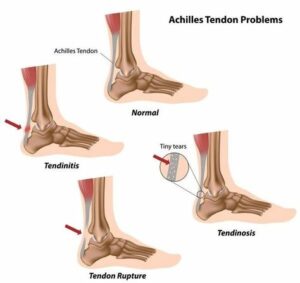
Credit: gophysiotherapy.co.uk
Consulting A Specialist
Consulting a specialist helps identify Achilles injury risks early. Specialists offer tailored advice to strengthen and protect the tendon. Regular check-ups ensure proper guidance on exercises and stretching techniques.
Consulting a specialist is crucial for preventing Achilles injuries. Specialists can provide expert advice and tailored treatments. They help you understand your body’s needs. This ensures proper care for your Achilles tendon. Visiting a professional can make a significant difference.When To Visit A Podiatrist
Visit a podiatrist when you experience persistent heel pain. Swelling or stiffness in your Achilles tendon is a red flag. If pain worsens during activity, it’s time to consult. Early intervention can prevent further injury. A podiatrist can diagnose issues accurately. They provide guidance on effective treatment strategies.Understanding Treatment Options
Treatment options vary based on severity. Rest and ice can reduce mild pain. Physical therapy strengthens muscles around the tendon. Stretching exercises increase flexibility. For severe cases, a specialist may suggest orthotics or braces. Surgery is a last resort for chronic conditions. Each treatment targets specific needs. Specialists help determine the best approach for recovery.Frequently Asked Questions
How Can I Strengthen My Achilles Tendon?
Strengthening your Achilles tendon involves regular stretching and exercises like calf raises. Incorporate resistance training to increase flexibility and support. Consult a physical therapist for tailored exercises. Proper footwear and gradual intensity increase during workouts also help prevent injuries. Consistency is key for effective tendon strengthening.
What Are Common Symptoms Of Achilles Injuries?
Common symptoms of Achilles injuries include sharp pain above the heel, swelling, and stiffness. You might experience pain during physical activities or upon waking. Reduced range of motion and tenderness are also signs. Early detection and treatment can prevent further damage and facilitate quicker recovery.
How Does Proper Footwear Prevent Achilles Injuries?
Proper footwear supports your heel and arch, reducing strain on the Achilles tendon. Choose shoes with cushioning and stability features to absorb impact. Correct shoe fit and orthotics can prevent misalignment and excessive pressure. Regularly replacing worn-out shoes ensures continued support and injury prevention.
Can Stretching Prevent Achilles Tendonitis?
Yes, regular stretching can prevent Achilles tendonitis by improving flexibility and reducing tension. Focus on calf and tendon stretches before and after exercise. Stretching increases blood flow and decreases stiffness. Consistent stretching routines lower the risk of developing tendonitis and support overall tendon health.
Conclusion
Preventing Achilles injuries is crucial for staying active and healthy. Regular stretching keeps muscles flexible and strong. Proper footwear supports your feet during activities. Gradually increase exercise intensity to avoid strain. Listen to your body; rest when needed. Hydrate and maintain a balanced diet to support recovery.
Warm up before activities to prepare muscles. Consult a professional for tailored advice. Protect your Achilles by following these simple steps. Stay consistent with your routine for lasting results. A little care goes a long way in preventing injuries. Your Achilles deserves attention and care.