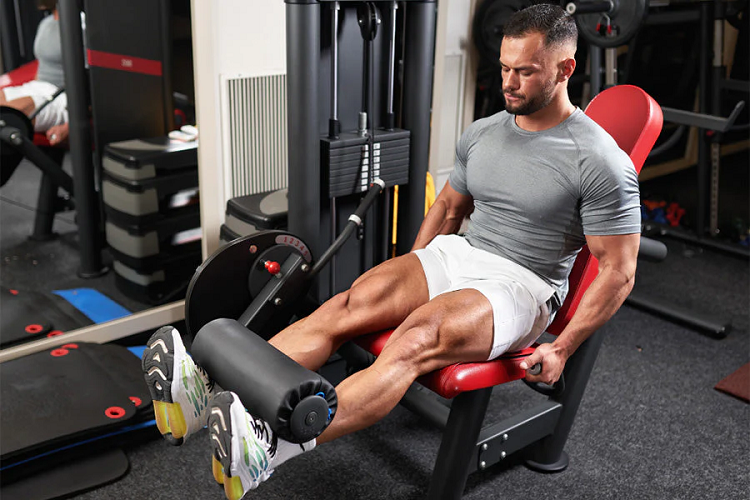
Have you ever wondered if the leg extension machine can truly help you build muscle? You’re not alone.
Many fitness enthusiasts are curious about the real benefits of this popular gym equipment. As you push yourself to achieve stronger and more defined legs, understanding the role of leg extensions in your workout routine is crucial. This article will uncover the secrets behind the leg extension exercise, revealing whether it’s your ticket to powerful quads or just another gym myth.
Keep reading to discover how this seemingly simple movement can transform your leg day and elevate your fitness game.
The Basics Of Leg Extension
Leg extensions are a popular exercise in many fitness routines, aiming to strengthen the quadriceps. They target the muscles at the front of your thigh, and when done correctly, can contribute significantly to muscle development. But how exactly does this exercise work, and what makes it effective? Understanding the basics of leg extensions can help you maximize their benefits and incorporate them effectively into your workout plan.
What Is Leg Extension
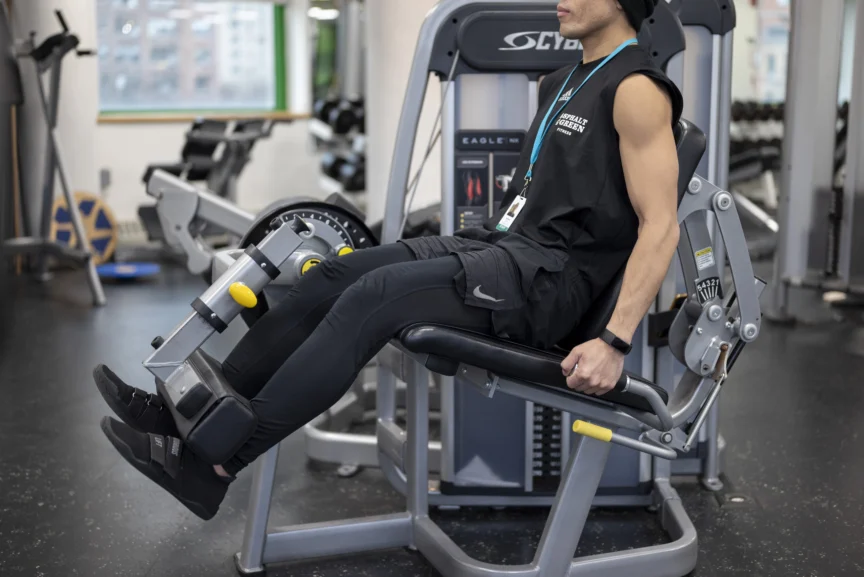
The leg extension is a resistance exercise performed on a machine designed specifically for isolating the quadriceps. You sit in the machine, hook your feet under a padded bar, and extend your legs outward. This movement isolates the quads, allowing you to focus solely on these muscles without engaging other parts of your body.
Leg extension machines are prevalent in gyms, and they can be adjusted to suit different heights and weights. This makes them accessible to a wide range of people, from beginners to advanced athletes. The simplicity of the motion also means you don’t need extensive training to perform it correctly.
How Leg Extension Works
When you perform a leg extension, you’re essentially lifting weights with your legs. The exercise engages the quadriceps through a controlled motion, providing a concentrated effort on the muscle group. This isolation allows you to increase the weight progressively, which is a key factor in muscle growth.
Leg extensions work by causing muscle hypertrophy, which is the enlargement of muscle fibers. When performed consistently, they can lead to increased strength and size of the quadriceps. However, it’s crucial to maintain proper form to prevent injury and ensure that the right muscles are being worked.
Are you maximizing your leg day with leg extensions? If not, perhaps it’s time to consider adding this effective exercise to your routine. Balancing leg extensions with other compound movements can create a comprehensive leg workout that targets multiple muscle groups.
Credit: www.asphaltgreen.org
Muscles Targeted By Leg Extension
Leg extension exercises primarily target the quadriceps muscles in the front of the thighs. This workout helps to build muscle strength and definition. Regular leg extensions can enhance overall leg performance and stability.
Muscles Targeted by Leg Extension The leg extension exercise is popular for building leg strength. It isolates specific muscles, making it effective for targeted muscle growth. Understanding which muscles are engaged can enhance workout results.Primary Muscle Groups
Leg extensions primarily target the quadriceps. These muscles are located at the front of your thigh. They are crucial for knee extension and movement. The quadriceps consist of four major muscles: rectus femoris, vastus lateralis, vastus medialis, and vastus intermedius. Strong quadriceps improve stability and power in the legs. This exercise is excellent for athletes and fitness enthusiasts.Secondary Muscle Engagement
While leg extensions focus on quadriceps, they also engage other muscles. The hamstrings, located at the back of the thigh, play a supporting role. Though not heavily targeted, they stabilize the knee during extension. The calf muscles also contribute to balance during the movement. These secondary muscles aid in overall leg development. Engaging them enhances leg strength and endurance.Benefits Of Leg Extension
Leg extensions target the quadriceps muscles, promoting muscle growth and strength. Isolating quads helps improve knee stability and enhances overall leg performance.
Leg extensions are a popular exercise in fitness routines. They target the quadriceps muscles located in the front of the thigh. Performing leg extensions can offer several benefits. These advantages can enhance your workout regimen significantly.Strength Development
Leg extensions help in building muscle strength. They focus on the quadriceps, which are crucial for leg power. Strengthening these muscles improves overall leg performance. This exercise isolates the quads, providing targeted muscle growth. Consistent practice enhances lifting capacity and athletic performance.Joint Health
Leg extensions promote joint health by strengthening the knee joint. Strong quadriceps support the knee, reducing injury risk. This exercise maintains joint flexibility and stability. Regular leg extensions can contribute to long-term joint health. They ensure mobility and reduce wear and tear.Leg Extension Vs. Other Leg Exercises
Leg extension exercises focus on the quadriceps. They are popular in gyms for isolating these muscles. But how do they compare with other leg workouts? Let’s explore how leg extensions stack up against squats and leg presses.
Comparison With Squats
Squats engage multiple muscles, including quads, hamstrings, and glutes. They require coordination and balance. Leg extensions, in contrast, isolate the quads. This makes them less complex but limits overall leg muscle engagement.
Squats build strength and muscle mass in the lower body. Leg extensions provide a targeted workout for quads. Squats also enhance core stability, unlike leg extensions. Choosing between them depends on your fitness goals.
Comparison With Leg Press
Leg presses work quads, hamstrings, and glutes. They are performed sitting or lying down. This reduces strain on the back. Leg extensions focus solely on the quads. They offer a more concentrated quad workout.
Leg presses offer a balanced approach for overall leg development. Leg extensions are ideal for targeting quad strength and definition. Consider your specific needs when deciding which exercise to incorporate.
Optimizing Leg Extension For Muscle Growth
Leg extension exercises can be effective for building muscle. To maximize growth, focus on optimizing your technique and training program. This approach ensures you target the right muscles and avoid injuries.
Proper Form And Technique
Maintaining proper form is essential in leg extension exercises. Begin by adjusting the machine so your knees align with the pivot point. Sit with your back firmly against the seat. Keep your feet under the roller pad, ensuring your legs are bent at a 90-degree angle. Engage your core to stabilize your body. Slowly extend your legs until they are straight but not locked. Pause briefly, then return to the starting position in a controlled manner.
Avoid jerking movements to reduce strain. Focus on using your quadriceps to lift the weight. Proper form minimizes the risk of injury and ensures effective muscle engagement.
Effective Training Programs
To build muscle with leg extensions, incorporate them into a balanced routine. Aim for 2-3 sessions per week. Start with lighter weights, gradually increasing as your strength improves. Perform 3-4 sets of 10-15 reps for optimal results. Pair leg extensions with compound exercises like squats or lunges. This combination targets multiple muscle groups and enhances overall leg strength.
Consider varying the speed of your repetitions. Slow, controlled movements boost muscle tension, aiding growth. Include rest days for muscle recovery and growth. A well-rounded program contributes to muscle development and prevents fatigue.

Credit: www.asphaltgreen.org
Common Mistakes In Leg Extension
Leg extensions can build muscle, but mistakes like using too much weight or improper form hinder progress. Avoid locking knees or rushing reps to maximize benefits and reduce injury risk.
Common mistakes in leg extension exercises can hinder muscle growth. Many people unknowingly make errors that reduce effectiveness. Understanding these mistakes helps in maximizing results.Avoiding Overextension
Overextension can strain your knee joints. It occurs when you extend your legs too far. This can lead to injuries over time. To prevent this, keep a slight bend in your knees. Do not lock them at the top of the extension. This ensures your muscles work efficiently without risk.Balancing Weight And Reps
Using too much weight is a common mistake. It can lead to improper form and potential injury. Start with a manageable weight. Focus on maintaining good posture and form. Increase weights gradually as you become stronger. Balancing reps is also vital. Performing too few reps might not challenge your muscles. Aim for a rep range that fatigues muscles effectively. This helps in building strength and endurance over time.Supplementary Exercises For Leg Development
Supplementary exercises are crucial for comprehensive leg development. While leg extensions target specific muscles, balancing them with a variety of exercises can enhance overall strength and growth. This approach ensures that you don’t just build bigger muscles, but stronger and more functional legs.
Incorporating Compound Movements
Compound movements like squats and deadlifts engage multiple muscle groups at once. This not only helps in building muscle mass but also improves your coordination and balance. Adding these exercises to your routine can significantly boost your leg development.
Think about the last time you did a squat. You probably noticed it wasn’t just your legs working but your core and back too. This multi-muscle engagement is the magic of compound movements.
Enhancing With Isolation Exercises
Isolation exercises, such as leg curls and calf raises, focus on specific muscle areas. These exercises allow you to target weaker spots and bring balance to your overall leg strength. By doing so, you ensure that all parts of your legs develop evenly.
Imagine focusing on your calves after a full leg workout. That burn is not just pain; it’s your muscles getting stronger. These targeted exercises complement compound movements, leading to well-rounded leg growth.
What supplementary exercises have you found most effective? Share your experiences and help others in their leg development journey.
Safety Considerations
Consider proper form and controlled movement to prevent injury during leg extensions. Adjust weights to align with your fitness level. Listen to your body to avoid strain and overexertion.
When considering leg extensions as part of your workout routine, safety should always be a top priority. This exercise can effectively target and build muscle in the quadriceps, but performing it incorrectly or ignoring body signals can lead to injury. Let’s dive into some safety considerations to ensure you get the most out of your leg extensions without risking harm.Preventing Knee Injury
Knee safety is crucial during leg extensions. Ensure that the machine is adjusted to fit your height, with the pad sitting comfortably on your lower leg, just above your ankles. Avoid locking your knees at the top of the movement, as this can put unnecessary stress on the joint. Start with a lighter weight to master the form before moving on to heavier loads. A common mistake is lifting too much weight too soon, which can strain the knee ligaments. Pay attention to how your knees feel during the exercise; any discomfort or pain is a signal to stop and reassess your technique.Listening To Body Signals
Your body sends signals when something is wrong, and it’s essential to heed these warnings. If you feel a sharp pain or hear any unusual sounds from your knees, it’s time to pause and evaluate. Continuing to push through pain can lead to serious injuries. Modify the exercise if necessary, perhaps by reducing weight or adjusting the machine settings. Remember, it’s okay to take a step back if it means preventing an injury. Are you prioritizing progress over pain? It’s a question worth asking to maintain long-term health and strength gains. By keeping these safety considerations in mind, you can confidently include leg extensions in your workout, knowing you’re taking the necessary steps to protect your knees and overall well-being.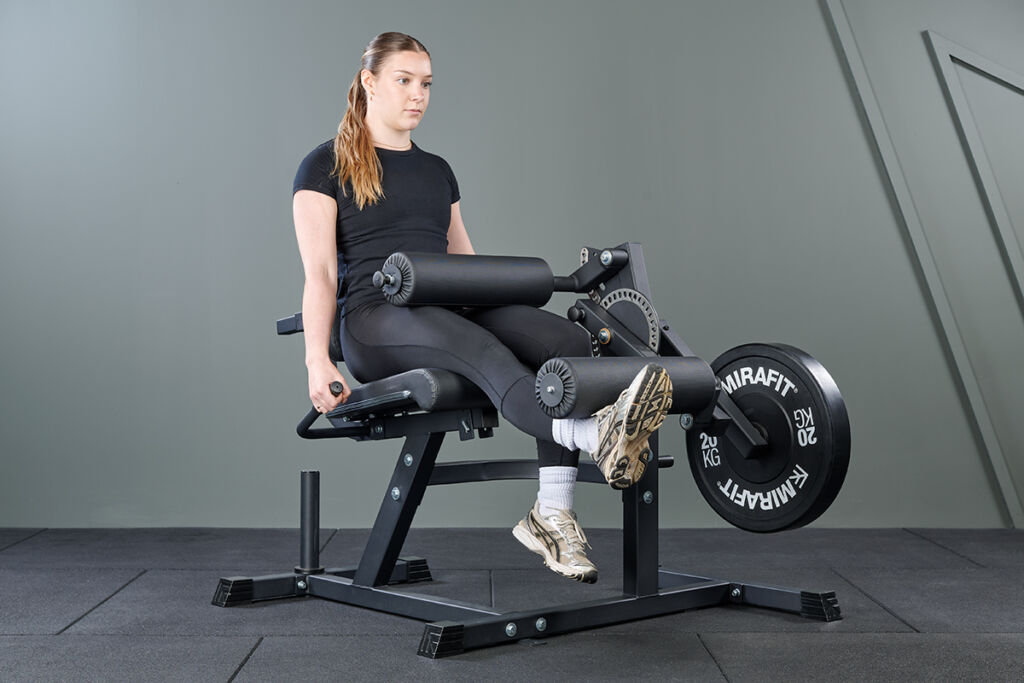
Credit: mirafit.co.uk
Frequently Asked Questions
Do Leg Extensions Increase Muscle Size?
Yes, leg extensions target the quadriceps effectively, promoting muscle growth and strength. They isolate the quads, allowing for focused development. Consistent training with proper form can lead to noticeable increases in muscle size. Including leg extensions in your routine can enhance overall leg aesthetics.
Are Leg Extensions Effective For Building Muscle?
Leg extensions are effective for isolating and building the quadriceps muscles. They provide a controlled movement that targets the quads, promoting muscle growth. When performed correctly and consistently, leg extensions can lead to significant strength and size gains in the quadriceps.
How Often Should You Do Leg Extensions?
Perform leg extensions two to three times per week for optimal results. Ensure proper form and gradually increase resistance. Allow adequate rest between sessions to promote muscle recovery and growth. Combine with other leg exercises for balanced muscle development.
Can Leg Extensions Replace Squats?
Leg extensions cannot fully replace squats in a workout routine. Squats engage multiple muscle groups, offering comprehensive lower body development. Leg extensions focus primarily on the quadriceps. For balanced leg strength and size, incorporate both exercises into your regimen.
Conclusion
Leg extensions can help build muscle in your legs. They target the quadriceps, which are key for strength. Consistent workouts can lead to visible results. Combine leg extensions with other exercises for balance. This way, muscles grow evenly. Nutrition is important too.
Eat protein-rich foods to support muscle growth. Also, rest is crucial. Muscles repair and grow during rest periods. Listen to your body and avoid overtraining. Remember, progress takes time. Stay committed and patient. Your hard work will pay off. Keep pushing towards your fitness goals.