You’re passionate about staying active and maintaining a healthy lifestyle, but the thought of an ACL injury can be daunting. These injuries are not only painful but can sideline you from your favorite activities for months.
Imagine having the power to minimize your risk and keep yourself in the game. Understanding how ACL injuries occur and learning effective prevention strategies can be your secret weapon. By taking a few proactive steps, you can protect your knees and enjoy peace of mind.
Stay with us, because the knowledge you gain here could be the key to preserving your mobility and continuing to do what you love without fear.

Credit: jmurrayathletics.com
Importance Of Acl Injury Prevention
Preventing ACL injuries is crucial for maintaining knee health. Proper training and exercises strengthen muscles around the knee, providing better support. Consistent practice of safe techniques in sports can greatly reduce the risk of injury.
The Importance of ACL Injury Prevention ACL injuries can be debilitating, affecting your mobility and overall quality of life. Preventing them is crucial for maintaining an active lifestyle. The importance of ACL injury prevention cannot be overstated. It ensures that you remain on your feet, doing the activities you love without interruption. A friend of mine, an avid runner, experienced an ACL injury that sidelined him for months. This taught him the importance of prevention exercises and proper footwear, which he now swears by. By prioritizing prevention, you reduce the risk of injury and the subsequent lengthy recovery process. You might be wondering how you can effectively prevent these injuries. Well, it involves a mix of strengthening exercises, balance training, and wearing the right gear.Focus On Strengthening Exercises
Strengthening the muscles around your knee is vital. Include exercises targeting your hamstrings and quadriceps. A strong leg foundation supports your knee better, reducing injury risk. Incorporate squats and lunges into your routine, ensuring proper form.Embrace Balance And Flexibility Training
Balance exercises improve your body’s ability to stabilize during movement. Consider activities like yoga or tai chi, which enhance flexibility and balance. Improving your balance can be as simple as standing on one leg while brushing your teeth.Choose The Right Footwear
Footwear plays a critical role in ACL injury prevention. Ensure your shoes provide adequate support and cushioning for your sport. Check the fit regularly, as worn-out shoes can increase injury risk.Stay Educated And Aware
Being informed about the risks and prevention strategies is key. Join workshops or online courses about sports injury prevention. Knowledge empowers you to make smarter choices on the field or court. Ultimately, ACL injury prevention is about taking proactive steps to safeguard your health. Are you ready to prioritize these practices in your daily routine?Risk Factors For Acl Injuries
Proper warm-ups and stretching can reduce the risk of ACL injuries. Strengthening leg muscles also provides better support for the knee. Wearing appropriate footwear further minimizes strain during activities.
Risk Factors for ACL Injuries Understanding the risk factors for ACL injuries helps in prevention. Recognizing these factors can guide safer choices in sports and activities. This section explores anatomical considerations, gender differences, and sports activity levels.Anatomical Considerations
The structure of your knee can affect ACL injury risk. Some people have a narrow intercondylar notch. This is where the ACL is located. A narrow notch might squeeze the ligament, causing injury. Also, the alignment of the leg plays a role. A more inward-turning knee increases risk.Gender Differences
Women face a higher risk of ACL injuries than men. Hormonal differences can weaken ligaments. Female athletes often land differently during jumps. This increases stress on the ACL. Muscle strength also differs, contributing to risk. Women may have less hamstring strength, affecting knee stability.Sports And Activity Levels
Certain sports carry higher ACL injury risks. Sports like soccer, basketball, and skiing involve sudden turns and jumps. These movements strain the knee ligament. High activity levels without proper conditioning increase injury chances. Athletes must practice safe techniques and strengthen muscles. Regular training helps keep the knee stable.Effective Warm-up Techniques
Effective warm-up techniques can play a crucial role in preventing ACL injuries. Incorporate dynamic stretches and strength exercises for knee stability. Focus on balance and agility drills to enhance joint protection.
Warm-up techniques play a vital role in preventing ACL injuries. They prepare the body for physical activity, increasing blood flow and flexibility. A well-structured warm-up reduces the risk of ligament strains. It ensures muscles are ready for movement.Dynamic Stretching
Dynamic stretching involves active movements that mimic exercise patterns. It helps muscles reach their full range of motion. These stretches improve coordination and agility. They warm up muscles without causing fatigue. Examples include leg swings and walking lunges. These movements boost flexibility and prepare muscles for quick changes.Muscle Activation Exercises
Muscle activation exercises focus on engaging specific muscle groups. They strengthen the muscles around the knee joint. This provides better support during activity. Exercises like squats and glute bridges activate essential muscles. They increase stability, reducing the risk of injury. Strong muscles support ligaments and joints, crucial for injury prevention.Strengthening Key Muscle Groups
Preventing ACL injuries is crucial for athletes and anyone with an active lifestyle. Strengthening key muscle groups can significantly reduce the risk of injury by providing better support and stability to the knee joint. Focusing on specific muscles ensures that your body can handle the demands placed on it during physical activities. Let’s delve into the muscle groups that play a critical role in preventing ACL injuries.
Focus On Quadriceps And Hamstrings
Your quadriceps and hamstrings are essential for knee stability. Strong quadriceps help control the movement of the knee, particularly during activities that involve bending and straightening. Hamstrings, on the other hand, act as natural brakes for knee extension, preventing hyperextension and sudden twists.
Consider incorporating exercises like squats and lunges into your routine. These movements target both muscle groups effectively. Are you already incorporating these exercises into your workouts? If not, try adding them and notice the difference in your knee stability.
Consistency is key. Aim for a balanced workout that strengthens both quadriceps and hamstrings equally. This balance helps in maintaining proper alignment and reduces strain during intense activities.
Core Stability
Your core is the foundation of stability and balance in your body. A strong core supports your lower body, minimizing unnecessary movements that can lead to ACL injuries. Think of your core as the central hub that maintains control when you pivot or jump.
Planks and bridges are excellent exercises to enhance core stability. These exercises not only improve balance but also ensure your body moves efficiently and safely during physical activities. Have you tried incorporating a daily plank routine? You’ll be surprised at how it enhances your overall athletic performance.
Remember, a strong core contributes to better posture and coordination, which are crucial for preventing injuries. Keeping your core engaged during workouts can make a significant difference in how you handle sudden movements.
By focusing on these key muscle groups, you can take proactive steps toward preventing ACL injuries. Strengthening these areas will not only protect your knees but also improve your overall athletic ability. What’s stopping you from adding these exercises to your routine? Start today and feel the difference!
Enhancing Flexibility
Enhancing flexibility can help prevent ACL injuries. Regular stretching and strengthening exercises are key. Focus on muscles around the knees and hips to support joints.
Enhancing Flexibility Flexibility plays a vital role in preventing ACL injuries. By improving your flexibility, you can reduce the strain on your knees during physical activities. This can be achieved through consistent practices that target key muscle groups surrounding the knee.Importance Of Stretching
Stretching is essential for maintaining healthy and limber muscles. Regular stretching increases the range of motion in your joints, making movements more fluid and less prone to injury. Imagine being able to move with ease and confidence, knowing your muscles are well-prepared for sudden shifts in direction. Try incorporating a daily stretching routine. Focus on the hamstrings, quadriceps, and calves. These areas support the knee and help in maintaining balance and stability.Yoga And Pilates
Yoga and Pilates are excellent practices for enhancing flexibility while also strengthening your body. Both disciplines emphasize controlled movements and deep breathing, which can help in maintaining focus and improving body awareness. Have you ever noticed how some athletes seem to glide effortlessly across the field? They often incorporate yoga or Pilates into their training to enhance flexibility and core strength. Consider joining a local class or following online tutorials. These sessions can introduce you to poses and exercises that specifically target flexibility improvement. Plus, the calming effect of these practices can be a great stress reliever, which is an added bonus for both your mind and body. By making these activities a part of your routine, you can take significant steps toward reducing the risk of ACL injuries. What will be your first step towards a more flexible and resilient body?
Credit: www.facebook.com
Proper Landing Techniques
Proper landing techniques are key in preventing ACL injuries. Focus on bending knees and hips to absorb impact. Maintain balanced posture to distribute weight evenly.
Proper landing techniques are crucial for preventing ACL injuries. Many athletes face ACL injuries due to incorrect landing after jumps. Learning how to land safely can make a significant difference. It reduces the risk of tears and strains. Training your body to absorb impact properly is key. Focus on bending your knees and hips while landing. This helps distribute the force evenly. Keep your knees aligned with your feet. It minimizes stress on the ACL. Avoid letting your knees cave inward. This position increases injury risk. Consistent practice leads to better control and muscle memory.Jump Training Programs
Jump training programs teach you how to land properly. They focus on strengthening leg muscles. Strong muscles support the knee better. Programs often include exercises like squats and lunges. These exercises improve muscle coordination. Jump drills are also important. They help you practice landing softly. Coaches often use plyometrics in training. Plyometrics enhance explosive power and control. They teach you to react quickly. Consistent training leads to safer landings. It builds confidence in your movements.Balance And Coordination
Balance and coordination are essential for proper landing. Good balance helps control body movement. Coordination ensures smooth transitions from jump to landing. Balance exercises improve stability. They train your body to respond to shifts in weight. Balance boards and single-leg stands are useful. Coordination drills enhance timing and movement flow. They involve tasks like skipping and hopping. These exercises engage multiple muscles. Practicing them regularly sharpens your senses. It makes your landings more predictable and safe.Role Of Footwear And Equipment
A crucial aspect of preventing ACL injuries is the role of footwear and equipment. The right gear not only enhances performance but also offers essential protection for your joints. Whether you’re an athlete or someone who enjoys recreational sports, paying attention to what you wear can significantly reduce your risk of injury.
Choosing The Right Shoes
Your shoes are more than just fashion statements; they are your foundation on the field or court. Selecting the right pair means considering factors like grip, support, and fit. Shoes with proper traction can prevent slips, while those with adequate support help maintain stability.
Think about the surface you’ll be playing on. Different sports require different footwear types, and wearing the wrong shoes can increase your risk of injury. Always ensure your shoes fit well, as tight or loose shoes can lead to discomfort and accidents.
Use Of Braces And Supports
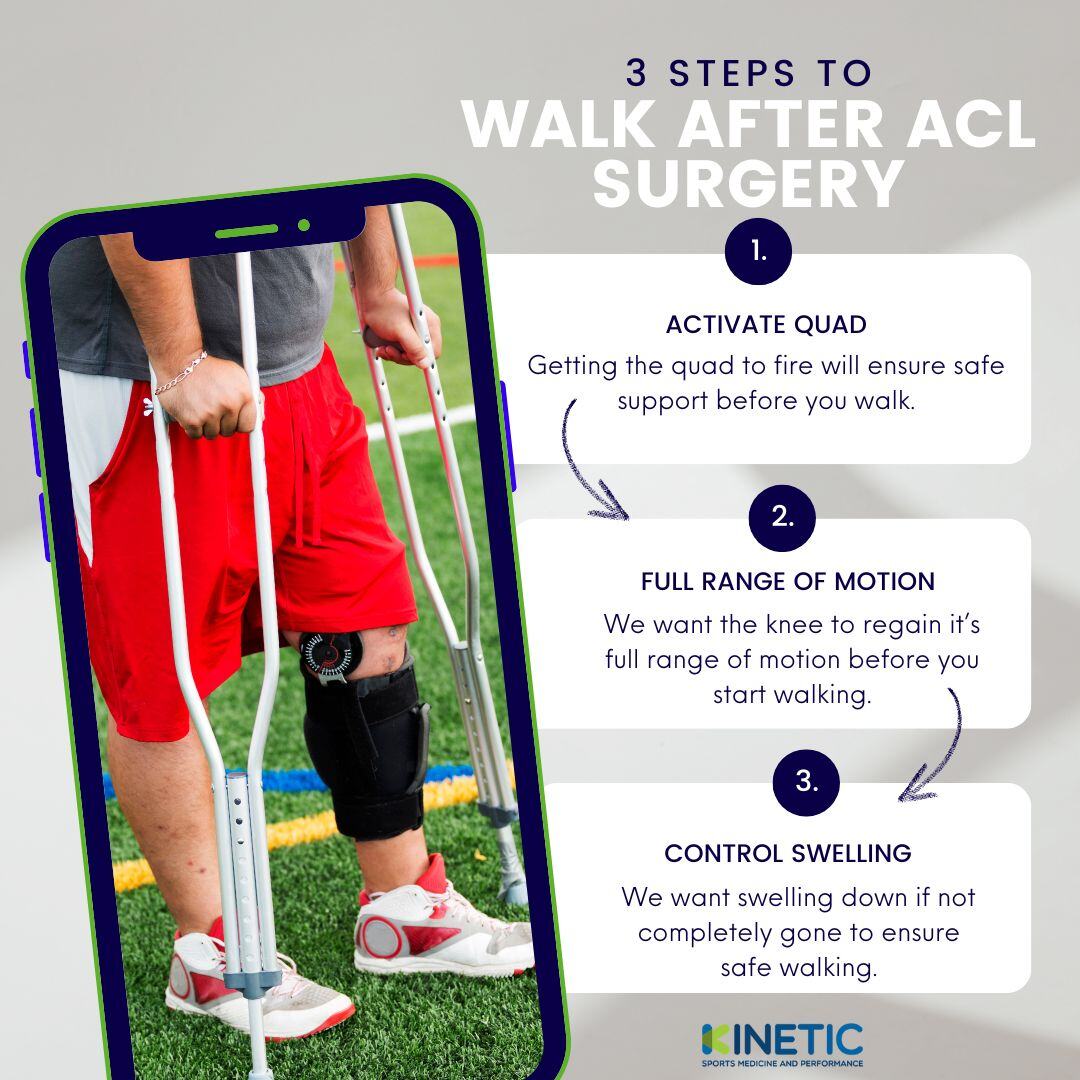
Braces and supports can be valuable allies in the fight against ACL injuries. These tools provide additional stability to your knees, especially during high-impact activities. Consider using knee braces if you have a history of knee issues or feel vulnerable during specific movements.
Using supports doesn’t mean you’re weak; it means you’re smart about protecting your body. Consult with a professional to find the right brace or support that fits your needs. Are you listening to your body’s signals and taking proactive steps to safeguard your knees?
Credit: kineticsmp.com
Injury Prevention Programs
Injury prevention programs have become a cornerstone in the fight against ACL injuries. These programs are designed to teach athletes techniques and exercises that enhance strength, flexibility, and awareness, reducing the risk of injury. By incorporating structured routines that focus on the body’s mechanics, you can significantly lower the chances of an ACL tear.
Fifa 11+ Program
The FIFA 11+ program is a comprehensive warm-up routine developed to minimize injuries among soccer players. It consists of three parts, including running exercises, strength training, and balance drills. This program has shown impressive results, reducing injury rates by up to 30%.
If you’re involved in soccer, consider adopting this program. It’s not just about reducing injuries; it’s about improving overall performance. The 20-minute routine can be easily integrated into your training sessions, making it accessible and practical for teams of all levels.
Sports-specific Protocols
Different sports demand different movements, and this is where sports-specific protocols shine. These tailored programs focus on the unique needs of each sport, addressing movements that are most likely to cause ACL injuries. For instance, basketball players might focus on jump landing techniques, while volleyball players emphasize lateral movements.
Think about the sport you love and what movements are most common. By incorporating exercises that strengthen the muscles used most frequently, you not only protect your knees but also enhance your skills. Can the program you’re using be adjusted to fit your sport more closely?
Consider consulting a coach or physiotherapist who can develop a personalized prevention strategy. These experts can help identify weaknesses and tailor exercises to fortify those areas, offering targeted protection against injuries.
Recovery And Rehabilitation Strategies
Strengthening exercises for the knees and legs can reduce the risk of ACL injuries. Wearing proper footwear ensures stability during activities. Practicing correct techniques in sports helps in minimizing potential injuries.
Recovery and rehabilitation are crucial phases following an ACL injury, as they play a significant role in ensuring a successful return to sports and daily activities. Effective strategies not only aid in healing but also help in preventing future injuries. Understanding the steps involved in recovery can empower you to take charge of your rehabilitation journey.Post-injury Care
Immediate care after an ACL injury is vital for minimizing damage. Applying the R.I.C.E method—rest, ice, compression, and elevation—can help reduce swelling and pain. Consulting with a healthcare professional for a tailored rehabilitation plan is essential. Physical therapy often begins shortly after the injury, focusing on restoring range of motion and strengthening surrounding muscles. Consistency in these exercises can speed up recovery and improve stability. Have you considered setting small, achievable goals to track your progress?Return-to-play Guidelines
Returning to sports too soon can be risky. It’s important to follow a structured guideline to ensure your knee is ready. A comprehensive assessment by your physiotherapist can determine your readiness. Key factors to consider include strength, balance, and knee functionality. You might think you’re ready, but does your knee agree? Testing these aspects thoroughly can prevent re-injury. Finally, mental readiness is as crucial as physical healing. Confidence in your knee’s ability to perform is paramount. Engaging in sports psychology sessions might boost your mental resilience, preparing you for a safe return to play.Expert Opinions And Recommendations
Strengthening leg muscles and improving balance can help prevent ACL injuries. Wearing proper footwear and using correct techniques during activities also reduce risks.
Preventing ACL injuries is crucial for athletes and active individuals. Expert opinions offer valuable insights into effective strategies. Recommendations from specialists can guide you in protecting your knees.Insights From Orthopedic Specialists
Orthopedic specialists emphasize proper training techniques. They suggest focusing on strength and flexibility. Strong muscles support knee stability. Flexibility reduces the risk of sudden strains. Experts recommend incorporating balance exercises. These exercises improve coordination and control. Maintaining a healthy weight is also important. Excess weight puts extra pressure on your knees. Specialists advise regular check-ups for those at risk. Early detection of knee problems can prevent severe injuries.Tips From Physical Therapists
Physical therapists stress the importance of a warm-up routine. Warming up prepares your muscles and joints. It increases blood flow and reduces stiffness. Therapists suggest dynamic stretches as part of your routine. These stretches mimic the movements you will perform. Strengthening exercises are crucial. Focus on your core, hips, and thighs. Strong core muscles enhance overall stability. Therapists recommend plyometric exercises for agility. These exercises involve jumping and landing techniques. Proper footwear is vital. Choose shoes that provide good support and cushioning. This reduces impact on your knees during activities. Regularly check your shoes for wear and replace them as needed.Frequently Asked Questions
What Exercises Prevent Acl Injuries?
Exercises that strengthen leg muscles can help prevent ACL injuries. Focus on quadriceps, hamstrings, and calves. Balance and agility drills are crucial. Incorporate plyometrics to improve jump technique. Proper stretching before and after workouts is essential. Consistency in training is key to reducing injury risks.
Can Footwear Affect Acl Injury Risk?
Yes, footwear can impact ACL injury risk. Choose shoes with good grip and support. Avoid high heels and unstable shoes during sports. Proper footwear helps maintain balance and reduces stress on the knee. Consult a specialist for recommendations based on activity type.
How Does Warm-up Help Prevent Acl Injuries?
Warm-up prepares muscles and joints for activity. It increases blood flow and flexibility, reducing injury risks. Incorporate dynamic stretches targeting knees and legs. Gradually increase intensity in warm-ups. A proper warm-up helps achieve optimal performance and lowers ACL injury likelihood.
Is Knee Brace Effective For Acl Injury Prevention?
Knee braces can help stabilize the joint and reduce injury risks. They offer additional support during physical activities. However, they should not replace proper training and exercises. Consult a healthcare professional for personalized advice on knee brace usage.
Conclusion
Preventing ACL injuries requires consistent effort and awareness. Focus on strengthening leg muscles. Regular exercise improves stability and balance. Proper technique in sports is crucial. Warm-ups and stretching reduce injury risks. Wear supportive footwear for better protection. Stay informed about your body’s limits.
Listen to your body’s signals. Rest when needed. Consult professionals for personalized advice. Make prevention a priority in your routine. Small steps lead to big differences. Stay committed to health and safety. With care, you can enjoy sports with less worry.
Your knees will thank you!