You’re on the volleyball court, adrenaline pumping, ready to spike the ball and score the winning point. But suddenly, a sharp pain shoots through your finger.
Finger injuries are all too common in volleyball, and they can sideline you when you least expect it. Imagine not having to worry about that. What if you could play your favorite sport with confidence, knowing your fingers are protected?
This guide is your ticket to doing just that. By understanding how these injuries happen and learning simple, effective prevention strategies, you can keep your fingers safe and stay in the game longer. Curious to find out how? Keep reading to discover the key techniques that will transform your game and give you peace of mind on the court.
Importance Of Finger Health
Strengthening finger muscles is crucial for volleyball players. Regular stretching reduces strain and enhances flexibility. Wearing protective gear during practice minimizes the risk of injuries.
The fingers play a crucial role in volleyball. They help control the ball and ensure precise passes. Keeping your fingers healthy is vital for an effective game. Finger injuries can sideline players and disrupt team dynamics. Prioritizing finger health can enhance performance and longevity in the sport.Understanding The Role Of Fingers In Volleyball
Fingers are essential for setting, spiking, and blocking. They need strength and flexibility. Proper finger use can lead to successful plays. Misusing fingers increases injury risk. Understanding their role helps in avoiding unnecessary strain. Sprains and fractures are frequent in volleyball. Jammed fingers occur during unexpected ball contact. Tendon injuries can result from repetitive actions. Recognizing these common issues aids in prevention. Early detection can minimize damage and recovery time.Benefits Of Strong Finger Health
Strong fingers improve grip and control. Healthy fingers reduce the risk of chronic pain. They enhance overall game performance. Maintaining finger health builds confidence in play. This focus benefits both individual players and their teams.Exercises To Strengthen Fingers
Simple exercises can boost finger strength. Try squeezing a stress ball daily. Use rubber bands for resistance training. Finger stretches increase flexibility and range of motion. Consistent exercises prepare fingers for intense play.Protective Gear For Finger Safety
Wearing finger supports can prevent injuries. Tape fingers to add stability during games. Finger sleeves provide cushioning against impacts. Choose gear that fits well and feels comfortable. Proper gear keeps fingers safe without limiting movement.Common Finger Injuries In Volleyball
Volleyball players often face finger injuries from blocking or setting. Proper technique and protective gear can reduce risks. Regular hand exercises strengthen fingers, preventing strain and sprains.
Volleyball is a fast-paced sport. Quick movements and ball impacts can lead to finger injuries. Understanding common finger injuries can help prevent them. This section explores frequent finger injuries in volleyball.Sprains And Strains
Sprains are common due to sudden impacts. They occur when ligaments stretch or tear. Strains involve muscles or tendons. Both can cause pain and swelling. Proper warm-up can reduce risks.Dislocations
Finger dislocations happen during awkward landings. The joint moves out of place. This requires immediate attention and possible medical help. Dislocations can be painful and need rest.Fractures
Fractures are serious injuries. They occur from direct hits or falls. Broken bones need medical treatment. Players should seek help for severe pain or deformity.Tendon Injuries
Tendons connect muscles to bones. Sudden movements can injure tendons. This can cause pain and reduce movement. Recovery may require therapy or rest.Jammed Fingers
Jammed fingers are common in volleyball. They result from forceful impacts. Swelling and pain are typical symptoms. Ice and rest can help recovery.Proper Warm-up Techniques
Gentle stretching and gradual finger movements help prevent injuries in volleyball. Focus on flexibility and coordination. Practice finger drills to enhance strength and control before playing.
Proper warm-up techniques are essential to prevent finger injuries in volleyball. By preparing your fingers for the fast-paced action, you reduce the risk of sprains and strains. A well-rounded warm-up can make a significant difference in your game performance and safety.Stretching Exercises
Stretching is a vital part of any warm-up routine. Start with simple hand stretches. Extend your fingers as far apart as possible, hold for a few seconds, and then release. Repeat this exercise several times to increase flexibility. Consider incorporating wrist stretches. Rotate your wrists in circular motions to loosen up the joints. This improves overall hand movement and reduces tension. Be consistent with these exercises for the best results.Finger Mobility Drills
Finger mobility drills are crucial to enhance dexterity and strength. Try finger taps. Tap each finger to your thumb in sequence, first slowly and then faster. This drill helps improve coordination and speed. Another effective drill is finger lifts. Place your hand flat on a table and lift each finger individually, maintaining control. These drills can be easily integrated into your warm-up routine. They are quick, effective, and ensure your fingers are ready for the game. Are you taking the time to protect your fingers before each match? Implementing these warm-up techniques can be your game-changer.Using Protective Gear
Wearing protective gear like finger sleeves can help prevent injuries in volleyball. These sleeves cushion fingers, reducing the risk of sprains or fractures during play. Proper gear ensures fingers stay safe while maintaining flexibility and control.
Playing volleyball is thrilling but protecting your fingers is crucial. Using protective gear can significantly reduce the risk of finger injuries. Volleyball players often rely on gear for safety and performance. Below are practical ways to safeguard your fingers.Taping Methods
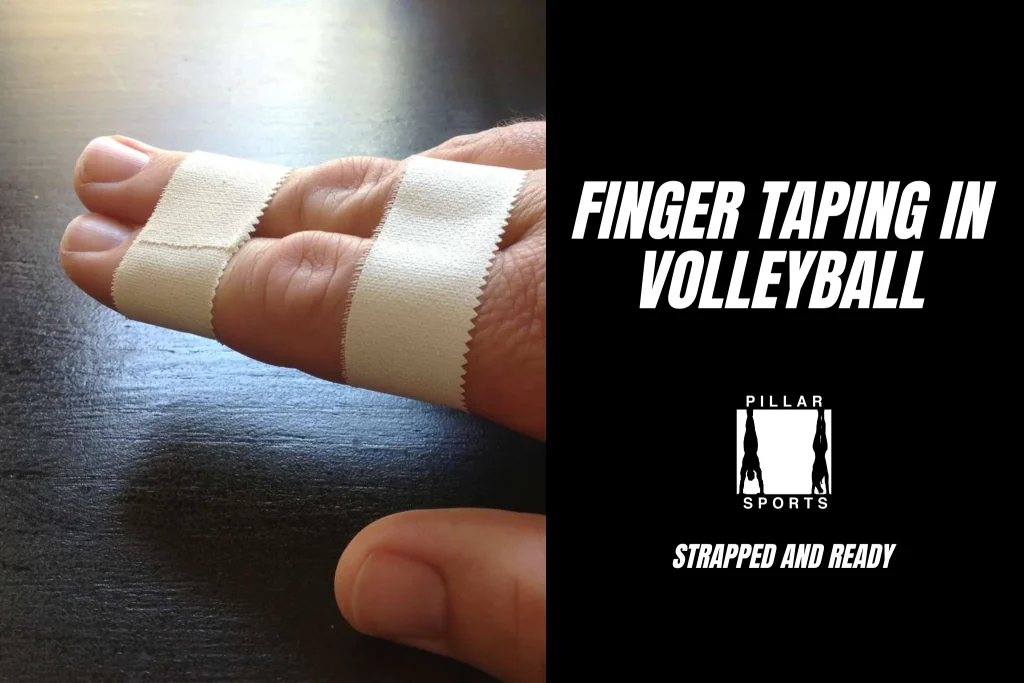
Taping is a common method for finger protection. It provides support and reduces strain during gameplay. Use sports tape to wrap fingers individually or in pairs. This stabilizes joints and prevents excessive movement. Ensure the tape is snug but not too tight. Proper taping maintains flexibility while offering protection. Consider consulting a coach for the best technique.Finger Braces And Supports
Finger braces offer excellent protection. They help keep fingers aligned and prevent injuries. Choose braces that fit comfortably and do not hinder movement. Lightweight options are ideal for maintaining agility. Some players prefer neoprene supports for their flexibility. Regularly check braces for wear and tear. Replace them as needed to ensure continuous protection.Strengthening Finger Muscles
Strengthening finger muscles is vital in volleyball to prevent injuries. Regular exercises like finger curls and resistance training can enhance grip strength. Stretching fingers before and after games helps maintain flexibility and reduces the risk of strains.
Strengthening finger muscles is crucial for volleyball players. It helps prevent injuries and improve performance. Strong fingers mean better grip and control during the game. This section covers exercises that build finger strength.Resistance Band Exercises
Resistance bands are great for finger strength. They offer adjustable tension for tailored workouts. Loop a band around your fingers and stretch outward. This simple movement builds muscle in fingers and hands. Use a band with medium resistance for balanced strength. Start with short sessions to avoid strain. Gradually increase the duration as fingers get stronger. Consistency is key for muscle growth.Grip Strength Workouts
Improving grip strength is vital. Squeeze a stress ball to build grip muscles. Hold it tightly for a few seconds, then release. Repeat multiple times for effective results. Another method is using a hand gripper tool. It offers resistance to finger muscles. Try different grips and tensions to challenge your fingers. Keep workouts short and regular for optimal benefits. Combining these exercises enhances finger strength. It reduces the risk of injuries during volleyball matches.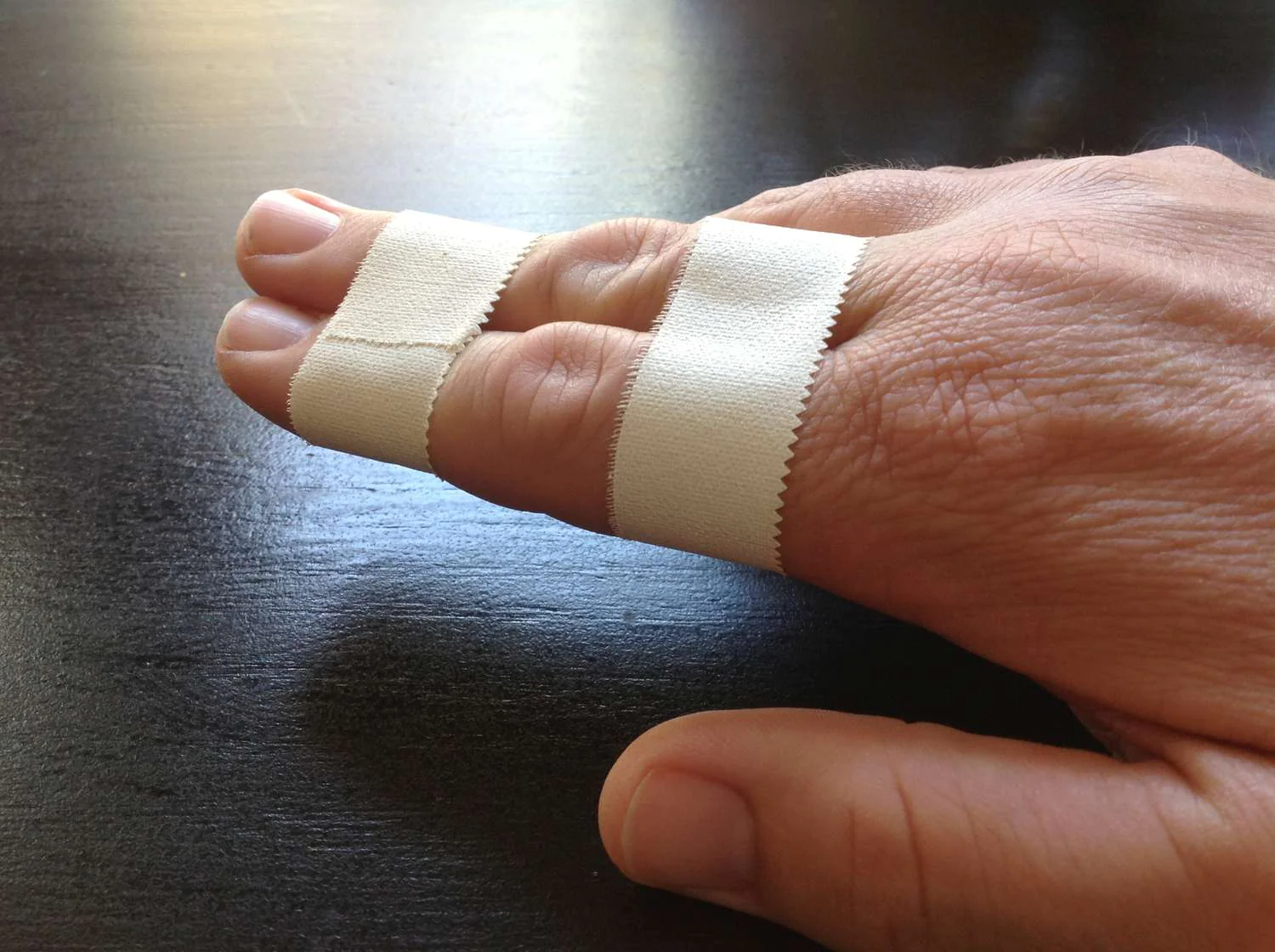
Credit: pillarsports.com
Practicing Proper Technique
Practicing proper technique in volleyball helps prevent finger injuries. Focus on correct hand positioning during serves and hits. Regularly exercising finger strength and flexibility also reduces the risk of sprains.
Practicing proper technique in volleyball is essential not only for improving your game but also for preventing injuries, especially those pesky finger injuries. Fingers are particularly vulnerable in volleyball, and mastering the correct techniques can make a significant difference. Whether you’re setting the ball or going for a block, understanding the right way to execute these movements will help keep your fingers safe and sound.Setting And Blocking Tips
Setting the ball requires precision and control. Keep your hands relaxed yet firm, forming a triangle shape with your thumbs and index fingers. This position ensures the ball is not directly hitting your fingertips, reducing the risk of injury. When blocking, timing is everything. Wait for the right moment to jump and extend your arms. Ensure your fingers are slightly apart and your hands are over the net to reduce the impact force on your fingers.Avoiding Common Mistakes
Many players make the mistake of using their palms instead of their fingers for setting. This can lead to inaccurate sets and also increases the risk of finger injuries. Always use your fingertips to control the ball’s direction. Overreaching during a block is another frequent error. This can result in awkward landings and potential finger jams. Focus on maintaining a balanced stance and an appropriate distance from the net to avoid overreaching. Have you ever noticed how seasoned players seem to glide effortlessly across the court? It’s not just experience; it’s a commitment to practicing the right techniques. Adopting these methods can not only enhance your performance but also protect your fingers from common volleyball injuries.Rest And Recovery Strategies
Playing volleyball can be tough on the fingers. Rest and recovery are vital to prevent injuries. Proper rest allows the body to heal and stay strong. Recovery strategies help maintain performance and reduce injury risk.
Importance Of Rest Days
Rest days give muscles and joints time to recover. This reduces wear and tear on the fingers. Taking regular breaks helps avoid overuse injuries. Rest keeps players fresh and ready for the next game.
Ice And Compression Methods
Ice helps reduce swelling after intense play. Applying ice packs for 15 minutes can soothe pain. Wrap fingers with a bandage for gentle compression. This method supports healing and reduces inflammation.

Credit: www.amazon.in
When To Seek Medical Attention
Severe pain, swelling, or inability to move the finger may require medical attention. If the finger shows deformity or excessive bruising, consult a healthcare professional promptly. These signs could indicate a serious injury needing expert care.
When playing volleyball, finger injuries are common. Knowing when to seek medical attention is crucial. Prompt action can prevent serious complications and ensure a swift recovery. Recognizing the signs of severe injury is essential.Signs Of Severe Finger Injury
Severe finger injuries often show clear signs. These include intense pain that doesn’t subside. Swelling that increases over time is another indicator. Watch for bruising or discoloration. Deformity in the finger shape is a major concern. Difficulty in moving the finger also signals a problem.Persistent Pain And Swelling
Pain that lasts beyond a few days is concerning. Swelling that doesn’t reduce needs attention. These symptoms might indicate a fracture or dislocation. Early intervention can prevent worsening of the condition.Loss Of Finger Function
Inability to bend or straighten the finger is serious. This might imply tendon damage or joint issues. Immediate medical evaluation is necessary in such cases. Timely care can restore normal finger function.Numbness And Tingling Sensations
Numbness or tingling after an injury is alarming. This could mean nerve damage. Prompt examination by a healthcare professional is advised. Early detection can lead to effective treatment.Visible Deformity Or Misalignment
A crooked or misaligned finger requires urgent care. This suggests a dislocation or fracture. Seek medical attention to prevent permanent damage. Proper treatment ensures correct alignment and healing.Inability To Grip Or Hold Objects
Difficulty in gripping items indicates a serious issue. This could be due to muscle or tendon injury. Consult a doctor to assess the extent of damage. Medical guidance can aid in recovery and rehabilitation.
Credit: www.amazon.in
Frequently Asked Questions
What Exercises Strengthen Fingers For Volleyball?
Engage in finger-specific exercises such as finger push-ups, grip strengtheners, and resistance bands. These exercises help improve finger strength and flexibility, reducing the risk of injuries during volleyball games. Regular practice ensures better performance and protection on the court.
How Does Taping Fingers Help In Volleyball?
Taping fingers provides support and stability, reducing the risk of injuries. It helps maintain proper alignment and prevents excessive movement, especially during intense matches. Proper taping technique is crucial for effective protection and should be practiced regularly for optimal results.
Which Warm-up Routines Prevent Finger Injuries?
Effective warm-ups include hand stretches, finger flexion, and extension exercises. These routines prepare the fingers for intense play by increasing blood flow and flexibility. Incorporating such exercises into pre-game routines significantly reduces the chance of finger injuries.
Are Finger Injuries Common In Volleyball?
Yes, finger injuries are common due to frequent ball contact. Players often experience sprains, fractures, and dislocations. Preventative measures like proper technique, warm-up exercises, and protective gear can significantly reduce the incidence of these injuries.
Conclusion
Preventing finger injuries in volleyball keeps you in the game. Use proper techniques. Practice regularly. Pay attention to your fingers while playing. Wear protective gear like finger tape. Stretch your fingers before and after matches. This reduces the risk of strains and sprains.
Always warm up thoroughly. Cold muscles are prone to injuries. Listen to your body. Rest when you feel pain. Healthy fingers mean better performance on the court. Stay safe. Enjoy the sport you love. Volleyball is fun when you play smart and stay injury-free.
Keep these tips in mind. Protect your fingers. Play confidently.