Do you ever feel overwhelmed by the thought of going to the gym for your upper body workouts? Maybe you’re short on time, or perhaps the gym just isn’t your scene.
Whatever the reason, you’re not alone. The good news is that you can effectively build and tone your upper body right from the comfort of your home, no fancy equipment required. Imagine achieving the results you want without the hassle of crowded gyms or expensive memberships.
We’ll guide you through simple yet powerful exercises that can transform your upper body. Ready to discover how you can make the most of your home workouts? Let’s dive in and unlock the secrets to a stronger you.
Benefits Of Upper Body Workouts At Home
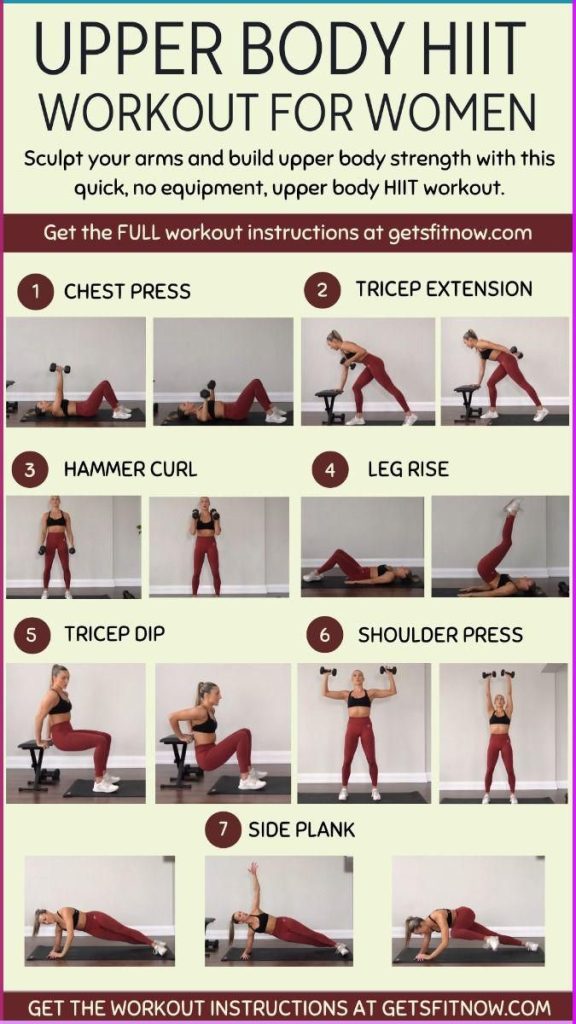
How to Workout Upper Body at Home Strengthening your upper body at home boosts muscle tone and improves posture. Simple exercises like push-ups and planks enhance arm and shoulder strength. No special equipment needed, making workouts accessible and convenient.
Working out at home is more than just a convenient alternative to the gym; it offers unique benefits that can enhance your fitness journey. Upper body workouts can be tailored to fit your schedule, allowing you to exercise without the stress of commuting or finding a suitable time for the gym. Plus, it can be more personal and comfortable, helping you stay consistent and motivated. But what are some specific advantages of focusing on upper body workouts at home?Cost-effective
Exercising at home saves you money. No gym membership fees or expensive equipment purchases. You can utilize simple tools like resistance bands, dumbbells, or even bodyweight exercises to effectively target your upper body muscles.Flexible Scheduling
At home, you have the freedom to choose when you work out. Whether it’s early morning or late night, you’re not bound by gym hours. This flexibility helps you maintain a routine despite life’s unpredictable events.Personal Comfort
Working out in your personal space lets you set the pace and environment. You can blast your favorite tunes, wear whatever feels comfortable, and avoid crowded gyms. This comfort can enhance your focus and enjoyment.Customized Workouts
You can tailor exercises to your preferences and goals. Want to focus on arms one day and shoulders the next? You decide the plan. This customization helps you target specific areas more effectively.Opportunity To Learn
Working out at home encourages you to learn more about exercise techniques. It fosters self-improvement as you research and try new exercises. You gain a deeper understanding of your body and how it responds to different workouts.Family Involvement
Exercising at home can also be a family affair. Encourage your partner or kids to join in. It’s a great way to bond and promote a healthy lifestyle for everyone in your household. Imagine the satisfaction of seeing progress in your upper body strength and endurance without stepping into a gym. What new home workout strategy will you try today?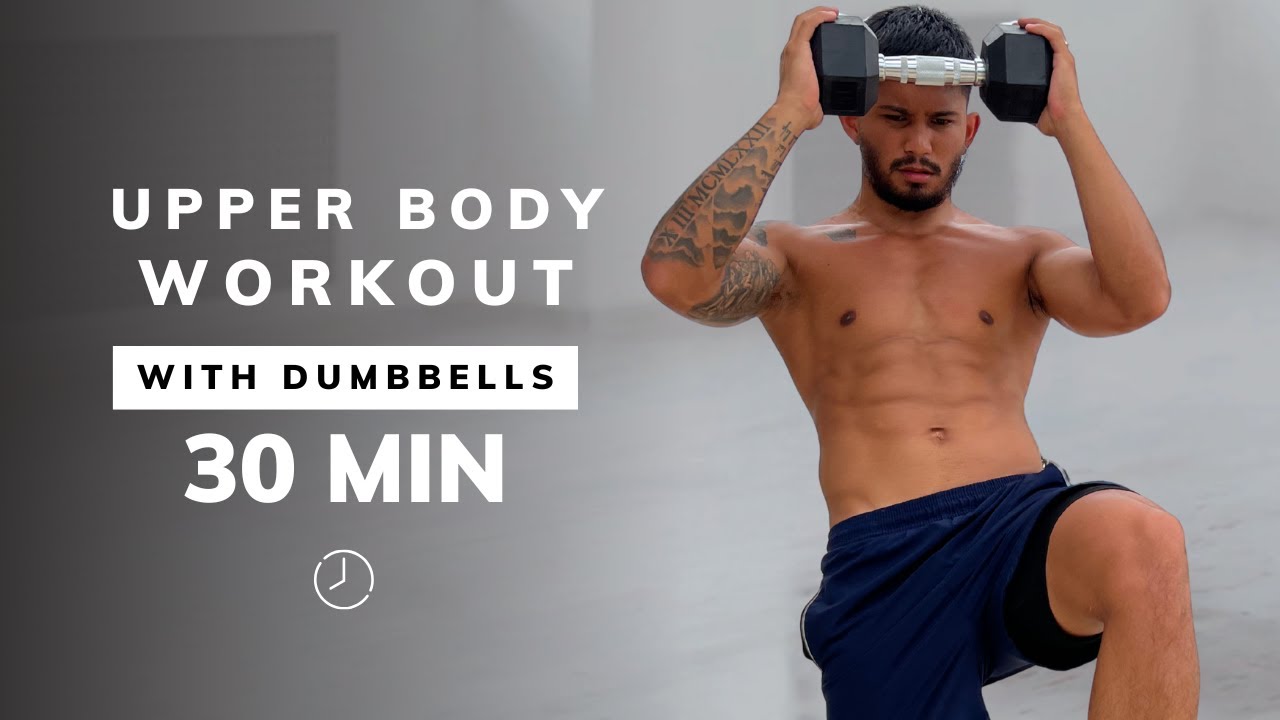
Credit: www.youtube.com
Essential Equipment For Home Workouts
Working out your upper body at home can be incredibly rewarding, especially when you have the right equipment. It doesn’t require a gym membership or tons of space. With a few essential tools, you can effectively target your muscles, increase strength, and build endurance. Let’s explore some key equipment that can transform your living room into a powerhouse of upper body workouts.
Dumbbells And Resistance Bands
Dumbbells are a classic choice for strength training, and they come in various weights to suit beginners and advanced athletes alike. They allow you to perform exercises like bicep curls, shoulder presses, and chest flys, which are fundamental for upper body workouts.
Resistance bands, on the other hand, offer versatility and portability. They’re perfect for adding resistance to exercises without the need for heavy weights. You can use them for tricep extensions, lateral raises, or even as assistance for pull-ups. Their flexibility makes them ideal for any home workout routine.
Pull-up Bars And Door Anchors
Ever thought about installing a pull-up bar? It’s one of the most effective tools for building upper body strength. Pull-ups target your back, shoulders, and arms, challenging your muscles in ways few other exercises can.
If a permanent pull-up bar isn’t an option, consider a door anchor. It’s a simple, affordable solution that can be used with resistance bands to enhance your workout. This setup allows you to perform lat pulldowns and chest presses, making it a valuable addition to your home gym arsenal.
Bodyweight Exercises Tools
Bodyweight exercises are fantastic for strengthening your upper body without any equipment. Still, a few tools can elevate these workouts. A yoga mat, for instance, provides comfort and stability for exercises like push-ups and planks.
Another tool to consider is a set of push-up bars. They allow for deeper push-ups, increasing the range of motion and targeting your chest and triceps more effectively. Don’t underestimate the power of bodyweight exercises—they can be as challenging and rewarding as those with weights.
Have you tried using these tools in your home workout? What unexpected benefits have you experienced from home training? Share your thoughts or questions below!
Warm-up Techniques
Warm-up techniques are crucial for setting the stage for an effective upper body workout at home. They not only prepare your muscles but also enhance your performance and help prevent injuries. So, how can you make sure your warm-up is effective and engaging? Let’s dive into some specific techniques that will get your body ready for action.
Dynamic Stretching
Dynamic stretching involves active movements that help to increase blood flow and loosen muscles. These stretches mimic the exercises you’ll perform and boost your flexibility. Try arm circles to warm up your shoulders or torso twists to engage your core. As you move, focus on controlled motions rather than speed. You’ll find that these stretches not only prepare your muscles but also boost your mood.
Joint Mobility Exercises
Joint mobility exercises are vital for maintaining range of motion and reducing stiffness. Consider movements like wrist rotations or elbow bends. These exercises target smaller joints that often get neglected. Have you ever noticed how an old injury can flare up unexpectedly? Joint mobility exercises can help keep these issues at bay. Keep your movements slow and deliberate to feel the full benefit.
How do you incorporate these techniques into your routine? It’s all about consistency. Start your workout with five minutes of dynamic stretching followed by five minutes of joint mobility exercises. This simple routine can make a huge difference in your workout efficiency and overall fitness. Are you ready to take your upper body workout to the next level with these warm-up techniques?
Effective Upper Body Exercises
Transforming your upper body doesn’t require a gym membership or fancy equipment. With a handful of effective exercises, you can build strength and tone muscles right in your living room. Whether you’re a beginner or a seasoned fitness enthusiast, these exercises offer variety and challenge to keep your workouts exciting and rewarding.
Push-ups Variations
Push-ups are a staple in bodyweight exercises, but did you know there are multiple ways to perform them? Standard push-ups target your chest, shoulders, and triceps, but you can switch it up with variations to hit different muscles.
- Incline Push-Ups:Perfect for beginners, these are done with your hands on a raised surface, like a bench or a table, reducing the weight on your arms.
- Decline Push-Ups:Elevate your feet to engage your upper chest and shoulders more intensely.
- Diamond Push-Ups:Bring your hands close together under your chest to focus on the triceps.
Each variation challenges your muscles in new ways, so try mixing them into your routine. Which one will you master first?
Pull-ups And Chin-ups
If you have a pull-up bar at home, you’re all set for an upper body blast. Pull-ups and chin-ups are fantastic for building back and bicep strength.
- Pull-Ups:Use an overhand grip to focus on your back muscles. This exercise is tough but incredibly rewarding once you get the hang of it.
- Chin-Ups:Opt for an underhand grip to shift the emphasis to your biceps. It’s slightly easier than pull-ups, making it a great starting point.
Don’t have a pull-up bar? Consider investing in a door-frame version. It’s a small addition that opens up a world of upper body possibilities.
Dumbbell Press And Fly
If you have dumbbells, you’re in for a treat. The dumbbell press and fly can significantly enhance your chest and shoulder muscles.
- Dumbbell Press:Lie on your back, with dumbbells in hand, and press them up to engage your chest and shoulders.
- Dumbbell Fly:From the same position, open your arms wide and bring them back together. This movement targets the chest with a stretching motion.
Adjust the weight according to your strength level. Are you ready to push your limits? Keep experimenting with these exercises to find what suits you best.
Targeting Different Muscle Groups
Working out the upper body at home can be highly effective. Focus on targeting different muscle groups to ensure balanced development. This approach helps in building strength and improving overall fitness. Let’s explore how to target specific muscles effectively at home.
Chest And Shoulders
Push-ups are great for the chest and shoulders. Try different variations to hit various angles. Incline push-ups work the upper chest. Decline push-ups engage the lower chest. Use household items like water bottles for shoulder presses. Stand or sit straight, lift weights overhead. This simple move targets shoulder muscles efficiently.
Back And Biceps
For the back, try bodyweight rows. Use a sturdy table or countertop. Lie underneath and pull yourself up. This works your back without equipment. For biceps, focus on curls with water bottles. Keep elbows close to your body. Curl weights slowly for maximum effect. Consistency is key in building strength.
Triceps And Core
Tricep dips are effective and easy to do. Use a chair or low table. Lower and lift your body using your arms. This targets the back of the arms. For core, planks are simple yet challenging. Hold a plank position on your forearms. Engage your core muscles. This strengthens the midsection effectively.

Credit: www.tiktok.com
Creating A Balanced Routine
Building a balanced routine at home can be simple. Focus on exercises like push-ups, planks, and tricep dips. These moves target your upper body effectively and require no equipment. Keep your form correct to avoid injury and ensure consistent progress.
Creating a balanced upper body workout routine at home is key to achieving optimal results without the need for a gym membership. Many people often focus on specific muscle groups, neglecting others, which can lead to imbalances and even injuries. By ensuring your routine is well-rounded, you’ll not only enhance your strength but also improve your posture and overall body functionality. Let’s dive into creating a balanced routine that keeps you motivated and progressing.Frequency And Duration
Determining how often and how long your workouts should be is crucial. Aim for consistency rather than intensity. Consider starting with three days a week, allowing your muscles time to recover and grow. Each session could last about 30 to 45 minutes, focusing on different muscle groups. This structure not only prevents fatigue but also maximizes your workout efficiency. Have you ever felt too tired to complete a workout? This is often due to overtraining or insufficient rest. Balance is about knowing when to push and when to pause.Progression And Intensity
Progression is the secret sauce to continual improvement in your workouts. It’s not just about lifting heavier weights; it’s about gradually challenging your body in new ways. You might start with bodyweight exercises like push-ups and gradually add resistance bands or dumbbells for added intensity. The key is to increase the challenge as your body adapts. This prevents plateaus and keeps your muscles guessing. Have you tried tracking your progress? Maintaining a workout journal can help you see how far you’ve come and set new goals. Remember, small increases can lead to big changes over time. A balanced routine considers both frequency and intensity, ensuring that your workouts remain effective and enjoyable. Are you ready to transform your home workout into a powerhouse of strength and balance?Safety Tips And Injury Prevention
Working out your upper body at home is a fantastic way to stay fit and strong. However, ensuring you stay safe and prevent injuries is crucial for long-term success. Whether you’re lifting dumbbells or using resistance bands, adopting the right safety measures can make all the difference. Let’s dive into some essential safety tips and injury prevention strategies to keep you on track.
Proper Form And Technique
Maintaining the correct form is vital when exercising. Incorrect form can lead to strain or injury, especially when performing exercises like push-ups or shoulder presses. Focus on keeping your back straight, engaging your core, and avoiding locking your joints. If you’re unsure about your form, consider checking online tutorials or using a mirror to self-assess. Remember, quality trumps quantity.
Listening To Your Body
Your body has a unique way of signaling when something isn’t right. It’s crucial to pay attention to any discomfort or pain during workouts. If you feel sharp pain, stop immediately and rest. Gradual soreness is normal, but intense pain is not. Adjusting your routine based on what your body tells you can help avoid injuries. Are you pushing too hard? Take a step back and assess your limits.
Nutrition For Muscle Growth
Achieving muscle growth while working out at home isn’t just about pushing through those intense upper body exercises. It’s equally about what you feed your body. Without the right nutrition, your muscles won’t have the necessary fuel to grow stronger and more defined. Here’s how you can optimize your diet to support your upper body workout goals.
Protein Intake
Protein is the building block of muscles. To see real results, ensure you’re consuming enough protein daily. Aiming for about 1.2 to 2.0 grams of protein per kilogram of body weight can be a good start. Lean meats, eggs, and plant-based proteins like lentils and beans are fantastic sources.
Consider this: after a workout, your muscles are primed for repair and growth. This is the perfect time to consume a protein-rich snack or meal. Ever tried a smoothie with Greek yogurt and a handful of almonds? It’s a quick, delicious way to refuel.
Hydration And Supplements
Water plays a critical role in muscle function and recovery. Staying hydrated helps transport nutrients to your muscles and flushes out toxins. Are you drinking enough throughout the day?
Supplements can be an excellent addition if you’re struggling to meet your nutritional needs through food alone. Creatine, for example, is well-known for its muscle-boosting properties. Before diving into any supplements, though, research them thoroughly and consider consulting a nutritionist or your doctor.
Remember, supplements are not a substitute for real food. They’re meant to complement your diet, not replace the essential nutrients found in a balanced meal. How do you plan to adjust your diet to ensure your upper body workouts are as effective as possible?
Tracking Progress And Staying Motivated
Set clear goals for your upper body workout at home. Keep track of your progress to stay motivated. Celebrate small achievements to boost your enthusiasm and maintain consistency.
Tracking your progress is essential to stay motivated during your upper body workouts at home. Seeing tangible results can be the driving force that keeps you committed to your fitness journey. But how do you ensure your progress is effectively tracked and your motivation stays high?Setting Achievable Goals
Begin by setting goals that are realistic and tailored to your current fitness level. Instead of aiming for a superhero physique overnight, focus on incremental improvements like increasing the number of push-ups or improving your form. Break down your goals into weekly or monthly targets. This approach makes them more manageable and less overwhelming. Reflect on your progress regularly to adjust your goals as needed. Think about what success looks like to you. Is it about gaining strength, endurance, or simply feeling better? Define it clearly.Using Fitness Apps
Fitness apps can be your best friend when it comes to tracking progress. They offer features like workout logs, reminders, and even progress graphs that visualize your achievements over time. Choose apps that align with your goals and preferences. Some apps focus on strength training, while others might prioritize cardio or flexibility. Leverage community features within apps to connect with others. Sharing your journey can boost motivation and accountability. Are you ready to see how your workout buddy fares in their routine?
Credit: www.youtube.com
Frequently Asked Questions
What Are Effective Upper Body Exercises At Home?
Effective exercises include push-ups, planks, and dumbbell rows. These target chest, shoulders, and back muscles. Use resistance bands for variety. Maintain proper form to prevent injuries. Aim for consistency and gradual increase in intensity. Adjust exercises based on your fitness level and goals.
How Often Should I Do Upper Body Workouts?
Aim for 2-3 times a week. Rest between sessions is crucial for muscle recovery. Balance workouts with lower body and cardio exercises. Tailor your routine based on fitness level and goals. Monitor progress and adjust frequency as needed. Listen to your body to prevent overtraining.
Can I Build Muscle Without Equipment?
Yes, bodyweight exercises can build muscle effectively. Push-ups and planks target upper body muscles. Focus on form and repetition for strength gains. Gradually increase difficulty with variations. Consistent workouts and proper nutrition are key. Use household items like water bottles for added resistance.
How Do I Avoid Injuries During Workouts?
To avoid injuries, maintain proper form and technique. Warm-up before exercises to prepare muscles. Gradually increase intensity and avoid overexertion. Use a mirror or video for form checks. Listen to your body and rest if needed. Consult a professional if unsure about exercises.
Conclusion
Working out at home builds strength and saves time. Focus on consistency. Use simple exercises like push-ups and planks. Don’t forget to rest and recover. Mix different workouts for better results. Track your progress weekly. Adjust as needed for improvement.
Stay motivated by setting small goals. Celebrate achievements, big or small. Enjoy the journey to a stronger upper body. Exercise improves health and boosts confidence. Keep your routine simple and fun. Invite a friend to join. Share tips and experiences.
Your home workout can be effective and enjoyable.