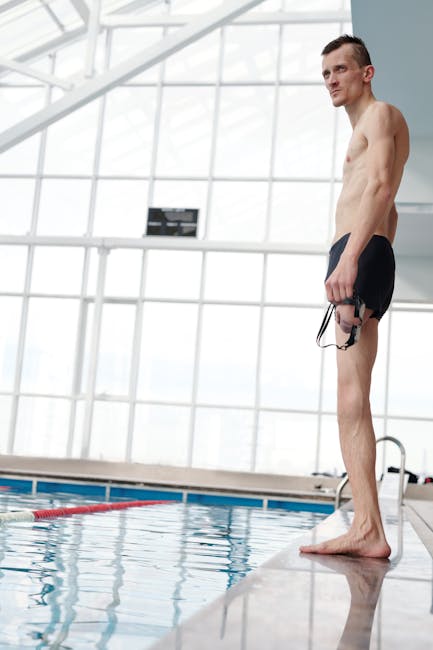
Imagine if the secret to building muscle was as simple as drinking a glass of water. You might be skeptical, but the connection between water and muscle growth is more profound than you think.
When you dive into fitness tips and muscle-building strategies, water often gets overshadowed by protein shakes and weights. Yet, it plays a crucial role in your muscle development journey. Have you ever wondered if you’re fully tapping into the potential of this basic element to maximize your gains?
Understanding how water interacts with your muscles can unlock new levels of strength and endurance. As you read on, you’ll discover surprising insights that could transform your approach to fitness and hydration. Ready to learn how something as simple as water can be your muscle-building ally? Let’s quench that curiosity and explore the hidden powers of water in muscle growth.

Credit: www.facebook.com
Hydration And Muscle Growth
Have you ever considered the impact of hydration on your muscle growth? It’s easy to overlook, yet water plays a critical role in building muscle. Without adequate hydration, your muscles can’t function optimally. Let’s dive into how staying hydrated can boost your muscle gains.
Why Water Is Crucial For Muscles
Your muscles are made up of about 75% water. This means that adequate water intake is essential to maintain muscle volume and prevent cramps. When your body is dehydrated, your muscles can become fatigued faster, limiting your workout efficiency.
Hydration Supports Protein Synthesis
Protein synthesis is the process where your body repairs and builds new muscle tissues. Water facilitates the transportation of nutrients, including amino acids from proteins, to your muscles. Think of water as the delivery system that ensures your muscles get the building blocks they need.
Enhanced Performance And Recovery
Ever noticed how your workout feels tougher when you’re dehydrated? Staying hydrated ensures your muscles are well-nourished and ready for action. Plus, it aids in faster recovery post-exercise, reducing soreness and allowing you to hit the gym more consistently.
How Much Water Do You Really Need?
The common advice is to drink eight glasses of water a day, but your needs might vary based on your activity level. If you’re sweating more during workouts, you need to replenish lost fluids. Consider carrying a water bottle and sipping throughout the day to stay ahead in your hydration game.
Hydration Strategies For Muscle Growth
- Start your day with a glass of water to kickstart hydration.
- Include hydrating foods like fruits and vegetables in your diet.
- Set reminders to drink water, especially before and after workouts.
Reflect on your hydration habits. Could improving them be the key to reaching your muscle growth goals? It’s a simple change with potentially powerful results.

Credit: www.youtube.com
Role Of Water In Muscle Function
Water plays a crucial part in muscle function. Our muscles rely on water for many processes. From energy production to waste removal, water is key. Understanding its role can aid in better fitness results.
Maintaining Muscle Hydration
Muscle cells contain a lot of water. Staying hydrated keeps them efficient and healthy. Dehydration can lead to muscle cramps and fatigue. So, drinking enough water helps muscles perform well.
Water As A Nutrient Transporter
Water carries nutrients to muscle cells. Nutrients like proteins and carbohydrates need water to move through the body. Proper hydration ensures these nutrients reach muscles swiftly. This supports growth and repair.
Water And Muscle Energy
Muscles need energy to work. Water aids in breaking down food into energy. Without enough water, this process slows down. Energy levels drop, affecting workouts and daily activities.
Role In Temperature Regulation
Exercise raises body temperature. Water helps regulate this through sweating. Sweating cools the body and prevents overheating. Proper hydration ensures efficient temperature control.
Water And Muscle Recovery
After a workout, muscles need to recover. Water helps remove waste products from cells. This speeds up recovery and reduces soreness. Drinking water after exercise is vital for muscle health.
Water And Nutrient Transport
Can water build muscle? Staying hydrated aids nutrient transport, supporting muscle growth. Proper hydration helps muscles recover and perform better.
Water plays a crucial role in muscle growth. It helps transport nutrients throughout your body. Muscles need these nutrients to repair and grow after workouts. Without water, this process slows down. Keeping hydrated ensures efficient nutrient delivery.How Water Helps Nutrient Transport
Water is essential for nutrient absorption. It helps dissolve vitamins and minerals. This makes them easier for your body to use. When muscles receive nutrients quickly, they recover faster.The Role Of Blood In Nutrient Transport
Blood carries nutrients to muscles. Water keeps blood volume stable. This ensures a steady nutrient flow. A good flow means better muscle growth.Dehydration And Muscle Efficiency
Dehydration reduces nutrient transport. Muscles don’t get what they need. This affects their performance and growth. Drinking enough water prevents this.Optimal Hydration For Muscle Growth
Drink water consistently throughout the day. This supports nutrient transport. It also aids in muscle recovery. Aim for about 8 cups daily for best results. Clear urine often indicates good hydration. Regular thirst may also guide you. Listen to your body and drink when needed. Staying hydrated supports muscle growth. It ensures nutrients reach muscles quickly. This leads to better performance and strength gains.
Credit: www.youtube.com
Impact Of Dehydration On Performance
Dehydration hinders muscle growth by reducing strength and endurance. Muscles need water to function effectively and repair. Staying hydrated enhances performance, aiding muscle development through improved nutrient delivery and waste removal.
Dehydration can greatly affect athletic performance. Water is essential for maintaining energy and focus. Lack of hydration leads to fatigue and slower muscle recovery. Muscles need water to stay strong and flexible. Let’s explore how dehydration impacts performance.Impact On Muscle Strength
Dehydration reduces muscle strength. Muscles depend on water to function well. Without enough water, they become weak. This can lead to poor workout results. Strength training requires optimal muscle performance. Hydrated muscles perform better and recover faster.Effect On Endurance
Endurance drops when you’re dehydrated. Water fuels your body’s stamina. Without it, fatigue sets in quickly. Hydration helps maintain energy levels during long workouts. Staying hydrated can boost your endurance significantly.Influence On Mental Focus
Dehydration clouds your mind. Lack of water affects concentration. Focus is crucial during workouts. Proper hydration keeps your mind sharp. It helps you stay alert and motivated.Impact On Recovery
Recovery slows down when you’re dehydrated. Water speeds up the healing process. Muscles repair faster with adequate hydration. Drinking water aids in flushing out toxins. This enhances recovery and prepares muscles for the next workout.Hydration Tips For Optimal Performance
- Drink water regularly throughout the day.
- Include water-rich foods in your diet.
- Carry a water bottle to remind yourself to hydrate.
- Monitor your urine color for hydration levels.
- Rehydrate immediately after exercise for quick recovery.
Water Consumption For Optimal Muscle Gain
Can water build muscle? Staying hydrated supports muscle growth by aiding nutrient transport and muscle recovery. Drinking enough water enhances performance and reduces fatigue, helping you gain muscle efficiently.
Water is often overlooked in the muscle-building journey, yet it’s a crucial element for optimal muscle gain. Staying hydrated supports every cell in your body, ensuring efficient nutrient delivery and waste removal. When muscles are well-hydrated, they perform better, recover faster, and grow stronger.Importance Of Hydration For Muscle Growth
Hydrated muscles are more elastic and less prone to injury. Imagine lifting weights with tight, dry muscles—it’s a recipe for strain. Drinking enough water keeps your muscles supple and ready for action.How Much Water Should You Drink?
The standard recommendation is eight glasses a day, but if you’re working out, you need more. Aim to drink at least half your body weight in ounces daily. For example, if you weigh 150 pounds, drink 75 ounces of water.Timing Your Water Intake
Drinking water before, during, and after your workouts can significantly impact performance. A glass of water 30 minutes before exercise helps you stay hydrated. Sipping water during your session prevents fatigue and improves endurance.Recognizing Signs Of Dehydration
Dehydration can sneak up on you, affecting your muscle-building efforts. Watch for signs like dark urine, fatigue, and dizziness. If you notice these, increase your water intake immediately.Hydration Beyond Water: Other Options
While water is essential, sometimes you need electrolytes, especially after intense workouts. Drinks like coconut water or electrolyte-infused beverages can replenish lost minerals. However, avoid sugary sports drinks which can counteract your fitness goals. Do you often forget to drink water while focusing on your workout routine? Consider setting a timer or using a water-tracking app. Staying hydrated is an easy way to support your muscle-building goals.Signs Of Proper Hydration
Proper hydration supports muscle growth by aiding nutrient transport and muscle recovery. Clear urine and moist skin indicate good hydration levels.
Proper hydration is crucial for muscle growth and overall health. Water plays a significant role in muscle function and recovery. Understanding the signs of proper hydration can help optimize your fitness journey. Spotting these indicators ensures your body remains in peak condition.Clear And Consistent Urination
The color of your urine can indicate hydration levels. Light yellow or clear urine usually signals proper hydration. Dark yellow urine can mean you need more water. Regular urination also suggests a well-hydrated body. Aim for a consistent pattern throughout the day.Stable Energy Levels
Hydration helps maintain energy levels. Feeling energetic and alert is a good sign. Dehydration often leads to fatigue and sluggishness. Water aids in transporting nutrients to muscles, keeping them fueled.Healthy Skin Appearance
Hydrated skin appears smooth and supple. Water keeps skin cells hydrated and elastic. Dry or flaky skin might indicate dehydration. Drinking enough water can improve skin health and appearance.Normal Thirst Levels
Feeling thirsty occasionally is normal. Constant thirst might signal dehydration. Listen to your body’s cues and drink water regularly. Thirst is a natural reminder to hydrate.Good Physical Performance
Proper hydration boosts physical performance. Muscles work efficiently with adequate water. Dehydration can lead to cramps and decreased endurance. Stay hydrated to perform your best during workouts.Tips For Staying Hydrated
Proper hydration supports muscle growth. Water helps deliver nutrients to muscles. It also aids in recovery and performance.
Staying hydrated is essential for muscle growth. Water helps transport nutrients to muscle cells. It aids in recovery and performance. Proper hydration can prevent fatigue and cramps. Here are some practical tips for staying hydrated.Know Your Daily Water Needs
Each person needs a different amount of water. This depends on age, activity level, and health. Aim for about 8 cups a day. More if you exercise a lot.Drink Before You Feel Thirsty
Thirst is a sign you are already dehydrated. Sip water regularly throughout the day. Keep a bottle nearby as a reminder.Include Hydrating Foods
Fruits and vegetables contain water. Eat watermelon, cucumbers, and oranges. These boost hydration and provide vitamins.Use A Water Tracking App
Apps can remind you to drink water. They help track your intake. This ensures you meet your daily goals.Adjust Intake Based On Activity
Increase water intake during exercise. Drink more on hot days. Your body loses more water in these conditions.Check Urine Color
Light yellow urine means good hydration. Dark urine indicates dehydration. Use this as a simple check.Set Hydration Goals
Set specific daily water goals. Achieving these can be motivating. Adjust them as needed for better results.Hydration Myths And Facts
Muscles need hydration for optimal performance and recovery. Water supports nutrient transport, aiding muscle growth. While water alone doesn’t build muscle, it enhances strength training effectiveness.
Staying hydrated is crucial not just for survival, but for achieving optimal health and fitness goals. Yet, myths surrounding hydration often muddle the truth, particularly in the context of muscle building. Let’s untangle these myths and uncover the facts about how water can truly influence your muscle growth journey.Myth: Drinking More Water Directly Builds Muscle
Water itself doesn’t contain protein or calories, which are essential for muscle growth. However, staying well-hydrated is vital for overall bodily functions, including muscle repair and growth. Without adequate hydration, you might find your energy levels depleted, hindering your workout performance and recovery.Fact: Dehydration Can Impair Muscle Function
Dehydration can lead to muscle cramps and fatigue, which can significantly impact your workout routines. Have you ever felt sluggish or experienced cramps during a workout? Chances are, you might have been dehydrated. Ensuring your body has enough fluids can help maintain muscle function and prevent unwanted injuries.Myth: You Only Need To Drink When Thirsty
Relying solely on thirst as a cue to drink water can be misleading. By the time you feel thirsty, you may already be slightly dehydrated. Instead, make it a habit to drink water regularly throughout the day to maintain your body’s hydration levels.Fact: Water Helps In Nutrient Transport
Water is a key player in transporting nutrients and oxygen to your muscles. Imagine your body as a complex network of highways, with water being the vehicle that delivers vital nutrients to your muscles. This process is essential for muscle recovery and growth.Myth: All Fluids Hydrate Equally
Not all beverages hydrate equally. Drinks high in caffeine or sugar can actually lead to dehydration. Opt for plain water or electrolyte-rich fluids to ensure you’re adequately hydrated, especially during intense workout sessions.Fact: Hydration Enhances Performance
Proper hydration can enhance your physical performance by improving endurance and strength. Have you ever noticed that you can push a bit harder during workouts when you’re well-hydrated? This is because your body functions more efficiently with adequate water levels. Engage with your hydration habits. Are you drinking enough water for optimal muscle function? Adjusting your water intake might be the simple change needed to boost your muscle-building journey.Benefits Beyond Muscle Building
Water supports muscle growth by aiding nutrient transport and waste removal. It helps maintain energy levels during workouts. Hydration boosts recovery and reduces muscle fatigue.
Water is often associated with hydration and muscle building, but its benefits extend far beyond just pumping up your biceps. Incorporating adequate water intake can enhance various aspects of your health, and you might be surprised at how interconnected these benefits are with your fitness goals. Let’s explore the unexpected advantages of staying well-hydrated.Improved Digestion
Water plays a crucial role in breaking down food and absorbing nutrients. Proper hydration can prevent constipation and promote smooth digestion, ensuring your body efficiently uses the nutrients you consume. Imagine having a meal and not absorbing all its goodness due to dehydration. Drinking enough water can help avoid this pitfall.Enhanced Skin Health
Your skin is your body’s largest organ, and it thrives when hydrated. Drinking water can keep your skin supple and reduce dryness. A well-hydrated skin not only looks radiant but also supports overall health. Think of water as your body’s natural moisturizer, working from the inside out.Boosted Cognitive Function
Ever felt foggy after a workout? That might be a sign of dehydration. Water is vital for brain function and can improve concentration and memory. Staying hydrated can help you stay sharp and focused, whether you’re at the gym or tackling daily tasks. So, next time you feel sluggish, ask yourself if you’ve had enough water.Joint Lubrication
Water is essential for maintaining the health of your joints. It acts as a lubricant, cushioning them during exercise. Proper hydration can alleviate discomfort and reduce the risk of injury. If you’ve ever experienced joint pain during workouts, consider increasing your water intake as a preventive measure.Weight Management
Water can be a secret weapon in managing your weight. It helps control hunger and can boost metabolism. Drinking water before meals may aid in portion control, preventing overeating. This simple habit can contribute to both muscle building and weight loss goals.Detoxification
Water aids in flushing out toxins from your body, supporting your liver and kidneys. A well-hydrated body can efficiently expel waste, promoting better overall health. Imagine your body as a finely tuned machine—water is the oil that keeps it running smoothly. Incorporating these benefits into your daily routine can enhance your fitness journey. Are you ready to make water your ally beyond muscle building?Frequently Asked Questions
Can Water Intake Help In Muscle Growth?
Yes, water plays a crucial role in muscle growth. It helps in protein synthesis and nutrient absorption. Staying hydrated supports muscle recovery and prevents cramps. Proper hydration improves workout performance, enabling better muscle building. Therefore, drinking enough water is essential for effective muscle development.
How Much Water Should I Drink For Muscle Gain?
For muscle gain, aim to drink about 3 to 4 liters daily. This ensures optimal hydration for performance and recovery. Adjust based on your activity level, climate, and personal needs. Consistent hydration supports muscle function and overall health, aiding in your muscle-building journey.
Does Dehydration Affect Muscle Performance?
Yes, dehydration significantly affects muscle performance. It leads to fatigue, reduced endurance, and impaired strength. Muscles require adequate water for efficient contraction and relaxation. Staying hydrated ensures optimal muscle function and enhances workout effectiveness. Therefore, drinking enough water is crucial for maintaining peak performance during exercises.
Is Drinking Water Post-workout Important For Muscles?
Drinking water post-workout is vital for muscle recovery. It helps replenish lost fluids, preventing dehydration. Adequate hydration aids in nutrient delivery to muscles, enhancing recovery. Water also helps remove toxins and reduce muscle soreness. Thus, drinking water after exercise supports effective muscle repair and growth.
Conclusion
Water plays a vital role in muscle growth. It helps transport nutrients to muscles. Proper hydration ensures optimal muscle function and recovery. Staying hydrated supports protein synthesis. This is essential for muscle repair and growth. Drinking enough water boosts energy levels.
It enhances workouts. Remember, muscles need hydration to perform well. So, keep a water bottle handy. Make hydration a daily habit. It aids muscle building efforts. Drink water regularly for better muscle health. Keep it simple. Stay hydrated, stay strong.