Have you ever wondered why fitness experts and athletes emphasize warming up before any physical activity? You’re not alone.
The secret lies in the incredible benefits that a proper warm-up routine can offer, particularly when it comes to preventing injuries. Imagine stepping into your workout full of confidence, knowing you’re minimizing the risk of strains, sprains, or more severe injuries.
This simple yet powerful practice could be the key to unlocking a safer and more effective exercise routine for you. By understanding how warming up works to protect your body, you’ll not only enhance your performance but also ensure you’re taking the best care of yourself. So, let’s dive into the fascinating world of warm-ups and uncover how they can be your ultimate shield against injury.
Benefits Of Warming Up
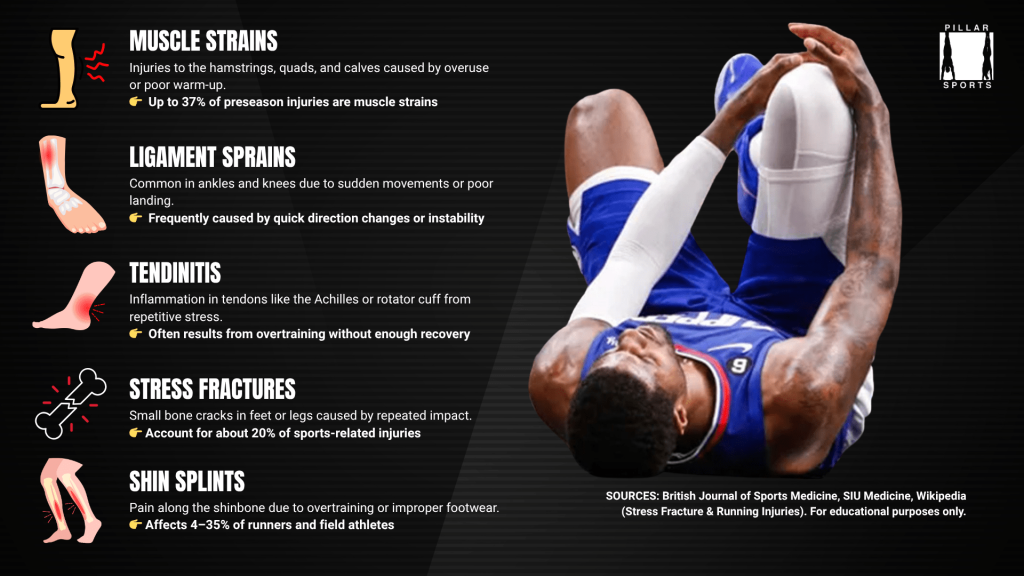
Warming up prepares muscles for activity, increasing flexibility and blood flow. It reduces the risk of strains and sprains. Proper warm-up routines also help improve performance and coordination, ensuring a safer workout experience.
Warming up before exercise is often overlooked, yet it holds immense benefits in preventing injuries and enhancing performance. By preparing your body for physical activity, you set the stage for a more effective and safe workout. Let’s delve into some specific benefits of warming up and understand why it’s crucial for your fitness journey.Increased Blood Flow And Muscle Temperature
As you begin your warm-up, your heart rate rises, boosting blood flow to your muscles. This increased circulation helps raise muscle temperature, making them more pliable and ready to handle the demands of exercise. Think about the difference between bending a warm rubber band versus a cold one; the warm band is less likely to snap. Similarly, warmed muscles are less prone to strains and tears.Enhanced Range Of Motion
Imagine trying to stretch a stiff rubber band. It’s not very flexible, right? Warming up acts like a gentle stretch for your muscles, gradually increasing their range of motion. When your muscles are more flexible, you’re less likely to encounter stiffness or injury during dynamic movements. This flexibility is particularly beneficial in activities requiring agility and quick reflexes.Improved Performance
A proper warm-up doesn’t just prevent injury—it can also boost your performance. By gradually increasing the intensity, you prepare your nervous system for the physical demands ahead. This readiness often translates to better coordination and increased efficiency in movements, allowing you to perform at your best. Warming up isn’t just a physical act; it also engages your mind. It offers a moment to focus, set goals, and mentally prepare for the workout. This mental readiness can be a game-changer, especially on days when you’re not feeling motivated. Remember that time when you didn’t feel like exercising but pushed through after a warm-up? The mental clarity and motivation that followed likely improved your workout.Reduced Risk Of Heart Problems
Jumping straight into intense exercise can be a shock to your heart. Warming up ensures a gradual increase in heart rate, reducing the risk of heart-related issues. This gradual transition is crucial for your cardiovascular health, especially if you’re prone to heart conditions or are new to intense workouts. Incorporating a warm-up into your routine might seem like a small step, but its impact on your health and fitness is significant. So, what do you do to prepare your body before a workout? Consider adding these warm-up benefits to your exercise regime, and see the difference it makes in your performance and injury prevention.
Credit: www.instagram.com
Increased Blood Flow
Warming up before exercise is crucial for injury prevention. One key benefit is increased blood flow. This helps muscles prepare for physical activity. Blood carries oxygen and nutrients to the muscles. Improved circulation ensures muscles are ready and flexible. This reduces the risk of strains and sprains.
Enhanced Oxygen Delivery
During a warm-up, heart rate gradually rises. This pumps more blood through the body. Muscles receive more oxygen, which boosts their performance. Oxygen is vital for energy production. More oxygen means muscles can work harder without tiring quickly.
Nutrient Transport
Increased blood flow delivers essential nutrients to muscles. These nutrients aid in repair and growth. Muscles become stronger and more resilient. This readiness helps prevent tears and injuries during intense activity.
Waste Removal
Blood flow helps remove waste products from muscles. Lactic acid can build up during exercise. This causes fatigue and soreness. Proper circulation helps clear these waste products. Muscles recover faster and stay healthy.
Improved Muscle Flexibility
Warm muscles are more flexible. This flexibility reduces injury risk. Stiff muscles are more prone to tears. A good warm-up loosens muscles, preparing them for movement.
Efficient Heart Function
Increasing blood flow also benefits the heart. A warm-up gradually prepares the heart for exercise. This ensures the heart functions efficiently during physical activity. A strong heart helps maintain endurance and reduces strain.
Enhanced Muscle Flexibility
Warming up helps muscles become more flexible, reducing the risk of injury during exercise. Gentle movement increases blood flow to muscles, preparing them for activity.
Enhanced muscle flexibility is a crucial benefit of warming up before any physical activity. When your muscles are more flexible, they can move more freely, reducing the risk of strains and tears. Imagine being able to reach further, jump higher, and run faster—all while minimizing the likelihood of injuries. This is what enhanced muscle flexibility offers you.Improved Range Of Motion
Warming up increases the temperature of your muscles, which enhances their elasticity. This means your muscles can stretch further without damage. Think about reaching for that top shelf or stretching to catch a ball. With improved flexibility, these movements become easier and safer.Reduced Muscle Stiffness
Stiff muscles are more prone to injuries. A proper warm-up gradually loosens them, making them less rigid. This is especially important if you’ve been sitting for long periods. A few dynamic stretches can go a long way in preparing your body for movement.Better Blood Flow
Warming up increases blood flow to your muscles, providing them with more oxygen and nutrients. This improved circulation helps your muscles perform better and recover faster. Imagine your muscles as engines; better fuel leads to better performance.Enhanced Coordination
A good warm-up not only prepares your muscles but also your nervous system. It helps improve your coordination and balance, making complex movements easier to execute. Have you ever noticed athletes practicing drills before a match? That’s to ensure their muscles and nerves are in sync.Personal Experience: A Lesson Learned
Years ago, I skipped my warm-up before a run, thinking I’d save time. The result? A painful muscle strain that sidelined me for weeks. Since then, I’ve made it a point never to skip warming up. The few minutes it takes can save you from weeks of recovery. Are you ready to embrace the benefits of warming up? Your body will thank you for it.
Credit: www.instagram.com
Improved Joint Mobility
Improved joint mobility is a crucial benefit of warming up before engaging in physical activity. It helps your joints move more freely, allowing for a fuller range of motion. This flexibility not only enhances performance but also plays a vital role in preventing injuries.
Flexibility Through Dynamic Movements
Dynamic movements, like arm circles or leg swings, increase blood flow to your joints. This prepares them for the activity ahead, reducing stiffness and the risk of strain. You might find that exercises feel smoother and more controlled.
Cartilage Lubrication
Warming up stimulates the production of synovial fluid. This fluid lubricates your joints and reduces friction. A well-lubricated joint is less prone to wear and tear, keeping you injury-free.
Enhanced Proprioception
Proprioception refers to your body’s ability to sense its position. Warming up sharpens this sense, enabling better joint alignment. This can prevent awkward movements that often lead to injuries.
Personal Experience: The Power Of Preparation
Think about the time you skipped your warm-up. How did your body feel during and after the workout? My own experience taught me the hard way that diving straight into exercise can lead to discomfort. Taking a few minutes to warm up made all the difference in joint mobility and overall performance.
Practical Tips For Effective Warm-ups
- Start with light cardio, like jogging in place, to gradually increase your heart rate.
- Incorporate dynamic stretches targeting major joints.
- Focus on movements that mimic the activity you’re about to perform.
Are you neglecting your warm-up routine? Consider the impact it has on your joint health and overall safety. Prioritize improved mobility and experience fewer injuries and better performance in your workouts.
Activation Of The Nervous System
Warming up activates the nervous system, preparing muscles and joints for movement. This reduces the risk of strains and injuries. Stretching and gentle exercises increase blood flow, enhancing flexibility and coordination.
Warming up before exercise is crucial for injury prevention. It primes the body for physical activity by activating the nervous system. This activation is key to enhancing muscle coordination and response time. During a warm-up, the nervous system sends signals to muscles, preparing them for action. This process improves agility and reduces the risk of strains.Understanding The Nervous System’s Role
The nervous system controls muscle movements. It coordinates how muscles contract and relax. Proper activation ensures muscles work efficiently. It helps in achieving fluid movements during exercise.Improving Muscle Coordination
A well-activated nervous system boosts muscle coordination. This enhances balance and control. Improved coordination lowers the chance of awkward movements, reducing injury risk.Enhancing Reflexes And Reaction Time
Warm-ups sharpen reflexes. Quick reflexes mean faster reactions to sudden changes. This is crucial in preventing falls or sprains during exercise.Increasing Blood Flow To Muscles
Warm-ups increase blood flow. More blood delivers oxygen and nutrients to muscles. This prepares muscles for the demands of exercise.Promoting Mental Preparedness
Warming up also helps mentally. It creates focus and concentration. A prepared mind is less prone to mistakes that lead to injuries.Activating Key Muscle Groups
Targeted warm-ups activate specific muscles. This ensures they are ready for the workout ahead. It prevents muscle fatigue and overuse.Conclusion: The Importance Of A Proper Warm-up
A proper warm-up is vital for injury prevention. It activates the nervous system, enhancing muscle readiness. Investing time in warming up pays off with safer workouts.
Credit: www.facebook.com
Mental Preparation
Warming up increases blood flow and flexibility, reducing injury risk. Muscles become more elastic and responsive, enhancing performance.
Warming up before exercise is crucial for both the body and mind. Mental preparation plays a significant role in preventing injuries. Engaging your mind helps you focus better, enhancing your performance. A well-prepared mind can anticipate movements, reducing the risk of mistakes that lead to injury.Understanding The Importance Of Focus
Focus sharpens your attention during physical activities. It allows you to stay present and aware of your surroundings. This mental state helps you make quick decisions, avoiding accidents.Building A Mind-body Connection
A strong mind-body connection helps you listen to your body. You become more aware of any unusual signals or discomfort. This awareness can prompt you to adjust your movements, preventing strains or sprains.Reducing Anxiety And Stress
Mental preparation reduces anxiety and stress levels. A calm mind helps you breathe better and keep your muscles relaxed. Stress-free muscles perform better and are less prone to injury.Setting Clear Goals
Setting clear goals before a workout prepares your mind for success. Knowing what you want to achieve keeps your mind engaged. This engagement maintains your focus throughout your exercise routine.Using Visualization Techniques
Visualizing your workout routine mentally prepares your body. It conditions your muscles for the upcoming activity. Visualization enhances muscle memory, reducing the risk of errors that cause injuries.Enhancing Motivation And Confidence
Mental preparation boosts motivation and confidence levels. A confident mindset encourages you to perform at your best. Motivated individuals are more likely to complete their workouts safely.Types Of Warm-up Exercises
Warming up is crucial to prevent injuries and improve performance. Different types of warm-up exercises prepare your body in unique ways. Let’s explore some effective warm-up exercises that help reduce injury risks.
Dynamic Stretching
Dynamic stretching involves active movements that stretch muscles. These stretches mimic movements of your sport. Examples include leg swings and arm circles. They increase blood flow and improve flexibility. This helps your muscles get ready for more intense activity.
Aerobic Activities
Aerobic activities increase your heart rate and warm your muscles. Examples are jogging and jumping jacks. They help your body become more alert and prepared. These exercises boost circulation and improve overall endurance.
Sport-specific Drills
Sport-specific drills focus on movements used in your sport. They help your body adapt to specific demands. For example, basketball players might practice dribbling. Such drills fine-tune your skills and reduce injury risks. They also mentally prepare you for the game ahead.
Common Warm-up Mistakes
Incorrect warm-up routines can lead to injuries. Properly warming up increases blood flow and loosens muscles. Avoid rushing through stretches or skipping them entirely.
Warming up is crucial in preparing your body for physical activity and preventing injuries. However, not all warm-ups are created equal. Many people unknowingly make mistakes during their warm-up routines that can actually increase their risk of injury rather than reduce it. Let’s delve into some common warm-up mistakes and ensure you’re getting the most out of your pre-exercise routine.Skipping The Warm-up Altogether
It’s tempting to jump straight into your workout, especially if you’re short on time. But skipping the warm-up is like driving a car in the cold without letting the engine heat up. Your muscles need that gradual increase in temperature to become more elastic and ready for the demands of exercise. Prioritize at least 5 to 10 minutes of warming up to get your blood flowing and prepare mentally and physically.Not Tailoring The Warm-up To Your Activity
A generic warm-up might not serve the specific needs of your workout. If you’re planning a run, focusing on dynamic leg movements would be more beneficial than doing upper body stretches. Make sure your warm-up mimics the movements of your main workout to effectively prepare your muscles and joints.Static Stretching Before Dynamic Movements
Static stretching can actually decrease your performance if done before dynamic activities. Your muscles need to be activated, not relaxed. Instead, engage in dynamic stretches that involve active movements, like arm circles or leg swings, to enhance your range of motion and get your body ready for action.Rushing Through The Warm-up
A rushed warm-up does little to prepare your body. You may feel like you’re saving time, but it’s like building a house without a strong foundation. Take the necessary time to engage each muscle group with controlled and deliberate movements. This approach will set you up for a more effective and safe workout.Neglecting Mental Preparation
Warming up isn’t just about the physical. It’s also about getting your mind in the right place. Use this time to focus on your breathing, set your intentions for the workout, and visualize your goals. This mental preparation can enhance your performance and help you stay committed to your fitness journey. Are you guilty of any of these common warm-up mistakes? By addressing these errors, you can optimize your warm-up routine, reduce the risk of injury, and improve your overall workout performance. Remember, a proper warm-up is an investment in your health and fitness.Creating An Effective Warm-up Routine
Warming up gently prepares muscles and joints for activity, reducing the risk of strains and sprains. It increases blood flow, enhancing flexibility and mobility, ensuring safer workouts.
Creating an Effective Warm-Up Routine is crucial for preventing injuries and enhancing performance. It prepares your body for the physical demands ahead. A well-structured warm-up routine increases blood flow to muscles, improving flexibility and joint mobility. This reduces the risk of strains and sprains. Knowing how to craft such a routine ensures your body transitions smoothly from rest to activity.Understanding The Importance Of Warm-up
Warm-ups prepare muscles for exercise. They also mentally ready you for action. Doing this helps prevent injuries and boosts performance.Components Of A Comprehensive Warm-up
An effective warm-up includes dynamic stretches. These mimic the movements in your main activity. Include light aerobic exercises to raise heart rate. This increases blood flow to muscles.Dynamic Vs. Static Stretching
Dynamic stretching involves movement-based stretches. These improve range of motion. Static stretching is holding a position. It is best used after workouts.Tailoring Your Warm-up To Your Activity
Match your warm-up to your exercise. Running requires leg-focused routines. Swimming needs shoulder and arm stretches. Tailor it to prevent specific injuries.Duration And Intensity Of Warm-up
Warm-ups should last 10 to 15 minutes. Start slow and gradually increase intensity. This prepares the body without causing fatigue.Common Mistakes In Warming Up
Skipping warm-ups leads to injuries. Using static stretches before activity reduces performance. Focus on dynamic movements for effective preparation.Scientific Studies On Warm-ups
Research shows that warming up reduces injury risk by improving blood flow to muscles. It also enhances flexibility, preparing the body for physical activity.
Scientific studies on warm-ups highlight the crucial role they play in injury prevention. Research consistently shows that a proper warm-up routine prepares your body for physical activity, reducing the risk of strains and sprains. But what do these studies actually reveal about the mechanics of warming up?Understanding The Physiological Impact
Warm-ups elevate your heart rate and increase blood flow to muscles. This heightened circulation delivers more oxygen and nutrients, boosting muscle efficiency. As a result, your muscles become more pliable and ready for action.Role Of Dynamic Stretching
Incorporating dynamic stretching into your warm-up routine can significantly lower your injury risk. Studies suggest that dynamic stretches improve joint flexibility and range of motion. This ensures your body can handle sudden movements or changes in direction without injury.Neuromuscular Activation
Warming up also activates your neuromuscular system, enhancing coordination between your brain and muscles. This activation sharpens your reflexes, helping you react quickly and efficiently. How often have you felt sluggish at the start of a workout? A proper warm-up can eliminate that feeling.Research-backed Guidelines
Scientific guidelines recommend a warm-up duration of at least 10-15 minutes. This timeframe is shown to optimize muscle temperature and performance. Have you been skimping on your warm-up? Consider allocating more time to reap these benefits.Personal Experience: A Lesson In Preparation
I once skipped my warm-up before a friendly soccer match. The result? A pulled hamstring that sidelined me for weeks. That experience taught me the importance of preparation and respecting the science behind warm-ups. Are you ready to enhance your warm-up routine and safeguard your body? The research is clear: taking those few extra minutes could save you from weeks of recovery. Don’t underestimate the power of a proper warm-up.Frequently Asked Questions
Why Is Warming Up Important Before Exercise?
Warming up is crucial because it prepares your body for physical activity. It increases blood flow, enhances muscle flexibility, and reduces the risk of strains or injuries. A proper warm-up also helps improve performance by allowing muscles to work efficiently and decreases the likelihood of post-exercise soreness.
How Does Warming Up Improve Flexibility?
Warming up increases muscle temperature, which enhances elasticity and flexibility. This process allows muscles to stretch more easily and reduces the risk of injury. Better flexibility improves overall movement efficiency during exercise, making it easier to perform activities with a full range of motion.
Can Warming Up Prevent Muscle Strains?
Yes, warming up can prevent muscle strains by gradually increasing muscle temperature and blood flow. This prepares muscles for the intensity of exercise and reduces the risk of sudden stress or tears. Proper warm-ups ensure muscles are ready for the demands placed on them during physical activity.
What Are The Benefits Of Dynamic Warm-ups?
Dynamic warm-ups benefit the body by enhancing blood circulation and muscle activation. They involve movement-based stretches that mimic exercise motions, improving coordination and agility. This type of warm-up helps prepare muscles and joints for activity, reducing injury risk and boosting performance.
Conclusion
Warming up keeps muscles ready. It helps avoid strains and sprains. Blood flow increases, making muscles flexible. Joints become more mobile. Body temperature rises, boosting performance. Preparing mentally is key. Focus improves, reducing mistakes. Simple warm-ups work best. Stretch, jog, or jump.
Consistency matters. Warm up before every activity. It protects your body and makes exercise enjoyable. Stay active, stay safe. Injury prevention starts with a good warm-up. Keep moving, and enjoy your workouts.