
Are you searching for the best yoga to enhance your flexibility? You’re not alone.
Many people, just like you, are eager to unlock the secrets of yoga to stretch and strengthen their bodies. Imagine effortlessly bending, twisting, and moving with ease—sounds appealing, right? Flexibility isn’t just about touching your toes; it’s about improving your overall quality of life.
You’ll discover which yoga practices are most effective for flexibility and why they work so well. Get ready to transform your body and elevate your well-being. Keep reading to find out how you can start seeing changes today!
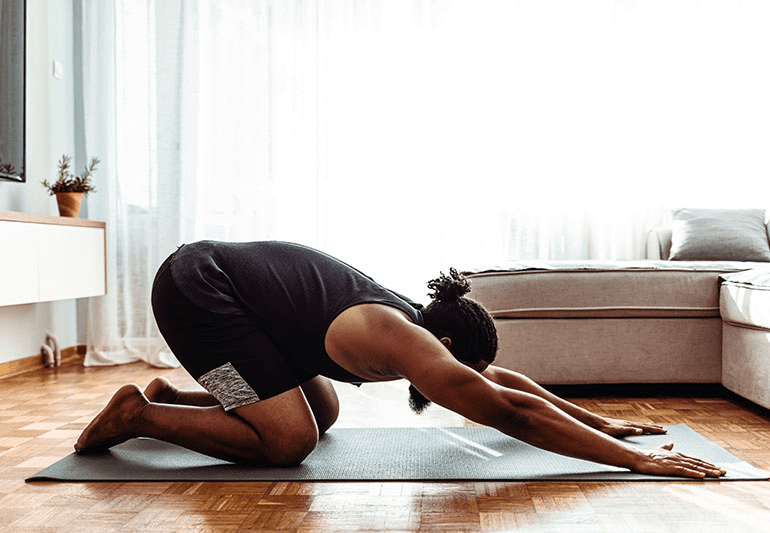
Credit: health.clevelandclinic.org
Types Of Yoga For Flexibility
Improving flexibility through yoga is a journey that offers a myriad of benefits, both physical and mental. Different styles of yoga can help enhance your flexibility, each offering unique techniques and approaches. Understanding the nuances of these yoga types can help you choose the right practice that aligns with your flexibility goals.
Hatha Yoga
Hatha Yoga is often considered the foundation of all yoga practices. It focuses on basic postures and breathing techniques, making it ideal for beginners. By holding poses longer, you can gently stretch and strengthen your muscles. This methodical approach helps improve flexibility over time.
Vinyasa Flow
Vinyasa Flow is dynamic and involves a sequence of movements that seamlessly transition from one pose to another. This fluidity not only boosts flexibility but also enhances your body’s endurance and strength. The constant motion encourages your muscles to stretch in various directions, increasing your range of motion.
Yin Yoga
Yin Yoga targets the deep connective tissues in your body. By holding poses for longer periods, it works on the ligaments and joints rather than the muscles. This practice is perfect for those looking to improve joint flexibility and release tension stored in the body.
Bikram Yoga
Bikram Yoga, practiced in a heated room, consists of a set sequence of 26 postures. The heat helps your muscles to stretch more easily, allowing for deeper flexibility. Regular practice can lead to noticeable improvements in your body’s ability to stretch and bend.
Ashtanga Yoga
Ashtanga Yoga is a rigorous style that involves synchronizing breath with a series of progressive postures. Its structured sequence builds flexibility by challenging your body to adapt to new poses. This disciplined approach can significantly enhance your flexibility if practiced consistently.
Have you tried any of these yoga styles? Which one resonates with your flexibility goals the most? Remember, the key is consistency and listening to your body as you embark on this rewarding journey.
Key Poses To Enhance Flexibility
Exploring yoga for flexibility? Try poses like Downward Dog and Cobra. These poses stretch muscles effectively, promoting greater flexibility. Regular practice can lead to improved movement and reduced stiffness.
Yoga is a powerful practice for enhancing flexibility. It combines physical postures, breathing, and meditation. Each pose stretches different muscles, aiding in increased range of motion. Below are key poses that can significantly boost flexibility.Downward Dog
This pose stretches your entire body. It targets hamstrings, calves, and shoulders. Begin on your hands and knees. Lift hips towards the ceiling. Keep your spine straight and heels pressing down. Feel the stretch from head to heel.Pigeon Pose
Pigeon Pose opens up the hips. Start in a plank position. Slide one knee forward, bending it under your chest. Extend the other leg straight behind you. Keep your hips squared to the floor. Relax and breathe deeply.Forward Bend
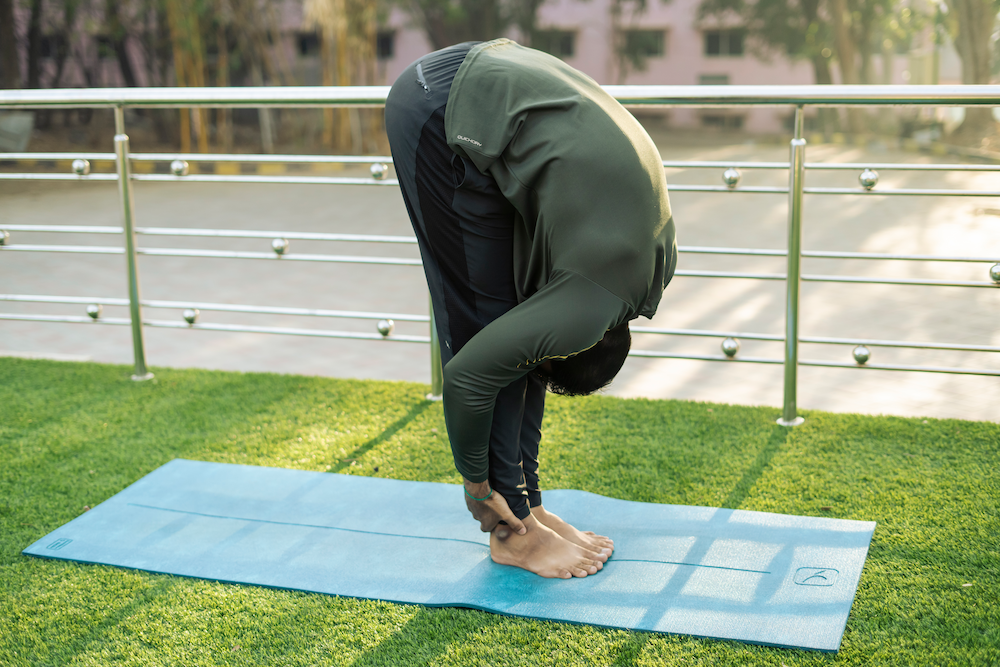
This pose is great for stretching the back and hamstrings. Stand with feet hip-width apart. Bend forward from the hips, keeping knees slightly bent. Reach for your toes or the floor. Hold the pose and feel the stretch.Camel Pose
Camel Pose targets the front body. Kneel on the floor. Place hands on lower back. Slowly lean backward, arching the spine. Look up or behind. Engage your core for balance and breathe steadily.Cobra Pose
This pose strengthens the spine and opens the chest. Lie face down on the mat. Place hands under shoulders. Press into palms and lift the chest. Keep elbows close to your body. Hold the pose and enjoy the stretch. These poses are beneficial for improving flexibility. Practice regularly to notice significant progress.Benefits Of Flexible Muscles
Hatha yoga greatly enhances flexibility by gently stretching muscles. This practice reduces stiffness and improves overall posture.
Yoga is a powerful practice for enhancing flexibility. Flexible muscles offer numerous benefits that improve overall health and well-being. Stretching and lengthening muscles not only make daily activities easier but also contribute to better physical performance and injury prevention. Let’s explore the key benefits of having flexible muscles.Improved Range Of Motion
Flexible muscles allow joints to move through their full range. This makes everyday tasks smoother and less strenuous. Tasks like bending, reaching, and twisting become easier. A good range of motion supports active lifestyles. It helps you maintain mobility as you age.Injury Prevention
When muscles are flexible, the risk of injury decreases. Stiff muscles are more prone to strains and tears. Stretching regularly strengthens muscle fibers. This added resilience protects muscles during physical activities. It helps you stay active without setbacks.Enhanced Athletic Performance
Athletes benefit greatly from flexibility. It improves speed and agility. Flexible muscles allow for quicker movements. This enhances performance in sports and exercise. Flexibility training is key for athletes aiming to improve their game.Better Posture
Flexibility contributes to good posture. Tight muscles can lead to slouching. Stretching helps align the spine properly. This reduces strain on muscles and joints. Good posture boosts confidence and reduces back pain. It supports a healthier lifestyle overall.Incorporating Yoga Into Daily Routine
Vinyasa yoga enhances flexibility through fluid movements. Poses like the downward dog and warrior stretch muscles gently. Practicing regularly helps joints move more freely, promoting overall flexibility.
Incorporating yoga into your daily routine can greatly enhance flexibility. Regular practice helps loosen tight muscles and improves joint mobility. This integration requires commitment and a thoughtful approach to achieve the best results.Setting A Consistent Schedule
Creating a routine is key. Choose a time that suits you best. Morning sessions awaken the body, while evening practices relax it. Consistency builds habit and enhances progress.Finding A Qualified Instructor
A good instructor guides you well. They ensure you use correct techniques and avoid injuries. Seek recommendations or check reviews. Online classes can be convenient and effective.Using Props For Support
Props like blocks and straps help achieve poses. They provide stability and prevent strain. Use them to deepen stretches safely. This approach makes challenging poses accessible.Tracking Progress
Keep a journal of your yoga journey. Note changes in flexibility and comfort. Photos can visually show improvements over time. Celebrate small victories to stay motivated.Common Mistakes To Avoid
Choosing yoga styles like Vinyasa or Ashtanga can boost flexibility. Avoid skipping warm-ups to prevent injuries. Stretch consistently and gently to see gradual improvement in flexibility.
Common mistakes often hinder progress in yoga practice. Avoiding these pitfalls can enhance flexibility gains. Understanding common errors helps in achieving desired results.Overstretching
Pushing too hard can lead to injury. Listen to your body. Stretching should be gentle and controlled. Pain is a signal to stop. Aim for a comfortable stretch, not a painful one.Ignoring Breath
Breathing is key in yoga. Inhale and exhale deeply. This improves oxygen flow to muscles. It also helps in releasing tension. Syncing breath with movement enhances flexibility.Skipping Warm-ups
Warm-ups prepare the body for deeper stretches. They increase blood flow and muscle readiness. Skipping them can cause stiffness. Spend a few minutes on gentle movements. This primes the body for more challenging poses.Neglecting Rest Days
Rest days are vital for muscle recovery. Overtraining can lead to fatigue and injuries. Rest allows muscles to repair and grow. Balance active days with rest to maximize flexibility gains.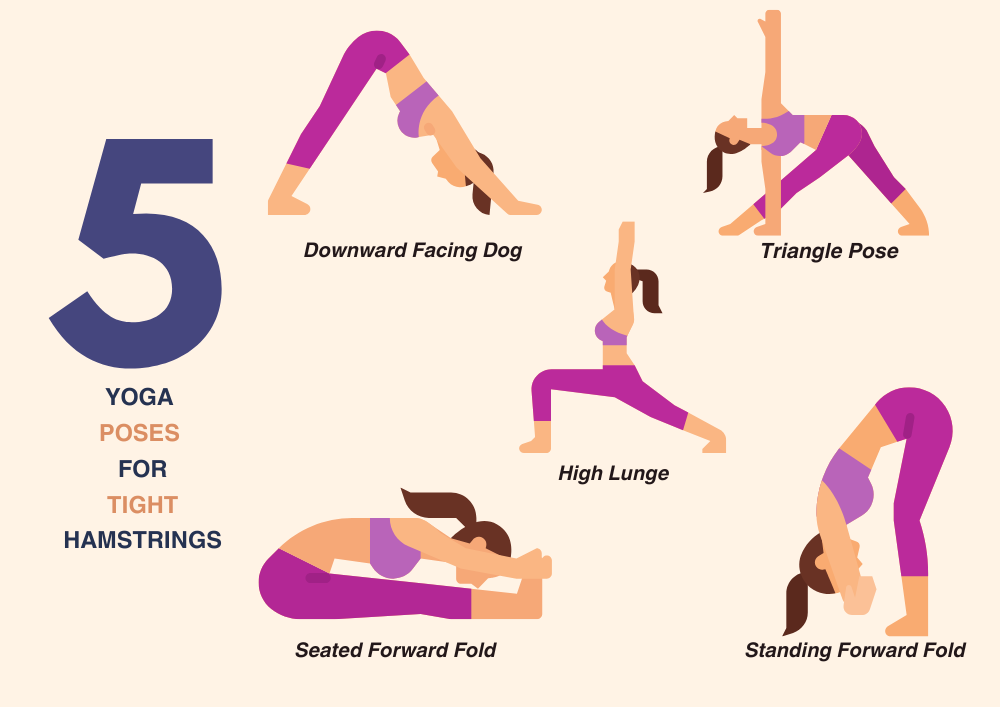
Credit: myyogateacher.com
Expert Tips For Beginners
Starting yoga can be a wonderful journey toward flexibility and wellness. As a beginner, expert guidance can make this path smoother and more enjoyable. By following some key tips, you can effectively enhance your flexibility through yoga. These insights cater specifically to those new to the practice, ensuring a gentle and rewarding experience.
Start Slow
Beginning yoga requires patience and ease. Avoid rushing into complex poses. Focus on simple movements to build a strong foundation. This approach prevents injury and boosts confidence. Taking your time helps your body adapt gradually.
Listen To Your Body
Your body knows its limits. Pay attention to its signals. If a pose feels uncomfortable, pause and adjust. Each person has a unique range of flexibility. Respect your body’s needs to avoid strain.
Focus On Consistency
Regular practice is key to improving flexibility. Set aside time for yoga daily or weekly. Even short sessions are beneficial. Consistency helps your muscles stretch and strengthen over time. Progress comes with persistence.
Stay Hydrated
Hydration supports your body’s functions. Drink water before and after yoga. It keeps your muscles supple and aids recovery. Proper hydration enhances your overall experience and performance.
Credit: myyogateacher.com
Frequently Asked Questions
What Yoga Poses Increase Flexibility The Most?
Yoga poses like Downward Dog, Pigeon Pose, and Seated Forward Bend enhance flexibility. These poses stretch various muscle groups, improving overall flexibility. Consistent practice helps in lengthening muscles and increasing range of motion. Incorporating these poses into your routine can lead to noticeable improvements in flexibility.
How Often Should I Do Yoga For Flexibility?
Practicing yoga at least 3 to 4 times a week is ideal for flexibility. Regular practice helps maintain and gradually improve your flexibility. Consistency is key to seeing progress and preventing stiffness. Balance your routine with different poses to target various muscle groups effectively.
Is Yoga Better Than Stretching For Flexibility?
Yoga offers more holistic benefits compared to just stretching. It combines breathwork, mental focus, and physical poses, enhancing flexibility. Yoga also improves strength and balance, providing a comprehensive workout. While stretching is beneficial, yoga offers a more well-rounded approach to flexibility.
Can Beginners Improve Flexibility With Yoga?
Yes, beginners can significantly improve flexibility through yoga. Starting with beginner-friendly poses helps ease into the practice. Consistent practice and patience are essential for progress. Over time, yoga increases flexibility, strength, and overall well-being, making it suitable for all levels.
Conclusion
Choosing the right yoga style can boost your flexibility. Each type offers unique benefits. Hatha yoga focuses on slow movements and deep breathing. Vinyasa links movement with breath, enhancing fluidity. Ashtanga is more structured, promoting strength and flexibility. Try Yin yoga for deep stretches and relaxation.
Experiment with different styles. Find what suits your body best. Consistent practice leads to improvement. Yoga not only increases flexibility but also calms the mind. Start today. Feel the difference. Enjoy the journey of becoming more flexible and balanced. Your body will thank you.
Stay committed. Embrace the process.