
Have you ever wondered how sports transitioned from pure talent to a battleground of ethics and fairness? The story of performance-enhancing drugs (PEDs) in sports is a captivating tale of ambition, controversy, and regulation.
These substances, which offer athletes a shortcut to greatness, have sparked debates that reach beyond the playing field. But when did sports officials decide enough was enough and put their foot down on PEDs? This intriguing question unravels a saga that not only shapes athletes’ careers but also impacts how you view the integrity of your favorite sports.
Stay with us as we delve into the history of PED bans, and discover how the decisions made then continue to influence the sports you love today.

Credit: cen.acs.org
Early Use In Sports
Performance enhancing drugs (PEDs) have always been a controversial topic in sports. The quest for excellence often leads athletes to seek ways to gain an edge over their competitors. Interestingly, the use of substances to boost performance is not a modern phenomenon. It has roots deep in history, revealing a fascinating journey of human ambition and ingenuity. Let’s dive into how these practices evolved over time.
Ancient Practices
Even in ancient times, athletes sought ways to enhance their abilities. Greek Olympians consumed special diets and concoctions believed to improve their strength and stamina. Herbs, wine, and even animal parts were used in rituals meant to honor the gods and boost performance.
The Romans, known for their gladiatorial spectacles, were no strangers to performance aids. Gladiators consumed a mixture of herbs and substances to endure the grueling physical demands of the arena. Would you have guessed that the pursuit of victory was as fierce then as it is today?
19th Century Developments
The 19th century marked significant advancements in the understanding of chemistry and medicine, leading to new performance enhancing methods. Athletes began experimenting with substances like caffeine, alcohol, and even opium to improve their endurance.
As competitive sports grew, so did the desire to push beyond natural limits. Cyclists in Europe were known to use a concoction called “speedball,” a mix of cocaine and heroin, to enhance their performance during races. This era laid the groundwork for more sophisticated PEDs that would emerge in the 20th century.
Considering the lengths athletes went to for victory, it sparks a question: How far would you go to achieve greatness in your field? The pursuit of excellence often tests the boundaries of ethics and morality, a challenge that continues to resonate in today’s sporting world.
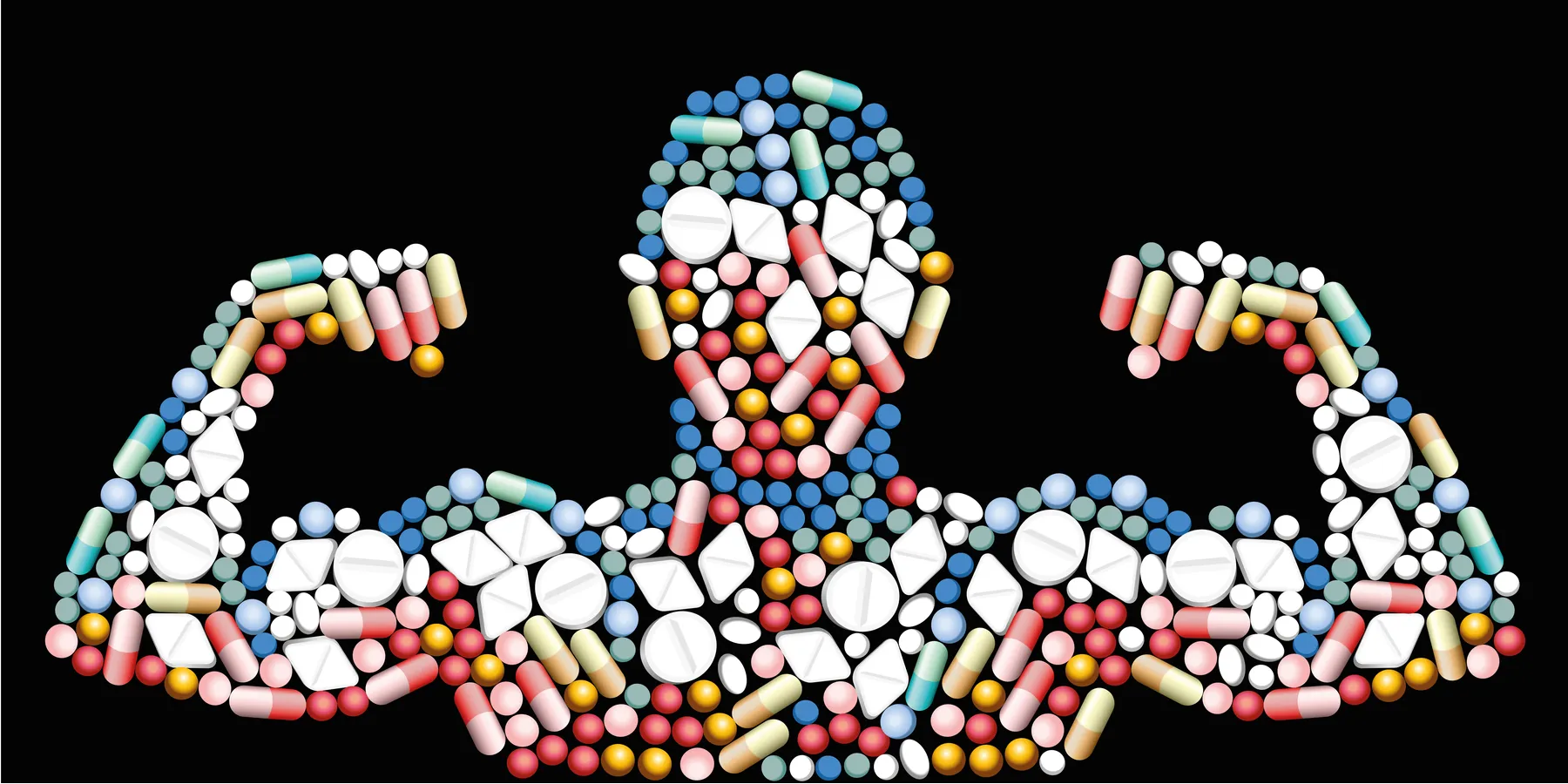
Credit: journalofethics.ama-assn.org
Rise Of Modern Concerns
The rise of modern concerns about performance enhancing drugs in sports is a compelling story. It begins with a growing awareness in the mid-20th century. As athletes pushed boundaries, the world started questioning the fairness and safety of these substances. You might wonder why it took so long for sports authorities to take decisive action.
Mid-20th Century Awareness
During the mid-20th century, the use of performance enhancing drugs became more evident. Athletes were increasingly experimenting with substances to gain a competitive edge. This period marked the beginning of serious conversations about their impact on health and fair play.
Consider the Olympic Games. By the 1960s, officials realized that unchecked drug use compromised the spirit of competition. They began implementing testing protocols, albeit rudimentary, to curb this growing issue.
High-profile Cases
High-profile cases brought the issue into the spotlight. When renowned athletes were caught using banned substances, it shocked fans worldwide. Their victories were tainted, leading to calls for stricter regulations.
Have you ever thought about the impact these cases had on the sports community? They fueled debates about ethics and the lengths athletes would go for glory. As a result, sports organizations were forced to rethink their policies, aiming for a level playing field.
These controversies highlighted the need for a comprehensive approach to drug testing. The question remains: Can sports truly achieve fairness without stringent oversight? The journey continues as authorities strive to balance competitive integrity with athlete safety.
Establishment Of Regulations
The world of sports has always been a celebration of human potential and achievement. Yet, as athletes pushed boundaries, the temptation to use performance enhancing drugs grew, threatening the integrity of competition. Establishing regulations became crucial to preserve fairness and ensure that victories were earned through talent and hard work, not chemical assistance. Understanding when these regulations took shape is pivotal in appreciating the evolution of sportsmanship.
The Role Of The International Olympic Committee
The International Olympic Committee (IOC) played a significant role in the battle against doping. In the 1960s, as rumors of drug use in sports circulated, the IOC began to take action. The 1968 Winter Olympics in Grenoble marked a historic moment when the IOC introduced drug testing for the first time. This was a bold move to uphold the Olympic spirit and ensure a level playing field. The IOC’s efforts laid the groundwork for future anti-doping measures across all sports.
Formation Of Anti-doping Agencies
The establishment of the World Anti-Doping Agency (WADA) in 1999 was a game changer. It was born out of necessity, as scandals and controversies plagued various sporting events. WADA unified efforts globally, providing standardized testing and regulations. Athletes now face rigorous scrutiny, with WADA ensuring compliance and promoting fair competition. Have you ever wondered how your favorite sport maintains its integrity? WADA’s role is pivotal, reminding athletes and fans alike that true victory comes from dedication, not shortcuts.
Key Bans And Policies
Performance-enhancing drugs (PEDs) have long been a topic of debate in sports. Over the years, various bans and policies have been implemented to maintain fair play. Understanding key bans and policies helps us grasp the evolution of sports regulations. These rules aim to ensure a level playing field for all athletes. Let’s delve into some notable banned substances and major policy changes.
Notable Banned Substances
Many substances have been banned due to their performance-enhancing effects. The most common ones include anabolic steroids, which boost muscle growth. Stimulants, like amphetamines, increase alertness and reduce fatigue. Hormones, such as EPO, improve endurance by increasing red blood cells. Diuretics are often used to mask other drugs, leading to their ban. These substances can unfairly enhance performance and harm athlete health.
Major Policy Changes
Policies around PEDs have evolved significantly over time. In the 1960s, the International Olympic Committee started drug testing. This was a major step in regulating drug use in sports. The World Anti-Doping Agency (WADA) was established in 1999. WADA set global standards for doping tests and banned substances. National organizations, like USADA in the USA, also enforce these rules. These policy changes aim to protect athletes and uphold sports integrity.
Impact On Major Sports
Performance enhancing drugs were banned in sports in the 1960s. This decision aimed to ensure fair play and athlete safety, significantly changing the dynamics of major sports worldwide.
The ban on performance-enhancing drugs has significantly shaped the landscape of major sports. These substances, once a silent player behind the scenes, are now a hot topic. Their impact is felt across a wide range of sports, from the grandeur of the Olympics to the intense competition in professional leagues.Olympics And Global Events
The Olympics stand as a symbol of purity and athletic excellence. However, the use of performance-enhancing drugs has tarnished this image. The International Olympic Committee (IOC) officially banned these substances in 1967. This decision came after several high-profile doping cases. It aimed to preserve the integrity of the Games. Imagine watching your favorite athlete win, only to discover later that they had an unfair advantage. Wouldn’t that diminish the spirit of competition for you? The strict drug testing protocols implemented by the IOC have caught numerous athletes, leading to disqualifications and scandal. This has forced athletes and coaches to reconsider their training approaches and focus more on natural talent and hard work.Professional Leagues
In professional leagues, the ban on performance-enhancing drugs has brought about significant changes. Major leagues like the NFL, NBA, and MLB have all implemented stringent drug policies. These policies aim to ensure fair play and maintain the credibility of the sport. The enforcement of these bans often leads to suspensions and fines for players caught using such substances. This not only affects their careers but also impacts team dynamics and the league’s reputation. Consider your favorite team losing a key player due to a doping suspension. It’s not just a loss for the team but a disappointment for fans, affecting the overall excitement of the sport. As a fan, you deserve to witness genuine athletic prowess, not chemically enhanced performances. The ongoing battle against performance-enhancing drugs is a crucial step toward achieving that goal in the world of sports.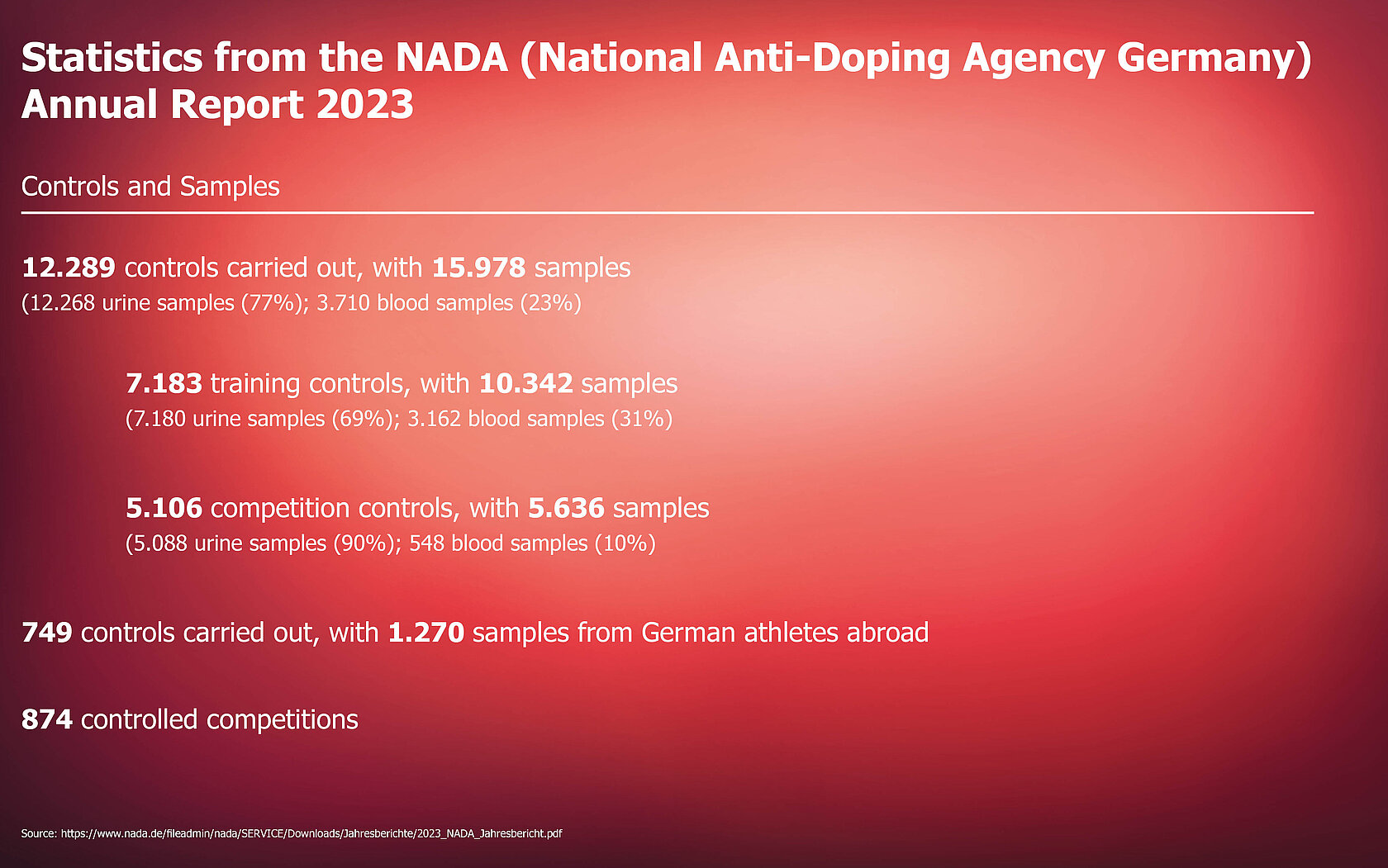
Credit: www.elementar.com
Technological Advances
In the world of sports, the battle against performance-enhancing drugs (PEDs) has been relentless. As athletes and their support teams continually seek ways to push the limits of human capability, technology has played a pivotal role. Technological advances have not only aided athletes in improving their performance but have also equipped regulatory bodies with the tools necessary to uphold fair play.
Testing Methods
The evolution of testing methods has been remarkable. Initially, doping tests were rudimentary, primarily focusing on detecting known substances. But as athletes turned to more sophisticated drugs, testing methods had to evolve rapidly.
Today, laboratories use mass spectrometry and chromatography, allowing them to identify even trace amounts of banned substances. These methods are highly sensitive and can detect a wide range of compounds, ensuring that even the most minor infraction doesn’t go unnoticed.
Challenges In Detection
With every technological advancement, new challenges in detection arise. Athletes and their teams continually look for newer, undetectable drugs, pushing scientists and regulators to stay ahead. The emergence of designer drugs, specifically tailored to evade current testing, poses a significant challenge.
Another hurdle is the use of micro-dosing, where athletes take minimal amounts of a drug to enhance performance without triggering positive results. This cat-and-mouse game between doping scientists and testers raises a crucial question: Can we ever truly stay ahead in this race?
Controversies And Scandals
Performance enhancing drugs were officially banned in sports during the late 20th century. The International Olympic Committee led the initiative in 1967. This decision aimed to promote fair competition and athlete health.
Controversies and scandals involving performance-enhancing drugs have long plagued sports. These issues have tarnished the reputation of many athletes and sporting events. The ban on these drugs was meant to ensure fair competition. Yet, the temptation to gain an edge often leads to scandals.Famous Cases
Several famous cases have highlighted the issue of doping in sports. The Lance Armstrong scandal shook the cycling world. He was stripped of seven Tour de France titles. Marion Jones, an Olympic sprinter, also faced disgrace. She admitted to using steroids and lost her medals. These cases show how doping can destroy careers.Ethical Debates
The use of performance-enhancing drugs raises ethical questions. Should athletes be allowed to enhance their performance artificially? Some argue it gives an unfair advantage. Others believe in personal choice and body autonomy. These debates continue to divide opinions in the sports community.Future Of Anti-doping Efforts
The future of anti-doping efforts in sports is a topic that stirs curiosity and concern among athletes, fans, and officials. As sports evolve, so do the methods employed to ensure fair play and integrity. With technology advancing at breakneck speed, what can you expect in the fight against performance-enhancing drugs? Let’s dive into the innovations and evolving policies shaping tomorrow’s sports landscape.
Innovations In Testing
Cutting-edge technology is revolutionizing the way doping tests are conducted. Imagine a world where athletes undergo real-time monitoring, reducing the chances of drug use slipping through the cracks. Innovations like artificial intelligence and machine learning are being integrated into testing protocols, providing unprecedented accuracy.
New biomarker detection methods promise to identify substances even more precisely than before. This development could help create a level playing field, where clean athletes compete without fear of being overshadowed by those seeking unfair advantages. How will these innovations impact the future of sports?
Evolving Policies
Policies around anti-doping are constantly being updated to tackle emerging challenges. As new drugs are developed, authorities must stay one step ahead. This involves refining existing rules and introducing new ones to address the complexity of modern doping.
Collaboration between international sports organizations and governments is crucial. By working together, they can develop comprehensive strategies that adapt to the ever-changing sports environment. What role will you play in supporting these efforts?
Engagement and education are key components of evolving policies. Athletes must be informed about the risks and consequences of doping. This proactive approach can deter drug use before it starts, safeguarding the spirit of competition for future generations.
Frequently Asked Questions
When Were Performance Enhancing Drugs First Banned In Sports?
Performance enhancing drugs were first banned in sports in 1967. The International Olympic Committee (IOC) took the initial steps to prohibit these substances. This move aimed to ensure fair competition and athlete safety. The ban has since evolved and expanded across various sports disciplines globally.
Why Were Performance Enhancing Drugs Banned?
Performance enhancing drugs were banned to ensure fair competition in sports. They can provide athletes with an unfair advantage. Additionally, these substances pose significant health risks. By banning them, sports organizations aim to protect athlete health and maintain the integrity of competitions.
Which Sports Organizations Banned Performance Enhancing Drugs?
Major sports organizations, including the International Olympic Committee and FIFA, have banned performance enhancing drugs. These organizations implement strict anti-doping policies. They conduct regular testing to ensure athletes compete fairly. The World Anti-Doping Agency (WADA) also plays a critical role in enforcing these bans globally.
What Penalties Exist For Using Banned Substances In Sports?
Penalties for using banned substances in sports can include suspensions and fines. Athletes may also face disqualification from competitions. Repeat offenders might receive lifetime bans. Penalties aim to deter drug use and maintain the integrity of sports. Each sport’s governing body sets specific rules and consequences.
Conclusion
The ban on performance enhancing drugs has shaped sports history. It aims to ensure fair play and athlete safety. Over the years, rules have evolved to keep up with new substances. Athletes face strict testing to uphold integrity in sports.
Understanding this history helps fans appreciate clean competition. It also highlights the ongoing battle against unfair advantages. Sports continue to strive for a level playing field. This journey reflects the spirit of true athleticism. Fairness and honesty remain at the heart of all sporting events.