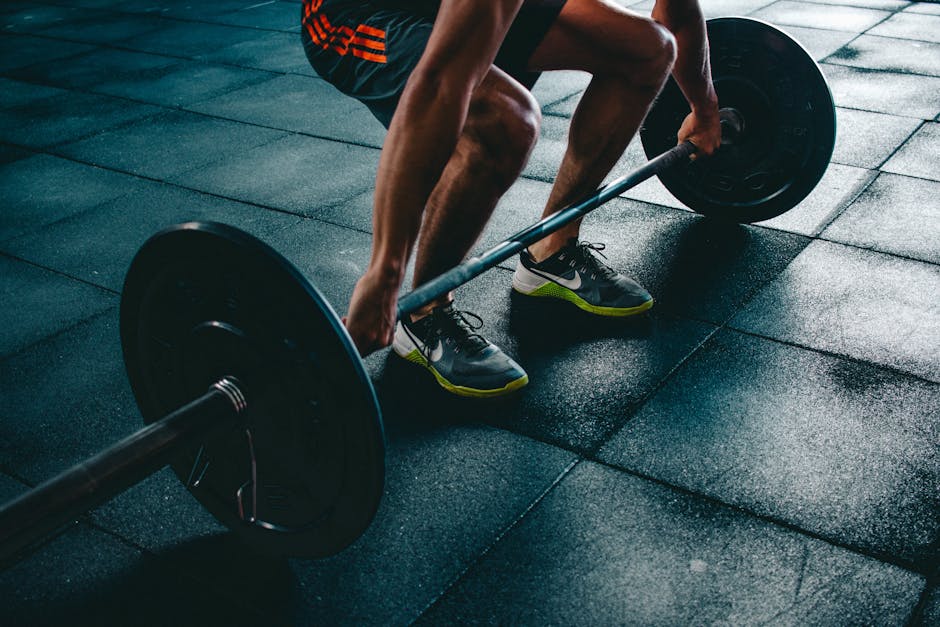
Imagine lifting a weight so powerful that it transforms your entire body. That’s the magic of deadlifts.
If you’re wondering whether deadlifts build muscle, you’re in the right place. You might have heard whispers in the gym about their effectiveness, or maybe you’re new to strength training. Whatever your situation, understanding the impact of deadlifts can be a game-changer for your fitness goals.
Deadlifts are more than just another exercise—they’re a cornerstone of muscle building. They engage multiple muscle groups, challenge your limits, and have the potential to reshape your physique. But do they really build muscle? The answer might surprise you. As you read on, you’ll discover how deadlifts work, why they’re essential, and how they can become your secret weapon in achieving the body you’ve always wanted. Get ready to unleash your potential and unlock the secrets of deadlifts. Your journey to a stronger you starts here.
Benefits Of Deadlifts
Deadlifts effectively build muscle by targeting multiple groups like legs, back, and core. This compound exercise enhances strength and muscle growth. Regular practice leads to improved posture and increased overall fitness.
Deadlifts are one of the most powerful exercises in your workout arsenal. Whether you’re a seasoned athlete or just starting your fitness journey, incorporating deadlifts can dramatically improve your muscle-building efforts. But what makes deadlifts so beneficial? Let’s explore the compelling advantages of adding deadlifts to your routine.Strength Building
Deadlifts are a powerhouse for strength development. They work multiple major muscle groups simultaneously, including your back, legs, and core. This multi-muscle engagement helps you build strength quickly and effectively. Imagine lifting a heavy weight off the ground; the effort required makes your muscles work harder, leading to increased strength over time.Full-body Engagement
Deadlifts aren’t just a leg exercise; they engage your entire body. From gripping the barbell to stabilizing your core, every part of your body is involved. This full-body engagement not only burns more calories but also enhances muscle coordination. Have you ever noticed how your grip strength improves with deadlifts? It’s a testament to their ability to engage muscles from head to toe.Functional Fitness
Deadlifts improve your ability to perform daily tasks efficiently. Whether you’re lifting groceries or moving furniture, the strength and coordination gained from deadlifts translate into real-world functional fitness. Ask yourself, how often do you lift objects off the ground? Deadlifts mimic this common movement, making everyday activities easier and safer. So, why not add deadlifts to your workout routine today? Whether you’re looking to build muscle, improve overall strength, or enhance functional fitness, deadlifts offer benefits that can boost your fitness journey.
Credit: uppper.com
Muscle Groups Targeted By Deadlifts
Deadlifts are often hailed as one of the most effective exercises for building muscle, but what makes them so powerful? The key lies in the diverse range of muscle groups they target. With every lift, you’re engaging multiple areas of your body, making deadlifts a comprehensive exercise that delivers results.
Back Muscles
When you perform a deadlift, your back muscles are one of the primary groups that get activated. The deadlift works the entire back, including the lats, traps, and the erector spinae. These muscles are crucial for maintaining posture and stability.
You might notice an increase in strength and muscle definition in your back as you continue to practice deadlifts. This can be especially beneficial if you’re looking to improve your overall physique or simply want to lift heavier weights.
Leg Muscles
Your legs play a significant role in executing the perfect deadlift. The exercise targets major leg muscles such as the quadriceps, hamstrings, and calves. These muscles are responsible for the power and drive during the lift.
As you engage your legs, you might find that your overall lower body strength improves. Regularly incorporating deadlifts into your routine can lead to more explosive movements and better performance in other exercises.
Core Muscles
Deadlifts are not just about the back and legs; your core muscles are heavily involved too. During the lift, your abs and obliques work hard to stabilize your body and maintain balance. This helps in building a strong and resilient core.
Have you considered how a stronger core can impact your everyday activities? Enhanced core strength from deadlifts can improve your posture and reduce the risk of injuries, making it a valuable component of your fitness regime.
As you see, deadlifts are more than just lifting a weight off the ground. They’re about engaging multiple muscle groups simultaneously, offering a comprehensive workout that can boost your strength and muscle development. So, next time you’re at the gym, think about the incredible benefits your body receives from this powerhouse exercise.
Types Of Deadlifts
Deadlifts are a powerhouse exercise renowned for building muscle and enhancing strength. Different types of deadlifts target various muscle groups and suit different fitness goals. Understanding the variations can help you choose the best one for your muscle-building journey.
Conventional Deadlift
The conventional deadlift is the classic form. It engages your entire posterior chain, including the back, glutes, and hamstrings. If you’ve ever felt the thrill of lifting a heavy barbell off the ground, you know the full-body workout it delivers.
This type is ideal if you aim for overall strength and muscle mass. Beginners often start here due to its simplicity. Just keep your back straight and lift with your legs to avoid injury.
Sumo Deadlift
The sumo deadlift offers a different stance, with feet wider apart and hands inside the knees. This variation shifts the focus to your quads and inner thighs. It’s a great option if you struggle with lower back issues.
Many people find they can lift heavier weights with the sumo deadlift due to the reduced range of motion. If you’re looking to break personal records, this might be your preferred choice.
Romanian Deadlift
The Romanian deadlift emphasizes the hamstrings and glutes. Unlike other types, the barbell starts and stays off the ground. This movement enhances muscle endurance and flexibility.
If you want to improve muscle definition and hamstring strength, incorporating Romanian deadlifts into your routine can be beneficial. Keep your knees slightly bent and maintain a straight back to maximize effectiveness.
Have you tried all these deadlift variations? Which one transformed your workout routine the most? Exploring different types can not only build muscle but also keep your fitness journey exciting and challenging.
Deadlifts And Hypertrophy
Deadlifts are a cornerstone of strength training, revered for their ability to pack on muscle and boost overall power. But how exactly do they contribute to hypertrophy, the process of increasing muscle size? Understanding this relationship can help you refine your workout strategy to maximize gains.
Role In Muscle Growth
Deadlifts engage multiple muscle groups simultaneously, making them one of the most effective exercises for stimulating muscle growth. When you execute a deadlift, your body recruits muscles from your legs, back, and core. This compound movement triggers a robust anabolic response, essential for muscle hypertrophy.
Think of deadlifts as a muscle-building symphony, where every muscle group plays its part. This not only enhances your physical appearance but also improves your strength and functional fitness. Are you fully leveraging this powerhouse exercise in your routine?
Volume And Intensity
The key to unlocking hypertrophy through deadlifts lies in balancing volume and intensity. Volume refers to the total number of reps and sets, while intensity is the weight lifted. Increasing volume by adding more reps and sets can promote muscle growth, but only if paired with adequate intensity.
Imagine lifting a challenging weight that pushes your muscles to their limits. This creates micro-tears in the muscle fibers, which heal and grow stronger with rest and nutrition. Are you challenging your muscles enough, or are you merely going through the motions?
Mixing heavy deadlifts with moderate reps ensures your body receives the stimulus it needs for hypertrophy. Adjust your deadlift routine and experiment with different volume and intensity levels to see what works best for your growth goals.
Common Mistakes And Risks
Improper form and excessive weight can lead to injury. Beginners often lift too much too soon. Overlooking core engagement reduces effectiveness, increasing the risk of back strain.
Deadlifts are a powerful exercise for building muscle. But, they come with their own set of challenges. Many people make mistakes that can lead to injury. Understanding these risks can help you perform deadlifts safely and effectively. Let’s explore common mistakes and how to prevent injuries.Improper Form
Improper form is a frequent mistake in deadlifting. Poor posture can strain your back. Always keep your back straight. Avoid rounding your shoulders. Engage your core muscles. This helps maintain balance. Your feet should be shoulder-width apart. Grip the bar firmly but not too tight. Lift with your legs, not your back. Practice with lighter weights first. This will help you master the correct form.Injury Prevention
Injury prevention is crucial when deadlifting. Warm up before starting your session. This prepares your muscles for the workout. Stretch your hamstrings and lower back. Use a weightlifting belt for added support. It helps stabilize your spine. Listen to your body. If you feel pain, stop immediately. Rest and recover before trying again.Incorporating Deadlifts In Your Routine
Deadlifts are essential for building muscle. They target multiple muscle groups, enhancing strength and growth. Regular deadlifts can improve muscle mass and overall fitness.
Incorporating deadlifts in your routine can be a game-changer for muscle building. They target a wide range of muscle groups, from your back to your legs, making them a core part of any strength training program. But how do you fit deadlifts into your weekly routine without overdoing it?Frequency And Reps
Finding the right balance of frequency and reps is crucial. Deadlifting too often can lead to fatigue, while too little may not yield the desired results. Aim for one to two sessions per week to give your muscles ample time to recover. Start with 3 to 5 sets of 5 reps, focusing on perfecting your form. As you become comfortable, you can adjust the reps and sets according to your goals. Want to build strength? Increase the weight and decrease the reps. Looking for endurance? Lower the weight and increase the reps. It’s about finding what works best for you and your body.Combining With Other Exercises
Deadlifts should complement, not dominate, your workout routine. Pair them with exercises that target different muscle groups to ensure a well-rounded regimen. For instance, add squats and lunges to focus on your legs, while pull-ups and rows can enhance your back workout. Mix in some cardio or flexibility exercises to keep your routine balanced. If you’re pressed for time, consider compound exercises, which can work multiple areas simultaneously. Remember, it’s not just about lifting heavy; it’s about building an effective, varied workout that keeps you challenged and engaged. Reflect on what you enjoy doing and what pushes you. Are you pushing yourself hard enough? Or could you benefit from mixing things up? Incorporating deadlifts is about more than just muscle gain—it’s about creating a routine that excites and motivates you to keep going.Expert Opinions And Studies
Deadlifts are known for their muscle-building potential, especially for the back, legs, and core. Studies show that incorporating deadlifts in workouts increases muscle mass and strength effectively. Expert opinions highlight deadlifts as a key exercise in resistance training routines.
Deadlifts are a popular exercise in weightlifting. They are known for building muscle and strength. Many experts have shared their views on deadlifts. Studies also provide insights into their effectiveness. Let’s explore what experts and research say about deadlifts.Scientific Research
Scientific studies show deadlifts activate multiple muscle groups. They target the lower back, legs, and core. Research highlights their role in muscle growth. According to studies, deadlifts are efficient for building strength. They increase muscle mass over time. Regular deadlifting improves overall fitness. It enhances muscle endurance and power.Testimonials From Trainers
Trainers often recommend deadlifts to clients. They believe deadlifts are effective for muscle building. Many trainers witness significant progress in trainees. Deadlifts help in gaining muscle and strength. Trainers observe improvements in posture and balance. Clients report increased energy and better performance. Deadlifts are a staple in strength training programs.
Credit: www.youtube.com
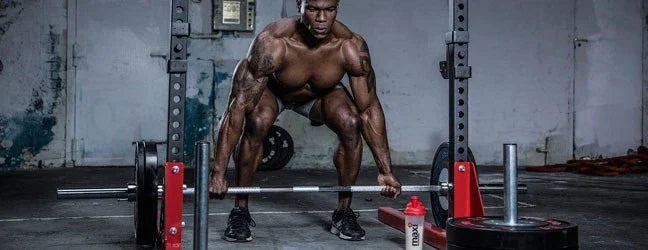
Credit: www.maxinutrition.com
Frequently Asked Questions
How Effective Are Deadlifts For Muscle Growth?
Deadlifts are highly effective for muscle growth, targeting multiple muscle groups simultaneously. They engage the back, legs, and core, promoting overall strength and hypertrophy. Incorporating deadlifts into your workout routine can significantly enhance muscle development and improve functional strength. Proper form is crucial for maximizing benefits and minimizing injury risk.
Which Muscles Do Deadlifts Target Most?
Deadlifts primarily target the lower back, glutes, hamstrings, and quadriceps. They also engage the traps, forearms, and core muscles. This compound exercise offers comprehensive muscle activation, making it a staple for building strength and mass. Regular deadlift training can lead to noticeable gains in these areas.
Can Deadlifts Help Improve Posture?
Yes, deadlifts can improve posture by strengthening the core and back muscles. Proper technique reinforces spinal alignment and stability. Over time, this can lead to better posture and reduced back pain. Consistent deadlift practice contributes to a strong foundation, promoting healthier body mechanics.
Are Deadlifts Suitable For Beginners?
Deadlifts are suitable for beginners, but proper technique is crucial. Start with lighter weights and focus on form to prevent injury. Gradually increase weight as confidence and technique improve. Consulting a fitness professional can ensure safe practice and maximize muscle-building benefits.
Conclusion
Deadlifts are great for building muscle. They engage multiple muscle groups. This includes your back, legs, and core. Consistent deadlifting leads to strength and muscle growth. It’s essential to maintain proper form. This prevents injuries and maximizes benefits. Gradually increase weights to challenge your muscles.
Combine deadlifts with other exercises. This ensures balanced muscle development. Listen to your body and rest when needed. Incorporating deadlifts into your routine can be rewarding. Achieve muscle growth and improved strength with time. Stay dedicated and see results. Deadlifts are a powerful tool in your fitness journey.