Have you ever wondered if yoga could be your secret weapon against injuries? Imagine moving with ease, feeling strong and balanced in every step you take.
Whether you’re an athlete pushing your limits or someone simply trying to stay fit, the idea of preventing injuries before they happen is incredibly appealing. The thought of fewer aches, pains, and setbacks is something we all crave, isn’t it?
You’ll discover how yoga might just be the answer you’ve been looking for. We’ll explore the ways it can strengthen your body, improve your flexibility, and enhance your balance. These are not just buzzwords; they’re the building blocks of a resilient, injury-free body. If you’ve ever felt frustrated by an injury or worried about one slowing you down, keep reading. This could be the game-changer for your fitness journey, offering you a path to not just recovery, but ongoing vitality and strength.
Credit: myyogateacher.com
Yoga And Physical Well-being
Yoga’s impact on physical well-being is profound and multifaceted. It promotes flexibility, enhances strength, and fosters a mind-body connection that is crucial for preventing injuries. As you delve deeper into the practice, you’ll find that yoga is not just about stretching; it’s about cultivating balance and awareness in your daily life.
Understanding Flexibility And Its Role In Injury Prevention
Flexibility is not just about being able to touch your toes. It’s about the range of motion in your joints, which can play a significant role in preventing injuries. Consider how a flexible body can better absorb impact and adapt to sudden movements. Regular yoga practice increases your flexibility, providing you with the agility to handle unexpected physical challenges.
Building Strength Through Yoga
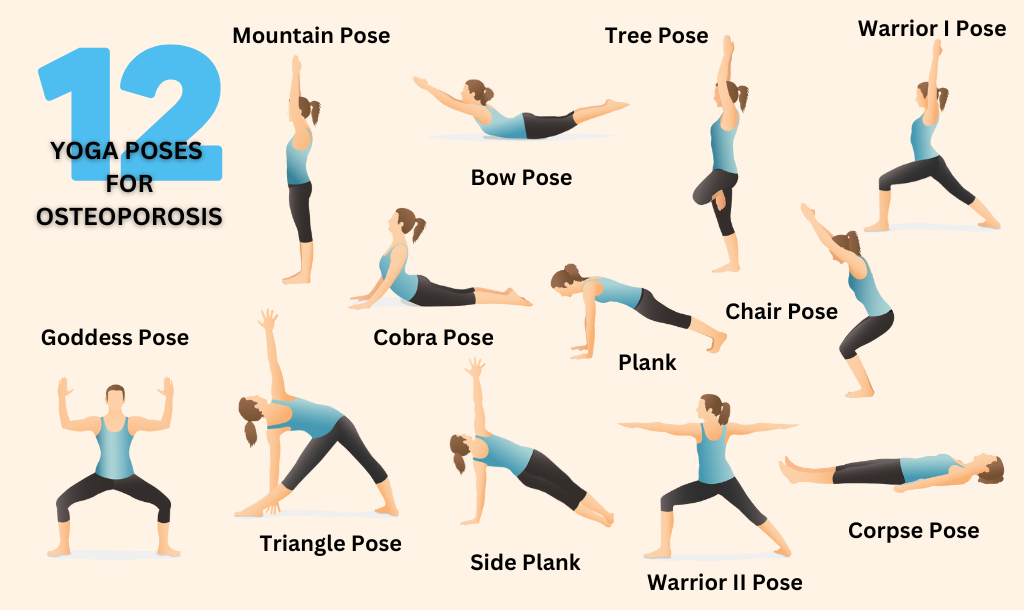
Yoga isn’t typically seen as a strength-building exercise, yet it offers incredible benefits in this area. Holding poses like the plank or warrior requires considerable muscle engagement. Over time, this builds strength that can stabilize your joints and reduce the risk of injury. Think of yoga as a way to develop functional strength that supports your body in everyday activities.
Enhancing Balance And Coordination
Have you ever stumbled because you lost your balance? Yoga teaches you to be in tune with your body’s equilibrium. Poses such as tree pose or eagle pose challenge your balance, improving your coordination. This heightened awareness can help prevent falls and related injuries, especially as you age.
The Mind-body Connection: A Key To Prevention
Yoga enhances your mind-body connection, making you more aware of your physical limits and capabilities. This awareness can prevent you from pushing too hard and risking injury. Imagine being attuned to the subtle signals your body sends when it’s on the verge of strain. Yoga equips you to listen and respond appropriately, maintaining your health and safety.
Practical Tips For Integrating Yoga Into Your Routine
- Start with simple poses and gradually increase complexity. This helps avoid overexertion.
- Practice regularly, even if it’s just a few minutes each day. Consistency is key.
- Listen to your body. If a pose feels uncomfortable, modify it or skip it.
- Consider joining a class to ensure proper technique and gain motivation.
Have you considered how yoga could transform your approach to physical well-being? As you explore these principles, it’s clear that yoga offers practical tools for injury prevention. Are you ready to embrace this holistic path to health and resilience?
Common Injuries In Physical Activities
Physical activities are a fantastic way to stay fit and healthy, but they often come with the risk of injuries. Understanding these common injuries can help you take preventive measures. Yoga, with its focus on flexibility and strength, can be an effective tool in reducing the risk of such injuries. Let’s delve into some common injuries in physical activities and see how yoga can play a role in prevention.
Common Sports Injuries
Sports enthusiasts often face injuries like sprained ankles, pulled muscles, and knee injuries. These typically occur due to sudden movements or overuse of certain body parts. Incorporating yoga into your routine can enhance flexibility and strength, reducing the likelihood of these injuries.
Running Injuries
Running is a popular exercise but can lead to issues like shin splints and runner’s knee. These injuries often stem from poor form or inadequate stretching. Yoga can help improve your posture and stretch those tight muscles, keeping running injuries at bay.
Strength Training Injuries
Lifting weights is beneficial, but improper technique can cause strains and tears. Yoga aids in aligning your body and focusing on correct form, thus reducing the risk of injuries during strength training.
Outdoor Activity Injuries
Activities like hiking or cycling can lead to falls and other mishaps. By practicing yoga, you can improve your balance and coordination, making outdoor adventures safer and more enjoyable.
How can you integrate yoga into your routine to prevent these injuries? Taking a few minutes daily to practice yoga can make a significant difference in your physical activities. Why not give it a try and see the impact yourself?
Role Of Flexibility And Strength
Flexibility and strength play a vital role in yoga’s ability to prevent injuries. Yoga enhances muscle flexibility, reducing strain. It also builds strength, supporting joints and improving balance. This combination helps in maintaining body stability and reducing the risk of injuries during physical activities.
Flexibility and strength are two crucial elements in yoga that play a significant role in preventing injuries. By enhancing these attributes, yoga can offer a protective layer against common physical strains. But how exactly does this work?Role Of Flexibility
Flexibility allows your muscles to stretch and move more freely. When your muscles are flexible, they are less likely to tear or strain during sudden movements. This is particularly helpful in daily activities, where unexpected twists and turns can catch you off guard. Consider the practice of poses like the “Downward Dog” or “Forward Bend.” These stretches help elongate your muscles, increasing their range of motion. Over time, this can lead to fewer injuries as your body becomes more adaptable.Role Of Strength
Strength in yoga is not just about building muscles; it’s about creating a balanced body. Strong muscles support joints, reducing the risk of injuries like sprains. Poses such as “Plank” or “Warrior” build core and limb strength, stabilizing your entire body. Have you ever tried balancing on one leg in “Tree Pose”? This not only tests your balance but also strengthens your leg muscles. Strong muscles act as a protective armor, shielding you from potential harm.Combining Flexibility And Strength
The beauty of yoga is in its ability to blend flexibility and strength seamlessly. A well-rounded yoga practice ensures that you’re not only limber but also robust. This combination is key to maintaining a body that can handle life’s physical demands. Imagine being able to lift heavy grocery bags without straining your back or running up a flight of stairs without knee pain. A yoga practice that balances flexibility and strength can make these scenarios a reality.Personal Experience And Insights
Reflecting on my own yoga journey, I recall a time when my lack of flexibility led to a minor injury during a workout. Incorporating yoga into my routine has since made my body more resilient. Now, I feel more confident in my movements, knowing my body can handle what life throws my way. What about you? Have you noticed how flexibility and strength influence your daily life? Embracing yoga might just be the change you need to prevent injuries and enhance your physical well-being.Balance And Coordination
Yoga enhances balance and coordination, reducing the risk of injury. Regular practice strengthens muscles and increases flexibility, helping to prevent falls and strains.
Yoga enhances balance and coordination. These skills are crucial for preventing injuries. Yoga involves various poses that challenge your body. These poses require focus and stability. Practicing yoga regularly improves these abilities. It helps you move more gracefully. You become aware of your body’s positioning. This awareness reduces the risk of falls and injuries.Improves Muscle Strength
Strong muscles support balance. Yoga builds muscle strength. It uses body weight for resistance. The Warrior Pose, for example, strengthens legs and core. This strength helps maintain stability in daily activities. Strong muscles are less prone to injury.Enhances Flexibility
Flexibility plays a key role in balance. Yoga stretches muscles and improves flexibility. Flexible muscles adjust better to sudden movements. This reduces the chance of strains and sprains.Boosts Proprioception
Proprioception is the sense of body position. Yoga sharpens this sense. It involves precise movements and holds. Improved proprioception helps respond to environmental changes. This ability is vital for injury prevention.Promotes Focus And Concentration
Balance requires focus. Yoga encourages mental clarity and concentration. During yoga, you focus on breathing and posture. This practice improves your ability to concentrate. Better focus supports better balance.Improves Posture
Good posture is essential for balance. Yoga promotes proper alignment of the body. Posture correction in yoga prevents stress on joints. This leads to better balance and reduced injury risk.Strengthens Core Muscles
A strong core supports balance. Yoga poses like the Plank strengthen core muscles. A strong core stabilizes the body. This stability helps maintain balance and prevent falls.Develops Body Awareness
Yoga increases awareness of body movements. This awareness is crucial for maintaining balance. Knowing how your body moves helps avoid awkward positions. This knowledge reduces the chance of injury.Mindfulness And Body Awareness
Yoga enhances mindfulness and body awareness, promoting balance and flexibility. These elements help in reducing the risk of injuries. Practicing yoga regularly strengthens muscles and improves joint stability, contributing to overall physical health.
Mindfulness and body awareness are central to yoga practice. They help in preventing injuries. Yoga teaches you to listen to your body. This helps in recognizing limitations and potential risks. Understanding your body’s signals is vital for safe practice.Mindful Breathing Enhances Focus
Mindful breathing is a key aspect of yoga. It keeps you present and focused. This reduces the chances of distraction-related injuries. Controlled breathing aligns your mind and body. It helps in maintaining proper posture.Body Scans Identify Tension
Body scans in yoga help in identifying tension. This practice helps in relaxing tight muscles. It reduces the risk of strains and sprains. Regular body scans increase self-awareness. They help in noticing subtle changes in your body.Listening To Your Body’s Signals
Yoga encourages listening to your body’s signals. This awareness helps in recognizing fatigue and discomfort early. It prompts timely adjustments in poses. Respecting your body’s limits prevents overexertion. It safeguards against injuries.Practicing With Intention
Yoga promotes practicing with intention. This approach ensures every movement is deliberate. It minimizes careless mistakes. Intentional practice focuses on quality over quantity. This reduces the likelihood of injuries.
Credit: www.yogajournal.com
Scientific Studies On Yoga And Injury Prevention
Scientific studies suggest yoga may help prevent injuries by improving flexibility and strength. Regular practice can enhance body awareness, reducing the risk of strains and sprains.
Scientific research has increasingly highlighted the role of yoga in preventing injuries. As more athletes and fitness enthusiasts seek ways to enhance their performance, the emphasis on safe practices becomes paramount. Yoga, with its holistic approach to body movement and mindfulness, has emerged as a valuable tool for injury prevention. But what does science say? Let’s delve into some studies that shed light on yoga’s effectiveness in this area.Findings From Clinical Trials
Clinical trials have consistently shown yoga’s efficacy in reducing injury risks. One study found that participants who practiced yoga regularly experienced fewer musculoskeletal injuries compared to those who did not. This suggests yoga may enhance flexibility and strength, creating a protective buffer against common injuries.Yoga’s Impact On Muscle Recovery
Muscle recovery is crucial for anyone engaged in physical activity. Research indicates that yoga can significantly improve muscle recovery times. By incorporating stretching and relaxation techniques, yoga aids in reducing muscle soreness and accelerating the healing process after intense workouts.Yoga’s Role In Enhancing Balance And Coordination
Balance and coordination are vital for preventing falls and related injuries. Studies reveal that yoga improves proprioception, which is your body’s ability to perceive its position in space. Enhanced proprioception through regular yoga practice leads to better balance and coordination, reducing the likelihood of falls.Reducing Stress-related Injuries
Stress is often an overlooked factor in injury occurrence. Chronic stress can lead to muscle tension and fatigue, increasing injury risk. Yoga’s focus on mindfulness and breathing exercises helps manage stress effectively. Scientific evidence supports the idea that regular yoga practice can lower cortisol levels, thereby reducing stress-related injuries. Could incorporating yoga into your routine be the key to staying injury-free? As these studies suggest, yoga’s benefits extend beyond flexibility and relaxation—it may be your secret weapon against injuries.Yoga Poses For Injury Prevention
Exploring yoga poses can aid in injury prevention by enhancing flexibility and strength. Regular practice helps maintain balance and improves posture.
Yoga is a powerful tool for preventing injuries. Many athletes and fitness enthusiasts incorporate it into their routines. Practicing specific yoga poses can improve flexibility, strength, and balance. These are vital for injury prevention. Explore these essential yoga poses to safeguard your body from harm.Poses For Flexibility
Improving flexibility helps muscles stretch and reduces strain. Here are some poses:- Downward Dog: Stretches the hamstrings and calves.
- Cat-Cow Stretch: Increases spine flexibility.
- Butterfly Pose: Opens the hips and stretches the inner thighs.
Poses For Strength
Strong muscles support joints and prevent injuries. Consider these poses:- Plank Pose: Strengthens the core and arms.
- Warrior II: Builds leg and shoulder strength.
- Chair Pose: Tones thighs and calves.
Poses For Balance
Balance improves stability and coordination. Essential poses include:- Tree Pose: Enhances ankle and leg balance.
- Eagle Pose: Strengthens balance and concentration.
- Half Moon Pose: Boosts core and leg stability.
Precautions And Safe Practices
Practicing yoga can help in reducing the risk of injuries. Proper techniques and mindful movements are key. Focus on alignment and listen to your body to prevent strain.
Yoga is a powerful tool for enhancing physical well-being. It promotes flexibility, strength, and balance. These benefits can help prevent injuries. Practicing yoga safely is crucial to avoiding harm. Understanding the right techniques and precautions is essential. This ensures you gain the most from your practice without risking injury.Understanding Your Limits
Listen to your body. Avoid pushing beyond your comfort zone. Gradually increase intensity and duration. Progress at a pace that feels right. Respect personal boundaries to prevent strain.Proper Warm-up
Begin with a gentle warm-up. Prepare muscles and joints for movement. This reduces the risk of injury. Simple stretches and breathing exercises are effective. They enhance circulation and flexibility.Use Appropriate Equipment
Choose the right gear for safety. A non-slip mat provides stability. Comfortable clothing allows freedom of movement. Supportive props can aid balance and alignment.Focus On Alignment
Correct posture is vital. Align your body properly in each pose. This prevents strain on muscles and joints. Seek guidance from experienced instructors. They ensure your technique is safe.Stay Hydrated
Hydration is important during yoga. Drink water before and after practice. This keeps muscles flexible and reduces cramps. It supports overall physical health.Recognize Signs Of Discomfort
Pay attention to bodily signals. Stop if you feel pain or discomfort. Adjust your posture or take a break. Ignoring signs can lead to injury.Gradual Progression
Increase difficulty over time. Avoid sudden jumps in complexity. This allows your body to adapt safely. Steady progression strengthens and prevents injury.Yoga As Complementary Practice
Yoga enhances flexibility and strength, which may reduce the risk of injuries. Its focus on balance and posture supports overall body stability. Regular practice can lead to improved body awareness, helping to prevent common strains and sprains.
Yoga has long been celebrated for its benefits to both body and mind. As a complementary practice, yoga provides invaluable support to athletes and active individuals. Its gentle stretches and controlled breathing help enhance flexibility and focus. This balance reduces the risk of injuries during physical activities. Yoga doesn’t replace other exercises; it adds a layer of protection and awareness.Flexibility Enhancement
Yoga stretches muscles gently. This increases range of motion. Better flexibility reduces strain during movements. It helps joints move smoothly. Consistent practice loosens tight muscles.Improved Balance And Coordination
Yoga postures improve balance. This reduces falls and missteps. Coordination between mind and body sharpens. Practitioners become more aware of their movements. This awareness prevents accidental injuries.Strength Building
Yoga strengthens core muscles. Stronger muscles support joints better. This decreases injury risk. Every pose builds strength without strain. It targets muscles evenly.Mental Focus And Relaxation
Yoga improves concentration. Focused minds make better movement choices. Relaxation techniques ease stress. Less stress means fewer tension-related injuries. Calm minds react well to unexpected situations.Breathing Techniques
Controlled breathing is key in yoga. It provides oxygen efficiently. Better oxygen flow energizes muscles. Breathing techniques calm the mind. This reduces panic during intense activities.
Credit: www.instagram.com
Personal Experiences And Testimonials
Yoga enthusiasts often share how it helps in preventing injuries. Many find improved flexibility and strength through regular practice. Personal stories highlight fewer injuries and quicker recovery times.
Personal experiences and testimonials provide rich insights into yoga’s role in injury prevention. Many individuals have shared their stories, highlighting how yoga helped them avoid injuries. These personal accounts often reveal the transformative impact of regular practice. From athletes to daily yoga enthusiasts, each testimonial offers a unique perspective on yoga’s benefits.Real-life Stories From Yoga Practitioners
Yoga practitioners frequently share their experiences with friends and online communities. For some, yoga has been a crucial part of their injury-free lifestyle. A runner might describe how yoga stretches prevent muscle strains. Another might talk about increased flexibility reducing joint injuries. These real-life stories resonate with many who seek a balanced approach to fitness.Impact On Athletes
Athletes often face intense physical demands, leading to injuries. Some athletes report fewer injuries after incorporating yoga into their routines. They mention improvements in balance and flexibility as key factors. Yoga helps maintain peak physical condition, lowering injury risk. Testimonials from athletes underscore yoga’s potential in sports training.Yoga As A Tool For Recovery
Injury recovery can be a long and painful process. Many find yoga beneficial for rehabilitation. Gentle poses aid in healing, restoring strength and mobility. Testimonials highlight yoga’s role in recovery journeys. Practitioners often feel stronger and more resilient post-injury. These experiences showcase yoga’s healing power.Community Support And Encouragement
The yoga community offers support and encouragement to those facing injuries. Personal stories shared within this community inspire others. Practitioners exchange tips and pose recommendations. This collective wisdom fosters a supportive environment. Shared experiences create a sense of belonging and motivation.Testimonials From Yoga Instructors
Yoga instructors often witness the positive effects of yoga firsthand. They see students improve physically and mentally. Instructors share stories of students overcoming injury challenges. These testimonials highlight yoga’s preventive capabilities. Instructor experiences add credibility to yoga’s benefits.Frequently Asked Questions
Can Yoga Help Prevent Sports Injuries?
Yes, yoga can help prevent sports injuries by improving flexibility, balance, and strength. Regular practice enhances body awareness and reduces the risk of strains. Yoga also promotes proper alignment and relaxation, which aids in injury prevention. Incorporating yoga into your routine can be beneficial for athletes and active individuals alike.
How Does Yoga Improve Body Flexibility?
Yoga improves body flexibility through various poses and stretches that lengthen muscles and increase joint range of motion. Consistent practice enhances the elasticity of connective tissues, making them more resilient. Improved flexibility helps prevent injuries by allowing the body to move more freely and adapt to physical demands.
Is Yoga Effective For Injury Recovery?
Yes, yoga is effective for injury recovery by promoting gentle movement and increased blood circulation. It can help reduce inflammation and relieve pain. Yoga also enhances mental well-being, aiding in a holistic recovery process. Always consult a healthcare professional before starting yoga post-injury for personalized guidance.
Can Yoga Strengthen Weak Muscles?
Yoga can strengthen weak muscles through targeted poses and sequences that engage specific muscle groups. These exercises build endurance and improve muscle tone. Regular practice increases muscle strength and stability, reducing the risk of injury. Incorporating yoga into your fitness regimen can complement other strength training activities.
Conclusion
Yoga offers many benefits for injury prevention. It enhances flexibility and strength. These elements reduce the risk of injury. Consistent practice can help balance and posture. This minimizes strain on muscles and joints. Yoga also promotes mindfulness and body awareness.
This helps in identifying early signs of discomfort. Addressing these signs can prevent serious injuries. While not a guarantee, yoga is a useful tool. It supports an active, injury-free lifestyle. Consider adding yoga to your routine. It may help in maintaining overall well-being.
Always consult a professional for personalized advice. Stay safe and stay active.