
Imagine feeling both limber and powerful in your daily life. Yoga is often praised for its ability to enhance flexibility and strength.
But which aspect does it truly prioritize? You might be wondering if yoga is the secret to touching your toes or if it’s the key to building muscle. The answer might surprise you and could change the way you view this ancient practice.
By uncovering the true benefits of yoga, you can unlock a new level of physical and mental well-being. Ready to discover whether yoga is your path to flexibility, strength, or perhaps both? Keep reading to find out how this practice can transform your body and mind.
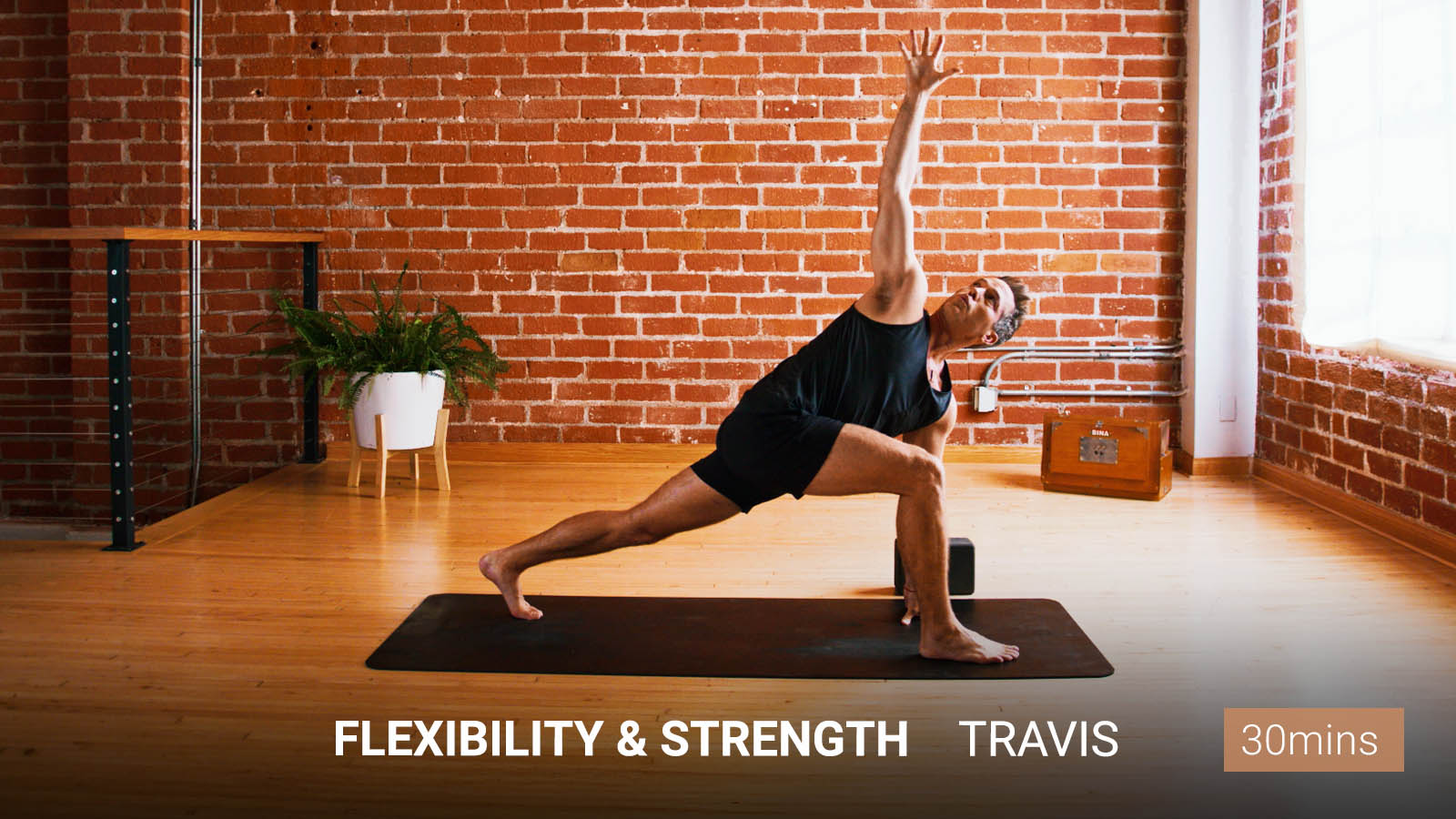
Credit: www.innerdimensionyoga.com
Benefits Of Yoga
Yoga enhances both flexibility and strength. It stretches muscles, increasing range of motion. Regular practice builds core strength, improving balance and stability.
Yoga offers a wealth of benefits that span both physical and mental realms. It is celebrated for enhancing flexibility and strength, contributing to overall health. This ancient practice promotes wellness by harmonizing the body and mind. Below, we explore some of the key benefits yoga offers.Physical Advantages
Yoga is renowned for improving flexibility. Regular practice stretches muscles, increasing range of motion. It strengthens the body, building muscle endurance. Enhanced flexibility reduces injury risks in daily activities. Yoga also aids in posture correction, aligning the spine and reducing back pain. It boosts circulation, enhancing oxygen flow throughout the body. Better circulation means improved organ function and vitality. Yoga promotes balance, increasing stability and coordination. It aids in weight management by burning calories effectively. Practicing yoga increases metabolism, helping maintain a healthy weight. It strengthens the immune system, reducing susceptibility to illness.Mental Well-being
Yoga nurtures mental health, reducing stress and anxiety. It encourages relaxation, calming the mind through breathing exercises. Mindfulness practices in yoga enhance focus and concentration. It promotes emotional balance, helping manage mood swings. Yoga boosts self-awareness, fostering personal growth and understanding. It cultivates inner peace, providing a sense of calm and tranquility. It enhances mental clarity, improving decision-making and problem-solving skills. Practicing yoga can lead to better sleep quality, aiding in overall mental rejuvenation. Yoga’s holistic approach supports mental resilience, equipping individuals to handle life’s challenges. Through its diverse benefits, yoga remains a powerful tool for enhancing both body and mind.Flexibility Through Yoga
Yoga offers more than peace and relaxation. It enhances flexibility, providing benefits for everyday movement. Regular practice stretches muscles and joints, improving overall range of motion. This section explores how yoga boosts flexibility through specific poses and techniques.
Key Poses For Flexibility
Certain yoga poses excel at increasing flexibility. These poses target various muscle groups, helping them stretch and lengthen. Here are a few essential poses:
- Downward Dog:Stretches the spine, hamstrings, and calves.
- Cobra Pose:Opens the chest and strengthens the spine.
- Forward Bend:Lengthens the back and hamstrings.
- Butterfly Pose:Targets inner thighs and hips.
- Triangle Pose:Stretches sides and enhances balance.
Improving Range Of Motion
Yoga also improves range of motion, crucial for physical activities. It helps muscles move more freely, reducing stiffness. Consistent practice loosens tight areas, easing daily tasks and exercises.
Slow, controlled movements in yoga are key. They allow muscles to extend fully without strain. Over time, this increases flexibility and joint mobility.
Breathing techniques play a role in enhancing flexibility. Deep breaths relax muscles, facilitating easier stretching. Focused breathing during poses maximizes their effectiveness.
Building Strength With Yoga
Yoga is more than just stretching. It also builds strength. Many think of yoga as a path to flexibility, but it offers much more. Regular practice can enhance muscle strength. It uses your body weight for resistance. This means no heavy weights are needed. Yoga strengthens the body in a balanced way. It works on different muscle groups at the same time. Let’s dive into how yoga builds strength.
Strength-enhancing Poses
Yoga includes many poses that boost strength. These poses engage different muscles. Here are some key poses:
- Plank Pose:Strengthens the arms, wrists, and spine.
- Warrior Pose:Builds strength in the legs and core.
- Chair Pose:Engages thighs, calves, and lower back.
- Boat Pose:Targets the core and hip flexors.
Practicing these poses regularly enhances muscle endurance. It also increases overall strength.
Core And Balance Development
Yoga also focuses on core strength. A strong core supports the entire body. It improves posture and balance. Poses like the Tree Pose and Eagle Pose challenge balance. They require core engagement to maintain stability. This helps in developing better body control.
Balance and core strength go hand in hand. As balance improves, so does core strength. Yoga helps in achieving both. Consistent practice leads to noticeable changes. It not only builds strength but also boosts confidence.
Yoga Styles For Flexibility
Yoga offers various styles that enhance flexibility and strength. Vinyasa flow improves fluidity through dynamic movements, while Yin yoga focuses on deep stretching to increase flexibility. Both styles contribute to a balanced practice, promoting physical and mental well-being.
Yoga offers diverse styles to enhance flexibility. Each style targets different needs. These styles help improve body movement and reduce stiffness. Let’s explore some popular yoga styles for flexibility.Hatha Yoga
Hatha Yoga is gentle and beginner-friendly. It focuses on basic postures. This style improves flexibility slowly. Practitioners hold poses longer. This allows muscles to stretch deeply. Hatha Yoga also incorporates breathing techniques. These techniques help relax the body and increase focus. Regular practice can lead to improved flexibility and balance.Yin Yoga
Yin Yoga targets deep connective tissues. It focuses on ligaments, joints, and bones. Poses are held for several minutes. This deep stretch enhances flexibility. Yin Yoga is calming and meditative. It encourages mindfulness and patience. Practicing Yin Yoga regularly can enhance joint mobility. It also relieves tension and stress.Yoga Styles For Strength
Discover yoga styles designed for building strength, not just flexibility. Power Yoga and Ashtanga improve muscle tone, while Vinyasa enhances endurance. Try these styles to boost your physical strength and stability.
Yoga is not just about achieving a state of mindfulness or enhancing flexibility; it’s also a powerful tool for building strength. Different yoga styles can specifically target muscle strength, offering a holistic approach to fitness. Whether you’re a seasoned yogi or a beginner, exploring yoga styles focused on strength can transform your physical capabilities.Ashtanga Yoga
Ashtanga Yoga is known for its structured sequence of postures that demands both physical strength and endurance. This style involves a series of poses performed in a specific order, which helps build core strength and improve stamina. Practicing Ashtanga regularly can tone your muscles and enhance your body’s overall alignment. The challenging nature of the poses, like Chaturanga and Warrior sequences, requires you to engage multiple muscle groups simultaneously. Have you ever tried a session where you felt your muscles trembling with effort? That’s your body building strength through Ashtanga. The discipline and consistency in practice are key to seeing results.Power Yoga
Power Yoga is a dynamic and vigorous style that draws on the fundamentals of Ashtanga but with more flexibility in the sequence. It’s perfect for those who are looking for a workout that combines the benefits of strength training with the meditative aspects of yoga. In Power Yoga, you’ll find yourself moving swiftly from one pose to another, which keeps your heart rate up and builds muscle endurance. Poses like Plank and Chair Pose are held for longer periods, challenging your strength and stability. Ever wondered how to make yoga feel more like a full-body workout? Power Yoga might be your answer. Its focus on strength and energy makes it a favorite among those who want to push their physical limits. Both Ashtanga and Power Yoga provide an excellent foundation for increasing your strength through yoga. By incorporating these styles into your routine, you can achieve a balanced approach to fitness that not only strengthens your body but also calms your mind. Are you ready to feel the difference in your practice?Combining Flexibility And Strength
Yoga enhances both flexibility and strength simultaneously. Stretching poses boost flexibility, while holding positions builds muscle endurance. These dual benefits make yoga a balanced fitness option.
Combining flexibility and strength in yoga creates a balanced practice. Yoga offers more than just stretching or building muscle. It enhances your body’s ability to move freely and supports muscle stability. This dual focus brings harmony to your physical fitness routine. Exploring the balance between flexibility and strength can transform your yoga sessions. Let’s delve into how this combination can enrich your practice.Balanced Practice
A balanced yoga practice integrates both flexibility and strength. It supports your body’s overall health. Flexibility allows your muscles to stretch and move smoothly. Strength ensures your muscles support your movements effectively. Together, they enhance your body’s functionality. This balance prevents injury and boosts your performance. It also promotes a sense of well-being.Integrated Yoga Routines
Integrated yoga routines focus on strengthening and stretching simultaneously. These routines include poses that challenge your muscles while increasing flexibility. They provide a comprehensive workout experience. For instance, the Warrior Pose strengthens legs and opens hips. The Downward Dog stretches your spine and strengthens arms. Combining these poses in a routine optimizes both aspects. You gain flexibility and strength in one session.Tips For Beginners
Yoga enhances both flexibility and strength. Different poses target muscles and improve your body’s range of motion. Beginners can start with gentle stretches and gradually incorporate strength-focused poses.
Embarking on a yoga journey is an exciting step towards enhancing your flexibility and strength. Yet, as a beginner, you might wonder how to start safely and effectively. With the right guidance and mindset, you can make the most out of your practice. Below are some essential tips to help you begin your yoga journey with confidence and assurance.Starting Safely
Before you roll out your yoga mat, it’s crucial to prioritize safety. Begin by setting realistic goals that match your current fitness level. Start with gentle poses and gradually progress to more challenging ones. Consider investing in a high-quality yoga mat to prevent slipping and provide cushioning for your joints. Always listen to your body; if a pose feels uncomfortable or painful, modify it or skip it altogether. Remember, yoga is a personal journey, and there’s no rush to achieve advanced poses.Finding The Right Instructor
Choosing the right yoga instructor can significantly influence your learning experience. Look for someone who communicates clearly and demonstrates a deep understanding of both flexibility and strength-building techniques. Attend a few trial classes to find an instructor whose teaching style resonates with you. Personal recommendations or online reviews can also help identify reputable instructors. Having a supportive and knowledgeable guide can enhance your practice, ensuring you build a strong foundation.Advanced Techniques
Yoga enhances both flexibility and strength through varied poses and practices. Different techniques target specific body areas, promoting balance and muscle growth. Practicing regularly leads to improved posture and overall physical health.
Yoga is a practice with many layers. It offers techniques for both flexibility and strength. Advanced techniques help deepen your practice. They challenge your body in new ways. They also enhance your mind-body connection.Progressing In Flexibility
Flexibility involves stretching muscles and tendons. Advanced poses like Pigeon or Splits push boundaries. They require patience and regular practice. Consistent effort leads to improved flexibility. Remember, breathing is key. Deep breaths help muscles relax. It lets you stretch further without strain. Another effective technique is dynamic stretching. It includes movements like leg swings or arm circles. These movements increase blood flow. They prepare muscles for deeper stretches. Combining static and dynamic stretches boosts flexibility. It enhances joint mobility as well.Enhancing Strength
Yoga builds strength through bodyweight exercises. Poses like Plank or Crow strengthen the core. They engage multiple muscle groups. Advanced yoga incorporates balance poses. These improve muscle coordination and endurance. Holding these poses longer increases strength. Incorporating resistance in yoga can also enhance strength. Use props like straps or blocks. They provide support and resistance. This makes muscle engagement deeper. As you hold poses, focus on muscle activation. Feel the burn in your muscles. This signals growth and increased strength. Combining flexibility and strength techniques can transform your practice. It makes it more rewarding and balanced.Common Misconceptions
Yoga often comes with its fair share of misconceptions, especially regarding whether it’s primarily for flexibility or strength. These misunderstandings can lead to missed benefits and limited practice. Let’s tackle some common myths surrounding yoga.
Yoga As Only Stretching
Many people think yoga is just about stretching and becoming flexible. While it’s true that yoga helps increase flexibility, it also builds strength. Each pose requires muscle engagement to maintain balance and posture.
Consider the plank pose. It might look simple, but holding it strengthens your core, arms, and legs. Yoga is a full-body workout that combines stretching with strength-building movements.
Have you tried holding a Warrior pose for a minute? You’ll soon realize the strength needed to keep your body stable. Yoga is more than just stretching; it’s a powerful tool for building strength.
Yoga For Specific Body Types
Another common misconception is that yoga suits only certain body types—usually slim and flexible ones. This is not true. Yoga is accessible to everyone, regardless of size, shape, or flexibility level.
If you think your body type isn’t suited for yoga, consider this: yoga adapts to you. Modifications and props make poses achievable for all. Whether you’re tall, short, muscular, or curvy, there’s a yoga practice right for you.
Why not try a beginner class with varied participants? You’ll see people of all shapes finding comfort and strength in yoga. Remember, yoga celebrates diversity and personal growth, not perfection or specific body types.
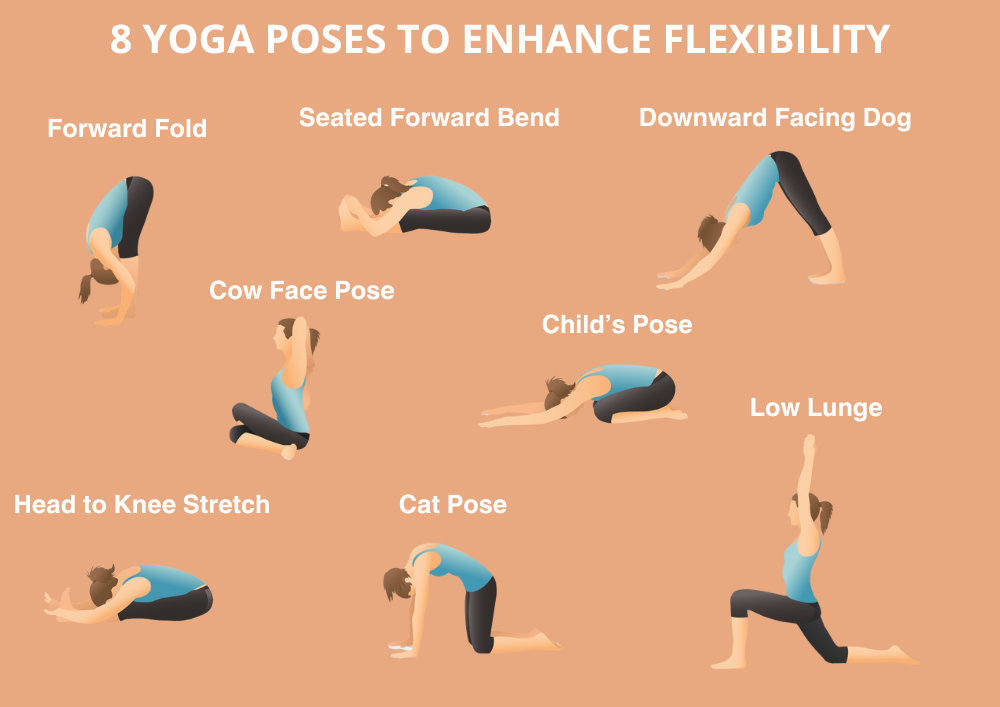
Credit: myyogateacher.com
Incorporating Yoga Into Daily Life
Yoga offers a unique blend of flexibility and strength. Incorporating yoga into daily life can transform your body and mind. It helps improve posture and reduce stress. Regular practice boosts energy and enhances mood. Whether aiming for flexibility or strength, yoga suits various needs. Its versatility makes it easy to fit into any lifestyle.
Creating A Routine
Start with simple poses that fit your schedule. Choose a time that works for you every day. Morning or evening sessions can set a positive tone. Consistency is key to seeing results over time. Short sessions can be as effective as longer ones. Gradually increase the duration and intensity as you progress. Include a mix of poses for flexibility and strength. Listen to your body to avoid injury.
Long-term Benefits
Practicing yoga daily offers lasting benefits. It strengthens muscles and improves flexibility. Over time, your body becomes more resilient. Yoga enhances mental clarity and focus. It promotes a sense of calm and balance. Regular practice helps manage stress and anxiety. It supports overall well-being and boosts confidence. Yoga fosters a deeper connection with yourself. Embrace its transformative power in your daily life.
Credit: medium.com
Frequently Asked Questions
Can Yoga Improve Flexibility Effectively?
Yes, yoga can significantly enhance flexibility. It involves a range of poses that stretch muscles, increase mobility, and improve joint function. Regular practice helps lengthen muscles and tendons, making them more pliable. Over time, yoga practitioners experience noticeable improvements in flexibility, aiding overall physical performance and reducing injury risk.
Does Yoga Build Strength?
Yoga is excellent for building strength. It utilizes body weight to strengthen muscles through various poses. Holding poses engages core and stabilizing muscles, promoting endurance and power. Regular practice enhances muscle tone and supports bone health, contributing to overall physical strength and resilience.
What Type Of Yoga Boosts Flexibility?
Hatha and Vinyasa yoga are great for flexibility. Hatha focuses on static poses, stretching muscles gradually. Vinyasa emphasizes dynamic movements, enhancing mobility and range of motion. Both styles promote flexibility through targeted stretching and mindful breathing, resulting in improved flexibility and joint health.
Is Yoga Suitable For Beginners Seeking Strength?
Yoga is perfect for beginners aiming to build strength. It offers adaptable poses catering to different fitness levels. Beginners benefit from foundational strength-building moves, gradually increasing intensity. Consistent practice enhances muscle tone, endurance, and overall physical strength, making yoga accessible and effective for newcomers.
Conclusion
Yoga can boost both flexibility and strength. It depends on your focus. Want to stretch more? Choose poses like forward bends. Need strength? Try plank or warrior poses. Balance is key. Yoga combines both elements for a well-rounded routine. It’s adaptable for everyone.
Beginners or advanced yogis can benefit. Listen to your body. Tailor your practice to your needs. This makes yoga a versatile choice. It supports health and well-being. So, whether you aim for flexibility or strength, yoga offers valuable benefits. Keep practicing and enjoy the journey.