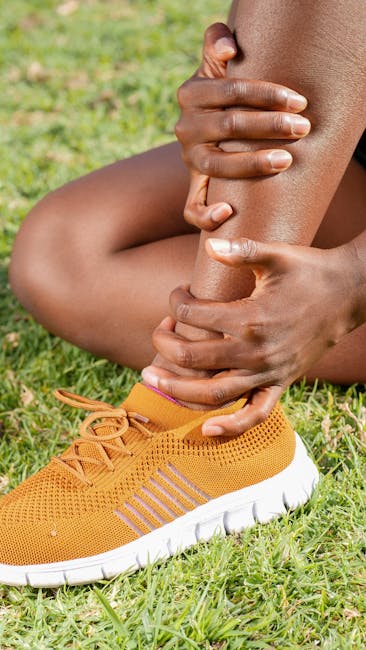
Imagine stepping out of bed each morning, feeling confident and pain-free with every step you take. Your feet are your foundation, supporting you through life’s daily adventures.
But what happens when they falter? Foot injuries can disrupt your routine, leaving you sidelined and frustrated. You don’t have to let this happen. By taking a few simple precautions, you can maintain strong, healthy feet and keep moving forward without a hitch.
Ready to discover the secrets to preventing foot injuries and ensuring your feet are always in top shape? Let’s dive in!
Choosing The Right Footwear
Selecting proper footwear is crucial for avoiding foot injuries. Shoes should provide adequate support and cushioning to protect your feet. Ensure a proper fit to minimize strain and discomfort during activities.
Choosing the right footwear is essential in preventing foot injuries. Your feet carry you through life, and they deserve the best protection possible. Whether you’re an athlete, a professional constantly on your feet, or someone who enjoys casual strolls, selecting the perfect pair of shoes can make all the difference.Importance Of Proper Fit
A proper fit is crucial for comfort and foot health. Shoes that are too tight can cause blisters and calluses, while those too loose may lead to instability and falls. Measure your feet regularly, as sizes can change with age. Always try on shoes at the end of the day when your feet are slightly swollen to ensure a comfortable fit. Have you ever bought a pair of shoes only to regret it hours later? Remember, a snug fit should support your arches and heels without pinching.Selecting Shoes For Different Activities
Different activities demand different types of footwear. Running shoes are designed for forward motion, whereas cross-trainers offer lateral support for activities like tennis. Hiking boots should provide ankle support and grip, while everyday sneakers might prioritize comfort over specialized features. Think about your lifestyle—are you always on the move, or do you need something versatile for various tasks? Matching your shoes to your activity can prevent unnecessary strain and injuries.Benefits Of Supportive Insoles
Supportive insoles can transform your footwear experience. They provide cushioning and arch support, reducing pressure on your feet and improving overall alignment. If you suffer from foot pain or conditions like plantar fasciitis, insoles might be your saving grace. Custom orthotics can be a worthwhile investment for personalized support. Have you considered the impact insoles could have on your comfort and performance? They might be the upgrade your shoes need. Choosing the right footwear requires attention to detail, but the benefits are worth it. Prioritize fit, match shoes to your activities, and don’t underestimate the power of insoles.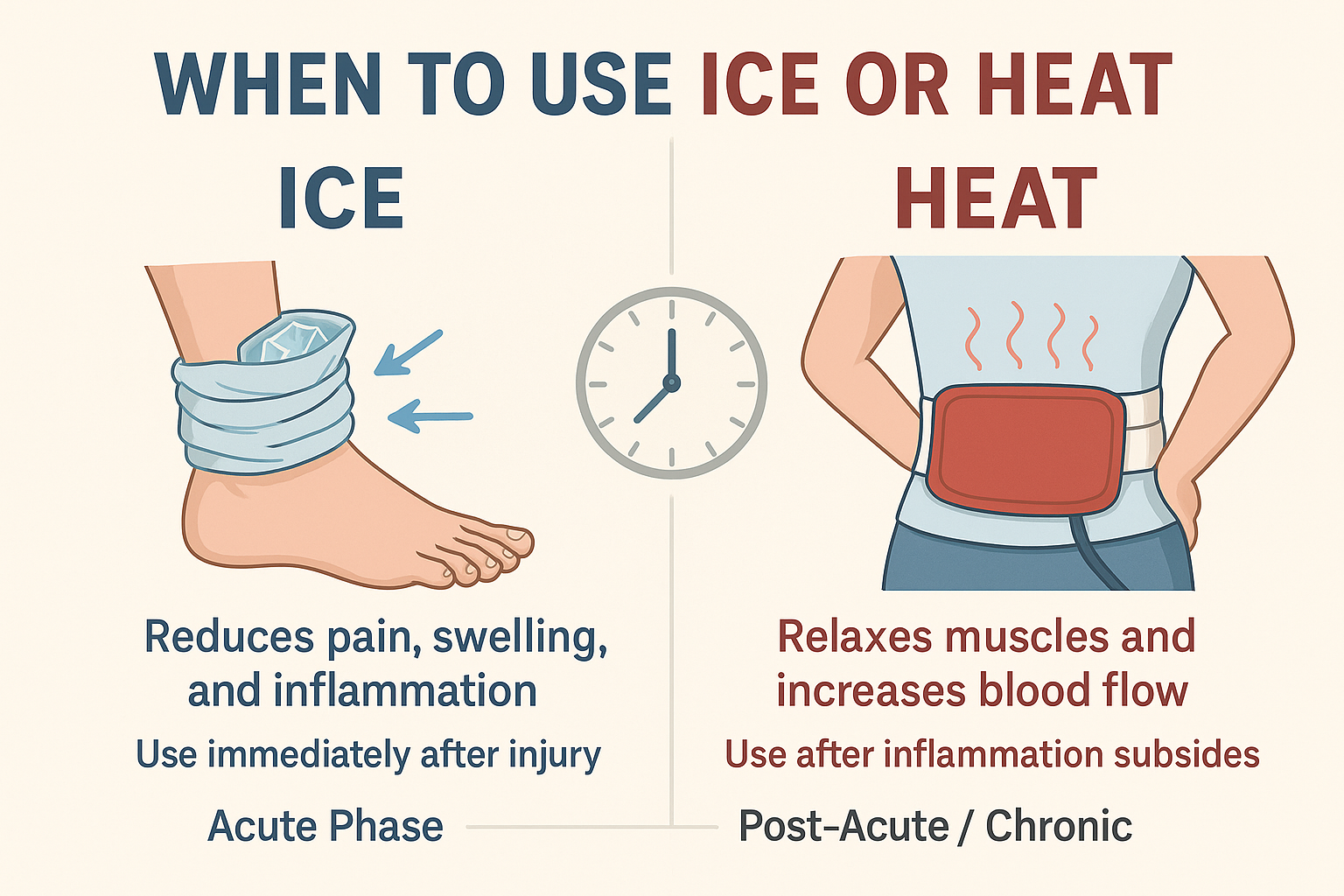
Credit: www.orthopedicshoulder.com
Strengthening Exercises
Strengthening exercises boost foot stability and reduce injury risks. Focus on toe curls and heel raises for improved balance. Regular practice enhances muscle endurance and supports joint health.
Strengthening your feet is crucial to preventing injuries. Think of your feet as the foundation of your body. If your foundation is weak, you’re more likely to experience issues. Adding specific exercises to your routine can boost your foot strength and keep you moving with confidence.Foot And Ankle Workouts
Focus on workouts that target the small muscles in your feet and ankles. These exercises can improve your foot’s ability to support your weight and enhance your performance in various activities. Try toe curls by placing a towel on the floor and using your toes to scrunch it towards you. Heel raises are another effective exercise. Stand with your feet hip-width apart, then rise onto your toes. Hold for a second before lowering back down.Balance And Stability Drills
Balance isn’t just for gymnasts; it’s essential for everyone. Strong feet help maintain good balance, preventing trips and falls. Practice standing on one leg. It may seem simple, but it’s a powerful exercise for strengthening your feet and improving stability. A balance board is another great tool. It challenges your core, ankles, and feet, enhancing your overall balance and coordination.Stretching For Flexibility
Flexible feet can adjust better to different surfaces and activities. Stretching helps maintain your foot’s range of motion and prevents stiffness. Try the seated foot stretch. Sit with your legs extended and use a towel to gently pull your toes toward you. Calf stretches are also beneficial. Stand facing a wall, place one foot behind the other, and gently lean forward to stretch the calf muscles. What exercises have you tried that made a noticeable difference in your foot strength?Injury Prevention Techniques
Wearing supportive shoes can significantly reduce the risk of foot injuries. Regular stretching and strengthening exercises improve foot flexibility and strength. Practicing good hygiene and foot care also helps in preventing common foot ailments.
Injury Prevention Techniques Preventing foot injuries is essential to maintain an active lifestyle without setbacks. Simple adjustments can significantly reduce the risk of injury. Let’s delve into some practical techniques to keep your feet healthy and strong.Gradual Increase In Activity
Jumping into intense workouts too quickly can lead to foot injuries. Aim to increase your activity level gradually. For example, if you’re a beginner runner, start with short distances and slowly add more miles each week. This method allows your body to adapt, reducing the risk of stress fractures or sprains. Keeping track of your progress in a journal can also help you monitor your improvements and prevent overexertion. Have you ever pushed yourself too hard and regretted it later?Warm-up And Cool-down Routines
A proper warm-up prepares your muscles and joints for activity, minimizing the chance of injury. Simple exercises like leg swings, ankle circles, and toe touches can activate your foot muscles. Cooling down is just as important. It helps your body transition back to a resting state, reducing stiffness and soreness. Incorporate stretching exercises focused on your calves, ankles, and toes to enhance flexibility and recovery.Listening To Your Body’s Signals
Your body often gives subtle warnings before a full-blown injury occurs. Pay attention to any discomfort or pain in your feet. Ignoring these signs can lead to more severe issues. Take rest days seriously. They are crucial for recovery and preventing chronic foot problems. If something feels off, consider consulting a healthcare professional. Are you truly attentive to what your body is telling you?Understanding Common Foot Injuries
Preventing foot injuries involves wearing proper footwear and maintaining foot health. Regular stretching and strengthening exercises can help. Pay attention to surfaces you walk on to avoid slips and falls.
Understanding Common Foot Injuries Your feet carry you through life, yet they’re often overlooked until pain strikes. Understanding common foot injuries is essential to keep you active and pain-free. From sprains to fractures, each injury tells a story about your lifestyle and habits.Identifying Early Symptoms
Early detection is crucial in preventing minor issues from escalating. Swelling, redness, or persistent pain can signal an impending injury. Keep an eye out for unusual sensations like tingling or numbness. Have you noticed any changes in your gait or balance recently? These could be early signs of trouble brewing beneath the surface. Addressing symptoms early can save you from long-term discomfort.Risk Factors To Be Aware Of
Certain activities or choices increase the risk of foot injuries. High-impact sports, wearing inappropriate footwear, or even poor posture can contribute. Age and health conditions like diabetes also play a role in your foot health. Are you mindful of these risk factors in your daily routine? Being proactive can help in mitigating these risks.When To Seek Professional Help
Knowing when to consult a specialist can make all the difference. Persistent pain that doesn’t improve with rest or over-the-counter treatments warrants attention. Consider consulting a professional if you experience severe swelling, inability to bear weight, or changes in foot shape. Don’t wait until the problem becomes severe; early intervention can speed up recovery and prevent further complications. How do you decide it’s time to see a doctor? Listening to your body is key. Trust your instincts and prioritize your foot health.Foot Care And Maintenance
Proper foot care is vital to prevent injuries. Choose supportive footwear to reduce strain and impact. Regularly stretch and strengthen foot muscles for better stability.
Taking care of your feet is essential for preventing injuries and maintaining an active lifestyle. Our feet are the foundation of our body, and keeping them healthy requires regular attention and care. Foot care and maintenance involves a few simple practices that can make a big difference in your overall well-being. Let’s dive into some practical ways to ensure your feet stay healthy and strong.Daily Hygiene Practices
Proper hygiene is the first step towards healthy feet. Start by washing your feet daily with warm water and mild soap. Make sure to clean between your toes where bacteria often hides. Dry your feet thoroughly, especially between the toes, to prevent fungal infections like athlete’s foot. Use a pumice stone or foot scrubber to gently exfoliate dead skin cells. This helps keep your skin smooth and reduces the risk of calluses and corns. Remember, clean feet are happy feet.Managing Footwear Rotations
Rotating your shoes can prevent injuries and keep your feet comfortable. Wearing the same pair of shoes every day can lead to excessive wear and tear, resulting in poor foot support. Try to have at least two pairs of shoes that you alternate daily. Consider the activities you do and choose footwear accordingly. Athletic shoes for workouts, comfortable sneakers for casual wear, and supportive sandals for the beach—all play a role in keeping your feet safe. A friend once told me how switching from high heels to flats significantly improved her comfort and reduced foot strain.Using Moisturizers And Foot Creams
Hydrating your feet is crucial for maintaining skin elasticity and preventing dryness. Apply a good moisturizer or foot cream daily, focusing on the heels and soles. This practice helps in preventing cracks and reduces the risk of infections. Look for creams containing urea or glycerin, known for their deep moisturizing properties. A personal favorite of mine is a peppermint foot cream that not only hydrates but also provides a refreshing sensation. What’s your favorite foot care product? Trying different products can help you find the one that suits your needs best. Taking these simple steps can keep your feet healthy and injury-free. Remember, your feet carry you through life—treat them with the care they deserve.
Credit: www.health.harvard.edu
Importance Of Professional Guidance
Preventing foot injuries is crucial for maintaining your mobility and overall health. While general tips and exercises can be beneficial, seeking professional guidance can make a significant difference. Experts like podiatrists and physical therapists provide personalized advice based on your unique needs, helping you avoid common pitfalls and optimize foot health.
Consulting With Podiatrists
Podiatrists specialize in diagnosing and treating foot-related issues. They offer tailored advice after thoroughly examining your feet, considering factors such as your gait, lifestyle, and existing conditions. Imagine the relief of knowing you’re getting advice specific to your feet rather than generic tips from the internet.
Have you ever wondered if your daily footwear is truly supporting your feet? A podiatrist can assess this and suggest changes that might prevent future injuries. Regular visits can help identify potential problems before they become serious, ensuring your feet stay healthy and strong.
Role Of Physical Therapists
Physical therapists play a critical role in injury prevention by designing customized exercise programs. These exercises focus on strengthening and stretching the muscles around your feet, enhancing stability and flexibility.
Think about how a tailored exercise regime can improve your balance and reduce the risk of falls. Physical therapists guide you through each step, ensuring proper technique and gradual progression. This personalized approach can make a significant difference in how your feet feel and function.
Custom Orthotics And Their Benefits
Custom orthotics are specially designed shoe inserts that support and align your feet. Unlike over-the-counter options, they are crafted to meet your specific foot structure and needs, providing optimal comfort and support.
Consider how custom orthotics can alleviate pain by redistributing pressure across your feet. They can enhance your walking experience and prevent injuries by improving foot posture. Isn’t it reassuring to know that your feet are cushioned and supported with each step?
Professional guidance in foot health is more than just advice—it’s a proactive step towards injury prevention. So, why not invest in expert care to ensure your feet remain injury-free and ready to support your active lifestyle?

Credit: www.therehabstreet.com
Frequently Asked Questions
What Are Common Causes Of Foot Injuries?
Foot injuries often result from accidents, overuse, or improper footwear. Activities like running or jumping can strain the feet. Wearing shoes that don’t fit well or provide inadequate support can also lead to injuries. Ensuring proper foot care and choosing suitable footwear can help prevent these issues.
How Can I Strengthen My Feet?
Strengthening your feet involves exercises like toe curls, heel raises, and foot stretches. Regular practice enhances flexibility and muscle strength. Incorporating balance exercises, such as standing on one foot, can also be beneficial. A strong foot foundation reduces injury risk and improves overall foot health.
Which Shoes Help Prevent Foot Injuries?
Choosing shoes with good arch support, cushioning, and proper fit can prevent foot injuries. Consider shoes designed for specific activities, like running or hiking. Avoid wearing high heels or flats for extended periods. Replace worn-out shoes regularly to maintain adequate support and protection.
Are Foot Injuries More Common In Athletes?
Yes, athletes are more prone to foot injuries due to intense physical activity and overuse. Sports involving running, jumping, or quick directional changes increase injury risk. Proper training, suitable footwear, and adequate rest can minimize the likelihood of foot injuries among athletes.
Conclusion
Preventing foot injuries is simple with proper care. Choose the right shoes. Stretch before physical activities. Warm up to boost circulation. Listen to your body. Rest when needed. Regular check-ups with a podiatrist help too. Keep your feet clean and dry.
This reduces infection risks. Stay active, but don’t overdo it. Hydration is key. Water supports joint health. Healthy feet lead to a happier life. Follow these tips for strong, injury-free feet. Your feet will thank you.